The Perfect Diet for Young Athletes: What to Eat & Avoid
Why Young Athletes Need a Different Diet
Young athletes burn more energy than non-athletic teens because they train harder, recover longer, and need consistent fuel for muscle growth. A normal diet isn’t enough. They need balanced macros, hydrating minerals, and clean energy sources that won’t slow them down or cause fatigue.
Key Nutrients Every Young Athlete Must Focus On
Carbohydrates: The Primary Fuel
Carbs provide quick energy for training and competitions.
Great choices:
-
Whole grains (brown rice, oats, quinoa)
-
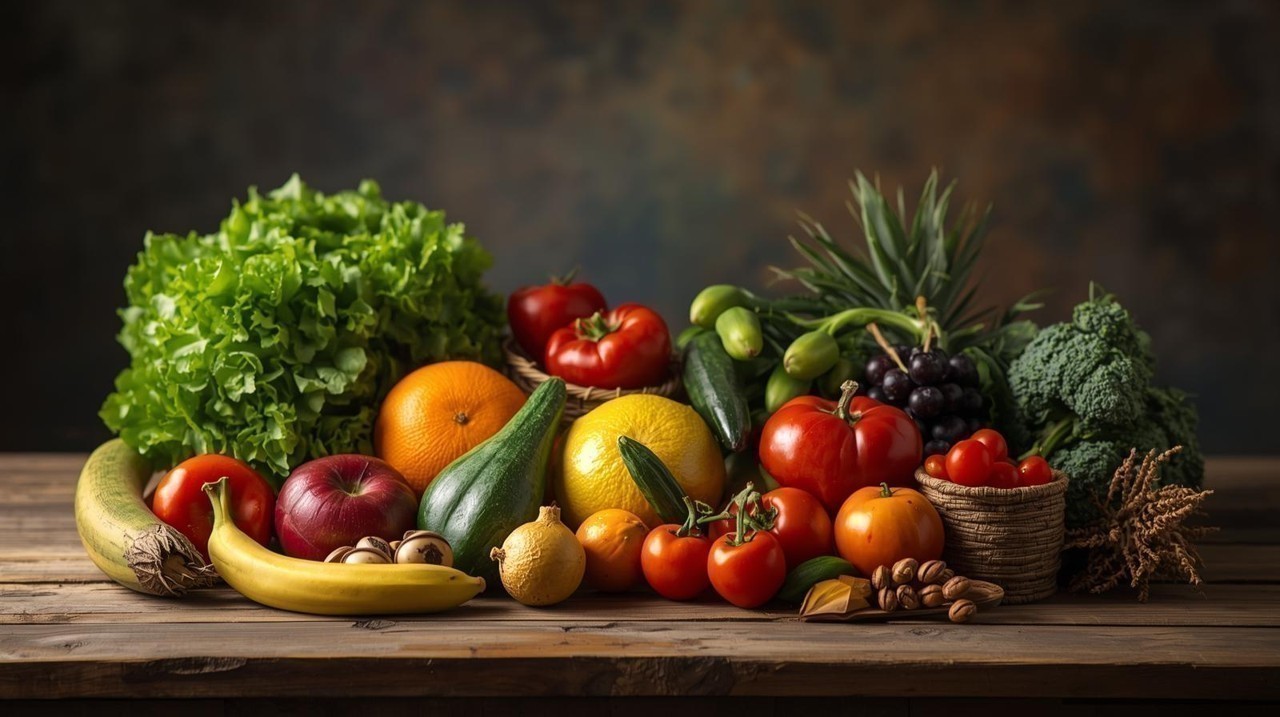
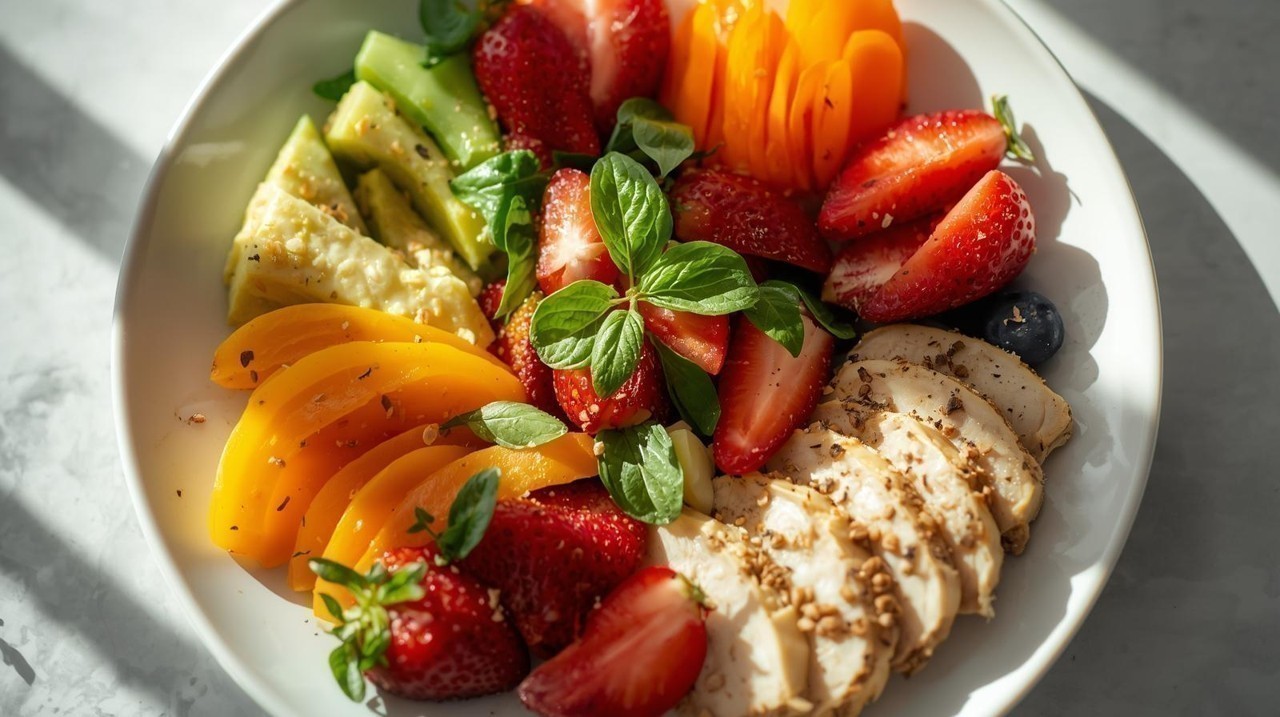
Fruits (banana, apple, berries)
-
Starchy veggies (sweet potato, corn)
Avoid: Sugary cereals, pastries, and processed snacks.
Protein: Essential for Muscle Repair
Protein helps repair micro-tears in muscles and builds strength.
Sources that work best:
-
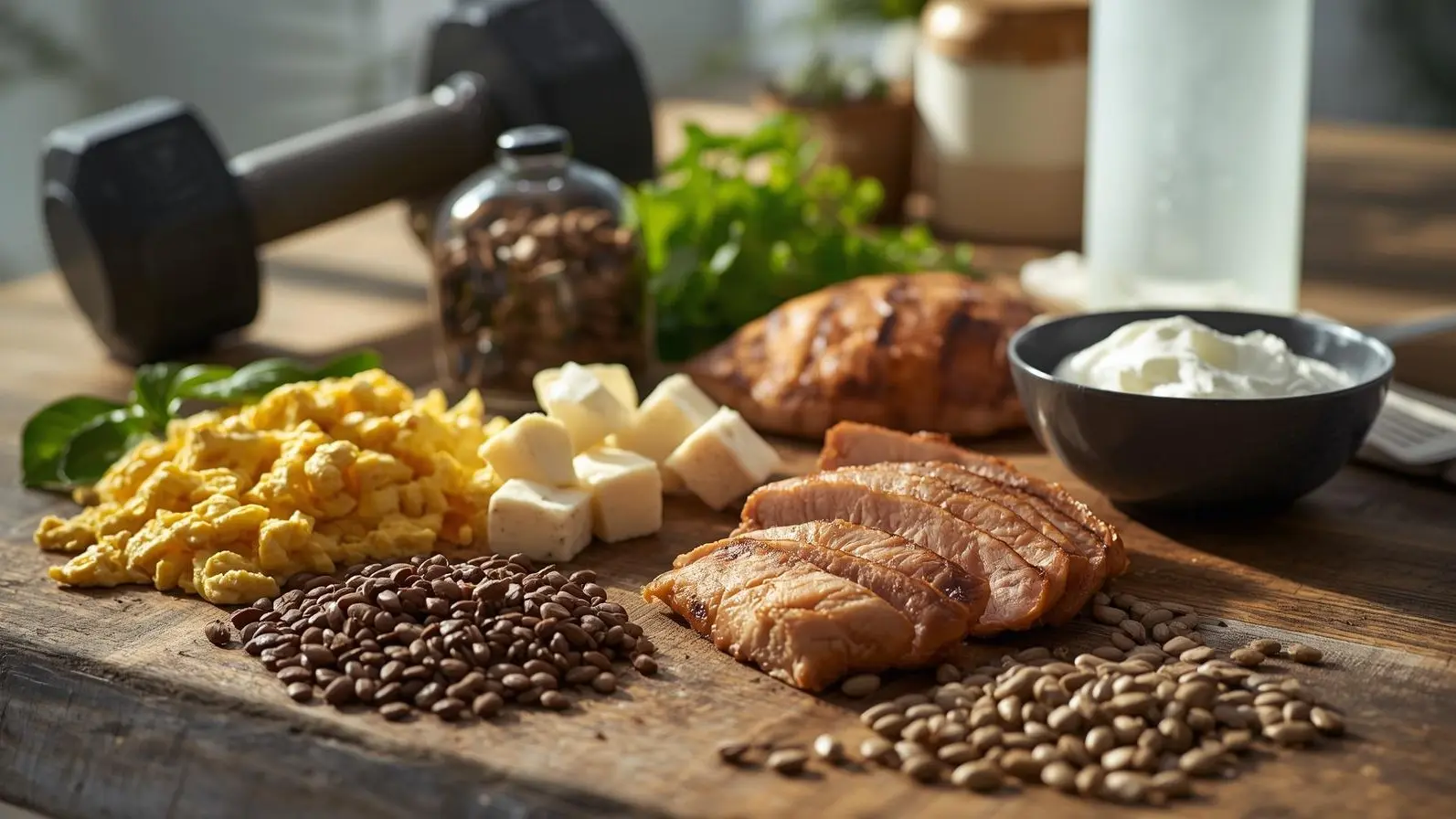
Chicken, eggs, fish, lean meat
-
Paneer, tofu, lentils, beans
Athletes should avoid relying on protein supplements unless prescribed by a coach or nutritionist.
Healthy Fats: Long-Lasting Energy
Good fats support hormone balance and joint strength.
Best choices:
-
Avocado, nuts, seeds, olive oil, peanut butter
Avoid: deep-fried foods and trans fats.
Hydration: The Hidden Performance Booster
Even 2% dehydration can slow performance. Young athletes need:
-
2–3 liters of water daily
-
Electrolytes after intense training
-
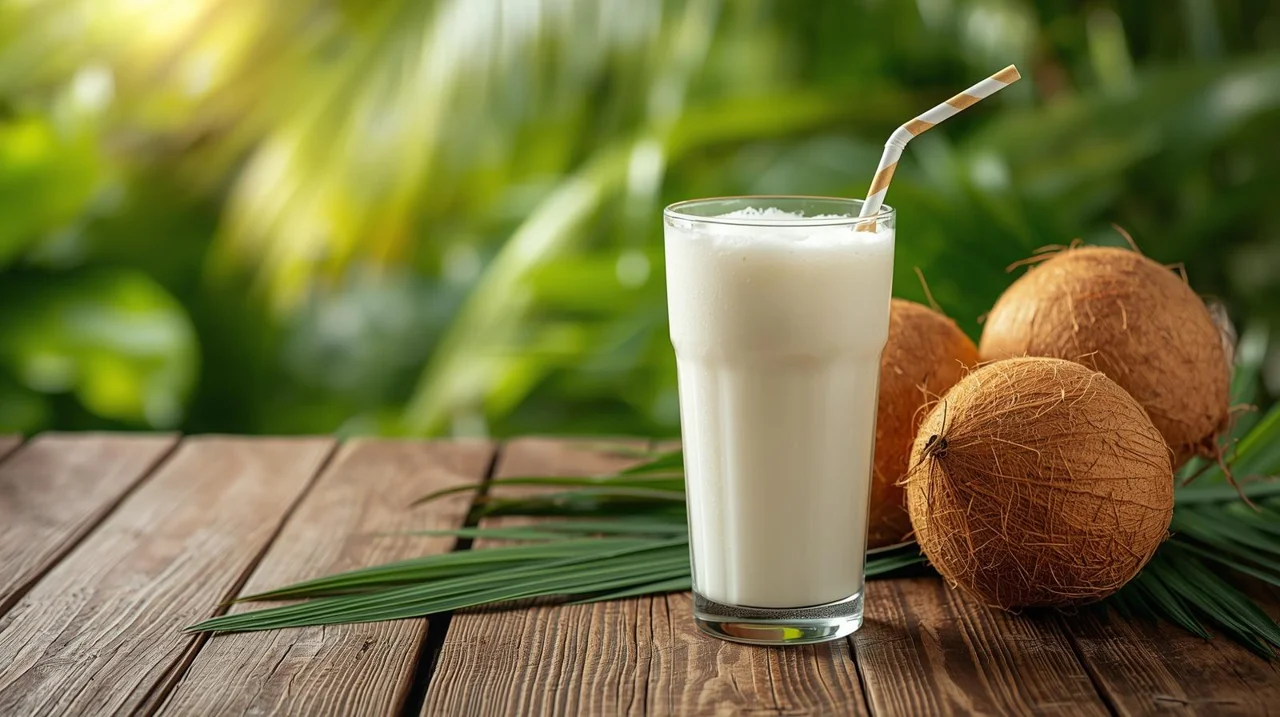
Coconut water for natural potassium
Avoid: energy drinks and sodas—they cause crashes.
Game-Day Nutrition Plan
3 Hours Before the Game
-
Whole grain pasta or rice
-
A lean protein like chicken or paneer
-
A fruit (banana works best)
30 Minutes Before
-
A quick carb snack: dates, a banana, or a small peanut-butter sandwich.
During Training/Game
-
Sip water every 15 minutes
-
Add electrolytes for sessions above 60 minutes
Post-Game Recovery
-
Protein + carbs combo within 30 minutes
Examples: -
Chocolate milk
-
Chicken sandwich
-
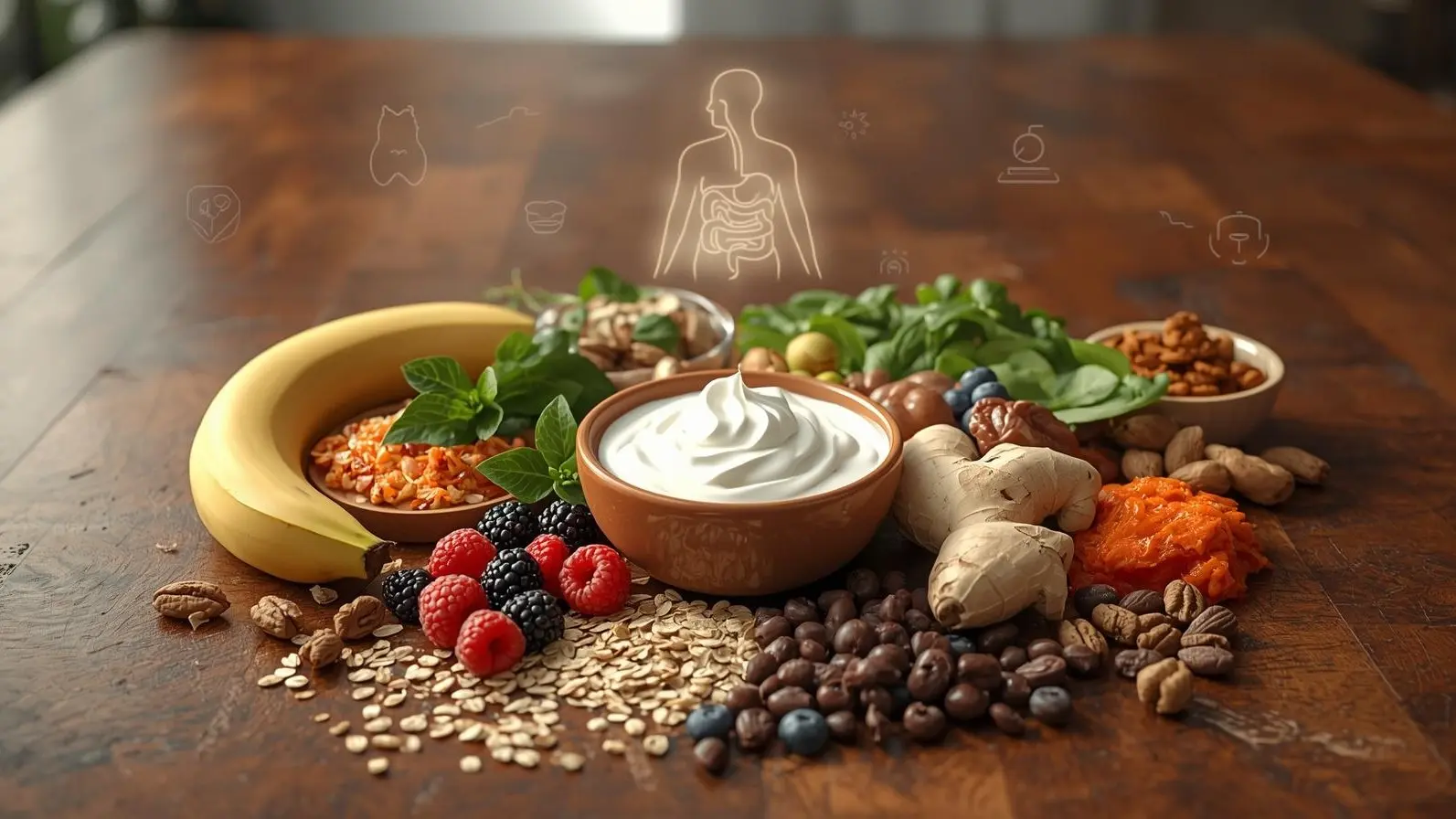
Fruit + yogurt
-
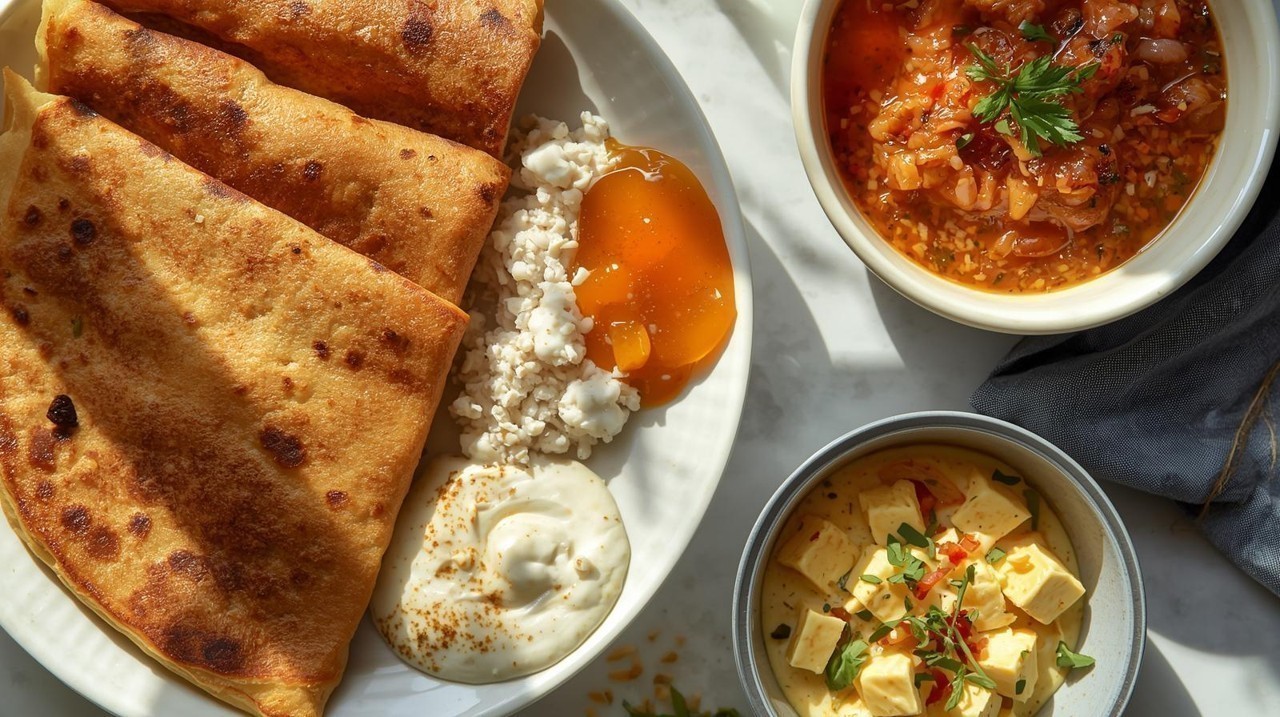
Paneer wrap
Foods Young Athletes Should Avoid
High-Sugar Foods
They cause energy spikes and immediate crashes.
Avoid: soft drinks, packaged juices, flavored yogurts.
Heavy & Greasy Foods
Slow digestion and reduce speed on the field.
Avoid: burgers, fries, pizzas, creamy pastas.
Packaged & Instant Foods
High sodium leads to dehydration.
Avoid: instant noodles, chips, processed meats.
Daily Meal Plan Example
Breakfast
-
Oats + fruits
-
Eggs or peanut butter toast
-
Milk
Lunch
-
Brown rice or chapati
-
Chicken/fish/paneer
-
Vegetables
Snack
-
Banana + nuts
-
Yogurt
-
Energy bar (homemade preferred)
Dinner
-
Grilled chicken/fish/tofu
-
Soup or salad
-
Sweet potato
Before Bed
-
A glass of milk or yogurt
-
A few almonds or walnuts
How Parents Can Support Young Athletes
Focus on Consistency
Performance improves when the diet is followed daily—not just during sports season.
Prep Meals in Advance
This helps avoid junk food on busy days.
Monitor Water Intake
Encourage hydration even during school hours, not only at practice.
Disclaimer
This article provides general nutrition guidance for young athletes and should not replace personalized advice from a certified nutritionist or healthcare professional. Nutritional needs vary by age, health condition, sport type, and training intensity. Always consult a qualified expert before making major diet changes for growing children or teens.