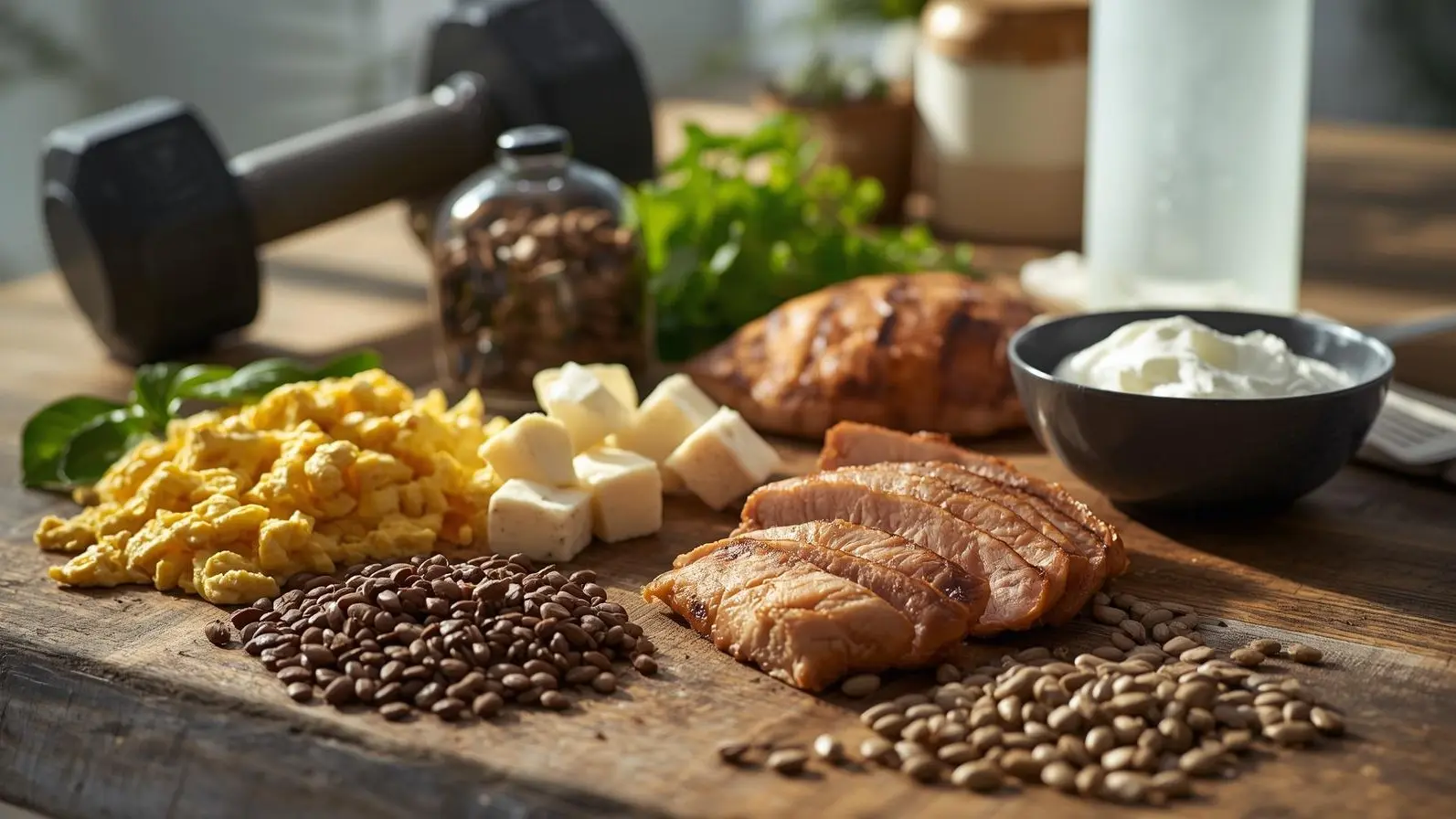
5 Real Alternatives to Protein Powder for Muscle Building
Many people believe that building muscle is impossible without using protein powder, but that’s not true. While supplements can be convenient, they are not the only way to meet your daily protein needs. In fact, whole foods often provide better nutrition because they contain vitamins, minerals, and natural nutrients that powders lack. If you prefer a more natural approach or want to avoid supplements, there are several powerful alternatives that can support your muscle growth just as effectively—if not better.
1. Eggs: A Complete and High-Quality Protein Source
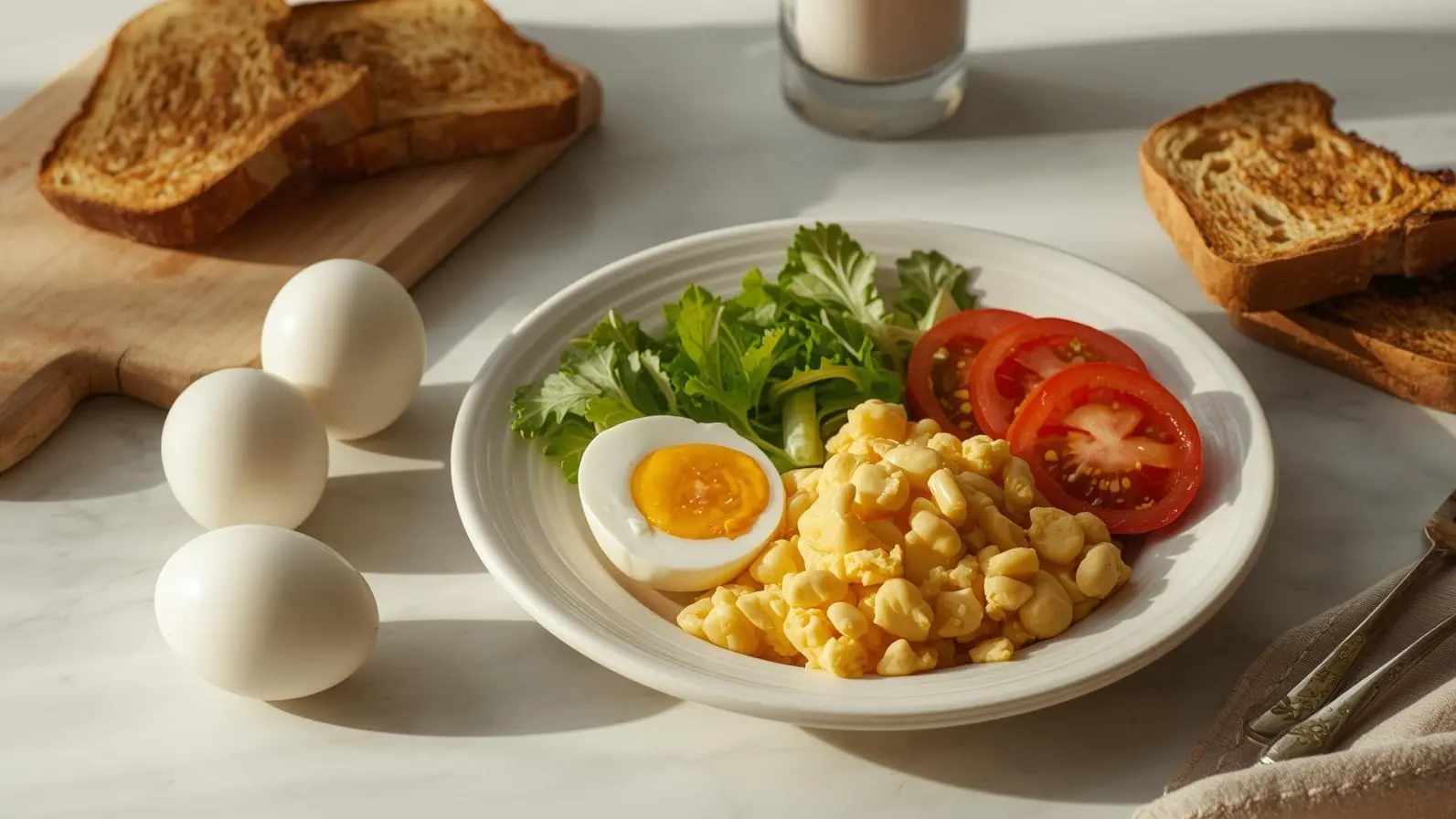
Eggs are one of the most reliable and affordable sources of high-quality protein. They contain all the essential amino acids your body needs for muscle repair and growth, making them a complete protein. The egg white is especially rich in protein, while the yolk provides healthy fats and important nutrients that support overall health. Including eggs in your daily diet, whether boiled, scrambled, or as part of a meal, can significantly help you meet your protein requirements without relying on supplements. Their easy availability and quick preparation make them a practical option for consistent use.
2. Paneer (Cottage Cheese): Slow-Digesting Protein for Recovery
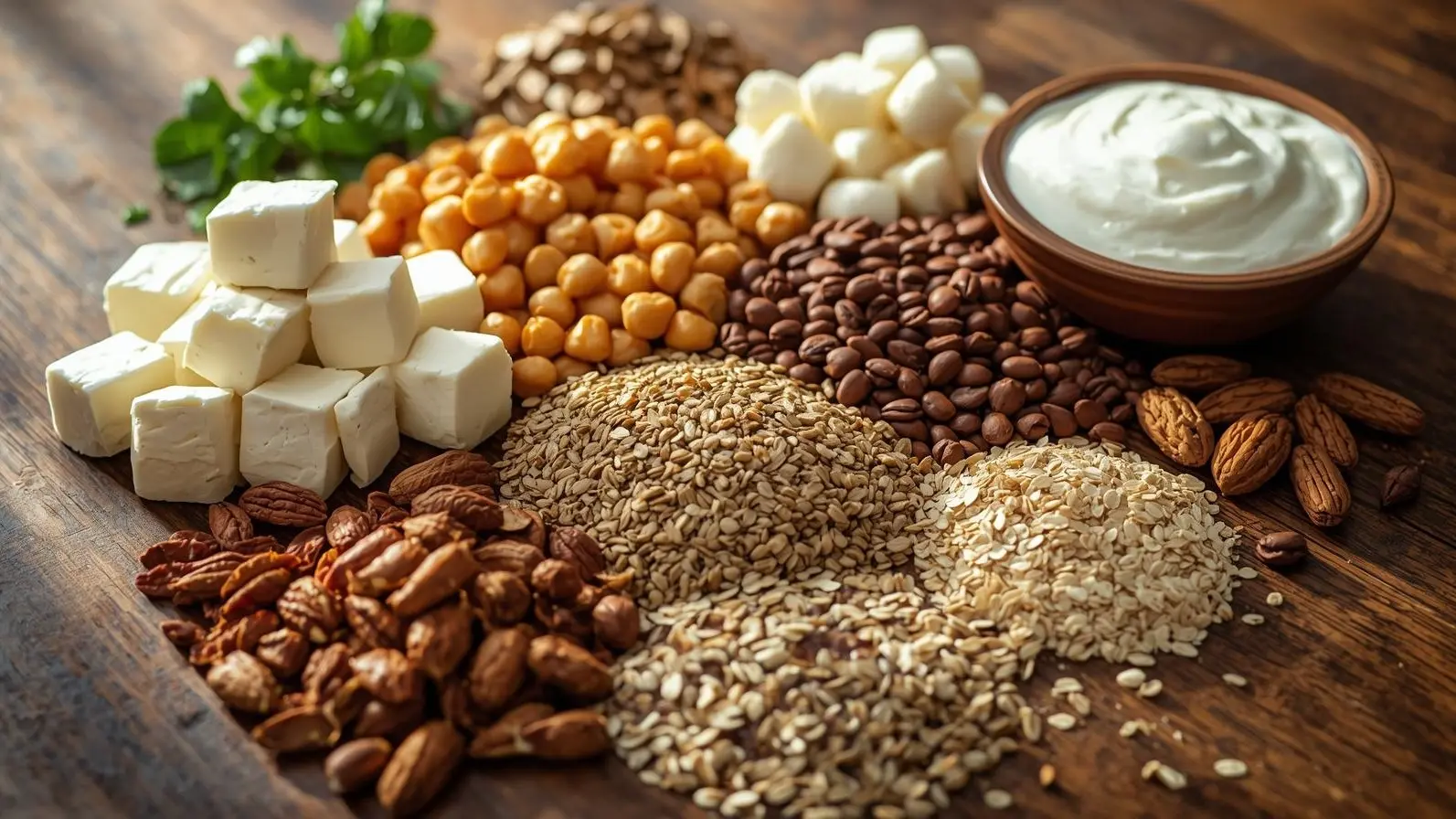
Paneer is a popular and effective vegetarian source of protein for muscle building. It is rich in casein protein, which digests slowly and provides a steady supply of amino acids to your muscles. This makes it especially useful for muscle recovery, particularly when consumed in the evening or before bed. Paneer also contains calcium and healthy fats, which support bone strength and overall fitness. Adding paneer to your meals, whether in salads, curries, or snacks, can help maintain a consistent protein intake throughout the day.
3. Greek Yogurt (or Curd): Protein with Digestive Benefits
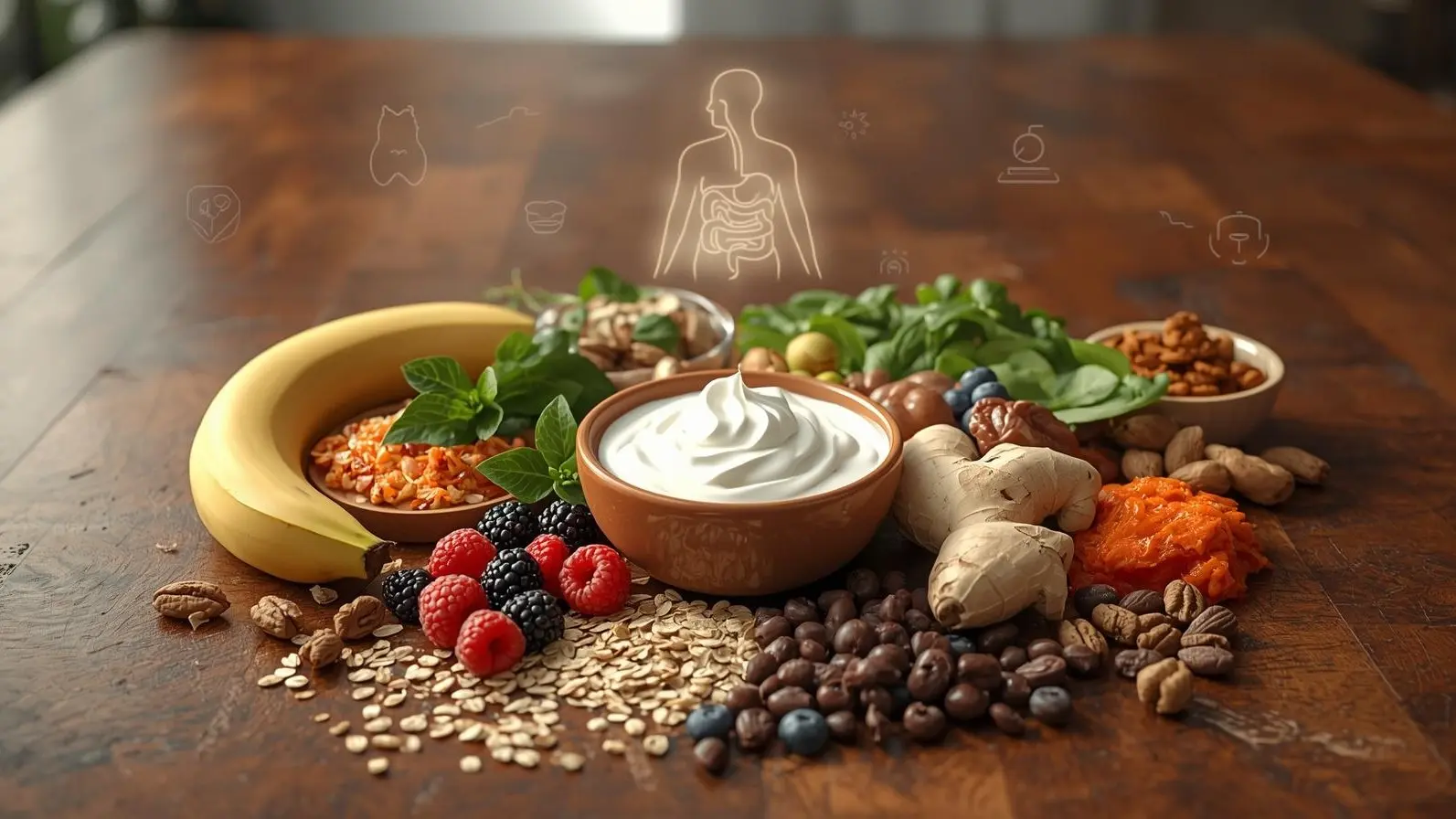
Greek yogurt, or thick curd, is another excellent alternative to protein powder. It is rich in protein and probiotics, which not only support muscle growth but also improve digestion and gut health. A healthy digestive system ensures better nutrient absorption, which is essential for building muscle effectively. Greek yogurt can be consumed on its own, mixed with fruits, or used in smoothies for a quick and nutritious meal. Its creamy texture and balanced nutrients make it a versatile addition to any diet.
4. Lentils and Legumes: Plant-Based Protein Powerhouses
Lentils, beans, and other legumes are strong sources of plant-based protein and are especially valuable for vegetarians. While they may not always be complete proteins individually, combining them with grains like rice or roti creates a balanced amino acid profile. These foods are also rich in fiber, iron, and complex carbohydrates, which provide sustained energy for workouts and recovery. Regularly including lentils in your diet not only supports muscle building but also improves overall health.
5. Chicken Breast: Lean Protein for Clean Muscle Growth
For those who consume non-vegetarian food, chicken breast is one of the best sources of lean protein. It is low in fat and high in protein, making it ideal for muscle building without excess calories. Chicken provides essential amino acids that directly support muscle repair after workouts. It can be prepared in various ways, such as grilled, boiled, or lightly cooked, making it easy to include in a balanced diet. Its high protein content and versatility make it a staple choice for fitness enthusiasts.
Why Whole Foods Can Be Better Than Protein Powders
While protein powders offer convenience, whole foods provide a more complete nutritional profile. They contain natural vitamins, minerals, and healthy fats that support not just muscle growth but overall well-being. Whole foods also reduce the risk of overconsumption or dependency on supplements. By focusing on a balanced diet, you can achieve your fitness goals in a more sustainable and natural way.
How to Build Muscle Without Supplements
Building muscle without protein powder is completely possible if you focus on consistency. Your body needs a combination of adequate protein intake, regular strength training, and proper recovery. Instead of relying on a single source, spreading your protein intake across multiple meals ensures better absorption. Staying hydrated and maintaining a balanced diet also play a key role in achieving long-term results.
Natural Nutrition Works Best
Protein powder is not a requirement for muscle building—it is just an option. Real, nutrient-rich foods can provide everything your body needs when consumed correctly. By including a variety of high-protein foods in your daily diet, you can build muscle effectively while also supporting your overall health.
In the long run, a natural and balanced approach is not only more sustainable but also more beneficial for your body.
Disclaimer
This article is for informational purposes only and does not substitute professional medical or nutritional advice. Individual dietary needs may vary.