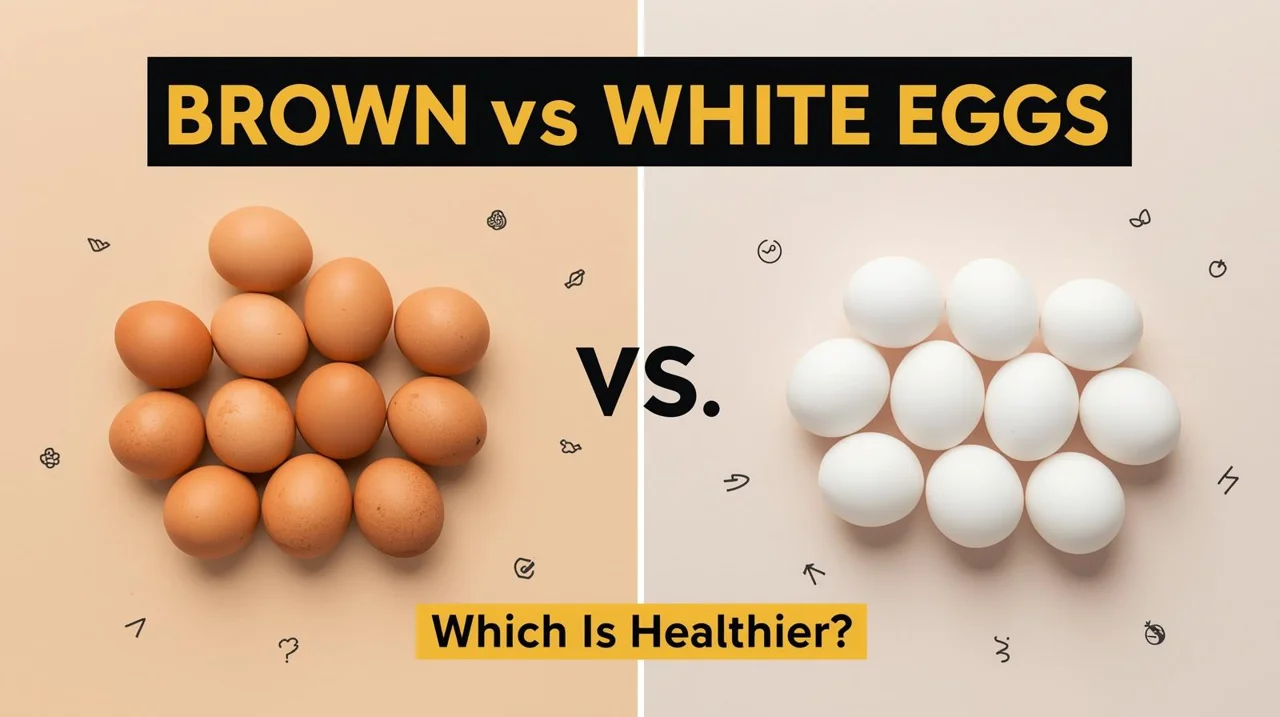
Brown Eggs vs White Eggs: Which Is Healthier? A Gastroenterologist Explains the Truth
The debate around brown eggs and white eggs has been around for years, with many people believing that brown eggs are more natural or healthier. But according to digestive health experts, including gastroenterologists, most of these beliefs are based on perception—not science.
When it comes to nutrition, the difference between brown and white eggs is far less significant than most people think.
What Actually Determines Egg Color
The color of an egg depends on the breed of the hen, not on its quality or nutritional value.
- Hens with white feathers typically lay white eggs
- Hens with brown or red feathers usually lay brown eggs
This means the shell color is purely genetic and has nothing to do with health benefits or nutritional superiority.
Nutritional Value: Almost Identical
From a nutritional standpoint, both brown and white eggs offer nearly the same benefits.
They contain:
- High-quality protein
- Essential vitamins like B12 and D
- Healthy fats
- Important minerals
There is no meaningful difference in calories, protein content, or overall nutritional value between the two. Whether the shell is brown or white, the inside remains nutritionally similar.
Why Brown Eggs Are Often More Expensive
Many people assume higher price means better quality, but that’s not always the case.
Brown eggs tend to cost more because:
- The hens that lay them are larger
- They require more feed and care
- Production costs are slightly higher
This price difference is related to farming, not health benefits.
Taste Difference: Is There Any?
Some people claim brown eggs taste better, but taste is influenced more by the hen’s diet than the egg color.
Factors affecting taste include:
- What the hen eats
- Farming conditions
- Freshness of the eggs
In most cases, the taste difference is minimal or unnoticeable.
What Really Matters for Your Health
Instead of focusing on shell color, experts suggest paying attention to quality factors that truly impact health.
Hen’s Diet
Eggs from hens fed a nutritious diet may contain slightly higher levels of certain nutrients.
Freshness
Fresh eggs are always better in taste and nutritional quality.
Farming Conditions
Free-range or well-raised hens may produce eggs with better overall quality.
These factors matter far more than whether the egg is brown or white.
Digestive Health Perspective
From a gut health point of view, both types of eggs are generally easy to digest for most people.
They provide protein that supports muscle repair and overall body function. However, individuals with sensitivities or allergies should monitor how their body reacts, regardless of egg color.
Egg preparation also plays a role—boiled or lightly cooked eggs are often easier to digest than heavily fried ones.
Common Misconceptions Cleared
- Brown eggs are not more organic by default
- White eggs are not lower in quality
- Shell color does not indicate nutrition
- Price does not always reflect health value
Understanding these facts helps consumers make informed choices without falling for marketing myths.
What Should You Choose?
The best choice depends on your preference and availability, not on shell color.
If possible, look for:
- Fresh eggs
- Eggs from trusted sources
- Good storage and handling
Both brown and white eggs can be part of a healthy diet when consumed in moderation.
Disclaimer
This article is for informational purposes only and should not be considered medical advice. Individuals with dietary restrictions or health conditions should consult a healthcare professional before making dietary changes.