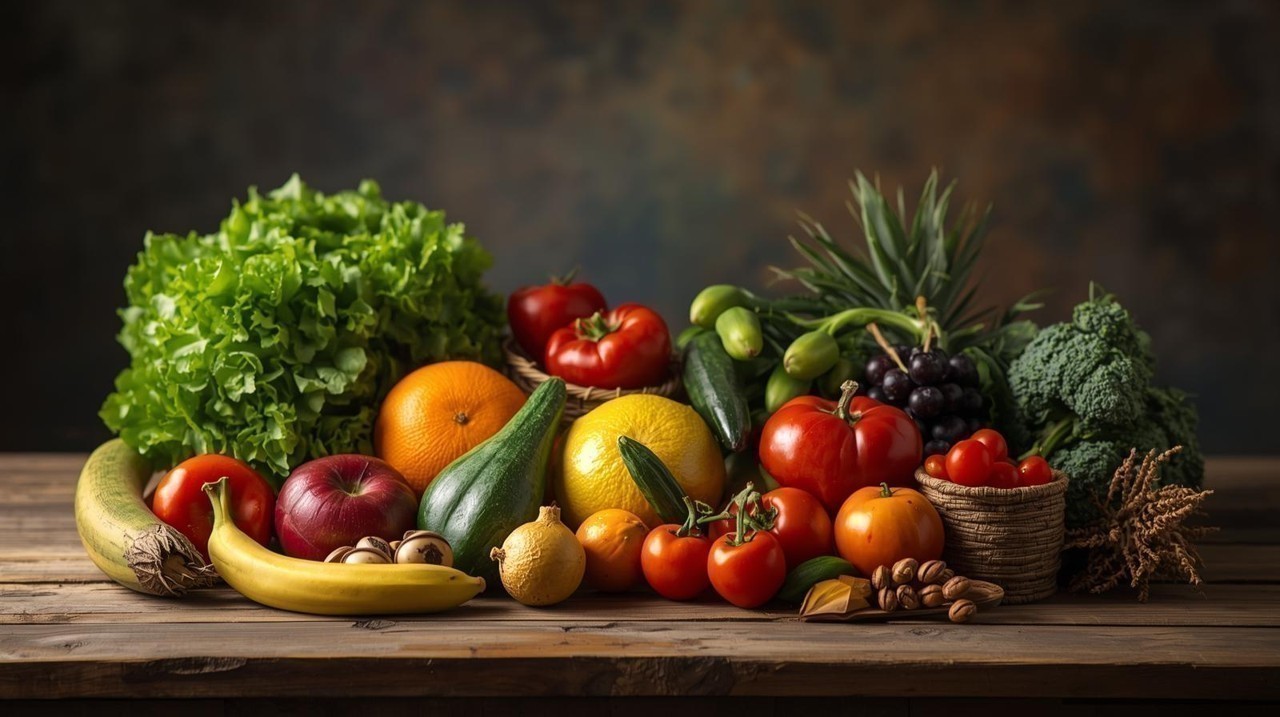
Simple Diet Tips to Stay Fit Without the Gym
In today’s fast-paced lifestyle, staying fit often feels like a challenge—especially if you don’t have time for regular gym workouts. But here’s the good news: you don’t necessarily need a gym membership to stay healthy and in shape. The key lies in maintaining a balanced diet, making smart food choices, and building sustainable eating habits.
Let’s explore simple and effective diet tips to help you stay fit and energized, even without setting foot in a gym.
1. Start Your Day with a Nutritious Breakfast
Breakfast is the foundation of your day. Skipping it can slow your metabolism and make you crave unhealthy snacks later.
Healthy breakfast ideas:
-
Oats with fruits and nuts
-
Greek yogurt with honey and seeds
-
Whole-grain toast with eggs or avocado
A good breakfast provides energy, balances blood sugar, and keeps hunger in check throughout the day.
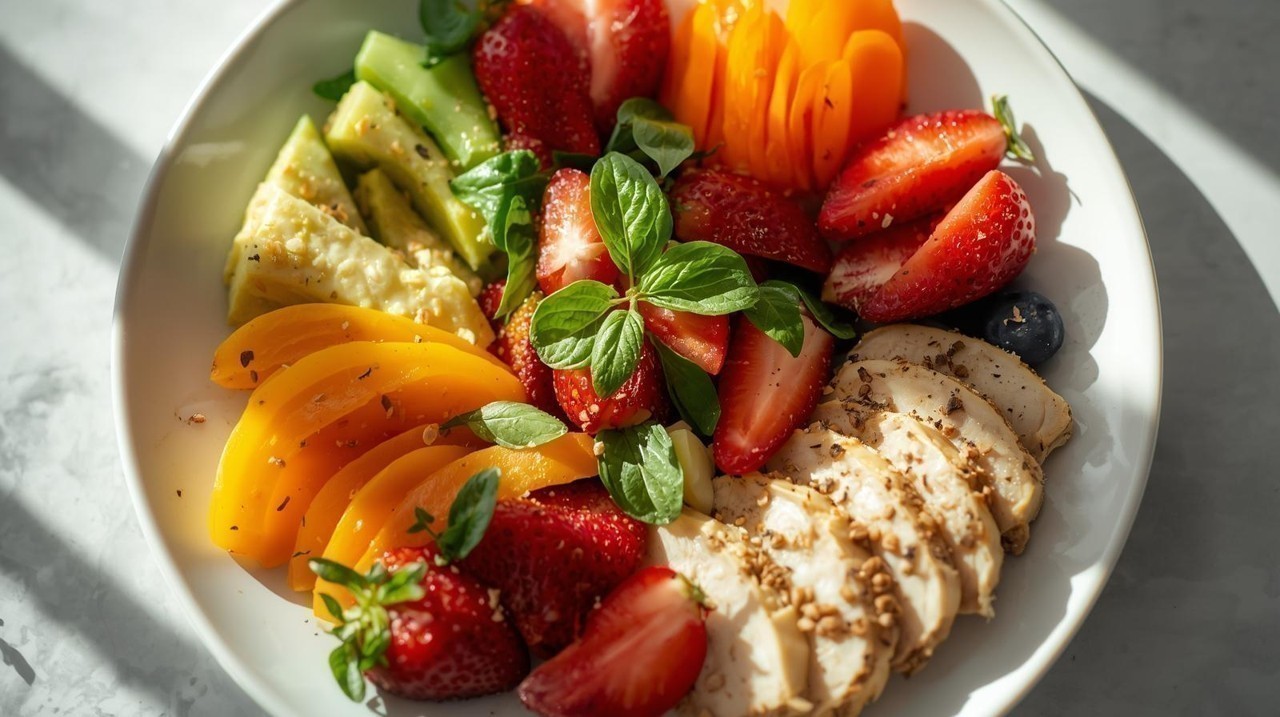
2. Focus on Whole Foods
Processed foods are often high in sugars, unhealthy fats, and additives. Instead, opt for whole, natural foods that are rich in nutrients and fiber.
Choose:
-
Fresh fruits and vegetables
-
Whole grains like brown rice or quinoa
-
Lean proteins such as fish, eggs, or lentils
Whole foods keep you full longer and provide essential vitamins and minerals your body needs to function efficiently.
3. Control Your Portion Sizes
Even healthy food can cause weight gain if eaten in large quantities. Learn to listen to your body and eat until you’re satisfied, not stuffed.
Tips to manage portions:
-
Use smaller plates to naturally reduce food intake
-
Avoid eating directly from a bag or container
-
Chew slowly and give your brain time to register fullness
Mindful eating not only helps you eat less but also improves digestion.
4. Stay Hydrated Throughout the Day
Drinking enough water is one of the simplest ways to support your health and fitness goals. Water helps regulate body temperature, improve metabolism, and flush out toxins.
Hydration tips:
-
Aim for at least 2–3 liters per day
-
Start your day with a glass of water
-
Infuse water with lemon, cucumber, or mint for added flavor
Often, people mistake thirst for hunger. Staying hydrated can prevent unnecessary snacking.
5. Eat More Protein
Protein is the building block of muscles and plays a key role in maintaining a lean body mass—even without gym workouts. It also keeps you full for longer periods.
Good protein sources:
-
Eggs, chicken, and fish
-
Greek yogurt or paneer
-
Beans, lentils, and chickpeas
Including protein in every meal supports fat loss and muscle repair, keeping you strong and fit.
6. Limit Sugar and Refined Carbs
Sugary snacks and refined carbs cause quick spikes in blood sugar, leading to energy crashes and fat storage.
Avoid or limit:
-
Soft drinks, sweets, and pastries
-
White bread, pasta, and fried snacks
Instead, choose complex carbs like oats, millet, or whole-wheat alternatives that release energy slowly and keep you feeling satisfied longer.
7. Include Healthy Fats
Not all fats are bad. In fact, healthy fats are essential for heart health, brain function, and hormone balance.
Good fat sources include:
-
Avocados
-
Olive oil and nuts
-
Fatty fish like salmon
Use them in moderation to enhance your meals and improve satiety.
8. Don’t Skip Meals
Skipping meals may seem like a shortcut to losing weight, but it often backfires. It slows your metabolism and increases cravings later in the day.
Instead:
Eat small, balanced meals every 3–4 hours to maintain steady energy levels and prevent overeating.
9. Snack Smartly
Snacking doesn’t have to mean junk food. Choosing nutritious snacks can keep your metabolism active and hunger under control.
Healthy snack options:
-
Handful of almonds or walnuts
-
Fresh fruit or veggie sticks
-
Yogurt or boiled eggs
Smart snacking supports your fitness goals without adding unnecessary calories.
10. Plan and Prep Your Meals
Meal planning saves time, reduces unhealthy food choices, and ensures nutritional balance.
Try this routine:
-
Plan weekly meals and grocery lists
-
Prep ingredients or cook in bulk
-
Store in containers for easy access
Consistency is the secret to long-term health success—planning helps you stay committed.
11. Avoid Late-Night Eating
Your body’s metabolism slows down at night, and eating heavy meals before bed can lead to weight gain.
Tip:
Try to finish your last meal at least 2–3 hours before sleeping. If you feel hungry late at night, go for something light like herbal tea or a few nuts.
12. Listen to Your Body
Every person’s metabolism and dietary needs are different. Pay attention to how your body reacts to different foods and adjust accordingly.
Remember:
Fitness is not about strict diets—it’s about balance and sustainability.
Staying fit doesn’t always require a gym membership or intense workouts. By following simple diet habits—like eating whole foods, staying hydrated, and controlling portions—you can achieve a healthy, active lifestyle from the comfort of your home.
Consistency matters more than perfection.
Small, mindful changes in your daily eating habits can make a big difference over time, helping you feel energetic, confident, and fit—without ever stepping into a gym.