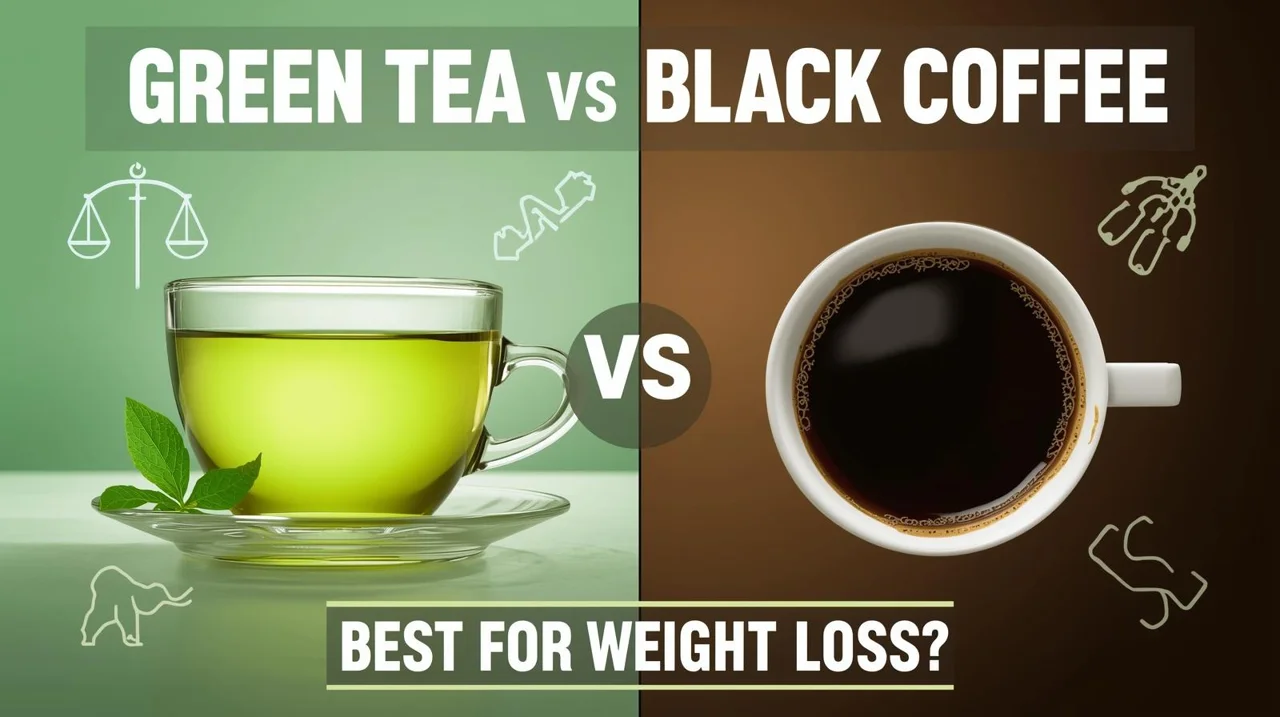
Trying to Lose Weight? Here’s What to Choose Between Green Tea and Black Coffee
When it comes to weight loss, small daily choices can make a big difference—and one of the most common questions people ask is whether green tea or black coffee is the better option. Both are popular, low-calorie drinks known for boosting metabolism and supporting fat loss. But they work differently inside the body, and the right choice depends on your lifestyle, tolerance, and overall health goals.
If you’re trying to lose weight, understanding how each drink affects your metabolism, appetite, and energy levels can help you make a smarter decision rather than following trends blindly.
How Green Tea Supports Weight Loss
Green tea is often associated with gentle and steady fat-burning support. It contains antioxidants called catechins, particularly EGCG, which may help improve metabolism and increase fat oxidation over time.
One of the biggest advantages of green tea is that it works gradually and consistently. It does not create sudden spikes in energy but supports the body in a more balanced way.
Regular consumption may help:
- Improve fat metabolism over time
- Support digestion and reduce bloating
- Provide mild appetite control
- Offer antioxidants that support overall health
Because of its lower caffeine content, green tea is also easier on the stomach and less likely to cause side effects like jitters or sleep disturbance.
How Black Coffee Helps Burn Fat Faster
Black coffee, on the other hand, is known for its strong and immediate effect. It contains a higher amount of caffeine, which stimulates the nervous system and temporarily increases metabolic rate.
This makes it particularly effective for:
- Boosting energy levels quickly
- Enhancing workout performance
- Increasing calorie burn for a short period
- Reducing appetite temporarily
Many people prefer black coffee before workouts because it can improve endurance and focus, helping them train harder and burn more calories.
The Key Difference: Slow vs Fast Impact
The biggest difference between the two comes down to how they work.
- Green tea = slow, steady, long-term support
- Black coffee = fast, short-term metabolic boost
Green tea fits better into a lifestyle approach, while black coffee works more like a quick performance enhancer.
Which One Is Better for Fat Loss?
There is no single “winner” because both can support weight loss in different ways.
Choose green tea if you:
- Prefer a gentle, long-term approach
- Are sensitive to caffeine
- Want added health benefits like better digestion and antioxidants
Choose black coffee if you:
- Need a quick energy boost
- Work out regularly and want better performance
- Can tolerate higher caffeine without side effects
Things That Can Affect Your Results
No drink alone can cause weight loss. The effectiveness of green tea or black coffee depends on how they fit into your overall routine.
Important factors include:
- Diet and calorie intake
- Physical activity level
- Sleep quality
- Consistency in habits
Adding sugar, cream, or flavored syrups can cancel out the benefits, especially in coffee.
Possible Side Effects to Watch
While both drinks are generally safe, overconsumption can cause issues.
Green tea (in excess):
- Mild digestive discomfort
- Reduced iron absorption
Black coffee (in excess):
- Anxiety or restlessness
- Sleep disturbances
- Increased heart rate
Moderation is key to getting benefits without side effects.
Can You Drink Both?
Yes, many people include both in their routine.
- Green tea during the day for steady support
- Black coffee before workouts for energy
This combination can work well if caffeine intake is managed properly.
What Actually Helps You Lose Weight
At the end of the day, both drinks are just tools. Weight loss depends more on overall lifestyle habits than on any single beverage.
- A calorie deficit is essential
- Regular physical activity matters
- Consistency is more important than quick fixes
Green tea and black coffee can support the process—but they cannot replace it.
Disclaimer
This article is for informational purposes only and should not be considered medical advice. Individual responses may vary. Consult a healthcare professional for personalized guidance.