The Hidden Sugar in Everyday Meals You Think Are Safe
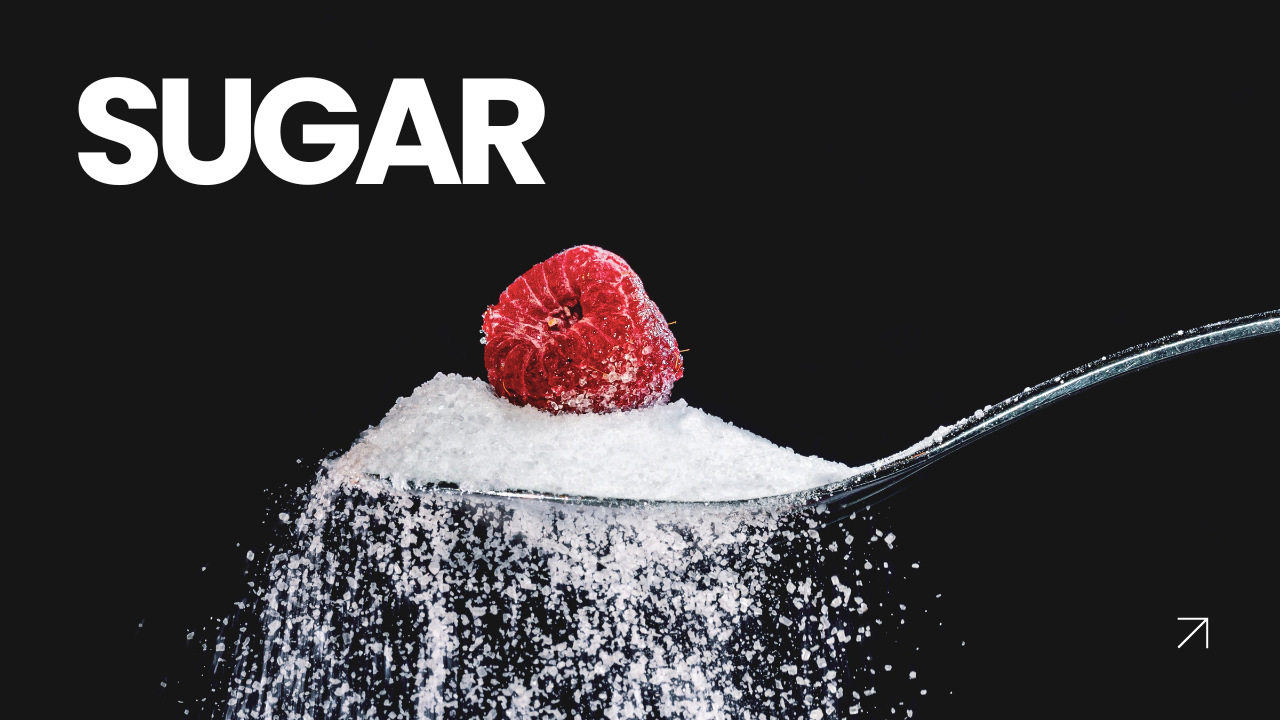
Most people believe sugar problems come from desserts, soft drinks, and obvious sweets. In reality, a large portion of daily sugar intake comes from foods we consider healthy, normal, or harmless. These hidden sugars quietly affect energy levels, weight, hormones, skin, gut health, and long-term metabolic stability.
This guide explains where hidden sugar actually comes from, why it’s added, how it affects your body, and how to reduce it without extreme dieting. Understanding this is essential in a time when lifestyle diseases are rising even among people who “eat clean.”
Why Hidden Sugar Is More Dangerous Than Obvious Sugar
Visible sugar triggers caution. Hidden sugar does not.
The real problem
-
You don’t feel like you’re overeating sugar
-
Portion sizes feel normal
-
Cravings increase without clear reason
-
Blood sugar spikes go unnoticed
-
Daily intake crosses safe limits unknowingly
This makes hidden sugar more damaging than the occasional dessert.
How Sugar Gets Into “Safe” Foods
Food manufacturers add sugar for reasons beyond sweetness.
Reasons sugar is added
-
Improves taste of processed ingredients
-
Enhances shelf life
-
Balances acidity
-
Improves texture
-
Increases repeat consumption
Even foods marketed as “healthy” may contain sugar for these reasons.
Breakfast Foods That Contain Hidden Sugar
Breakfast is one of the largest sources of unintentional sugar intake.
Packaged cereals and granola
Even cereals labeled as “high fiber,” “whole grain,” or “kids-friendly” can contain multiple teaspoons of sugar per serving.
Flavored yogurt
Fruit-flavored yogurts often contain more sugar than desserts, even when marketed as probiotic or low-fat.
Breakfast bars and energy bars
Many contain syrups, honey, maltodextrin, or fruit concentrates that spike blood sugar quickly.
Flavored oats and instant porridge
Pre-flavored oats can double or triple sugar intake compared to plain oats.
Sauces, Dressings, and Condiments You Use Daily
Condiments are small in quantity but highly concentrated sources of sugar.
Ketchup and tomato sauces
Often contain added sugar to balance acidity, even when tomatoes are naturally sweet.
Salad dressings
Low-fat dressings usually replace fat with sugar for taste.
Barbecue and stir-fry sauces
These frequently include multiple sugar sources under different names.
Chutneys and spreads
Even savory versions often include added sweeteners.
Small daily usage adds up quickly.
Bread, Bakery, and “Healthy” Baked Goods
Bread is not always neutral.
Packaged bread
Many commercial breads contain sugar to improve texture and shelf life.
Brown and multigrain bread
These are not automatically sugar-free. Some contain as much sugar as white bread.
Muffins and savory bakery items
Often marketed as “light” or “wholesome” but still contain sugar for softness.
Ready-to-Eat and Convenience Foods
Busy lifestyles increase reliance on convenience foods.
Ready meals
Even savory meals may include sugar for flavor balance.
Frozen foods
Sugar helps preserve taste after freezing.
Instant soups
Often contain sugar alongside high sodium.
These foods feel safe because they are not sweet, but the sugar is still there.
Beverages That Seem Harmless
Liquid sugar is absorbed faster and causes stronger spikes.
Fruit juices
Even 100% fruit juice lacks fiber and delivers sugar rapidly.
Smoothies
Store-bought smoothies often include fruit concentrates or syrups.
Flavored milk
Contains added sugar even when protein-rich.
Sports and energy drinks
Marketed for hydration but often loaded with sugar.
“Health” and Diet Products With Hidden Sugar
Diet labels can be misleading.
Low-fat products
Sugar is often added to compensate for reduced fat.
Protein shakes
Many contain added sweeteners despite high protein content.
Meal replacement drinks
May contain more sugar than balanced meals.
Health marketing does not equal low sugar.
The Many Names of Sugar on Labels
Hidden sugar is often disguised.
Common sugar aliases
-
Sucrose
-
Glucose
-
Fructose
-
Maltose
-
Dextrose
-
Corn syrup
-
Rice syrup
-
Fruit concentrate
-
Cane juice
Multiple sugar sources may appear lower on ingredient lists but still add up.
How Hidden Sugar Affects Your Body Over Time
Hidden sugar impacts more than weight.
Blood sugar instability
Frequent spikes lead to crashes, fatigue, and cravings.
Insulin resistance
Long-term exposure increases risk of metabolic disorders.
Inflammation
Excess sugar fuels chronic inflammation.
Skin issues
Acne, dullness, and premature aging worsen.
Gut imbalance
Sugar feeds harmful gut bacteria.
These effects accumulate silently.
Why You Crave Sugar Even When You Eat “Healthy”
Hidden sugar trains your brain.
The cycle
-
Sugar increases dopamine
-
Dopamine reinforces craving
-
Craving leads to more processed foods
-
Sugar intake increases unknowingly
Breaking this cycle requires awareness, not willpower.
How Much Sugar Is Actually Too Much
Most people exceed recommended limits unknowingly.
Daily reality
Hidden sugar often pushes intake beyond safe levels before desserts are even added.
This increases long-term health risks without obvious warning signs.
How to Reduce Hidden Sugar Without Extreme Dieting
You don’t need to eliminate all sugar.
Choose plain versions
Plain yogurt, plain oats, plain milk give control back.
Read ingredient lists
Check the first five ingredients carefully.
Cook more at home
Home cooking reduces hidden additives naturally.
Use natural sweetness wisely
Whole fruits provide fiber that slows sugar absorption.
Reduce gradual dependence
Lowering sugar slowly prevents withdrawal cravings.
Smarter Swaps That Actually Work
-
Plain yogurt + fruit instead of flavored yogurt
-
Homemade dressing instead of bottled
-
Whole fruit instead of juice
-
Plain nuts instead of flavored ones
These swaps maintain satisfaction without excess sugar.
Teaching Children About Hidden Sugar
Children consume hidden sugar early.
Why this matters
Early exposure shapes taste preferences and long-term habits.
Teaching label reading and balanced meals protects future health.
Why Awareness Matters More Than Perfection
The goal is not zero sugar. It is informed choice.
Once you recognize hidden sugar, you naturally:
-
Feel more energetic
-
Experience fewer cravings
-
Improve digestion
-
Support long-term health
Small changes create lasting impact.
Final Perspective on Hidden Sugar
Hidden sugar is not about blame or fear. It’s about understanding how modern food systems work and reclaiming control. You don’t need extreme restrictions—just clarity, consistency, and better choices.
Your meals should fuel you, not quietly drain your health.
Disclaimer
This article is intended for informational and educational purposes only and does not constitute medical or nutritional advice. Dietary needs and health conditions vary by individual. Readers should consult a qualified healthcare or nutrition professional before making significant dietary changes, especially if managing medical conditions such as diabetes or metabolic disorders.