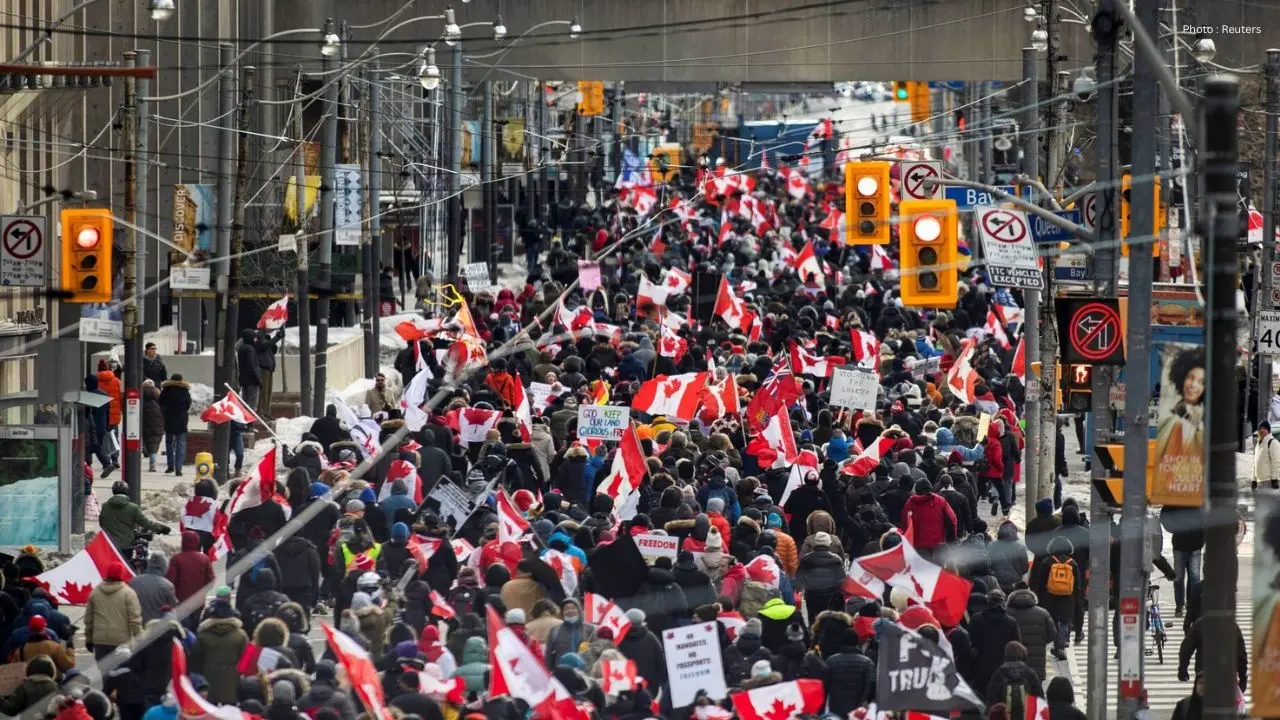
The conversation surrounding Alberta's potential separation from Canada is reigniting crucial legal and political considerations, chiefly concerning Indigenous rights, which are proving to be significant hurdles for any secession efforts. Analysts, alongside Indigenous representatives and constitutional law experts, argue that Alberta cannot embark on leaving Canada without addressing pre-existing treaty commitments, land rights, and protections linked to First Nations throughout the province.
This discussion gained momentum after Premier Danielle Smith suggested the possibility of a referendum to reassess Alberta’s place within Canada should public sentiment shift in favor. Although no formal process is underway, her remarks have stirred national dialogue regarding the legal feasibility of a province's separation and the obstacles likely encountered along the way.
Central to these discussions are the treaties formed between Indigenous nations and the Crown long before Alberta was established as a province. Leaders from various First Nations maintain that the agreements were made with the federal government, not Alberta's provincial authorities, asserting that Alberta cannot independently move toward separation without their consent, involvement, and the protection of rights enshrined in the Canadian Constitution.
Many Indigenous figures in Alberta have voiced significant opposition to secession talk, stating that discussions of this nature took place without consultation with First Nations communities. They emphasize that their rights must be acknowledged amidst political rhetoric concerning Alberta’s sovereignty. Some chiefs have clarified that treaty lands are not the property of the Alberta government and cannot simply be attributed to an independent Alberta without formal negotiations with both Indigenous nations and the federal government.
Legal professionals note that Section 35 of the Canadian Constitution grants substantial protections for Indigenous rights, affirming existing Aboriginal and treaty rights. Scholars suggest that any move toward Alberta’s secession could lead to extensive court disputes regarding land, resource management, governance, and treaty fulfillments. It has been underscored by several Supreme Court decisions that the federal government has a duty to consult Indigenous groups on significant constitutional issues.
The complexities are further deepened by the fact that numerous Indigenous territories stretch beyond Alberta's boundaries into other parts of Canada. Experts warn that the separation discussion could spark disputes over jurisdiction, resource allocation, and cross-treaty movement. Additionally, queries about federal funding, healthcare management, and policing, currently administered through federal systems, would arise.
Political analysts believe that strong Indigenous resistance could undermine both public and legal backing for Alberta's secession interests. They contend that any proposal for separation would necessitate complex negotiations between Ottawa, local leaders, Indigenous representatives, courts, and possibly international legal entities. Many analysts posit that Indigenous treaty rights significantly amplify the challenges tied to separation than some political proponents may acknowledge.
The ongoing debate also unveils broader tensions between political movements in western Canada and the assertion of Indigenous sovereignty. Some advocates for Alberta's separation claim the need for increased provincial control over natural resource management and economic policies, particularly regarding oil and gas. In contrast, Indigenous communities are increasingly asserting their authority over traditional lands and related resource endeavors, complicating the political narrative further.
Federal authorities in Ottawa have generally minimized the likelihood of Alberta's departure from Canada, yet legal analyses are ongoing to comprehend the constitutional ramifications of a potential future referendum or political initiative. Experts frequently reference the Supreme Court’s 1998 ruling on Quebec’s secession, which upheld that provinces cannot unilaterally separate from Canada and must negotiate with all relevant parties.
As discussions progress, Indigenous leaders in Alberta are advocating for greater acknowledgment of treaty rights and insisting on meaningful dialogue concerning the province's trajectory. Observers indicate that the rising emphasis on protecting Indigenous constitutional rights is solidifying into a formidable legal and political barrier against any serious attempts at Alberta’s secession.