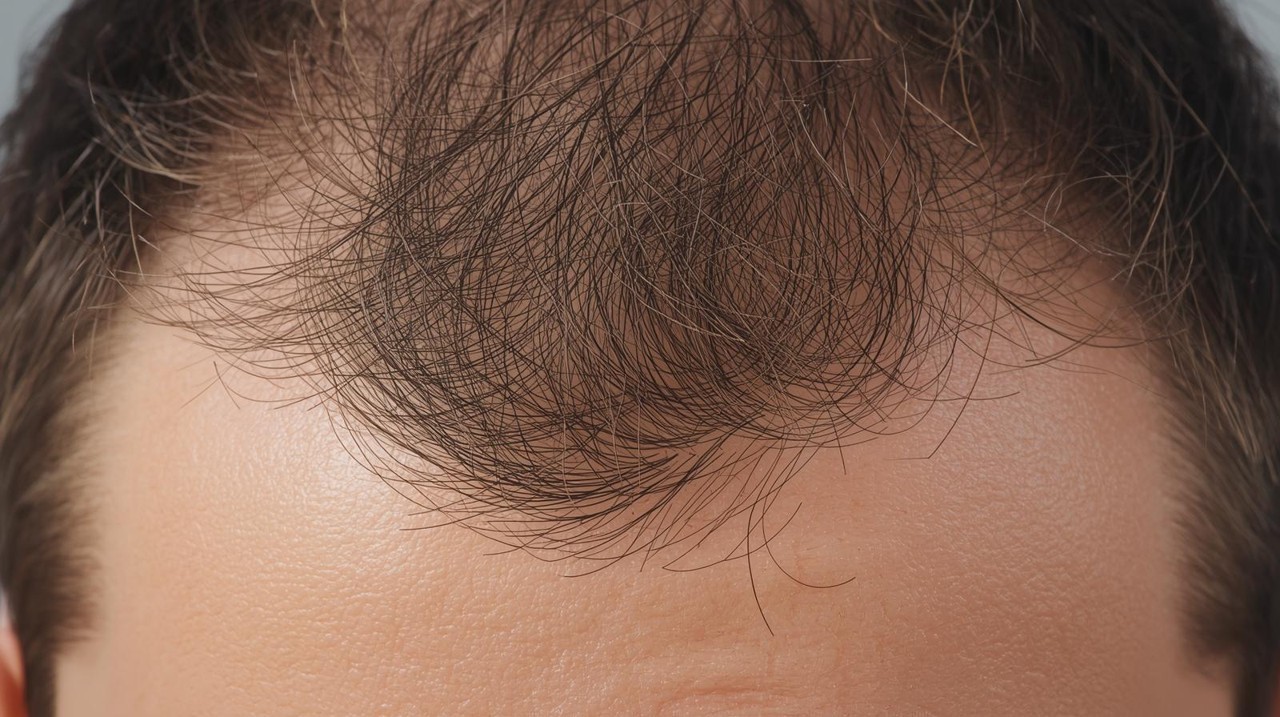
Solutions for Hair Thinning and Hair Loss: A Complete Guide to Regaining Healthy Hair
Hair thinning and hair loss affect millions of people worldwide — men and women alike. While some hair shedding is completely normal, excessive hair fall or thinning can be distressing and impact one’s confidence.
The good news? Modern science, nutrition, and proper care have made it easier than ever to control hair loss and promote regrowth naturally and medically. This detailed guide explores the causes, treatments, and preventive solutions to help you restore stronger, thicker, and healthier hair.
1. Understanding Hair Thinning and Hair Loss
Before finding the right solution, it’s important to understand what’s happening beneath the surface.
Hair Thinning
Refers to gradual hair density reduction — when individual strands become finer and scalp visibility increases.
Hair Loss (Alopecia)
Occurs when hair falls out in larger quantities or fails to regrow. It can be temporary or permanent, depending on the cause.
Normal hair shedding: Losing 50–100 strands per day is normal.
Excessive shedding: Anything above that, especially with visible scalp patches, signals an underlying issue.
2. Common Causes of Hair Thinning and Hair Loss
1. Hormonal Changes
-
Menopause, pregnancy, thyroid disorders, and PCOS can all disrupt hormone levels and cause hair loss.
-
Elevated levels of DHT (dihydrotestosterone) — a testosterone byproduct — shrink hair follicles and lead to pattern baldness.
2. Nutritional Deficiencies
-
Lack of iron, zinc, biotin, vitamin D, and protein weakens hair structure.
-
Crash diets and poor nutrition limit the body’s ability to nourish hair follicles.
3. Stress and Lifestyle Factors
-
Chronic stress triggers telogen effluvium, where more hair shifts into the shedding phase.
-
Irregular sleep, smoking, and alcohol consumption can worsen hair health.
4. Genetic Factors
-
Androgenetic alopecia (male or female pattern baldness) is hereditary and one of the most common causes of hair loss.
5. Poor Hair Care Practices
-
Frequent use of heat styling, chemical treatments, and tight hairstyles can damage follicles.
6. Medical Conditions and Medications
-
Autoimmune diseases like alopecia areata, or medications for hypertension and cancer, may trigger hair loss.
Understanding the cause is the first step toward the right treatment approach.
3. Natural Remedies for Hair Thinning
If your hair loss is mild or due to temporary causes like stress or poor nutrition, natural remedies can work effectively.
1. Balanced Nutrition
Include hair-boosting nutrients in your daily diet:
-
Protein: Eggs, fish, tofu, and lentils strengthen hair shafts.
-
Iron: Spinach, red meat, and beans enhance blood flow to follicles.
-
Omega-3 fatty acids: Found in walnuts, chia seeds, and salmon for scalp nourishment.
-
Biotin and Zinc: Support keratin production for stronger strands.
2. Scalp Massage with Oils
Massaging the scalp improves blood circulation and stimulates hair follicles.
Try oils like:
-
Coconut oil: Strengthens hair and prevents protein loss.
-
Castor oil: Rich in ricinoleic acid, promoting growth.
-
Rosemary oil: Scientifically proven to encourage regrowth.
-
Onion juice: Enhances blood flow and may reduce patchy hair loss.
Massage gently in circular motions for 5–10 minutes, 2–3 times a week.
3. Herbal Treatments
Natural ingredients like aloe vera, hibiscus, fenugreek (methi), and amla have been used for centuries to strengthen hair roots and reduce breakage.
4. Medical and Professional Treatments for Hair Loss
When natural remedies aren’t enough, advanced dermatological treatments can provide excellent results.
1. Minoxidil (Topical Treatment)
-
FDA-approved for both men and women.
-
Promotes hair growth by widening blood vessels and revitalizing follicles.
-
Available in 2%–5% strengths as foam or liquid.
2. Finasteride (For Men)
-
Oral medication that blocks DHT, the hormone responsible for male pattern baldness.
-
Slows hair loss and supports regrowth.
(Note: Only for men; consult a doctor before use.)
3. PRP (Platelet-Rich Plasma) Therapy
-
A revolutionary, minimally invasive treatment.
-
Your own blood is processed to extract plasma rich in growth factors, which is then injected into the scalp.
-
Stimulates dormant follicles and boosts natural regrowth.
4. GFC (Growth Factor Concentrate) Therapy
-
A newer and more advanced version of PRP.
-
Uses extracted growth factors for faster, more targeted hair regrowth with reduced downtime.
5. Low-Level Laser Therapy (LLLT)
-
Uses red light to stimulate follicles and increase blood circulation.
-
Painless and suitable for both men and women.
6. Hair Transplant Surgery
-
Ideal for permanent hair restoration in bald areas.
-
Techniques like FUE (Follicular Unit Extraction) and FUT (Follicular Unit Transplantation) offer natural-looking results.
Always consult a qualified dermatologist or trichologist to choose the best treatment based on your scalp condition and medical history.
5. Lifestyle and Hair Care Tips to Prevent Hair Loss
1. Follow a Consistent Hair Care Routine
-
Use mild, sulfate-free shampoos to avoid stripping natural oils.
-
Condition regularly to prevent dryness and breakage.
-
Avoid washing hair with very hot water.
2. Limit Heat and Chemical Damage
-
Minimize use of straighteners, curlers, and blow dryers.
-
If you must use heat, apply a heat protectant spray.
-
Avoid harsh chemical treatments like bleaching or frequent coloring.
3. Manage Stress Effectively
-
Chronic stress is one of the top hidden causes of hair fall.
-
Practice yoga, meditation, deep breathing, or physical exercise.
4. Sleep and Hydration
-
Get at least 7–8 hours of sleep per night to support natural repair.
-
Drink enough water to keep your scalp hydrated and healthy.
5. Regular Scalp Exfoliation
-
Use gentle scrubs or products containing salicylic acid once a week to remove buildup and allow follicles to breathe.
6. Advanced Nutritional Support for Hair Growth
Sometimes diet alone isn’t enough — especially if your hair thinning is severe or long-term. In such cases, supplements can help bridge nutritional gaps.
Key supplements include:
-
Biotin (Vitamin B7): Strengthens hair structure.
-
Vitamin D: Essential for new follicle formation.
-
Iron and Zinc: Prevent breakage and promote growth.
-
Collagen peptides: Support hair and skin elasticity.
-
Omega-3 & Omega-6 fatty acids: Nourish follicles from within.
(Always consult your healthcare provider before starting supplements.)
7. When to See a Specialist
If your hair loss is sudden, patchy, or accompanied by scalp itching or inflammation, it’s best to consult a dermatologist immediately.
Seek professional help if you experience:
-
Sudden clumps of hair falling out
-
Bald patches or circular areas of thinning
-
Redness, irritation, or scaling on the scalp
-
Family history of baldness with rapid progression
Early diagnosis improves the success rate of treatment significantly.
8. Long-Term Hair Health Maintenance
Once your hair starts improving, consistency is key.
-
Continue nutrient-rich diets and scalp massages.
-
Schedule regular trims to remove split ends.
-
Protect hair from sun exposure and pollution using scarves or caps.
-
Stay patient — hair regrowth takes time (typically 3–6 months for visible results).
Conclusion
Hair thinning and hair loss can feel overwhelming, but with the right approach, reversing and preventing it is entirely possible. Whether you choose natural remedies, medical treatments like PRP and GFC, or lifestyle adjustments, the key lies in consistency, nutrition, and scalp care.
Healthy hair begins from within — nourish your body, reduce stress, and follow a mindful routine that supports both your scalp and overall well-being. Over time, your efforts will reflect in thicker, stronger, and more radiant hair.