Oil Prices Surge as Donald Trump Issues Fresh Ultimatum on Strait of Hormuz; Brent Nears $111
Global oil markets have entered a fresh phase of volatility as tensions intensify around the strategically critical Strait of Hormuz. Prices have surged sharply, with Brent crude nearing $111, signaling renewed fears of supply disruption and geopolitical escalation. The latest trigger comes from strong statements and a renewed ultimatum issued by Donald Trump, which has added uncertainty to an already fragile global energy environment.
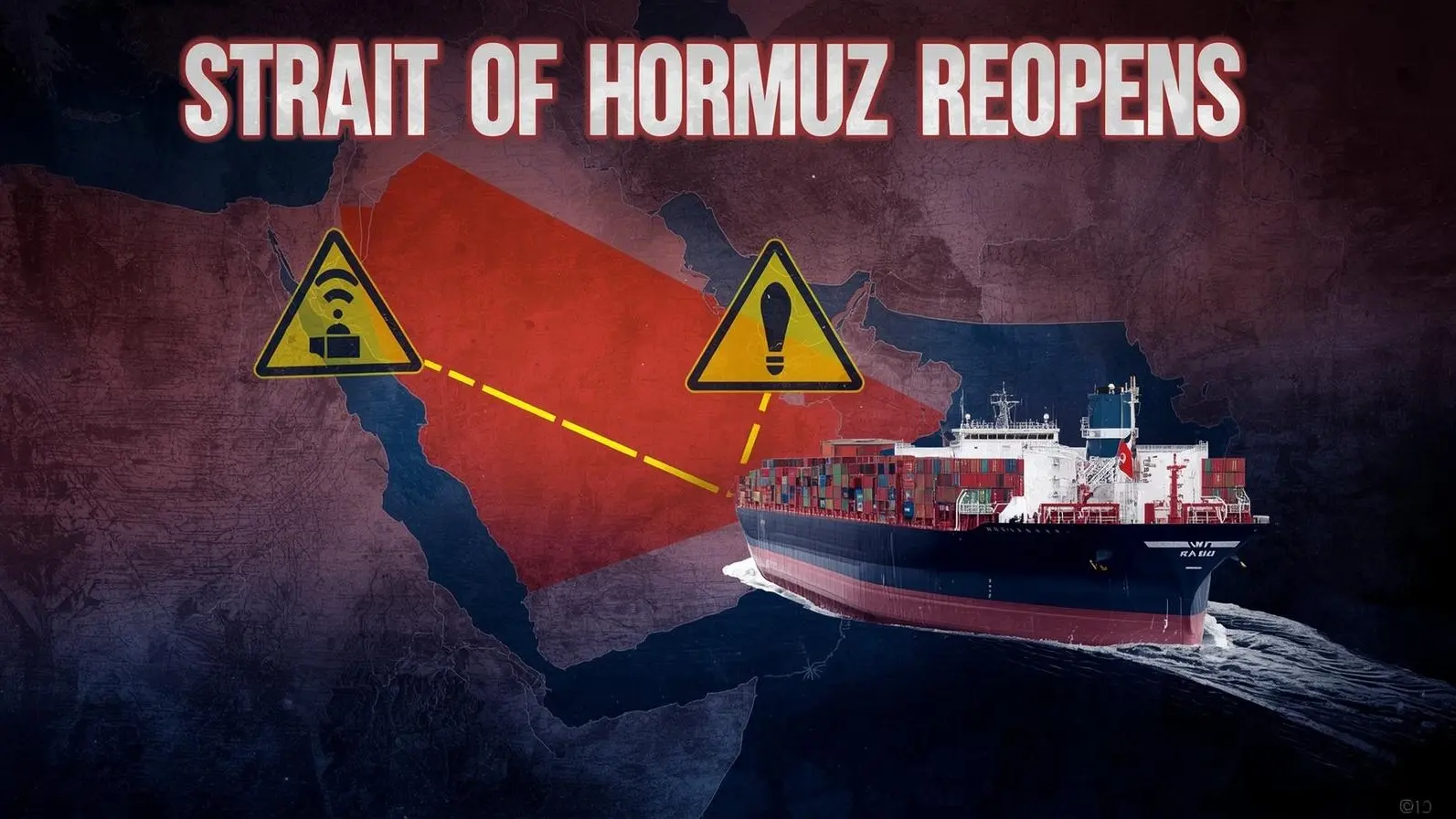
The Strait of Hormuz is not just another maritime route—it is one of the most vital oil transit chokepoints in the world. A significant portion of global crude oil supply passes through this narrow waterway connecting the Persian Gulf to international markets. Any threat to its stability immediately sends shockwaves across energy markets, shipping industries, and global economies.
What is unfolding now is not just a temporary price spike, but a reflection of deeper geopolitical tensions that are once again putting global oil supply chains at risk.
Why the Strait of Hormuz Matters So Much
To understand the seriousness of the situation, it’s important to grasp the strategic importance of the Strait of Hormuz. Nearly one-fifth of the world’s oil supply passes through this narrow passage every day. Major oil-producing countries in the Gulf region rely heavily on this route to export crude to global markets.
Even a slight disruption—whether real or perceived—can lead to immediate reactions:
- Oil traders begin pricing in risk
- Shipping insurance costs increase
- Freight movement slows down
- Global supply chains face uncertainty
The current situation has revived concerns that any escalation in the region could lead to partial or full disruption of this critical route.
Impact of Trump’s Ultimatum on Market Sentiment
The recent remarks and ultimatum issued by Donald Trump have significantly influenced market psychology. Even without immediate physical disruption, strong political messaging can alter expectations.
Markets react not only to events but also to perceived risks. In this case:
- Traders anticipate possible military or strategic actions
- Energy companies prepare for supply uncertainty
- Governments begin contingency planning
This has created a ripple effect where oil prices climb not just due to current shortages, but due to fear of future disruption.
Why Brent Crude Nearing $111 Is a Big Deal
Brent crude approaching $111 is a significant milestone because it reflects both supply concerns and broader economic implications.
At this price level:
- Fuel costs rise globally
- Transportation becomes more expensive
- Manufacturing and logistics costs increase
- Inflationary pressure intensifies
For many countries, especially import-dependent economies, rising oil prices directly impact economic stability. Higher fuel prices often translate into increased costs for goods and services, affecting everyday consumers.
Global Economic Ripple Effects Are Already Visible
The rise in oil prices does not stay confined to energy markets. It spreads across multiple sectors, creating a chain reaction.
Transportation Sector:
Airlines, shipping companies, and logistics providers face immediate cost increases, leading to higher ticket prices and freight charges.
Manufacturing Industry:
Industries dependent on fuel see rising operational costs, which are often passed on to consumers.
Consumer Impact:
From petrol prices to grocery bills, the effect reaches households, contributing to rising inflation and higher cost of living.
Stock Markets:
Investor sentiment becomes cautious, leading to increased market volatility.
Geopolitical Tensions Driving Market Behavior
The current situation highlights how deeply interconnected geopolitics and energy markets are. The Middle East has long been a sensitive region for global oil supply, and any escalation quickly impacts international markets.
In recent developments:
- Military presence in the region has increased
- Diplomatic tensions have intensified
- Global powers are closely monitoring the situation
Even without direct conflict, the possibility of escalation is enough to influence oil pricing trends and global trade dynamics.
Shipping and Supply Chain Risks Are Increasing
Beyond oil prices, the situation is also affecting global shipping routes. The Strait of Hormuz is not only crucial for oil but also for broader maritime trade.
Risks include:
- Higher shipping insurance premiums
- Delays in cargo movement
- Rerouting of vessels
- Increased logistics costs
These factors contribute to rising costs across global supply chains, adding further pressure to already strained systems.
What Could Happen Next?
The future trajectory of oil prices will depend largely on how the situation evolves.
Possible scenarios include:
- De-escalation: Prices may stabilize
- Continued uncertainty: Markets remain volatile
- Escalation: Prices could rise even further
Markets are currently in a wait-and-watch mode, reacting to every update related to the situation.
Why This Matters for Everyday People
While this may seem like a high-level geopolitical issue, its impact is very real for individuals.
You may notice:
- Rising fuel prices
- Higher transportation costs
- Increased cost of goods and services
- Overall rise in living expenses
Energy is a foundational part of modern economies, and any disruption affects daily life in multiple ways.
A Broader Perspective on Energy Security
This situation also highlights the importance of energy diversification. Countries around the world are increasingly focusing on:
- Alternative energy sources
- Strategic oil reserves
- Reducing dependency on key routes
Events like these serve as reminders of how vulnerable global systems can be to geopolitical risks.
Final Insight
The surge in oil prices following the latest developments involving Donald Trump and tensions around the Strait of Hormuz is not just a short-term market reaction—it reflects deeper uncertainties in global energy and politics.
As Brent crude approaches $111, the world is once again reminded of how quickly geopolitical developments can reshape economic realities. The coming days will be crucial in determining whether this remains a temporary spike or turns into a prolonged period of high energy costs.
Disclaimer
This article is for informational purposes only and reflects current global developments and market trends. Economic and geopolitical situations may change rapidly.