US-Iran War Tensions Escalate: Will a 45-Day Ceasefire Finally Happen?
The ongoing conflict between the United States and Iran has entered a highly volatile and critical phase, with global attention now centered on a proposed 45-day ceasefire that could temporarily pause hostilities. While diplomatic efforts are intensifying, the chances of such a ceasefire becoming reality remain uncertain, fragile, and heavily dependent on political decisions.
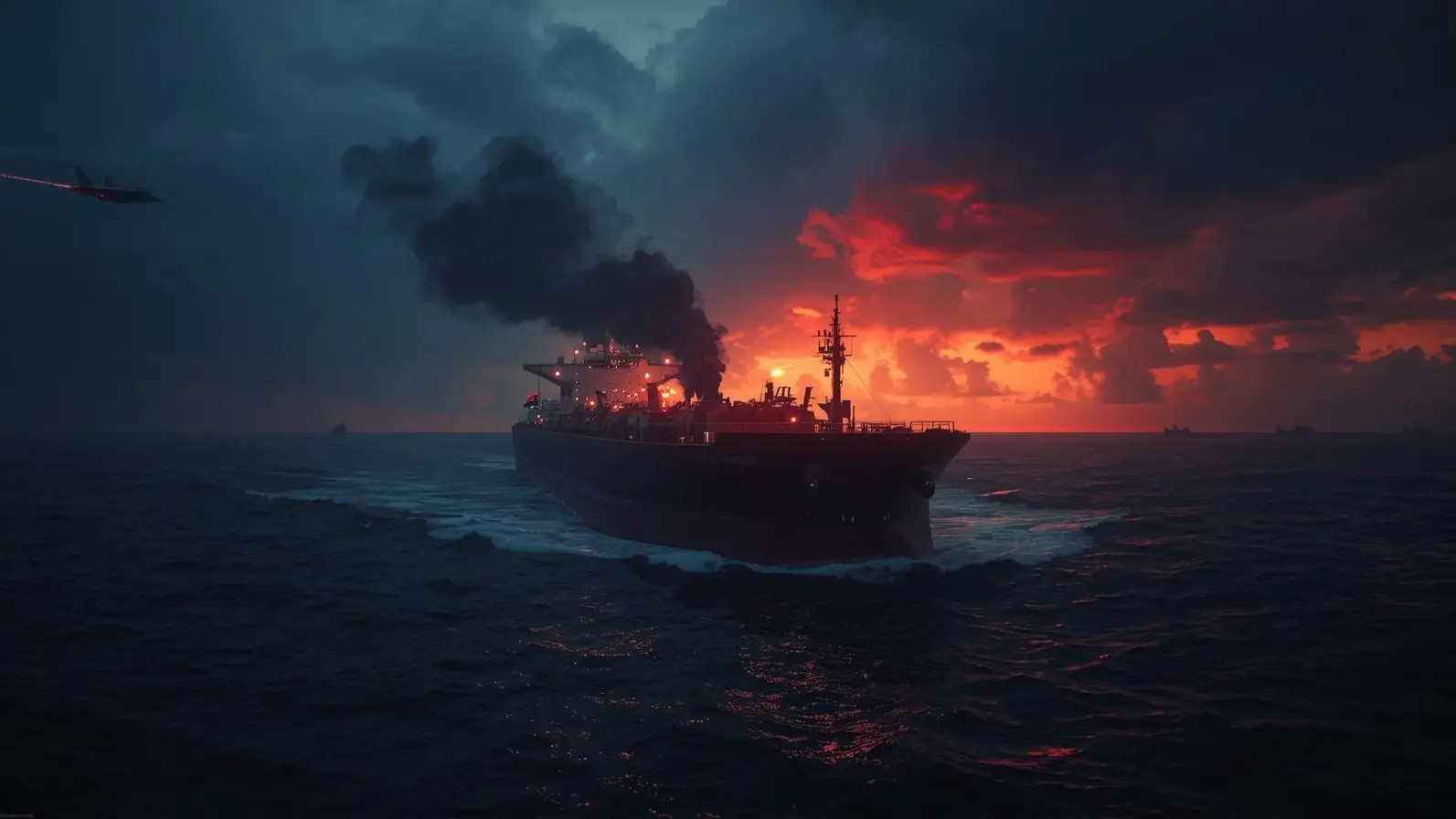
At the center of this crisis lies the strategically crucial Strait of Hormuz—a narrow yet extremely important waterway through which nearly 20% of the world’s oil supply flows. Any disruption here has immediate consequences for global energy markets, trade routes, and economic stability. The current tensions have already created significant concerns about supply security and market volatility.
What Is the 45-Day Ceasefire Proposal?
The proposed 45-day ceasefire plan is being seen as a temporary solution to de-escalate the situation and create space for broader negotiations. The idea is to:
- Pause military operations for 45 days
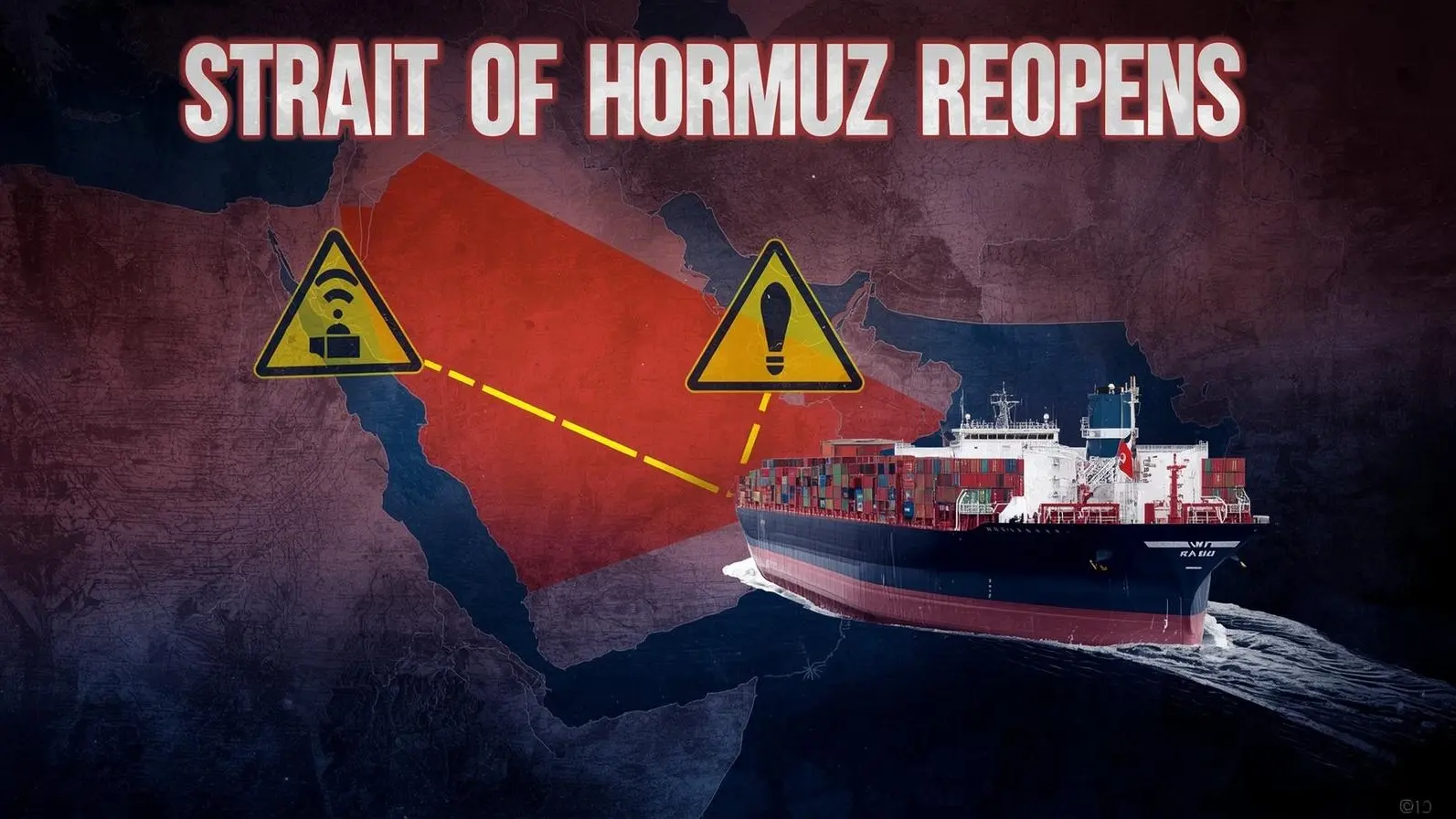
- Ensure safe passage and reopening of key oil shipping routes
- Use the time window to initiate long-term peace negotiations
This is being viewed as a confidence-building measure, rather than a final resolution. It aims to reduce immediate risks while allowing both sides to engage in dialogue without ongoing conflict.
However, the biggest challenge is that both sides have yet to fully agree on the terms, making the proposal uncertain at this stage.
Why the Ceasefire Matters Right Now
This is not just another diplomatic attempt—it comes at a time when the conflict has already triggered:
- Sharp rise in global oil prices
- Disruptions in shipping and trade routes
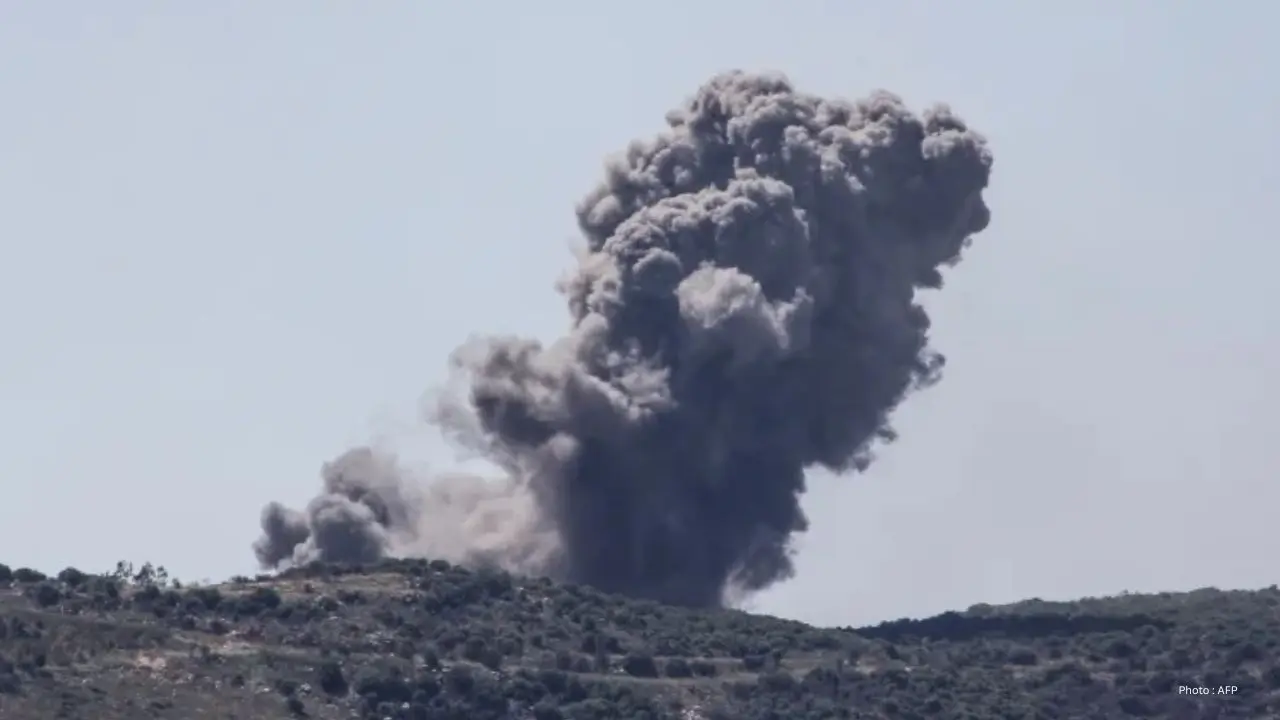
- Increased military activity in the region
- Heightened global economic uncertainty
The instability around the Strait of Hormuz has reduced tanker movement and raised fears of a prolonged energy crisis. A ceasefire, even if temporary, could immediately help:
- Stabilize energy markets
- Restore shipping confidence
- Reduce the risk of a larger regional conflict
Trump’s Ultimatum Has Intensified the Situation
A major factor influencing the current developments is the strong stance taken by Donald Trump, who has issued a clear ultimatum regarding the reopening of the Strait.
This has:
- Increased pressure on diplomatic negotiations
- Accelerated urgency for a ceasefire
- Raised the risk of military escalation
While such statements are intended to push for quick resolution, they can also complicate negotiations by increasing tensions and mistrust between the parties involved.
Iran’s Position Remains Cautious and Firm
Iran has acknowledged discussions around the ceasefire but remains cautious and skeptical about the proposal.
Key concerns include:
- Fear that a temporary ceasefire could be used for strategic advantage by opponents
- Reluctance to reopen the Strait of Hormuz without long-term guarantees
- Continued distrust of US intentions
Iran’s stance suggests that while it is open to dialogue, it is not willing to make short-term concessions without clear long-term commitments.
Why Negotiations Are Facing Major Challenges
Despite efforts from multiple international players, the path to a ceasefire remains difficult due to several key obstacles:
- Deep-rooted mistrust between both sides
- Ongoing military tensions and actions
- Conflicting demands on sanctions and regional policies
- Pressure from regional allies and global stakeholders
These factors are making it hard to reach a middle ground, even for a temporary agreement.
Global Impact of Continued Conflict
The longer the conflict continues, the wider its impact becomes.
Energy Markets:
Oil prices continue to rise due to fears of supply disruption, affecting economies worldwide.
Economic Pressure:
Higher fuel costs lead to increased inflation, impacting daily expenses for consumers.
Global Trade:
Shipping disruptions increase costs and delays, affecting international supply chains.
Geopolitical Stability:
There is growing concern that the conflict could expand into a broader regional crisis.
Is a Ceasefire Still Possible?
Despite the challenges, there is still a possibility that a ceasefire could be achieved.
- Diplomatic efforts are ongoing
- Both sides are indirectly engaged in discussions
- Economic pressure is pushing for a solution
The 45-day ceasefire is seen as a practical middle path, offering temporary relief without requiring immediate resolution of deeper issues.
However, success will depend on whether both sides are willing to:
- Show flexibility in negotiations
- Build mutual trust during the pause period
- Prioritize stability over escalation
What If the Ceasefire Does Not Happen?
If the ceasefire fails, the consequences could be serious and far-reaching:
- Continued rise in oil prices
- Increased risk of military escalation
- Greater disruption to global trade
- Possibility of a wider conflict involving more nations
This would not only impact the region but also have global economic consequences.
The proposed 45-day ceasefire between the United States and Iran represents a critical opportunity to reduce tensions and prevent further escalation. However, with strong political positions, ongoing military risks, and deep mistrust, the situation remains highly uncertain.
As the world closely watches developments involving Donald Trump and tensions around the Strait of Hormuz, the coming days will play a crucial role in determining whether diplomacy can succeed—or whether the crisis will deepen further.
Disclaimer
This article is for informational purposes only and reflects current global developments. The situation may change rapidly based on geopolitical decisions and events.