Why Protests Are Rising Again Across the United States in 2026
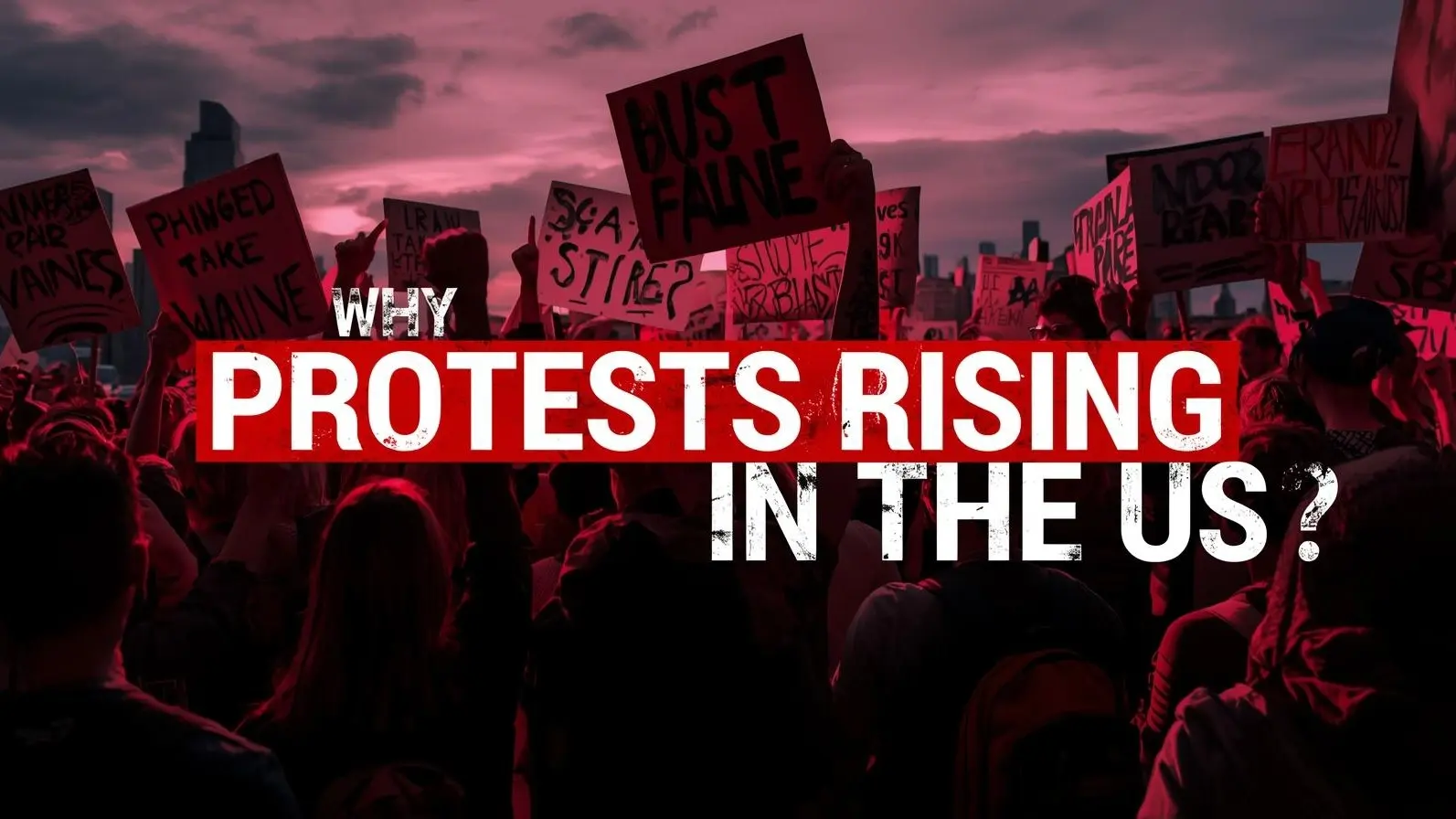
Across major cities and smaller communities alike, the United States is witnessing a renewed wave of protests in 2026. From economic frustrations to political divisions, people are increasingly taking to the streets to express concerns about their future, rights, and living conditions. While protests have always been part of American democracy, the current surge reflects a deeper level of public tension and urgency.
This moment is not driven by a single issue—it is the result of multiple pressures building at the same time, creating a climate where more Americans feel compelled to speak out.
A New Phase of Public Frustration
The rise in protests today is rooted in a combination of economic, political, and social challenges. Many Americans are facing increasing uncertainty in their daily lives, and that frustration is now becoming more visible.
Unlike earlier protest waves that were often centered around one major issue, the current trend is broader. People are protesting over:
- Cost of living and inflation
- Job insecurity and wage stagnation
- Political polarization
- Social justice concerns
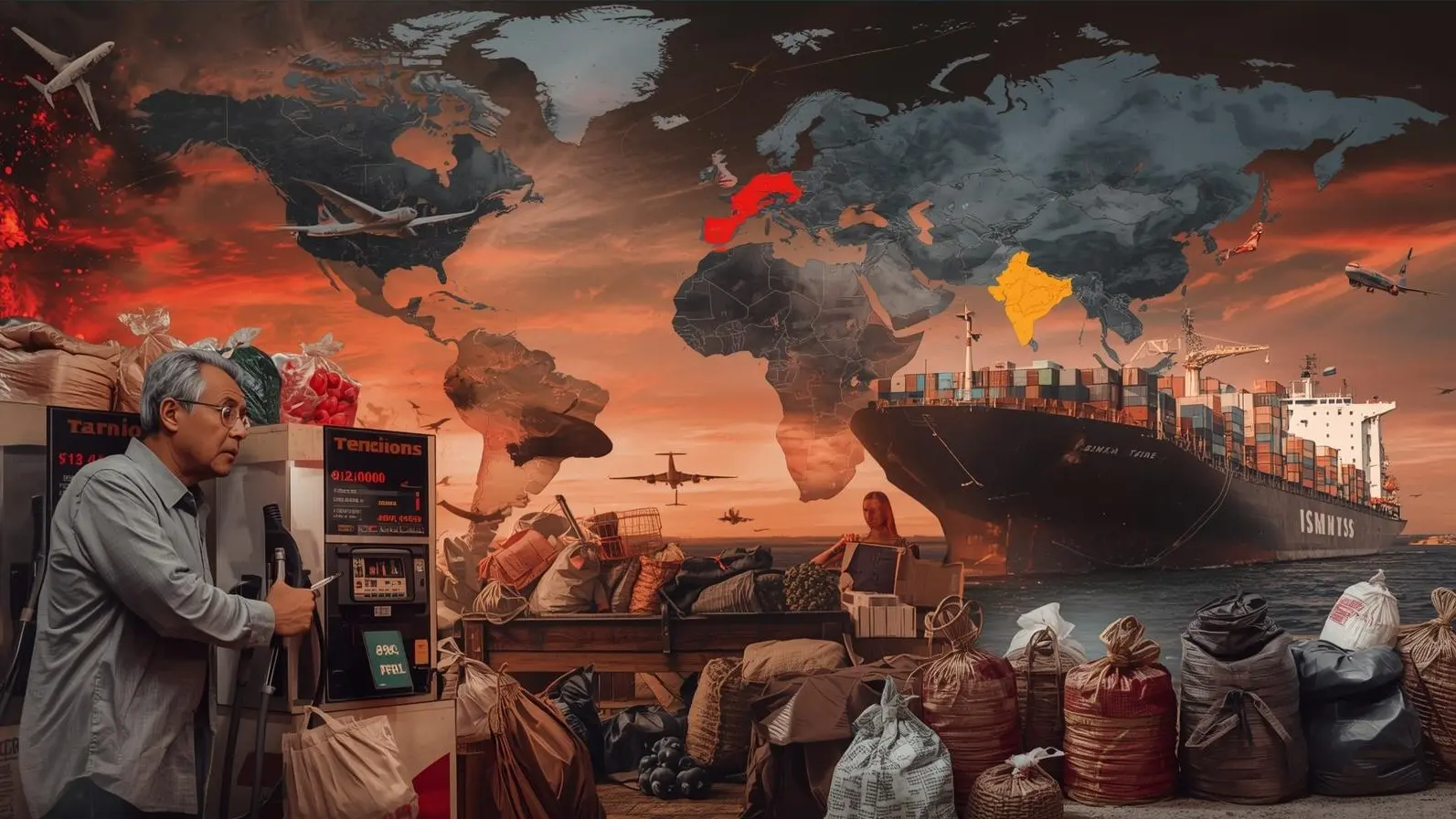
- Global conflicts influencing domestic policies
This combination has created a situation where different groups, with different concerns, are all mobilizing at the same time.
Economic Pressure Is Driving People to the Streets
One of the biggest triggers behind the rising protests is economic stress.
Inflation has made everyday life more expensive, affecting:
- Fuel prices
- Housing costs
- Food and groceries
- Healthcare expenses
Even as wages grow in some sectors, they are often not keeping up with rising costs. This creates a gap where people feel they are working harder but not getting ahead.
For many households, financial pressure is no longer temporary—it feels ongoing. This has led to growing frustration, especially among:
- Middle-class families
- Young professionals
- Low-income workers
Economic protests are now becoming more common, with people demanding better wages, lower costs, and stronger economic policies.
Job Market Uncertainty and Layoffs
Another major factor is the uncertainty in the job market.
In 2026, several industries are experiencing:
- Hiring slowdowns
- Layoffs in technology and corporate sectors
- Increased reliance on contract or gig work
This shift has created anxiety about job stability and long-term career growth.
Workers are increasingly concerned about:
- Automation and AI replacing jobs
- Lack of job security
- Changing workplace conditions
As a result, labor-related protests and demonstrations are gaining momentum, with people demanding fair working conditions and employment protection.
Political Polarization Is Reaching New Levels
Political divisions in the United States have been growing for years, but in 2026, they have reached a point where they are directly influencing public protests.
Different groups are mobilizing around issues such as:
- Government policies
- Foreign relations
- National security decisions
- Civil rights
The influence of leaders like Donald Trump continues to shape political debates and public reactions. His policies, statements, and political stance often act as a trigger point for both support and opposition movements.
This has created a situation where protests are not just about policies—they are also about identity, values, and political direction.
Global Conflicts Are Affecting Domestic Sentiment
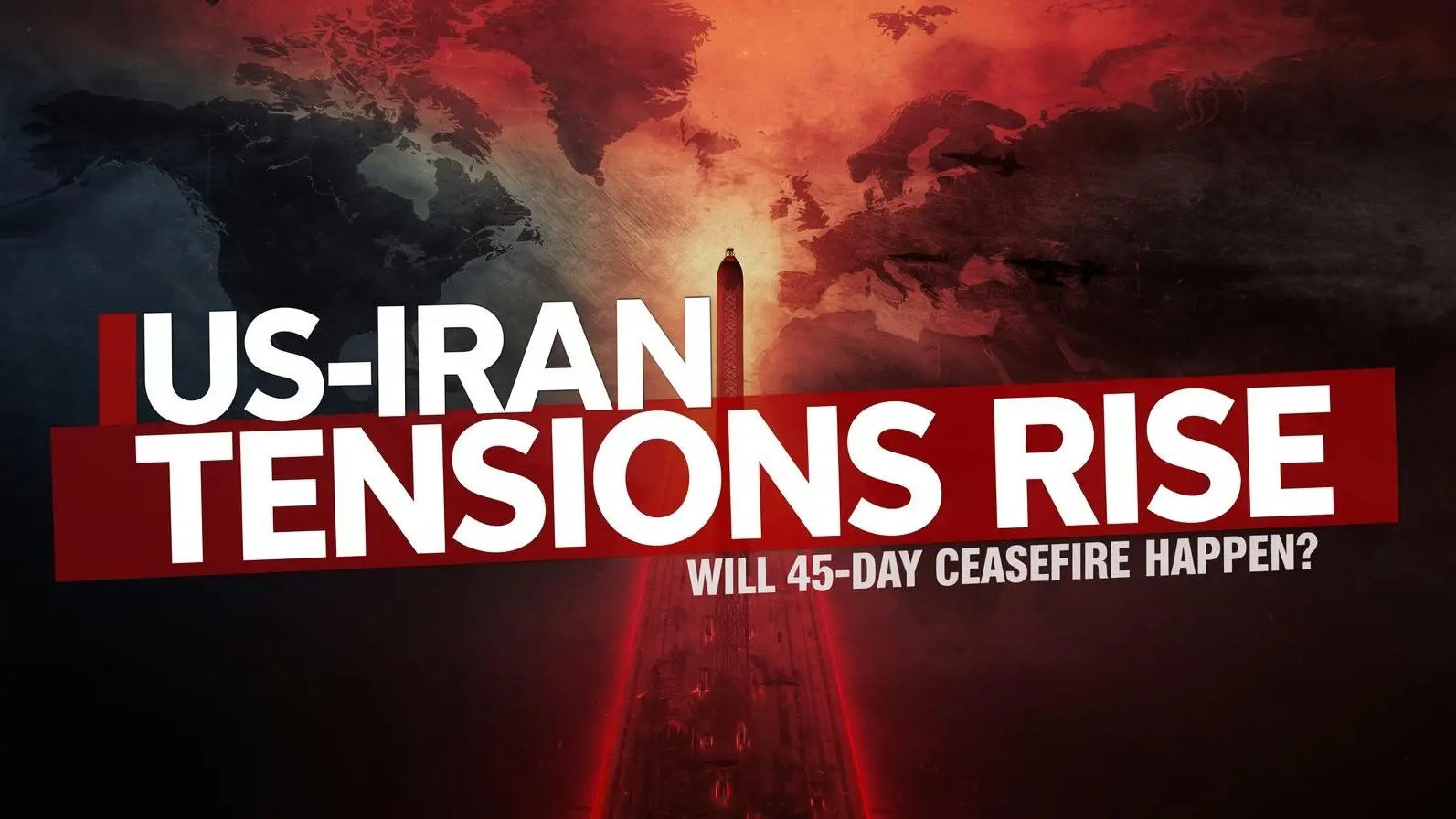
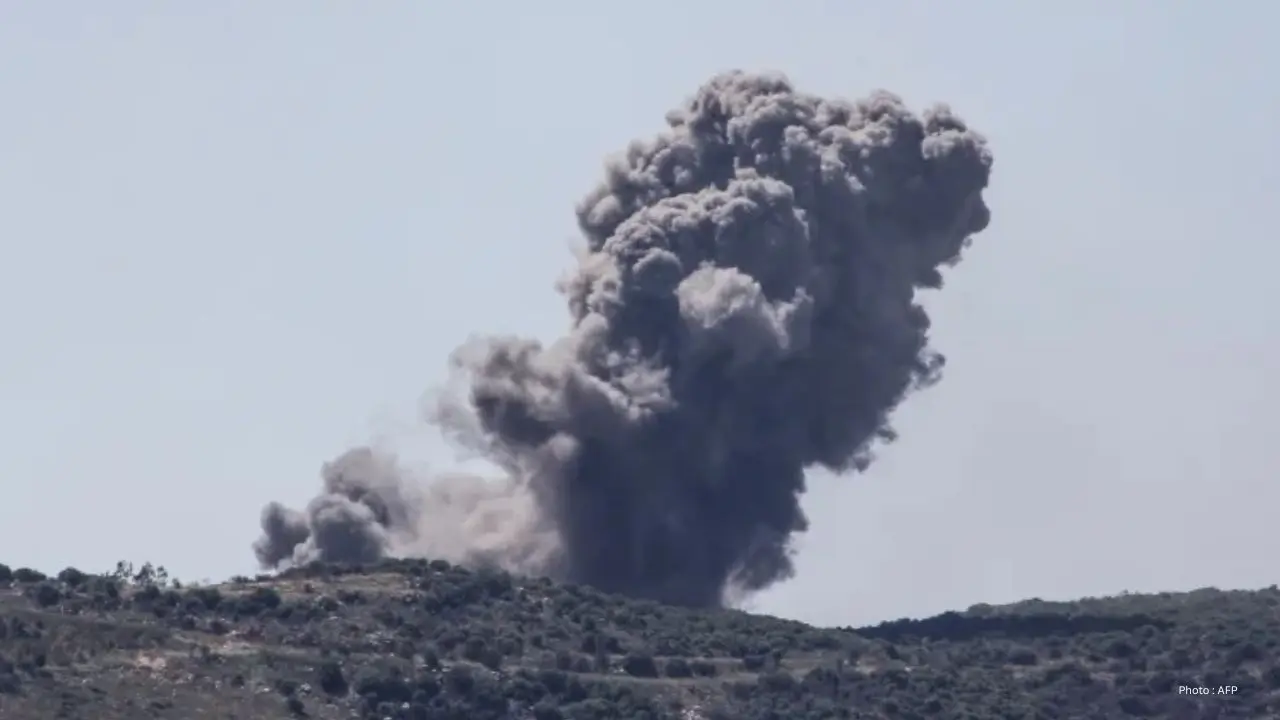
International tensions, especially involving the United States, are also contributing to protests at home.
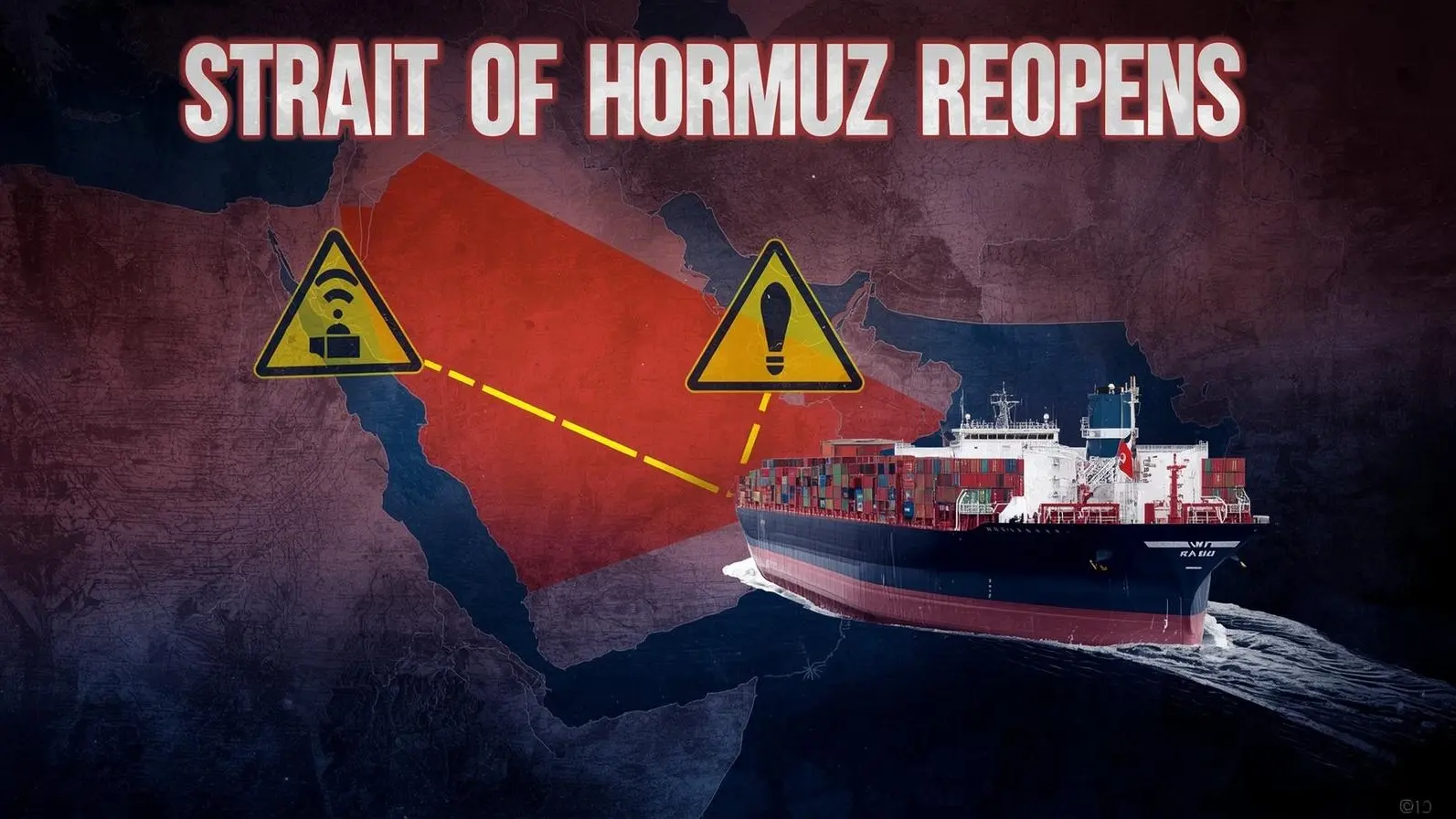
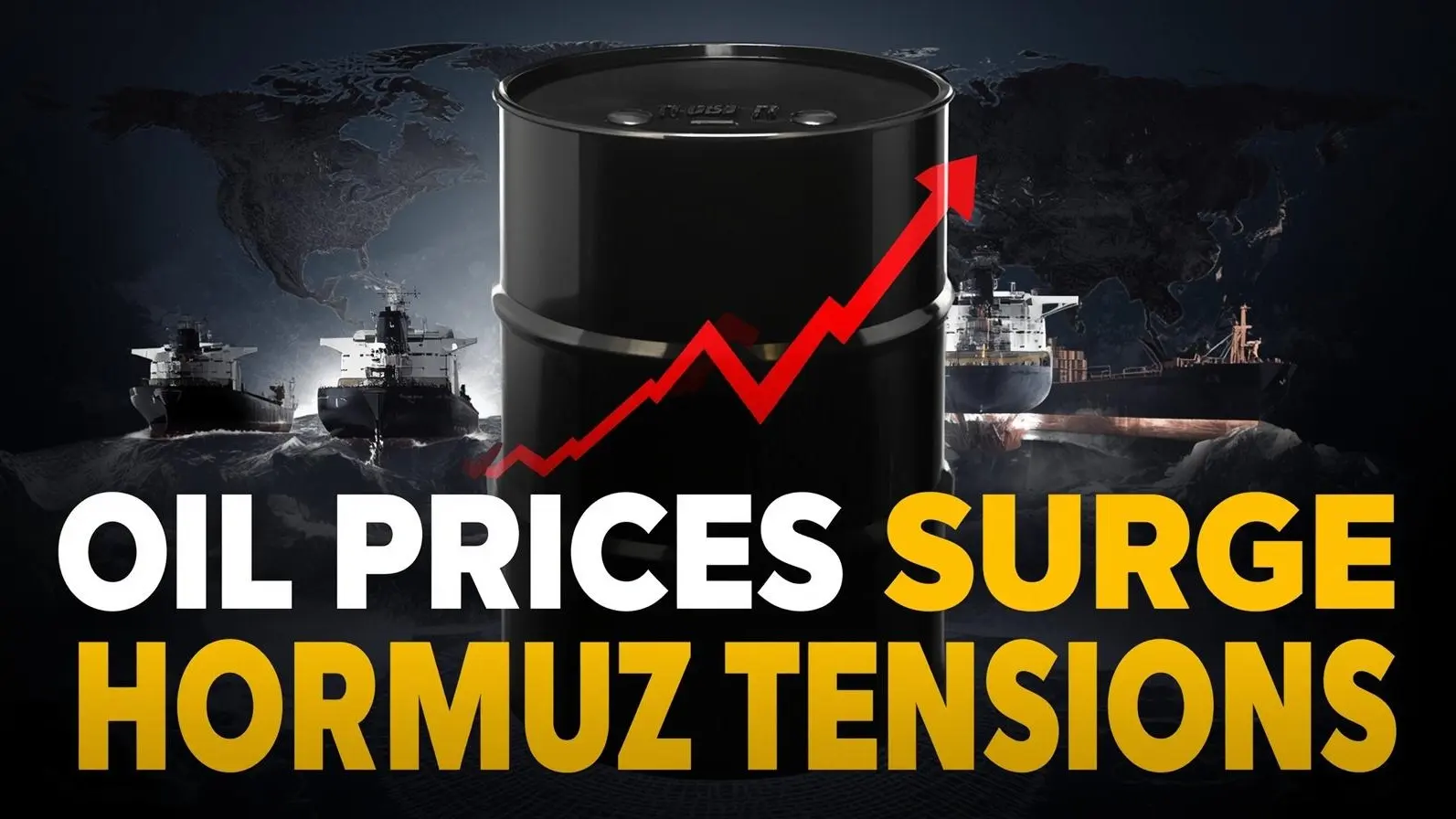
Conflicts related to regions like the Strait of Hormuz have led to:
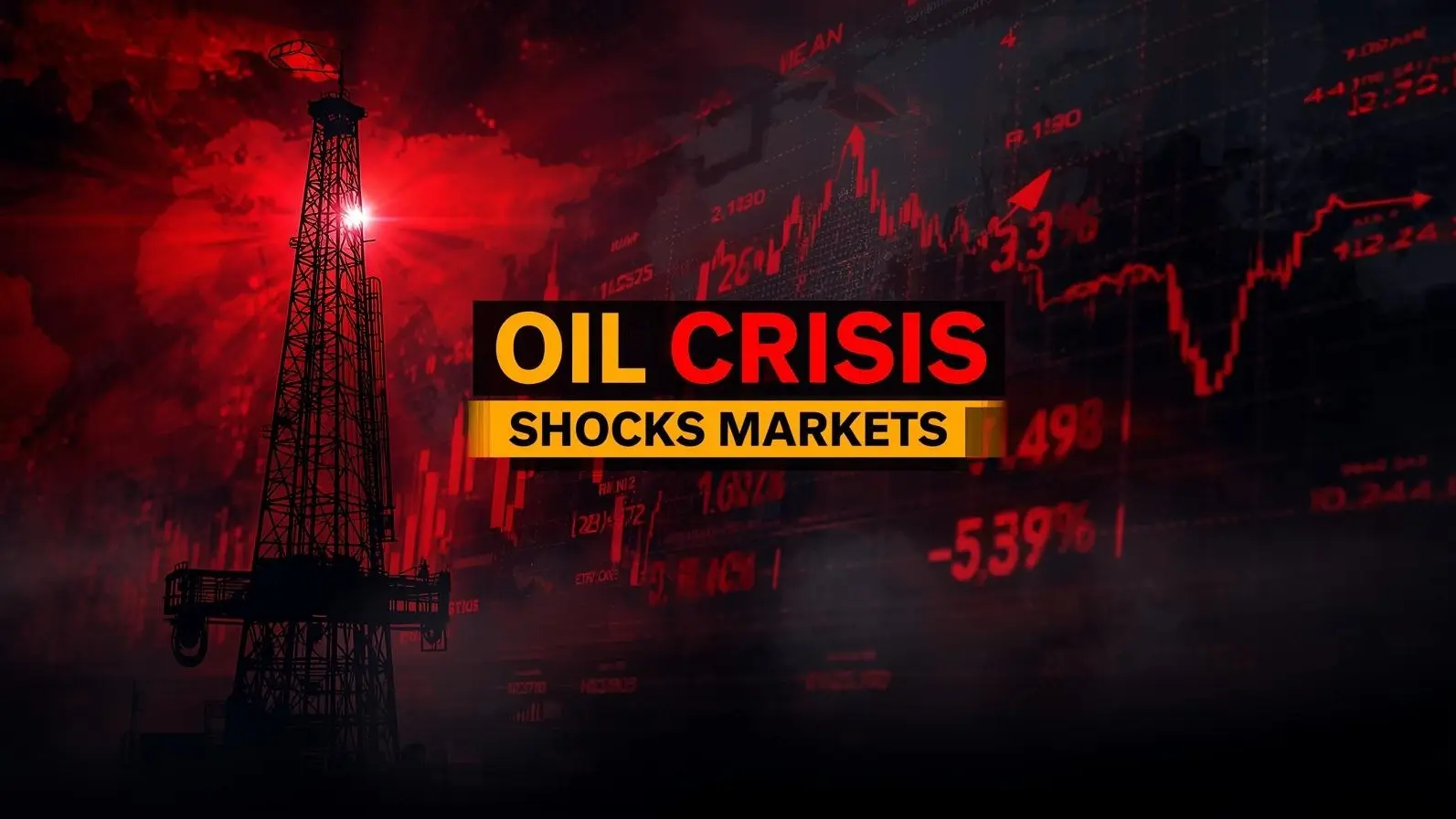
- Rising fuel prices
- Economic uncertainty
- Concerns about military involvement
These global issues are no longer distant—they are directly impacting daily life in the US. As a result, people are protesting against:
- War involvement
- Defense spending
- Economic consequences of foreign policy
This shows how global geopolitics is now closely connected to domestic public opinion.
Social Justice Movements Continue to Evolve
Social justice remains a major driver of protests in 2026.
Issues such as:
- Racial equality
- Gender rights
- Immigration policies
- Access to healthcare and education
continue to mobilize large groups of people.
Unlike earlier years, these movements are now more organized, digital-first, and widespread, making it easier for people to coordinate and participate.
Social media platforms play a major role in:
- Spreading awareness
- Organizing protests
- Amplifying voices
This has made protests more frequent and visible.
The Role of Social Media in Fueling Protests
Social media has transformed how protests happen.
Today:
- Information spreads instantly
- People can organize events within hours
- Viral content can mobilize thousands
While this increases participation, it also has downsides:
- Misinformation can spread quickly
- Emotions can escalate faster
- Conflicts can intensify online before reaching the streets
Still, social media remains one of the most powerful tools behind the current protest wave.
A Shift in Public Mindset
Another important factor is a shift in how people view protests.
In 2026, more individuals see protesting as a normal and necessary part of civic engagement.
People are:
- More aware of their rights
- More willing to speak out
- Less afraid of challenging authority
This cultural shift means protests are not just reactions—they are becoming a regular way for people to demand change.
Government Response and Public Trust
The way authorities respond to protests also plays a key role.
If people feel heard, tensions can ease. But if responses are seen as dismissive or harsh, it can lead to:
- Larger protests
- More frequent demonstrations
- Increased public distrust
Trust between citizens and institutions is a critical factor in determining whether protests grow or decline.
What This Means for the Future
The rise in protests across the United States in 2026 is not just a temporary trend—it reflects deeper structural challenges.
If these issues are not addressed, protests could:
- Become more frequent
- Involve larger groups
- Lead to significant political and social changes
At the same time, protests also play an important role in democracy by:
- Giving people a voice
- Highlighting key issues
- Pushing for reforms
Final Insight
The surge in protests across the United States in 2026 is the result of economic pressure, political division, global uncertainty, and evolving social movements.
From rising costs of living to debates over foreign policy and leadership, Americans are increasingly using protests as a way to express their concerns and demand action.
While the reasons behind each protest may differ, the underlying message is clear: people want stability, fairness, and a stronger voice in shaping their future.
As the situation continues to evolve, the scale and direction of these protests will depend on how effectively leaders address the concerns driving them.
Disclaimer
This article is for informational purposes only and reflects current social and political trends. Situations may evolve based on future developments.