Iran Opens Strait of Hormuz — But With 4 New Rules That Could Impact Global Trade
A reopening that is not as simple as it sounds
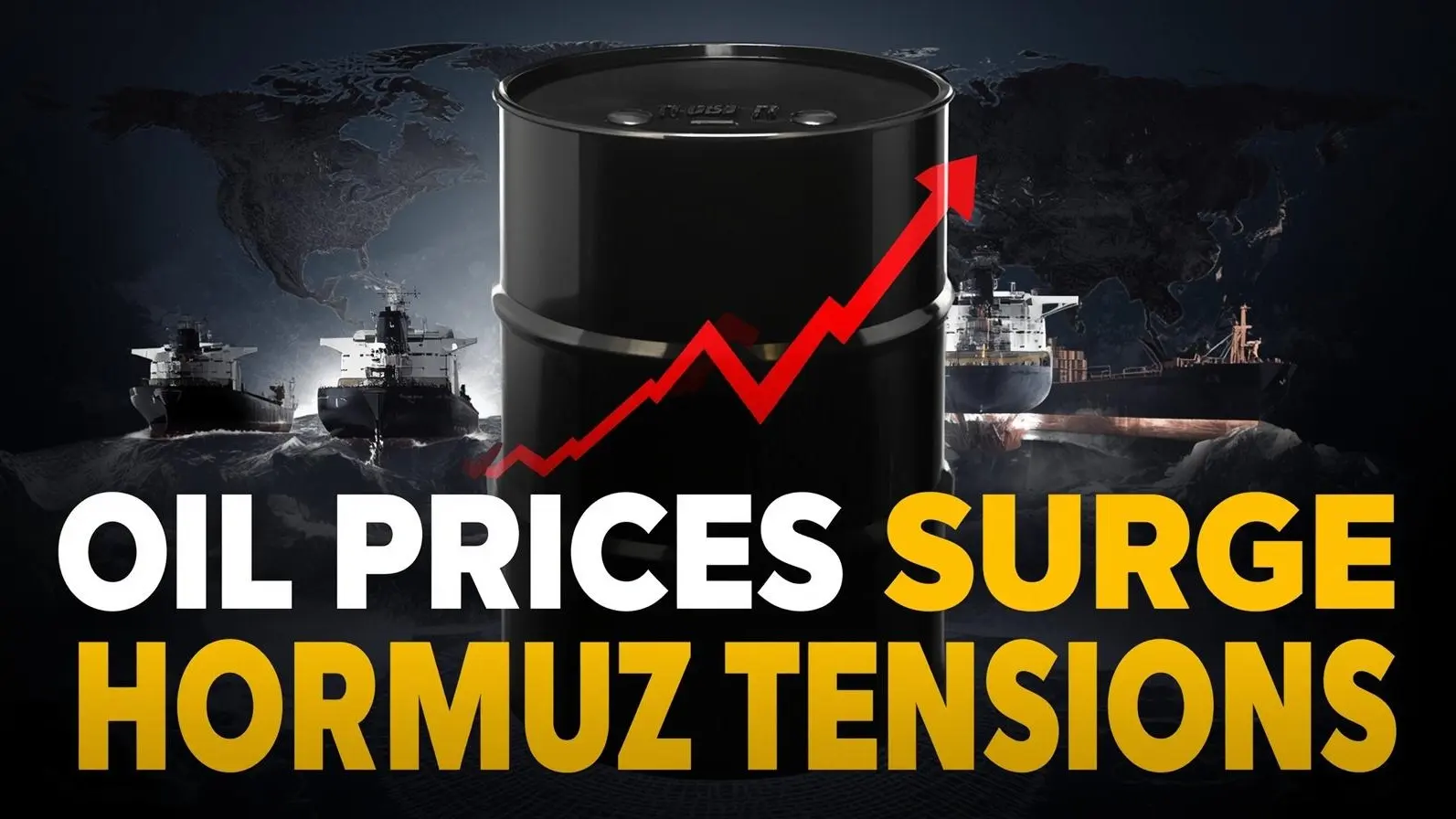
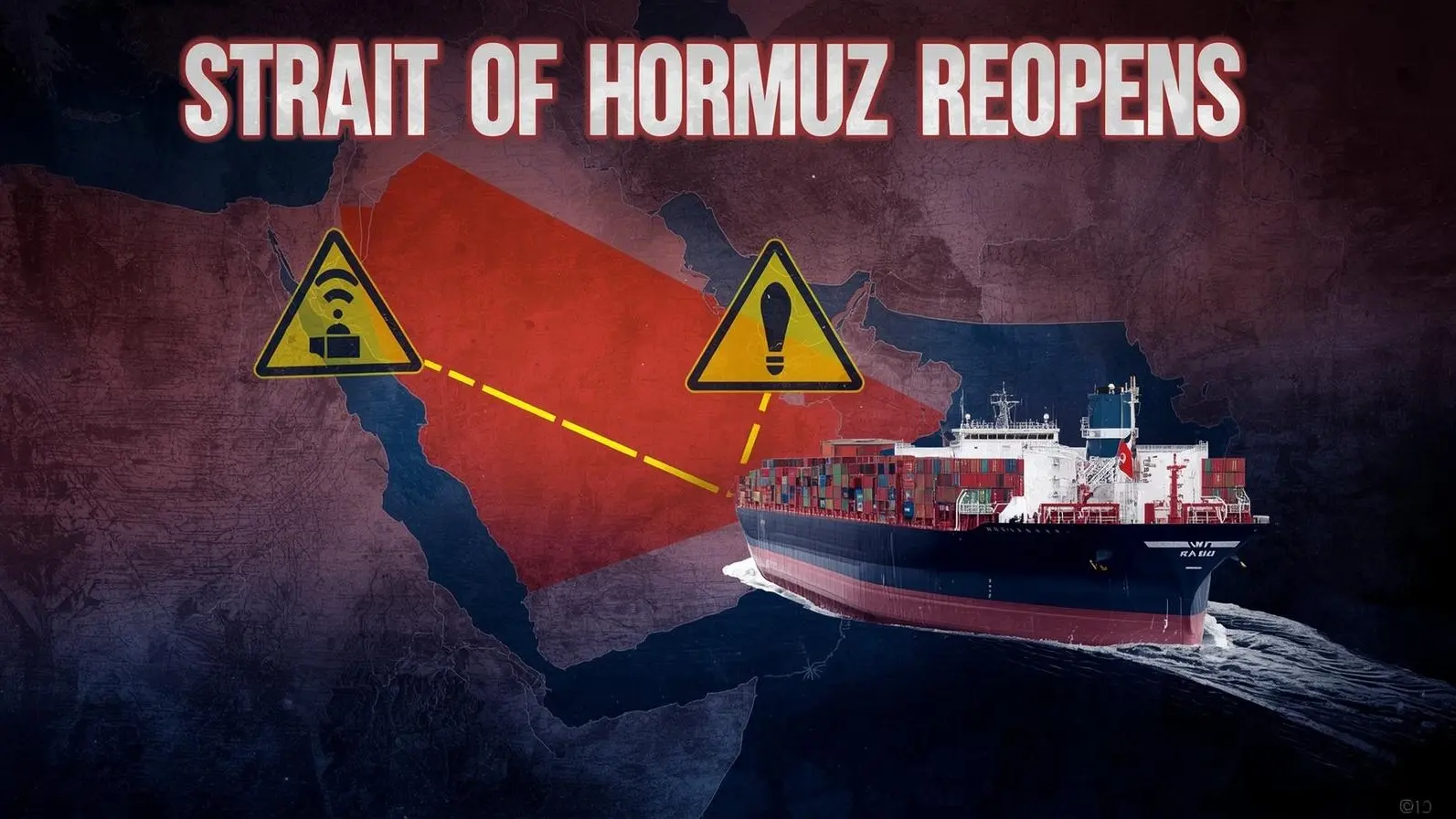
The recent announcement that Iran has reopened the Strait of Hormuz has quickly caught global attention. On the surface, it appears to be positive news for international trade and energy markets. However, a closer look reveals that the reopening comes with strict new conditions that change how this critical route operates.
For countries that rely heavily on oil imports, including India, any development in this region has immediate economic implications. The Strait of Hormuz is not just another shipping route—it is one of the most vital chokepoints in the global energy supply chain. Nearly a fifth of the world’s oil passes through this narrow stretch of water, connecting major oil-producing nations in the Persian Gulf to the rest of the world.
So while the strait is technically “open,” the introduction of new rules means that the situation is far from normal.
Why the Strait of Hormuz matters so much to the world
To understand the importance of this development, it’s essential to know why the Strait of Hormuz holds such global significance.
This narrow passage connects the Persian Gulf to the Gulf of Oman and ultimately to international waters. Countries like Saudi Arabia, the UAE, Kuwait, and Iraq depend on it to export oil. Any disruption here affects global supply chains, fuel prices, and economic stability.
Even a temporary restriction can lead to:
- Rising oil prices
- Increased shipping costs
- Market uncertainty
For large economies and developing nations alike, the stability of this route is critical.
What led to the reopening of the strait
In recent weeks, tensions in the region had raised concerns about the safety of shipping routes. Reports of disruptions and heightened military presence created uncertainty among global shipping companies.
Iran’s decision to reopen the strait comes as part of a broader effort to ease tensions and allow commercial activity to resume. However, the move is not a full return to normal operations. Instead, it reflects a controlled approach where Iran retains significant authority over maritime movement.
Rule 1: Mandatory approval before entry into the strait
One of the most significant changes is that ships can no longer pass through freely. Under the new system, vessels must obtain prior approval from Iranian authorities before entering the strait.
This approval is reportedly handled by forces linked to the Islamic Revolutionary Guard Corps, which plays a key role in monitoring the region.
This rule effectively places control of the strait in Iran’s hands. Instead of being an open international waterway, access is now conditional. Ships must wait for clearance, which could lead to delays and uncertainty in scheduling.
For global trade, this introduces a new layer of dependency on political and security conditions.
Rule 2: Strict navigation routes and limited movement
Another major condition is that ships must follow designated routes approved by Iranian authorities. This limits flexibility and restricts how vessels move through the strait.
Instead of choosing the shortest or most efficient path, ships are required to:
- Stay within specific lanes
- Avoid restricted zones
- Follow guided navigation instructions
This change is not just about safety—it also reflects increased monitoring and control. Some shipping companies have already shown caution, with reports indicating that certain vessels are delaying or rerouting their journeys.
Rule 3: Continuous coordination with Iranian maritime authorities
Under the new rules, ships must remain in constant communication with Iranian maritime agencies throughout their journey.
This means:
- Real-time tracking of vessel movement
- Mandatory updates during transit
- Compliance with instructions from authorities
While this may improve oversight, it also reduces the independence of international shipping operations. Companies now have to factor in additional procedures, which could affect efficiency and costs.
Rule 4: Restrictions on certain types of vessels and conditions
The reopening primarily applies to commercial vessels, but even they are subject to scrutiny. Military ships and certain flagged vessels may face stricter restrictions or limited access.
Iran has also indicated that the situation could change depending on geopolitical developments. This means the strait could face renewed restrictions if tensions rise again.
This uncertainty adds another layer of complexity for global trade and energy markets.
How global shipping and oil markets are reacting
The reaction to this development has been cautious rather than celebratory.
While some ships have resumed movement, overall traffic remains below normal levels. Shipping companies are carefully assessing risks before committing to routes through the strait.
Oil markets have also shown sensitivity to the situation. Even the possibility of disruption can influence prices, as traders factor in potential supply challenges.
For countries dependent on oil imports, this means continued volatility and the need for strategic planning.
Impact on countries like India and global economies
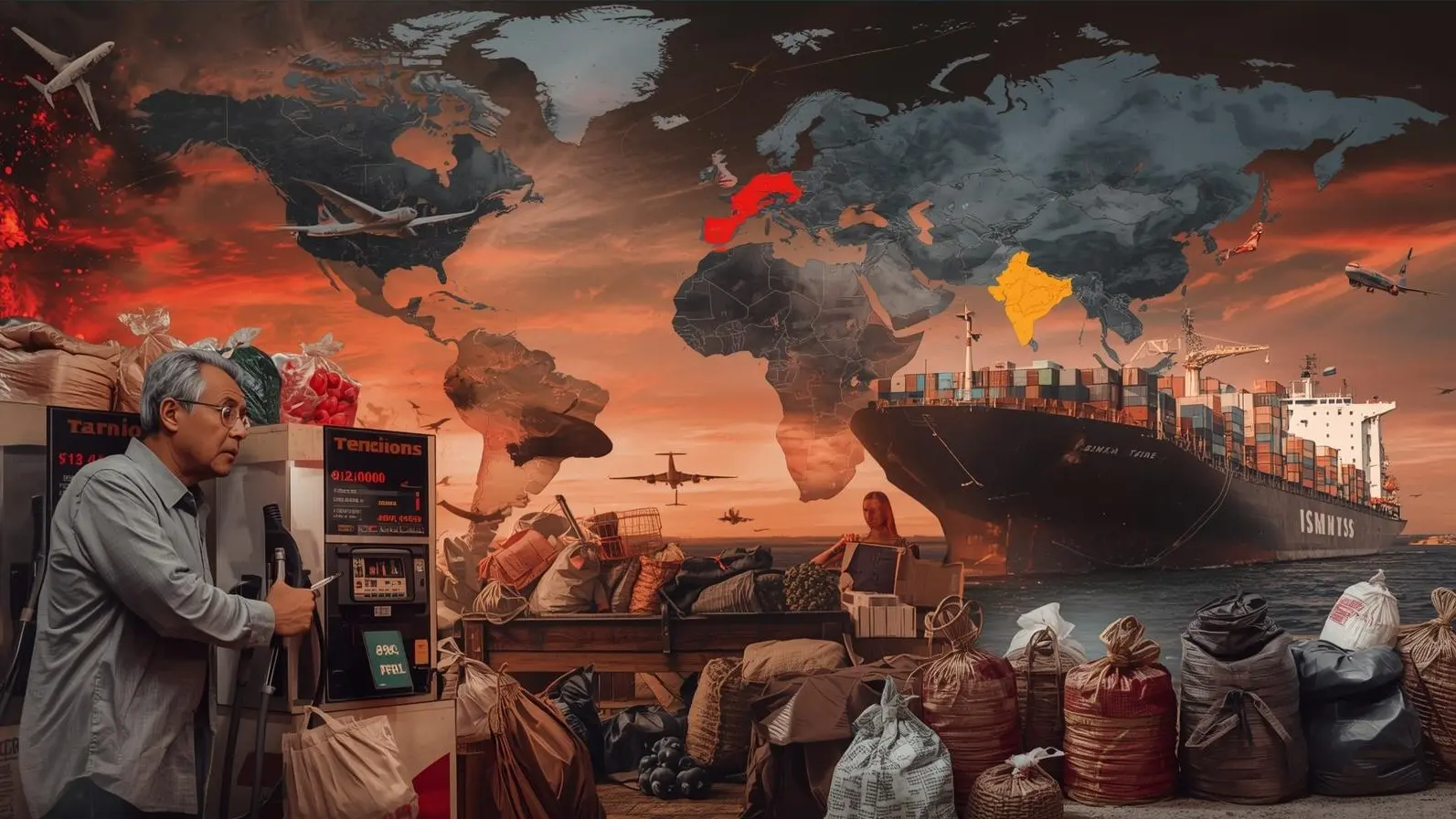
For a country like India, which relies heavily on imported oil, developments in the Strait of Hormuz are closely watched.
Any disruption or restriction can:
- Increase fuel costs
- Affect transportation and logistics
- Impact overall economic stability
Similarly, other economies that depend on energy imports may face similar challenges. The ripple effect of changes in this region is felt worldwide.
Is the strait truly open or just controlled?
This is the key question many experts are asking.
While Iran has declared the strait open, the conditions attached to its use suggest otherwise. Instead of a free-flowing international route, it now operates more like a controlled corridor.
Ships can pass—but only under specific rules and supervision.
This distinction is important because it shapes how businesses, governments, and markets respond to the situation.
What could happen next in the region
The future of the Strait of Hormuz depends largely on geopolitical stability.
If tensions ease, restrictions may gradually reduce, leading to more normal operations. However, if conflicts or disagreements intensify, the situation could quickly change.
This uncertainty means that global markets will continue to monitor developments closely.
A reopening with caution and control
Iran’s decision to reopen the Strait of Hormuz is a significant step, but it comes with clear limitations.
The introduction of new rules shows that while access has been restored, control remains tight. For global trade and energy markets, this creates a situation that is stable—but not fully secure.
Understanding these changes is essential for anyone tracking international developments, as the impact of this region extends far beyond its geographic boundaries.
Disclaimer
This article is for informational purposes only and is based on recent news reports and available updates. Developments may change rapidly due to geopolitical conditions.