Rising War Tensions Explained: What It Means for Food, Fuel, and Travel
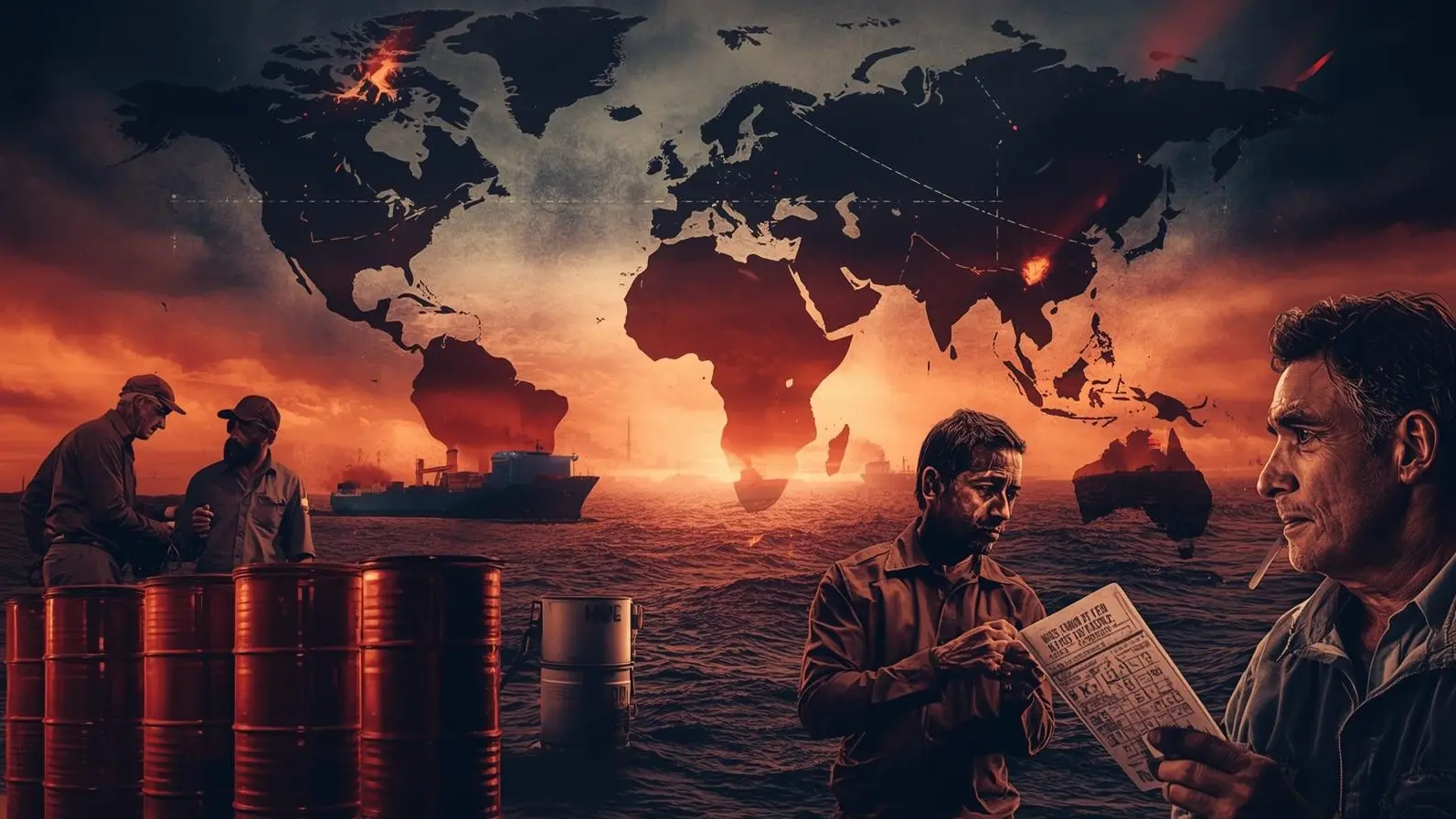
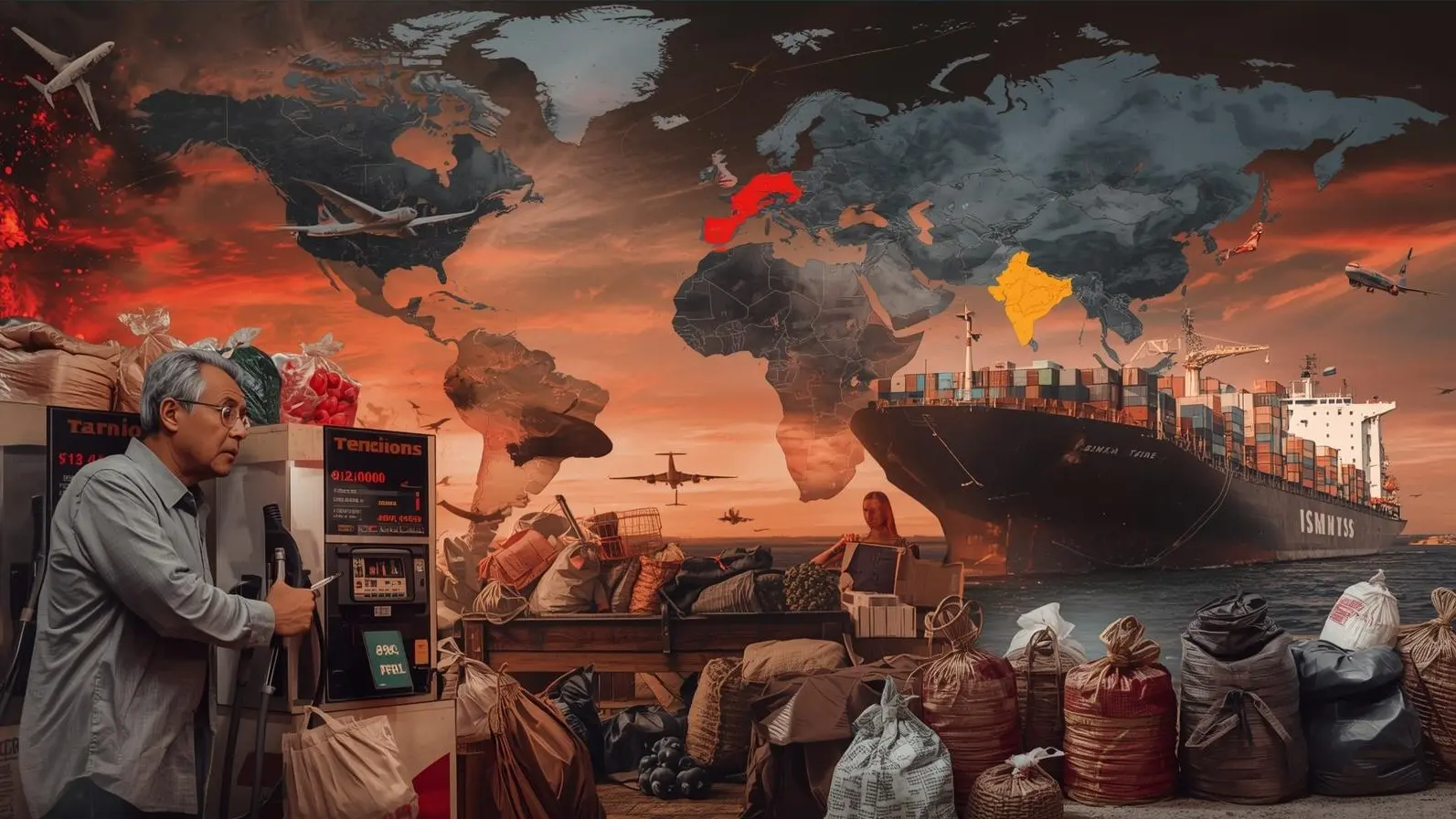
War tensions are no longer something that only affects soldiers, governments, or countries directly involved in conflict. In today’s connected global economy, even a conflict happening thousands of kilometers away can quickly impact the daily lives of ordinary people around the world. From rising petrol prices and expensive flight tickets to higher grocery bills and delayed shipments, the effects of global tensions are now being felt far beyond war zones.
Over the past few years, growing geopolitical conflicts in major regions like the Middle East, Eastern Europe, and key shipping corridors have created uncertainty in global markets. And when uncertainty rises, prices usually follow.
The biggest reason this happens is simple: modern economies depend heavily on stable global supply chains. Oil, gas, food grains, fertilizers, electronics, and consumer products constantly move between countries through shipping routes, pipelines, and air cargo systems. When wars or military tensions disrupt these systems, the entire world economy begins to feel pressure.
This is why ongoing global tensions are affecting far more than headlines—they are influencing fuel costs, inflation, travel expenses, and even the price of everyday essentials.
Why Fuel Prices Rise During Global Conflicts
One of the fastest and most visible effects of war tensions is rising fuel prices.
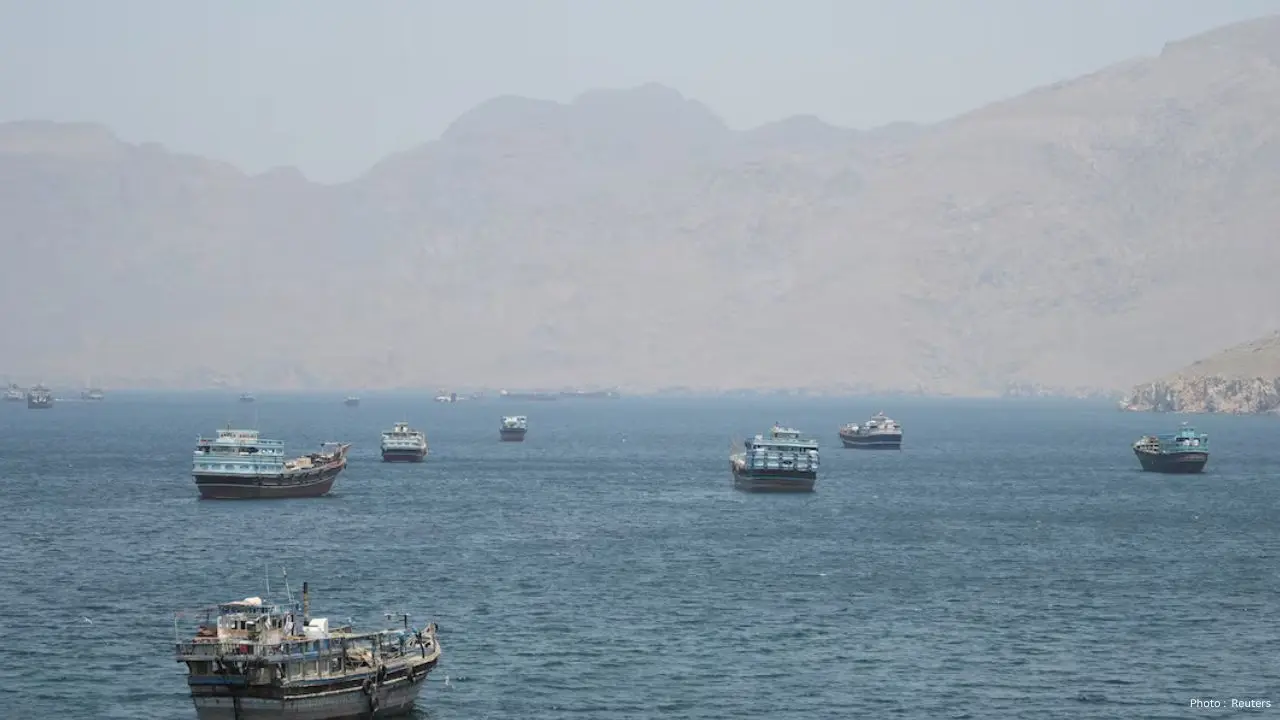
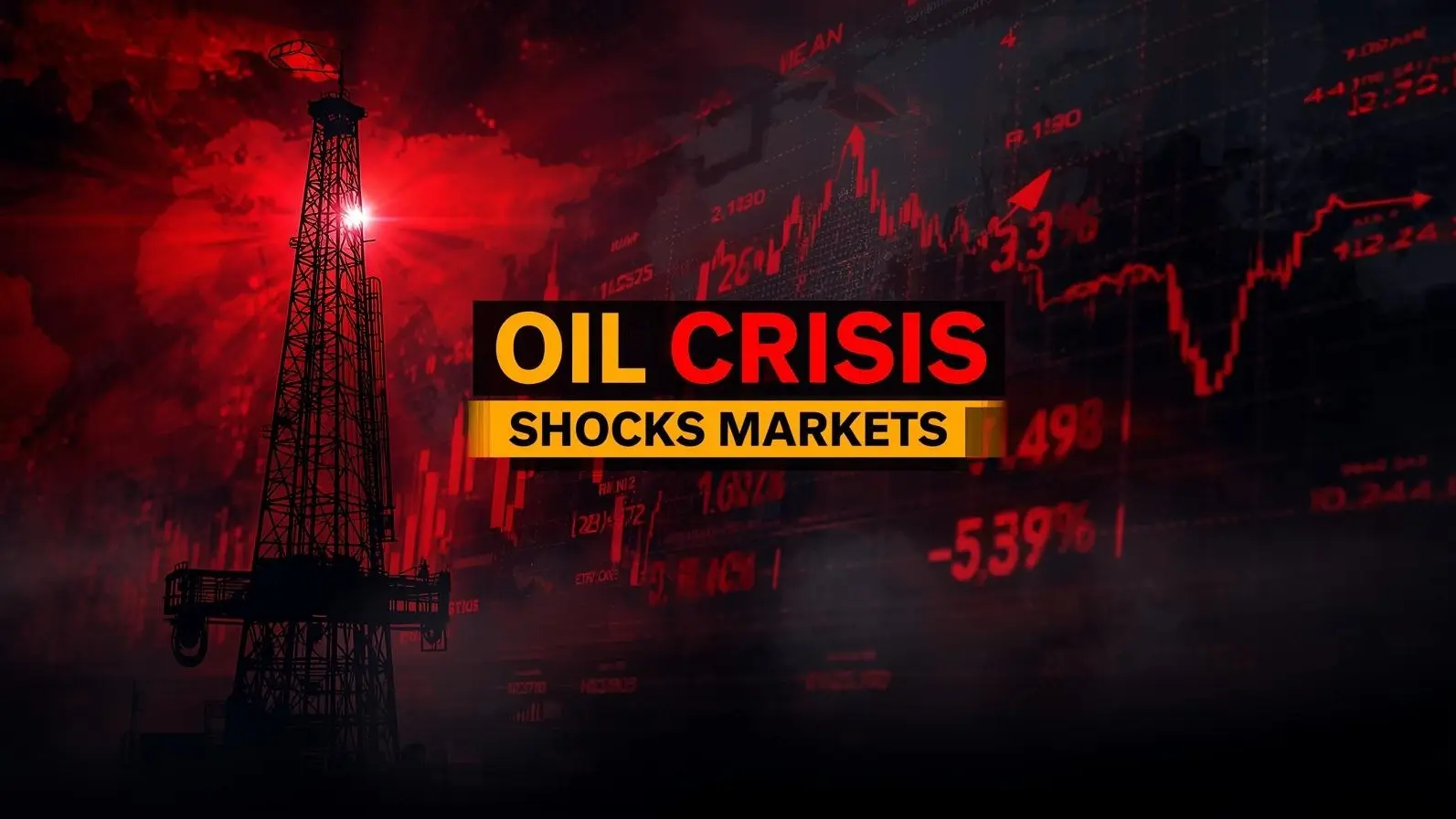
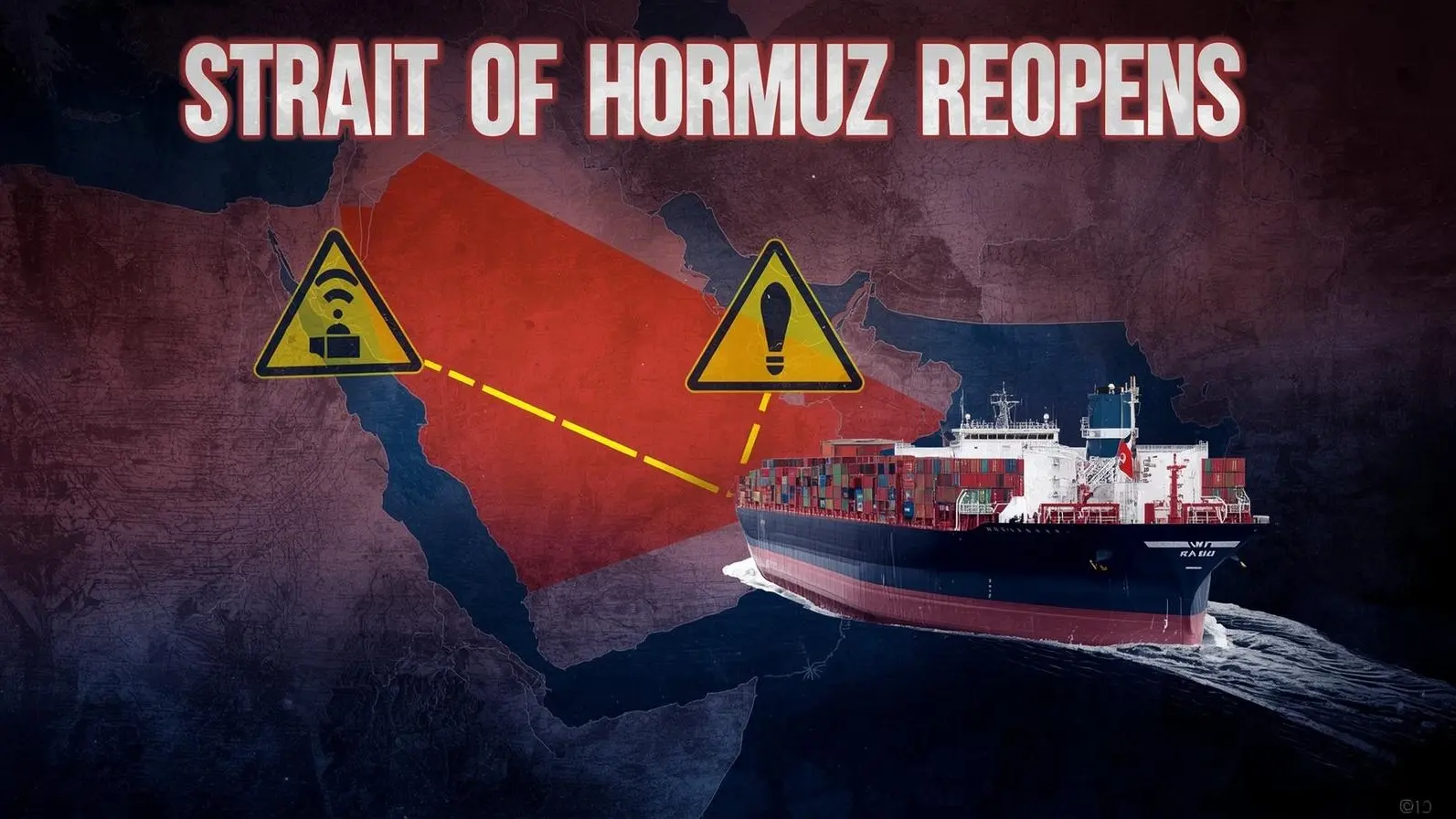
Oil markets react immediately whenever there is conflict in regions connected to energy production or transportation. Countries in the Middle East, for example, play a major role in supplying crude oil to the global market. If tensions increase around important trade routes like the Strait of Hormuz, investors and governments start worrying about possible supply disruptions.
Even the fear of disruption can push oil prices higher.
When crude oil prices rise:
- Petrol becomes more expensive
- Diesel prices increase
- Transportation costs rise
- Shipping becomes costlier
This eventually affects almost every industry because transportation is connected to nearly everything people buy or use.
Countries that rely heavily on imported oil usually suffer the most because they have to pay more for energy imports when global prices increase.
Why Food Prices Increase When Wars Continue
Many people are surprised when food becomes expensive during global conflicts, but the connection is actually very strong.
Modern food systems depend heavily on fuel, transportation, fertilizers, and international trade. Farms require fuel-powered machinery, food products need refrigerated transport, and fertilizers are often linked to natural gas production.
When fuel prices increase, the cost of growing, transporting, and storing food also rises.
At the same time, wars can directly affect agricultural exports. If major grain-producing regions face conflict or shipping disruptions, global food supply becomes tighter. This creates higher prices for products like wheat, cooking oil, rice, and packaged foods.
This is one reason inflation often rises during periods of geopolitical instability. Families begin paying more not just for fuel, but also for basic groceries and household essentials.
For lower-income households, this creates serious financial pressure because food and transport usually make up the biggest part of monthly expenses.
How Travel Is Becoming More Expensive
Travel is another major area being affected by rising war tensions.
Airlines depend heavily on fuel, and jet fuel prices rise when crude oil becomes expensive. This increases operating costs for airlines, which often leads to:
- Higher flight ticket prices
- Reduced discounts and offers
- Increased baggage and service fees
Some flight routes may also become longer or more expensive if airlines avoid conflict zones for safety reasons.
Global shipping companies are facing similar problems. Cargo ships traveling through sensitive regions sometimes face delays, rerouting, higher insurance costs, or security risks. These additional costs are eventually passed on to businesses and consumers.
This means people may not only pay more for travel but also for imported goods and online deliveries.
Why Global Inflation Often Follows War Tensions
One of the biggest economic consequences of prolonged conflicts is inflation.
Inflation simply means the overall rise in prices of goods and services over time. During wars or geopolitical tensions, inflation often increases because:
- Energy becomes expensive
- Transportation costs rise
- Supply chains slow down
- Businesses face higher operating expenses
When businesses spend more to produce and transport products, consumers eventually pay those extra costs.
This creates a chain reaction across the economy. People spend more on necessities, leaving less money for savings or other purchases. Businesses may slow hiring, governments face pressure, and economic growth can weaken.
That is why financial markets closely monitor geopolitical tensions even when the conflict is happening far away.
Why Developing Countries Face Bigger Challenges
Developing economies are usually more vulnerable during global crises because many depend heavily on imports for fuel and essential goods.
Countries with weaker currencies often face an even greater burden because imported products become more expensive when global prices rise.
For millions of families in developing nations:
- Fuel costs increase transportation expenses
- Food inflation affects household budgets
- Electricity and utility bills rise
- Everyday living becomes more expensive
Middle-class and lower-income households are often hit the hardest because a large part of their income already goes toward essential expenses.
How Ordinary People Are Changing Their Daily Habits
As prices rise, people naturally begin adjusting their lifestyles.
Across many countries, households are:
- Driving less frequently
- Using public transportation more often
- Delaying travel plans
- Cutting non-essential spending
- Looking for cheaper alternatives while shopping
Businesses are also adapting by reducing costs, increasing prices, or changing supply chains to avoid unstable regions.
These changes show how global tensions slowly reshape everyday life, even for people living far from conflict zones.
Can Things Improve Soon?
Fuel prices and inflation can stabilize if geopolitical tensions ease and supply chains return to normal. However, experts warn that prolonged wars or repeated disruptions may continue affecting the global economy for a long time.
Even after conflicts slow down, rebuilding trade confidence and restoring stable supply systems often takes months or years.
This is why markets react not only to wars themselves but also to uncertainty about what may happen next.
Final Thoughts
Rising war tensions are no longer distant political events—they directly affect daily life around the world.
From fuel and food prices to travel costs and inflation, the impact spreads quickly through the global economy. Even people far away from conflict zones feel the effects through rising living expenses and financial uncertainty.
The current situation highlights how interconnected the modern world has become. A disruption in one region can now influence transportation, shopping, business, and household budgets almost everywhere else.
Understanding these connections helps explain why global tensions matter not just politically, but economically and personally as well.
Disclaimer
This article is for informational purposes only. Economic conditions, fuel prices, and geopolitical developments may change rapidly depending on international events and government policies.