Middle East Tensions Escalate as US Deploys More Troops Amid Iran–Israel Conflict
Tensions in the Middle East have sharply increased as the United States strengthens its military presence amid the ongoing Iran–Israel conflict.
The situation is becoming more serious with rising military activity, strong warnings from Iran, and growing concerns about a wider regional escalation.
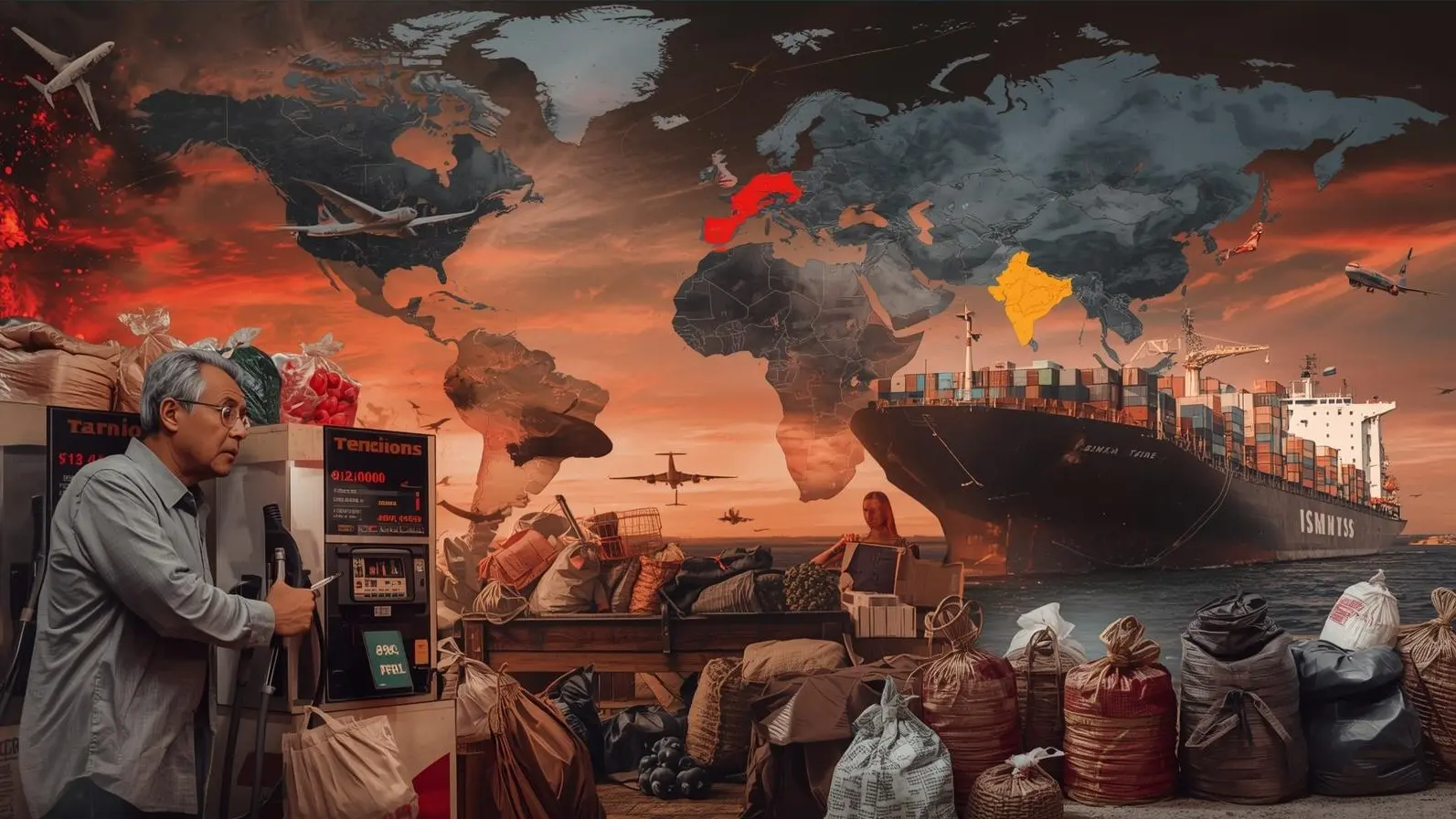
This development is not limited to the region—it carries global implications for security, energy supply, and economic stability.
US Expands Military Deployment
The United States has moved additional troops, naval forces, and advanced military equipment into the Middle East.
This step is seen as a precautionary move to strengthen defense readiness and support its allies in the region.
The increased presence is aimed at:
- Protecting strategic interests
- Ensuring security of military bases
- Preparing for possible escalation
While not officially described as preparation for a large-scale war, the deployment clearly signals a heightened level of military readiness.
Iran–Israel Conflict Intensifies
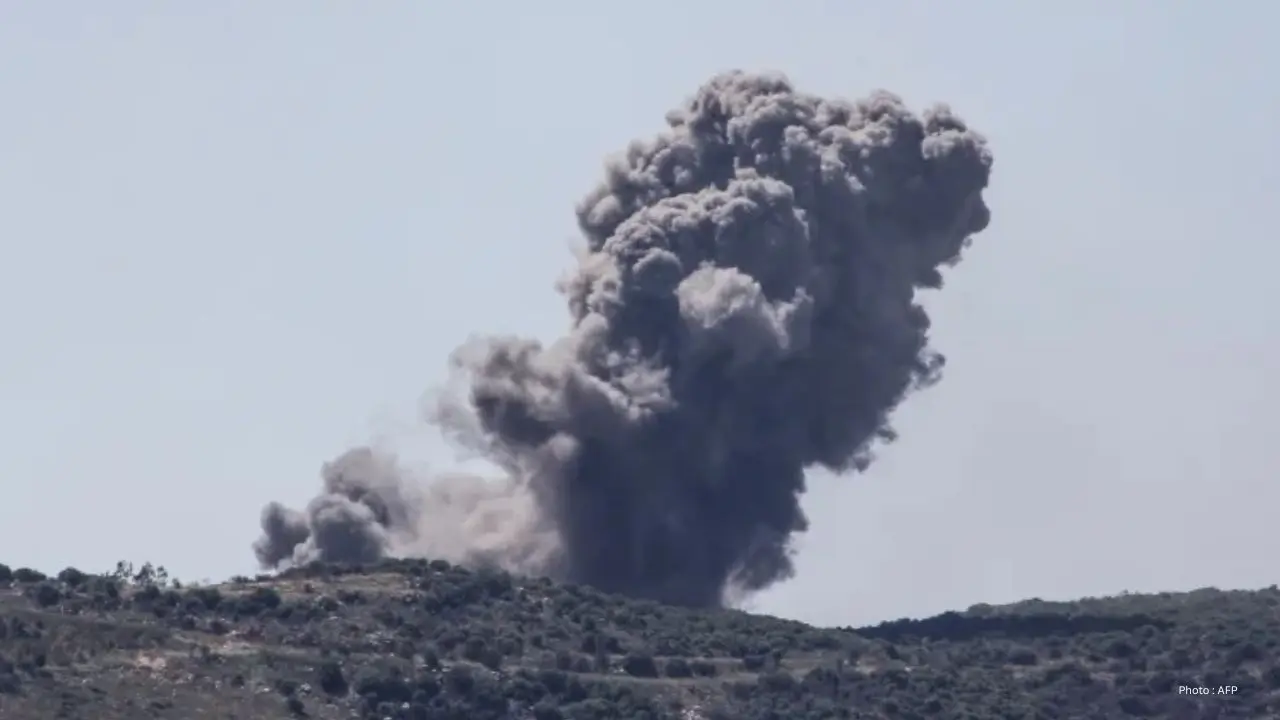
The ongoing conflict between Iran and Israel has grown more intense, with both sides engaging in direct and indirect military actions.
Recent developments include targeted operations and rising tensions that indicate a shift from controlled conflict toward a more serious confrontation.
Neither side appears willing to step back, increasing the risk of further escalation.
Risk of Wider Regional Conflict
With increased military involvement, the chances of a broader conflict are rising.
Iran has issued strong warnings against any expanded military action, stating that it would respond firmly if its interests are threatened.
Experts believe that even limited escalation could lead to:
- Retaliatory actions across multiple countries
- Involvement of additional regional players
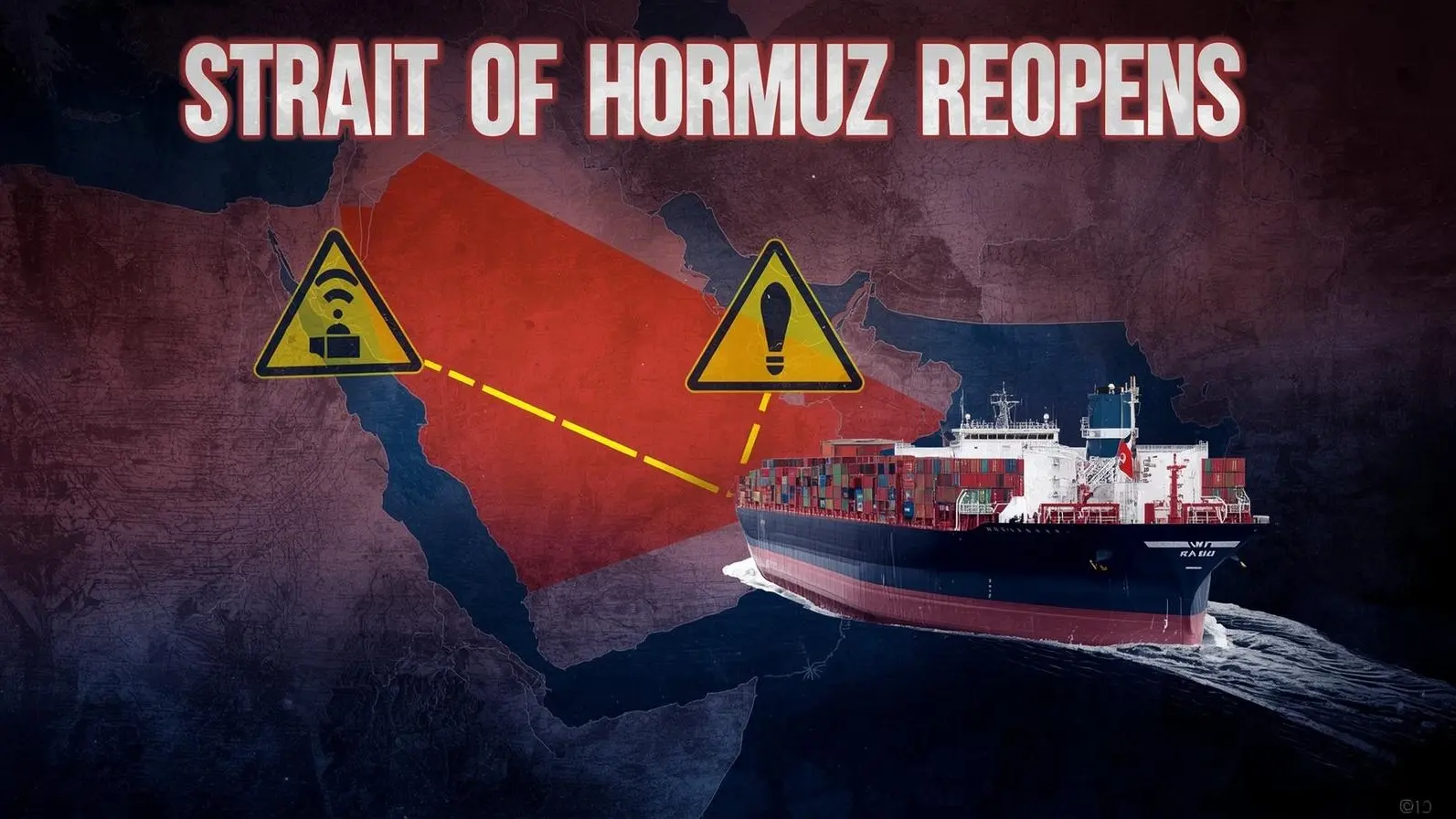
- Disruptions in important global trade routes
This raises concerns about the situation turning into a larger regional crisis.
Strategic Importance of the Region
The Middle East plays a crucial role in global stability due to its energy resources and key trade routes.
Important oil supply channels and shipping routes pass through this region, making it highly sensitive to conflict.
Any disruption can quickly affect global fuel prices and supply chains.
Uncertainty Around Future Developments
The situation remains unpredictable, with no clear outcome at this stage.
While military preparations are increasing, diplomatic efforts have not shown strong progress so far.
This creates a scenario where both escalation and de-escalation remain possible.
Governments and analysts are closely monitoring each move as the situation continues to evolve.
Global Impact and Concerns
The effects of rising tensions are already being felt globally.
- Oil prices are showing volatility
- Financial markets are reacting cautiously
- Countries are reviewing security and travel measures
The uncertainty is affecting both economic and geopolitical stability worldwide.
What to Watch Next
Key developments that may shape the situation include:
- Further military movements in the region
- Responses from Iran and Israel
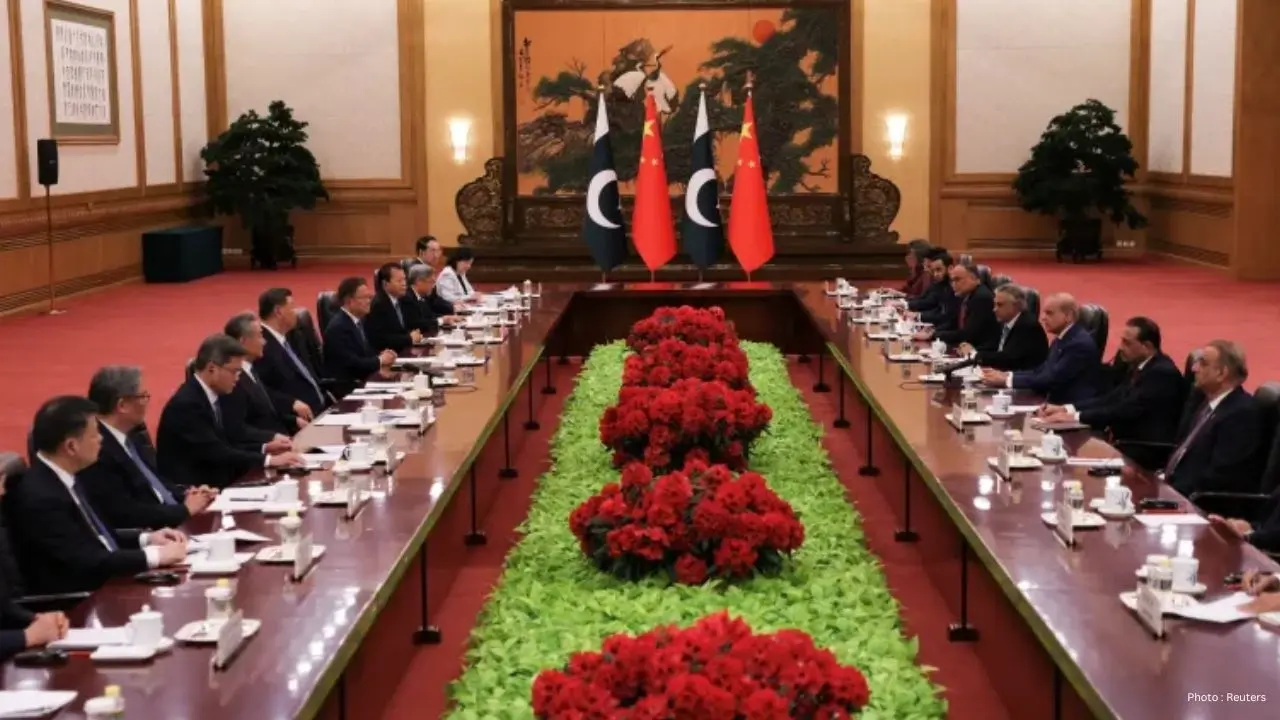
- Possible diplomatic negotiations
- Stability of energy and trade routes
These factors will play a major role in determining whether tensions increase or begin to ease.
Disclaimer
This article is for informational purposes only. The situation is evolving rapidly, and developments may change based on military, political, and diplomatic actions.