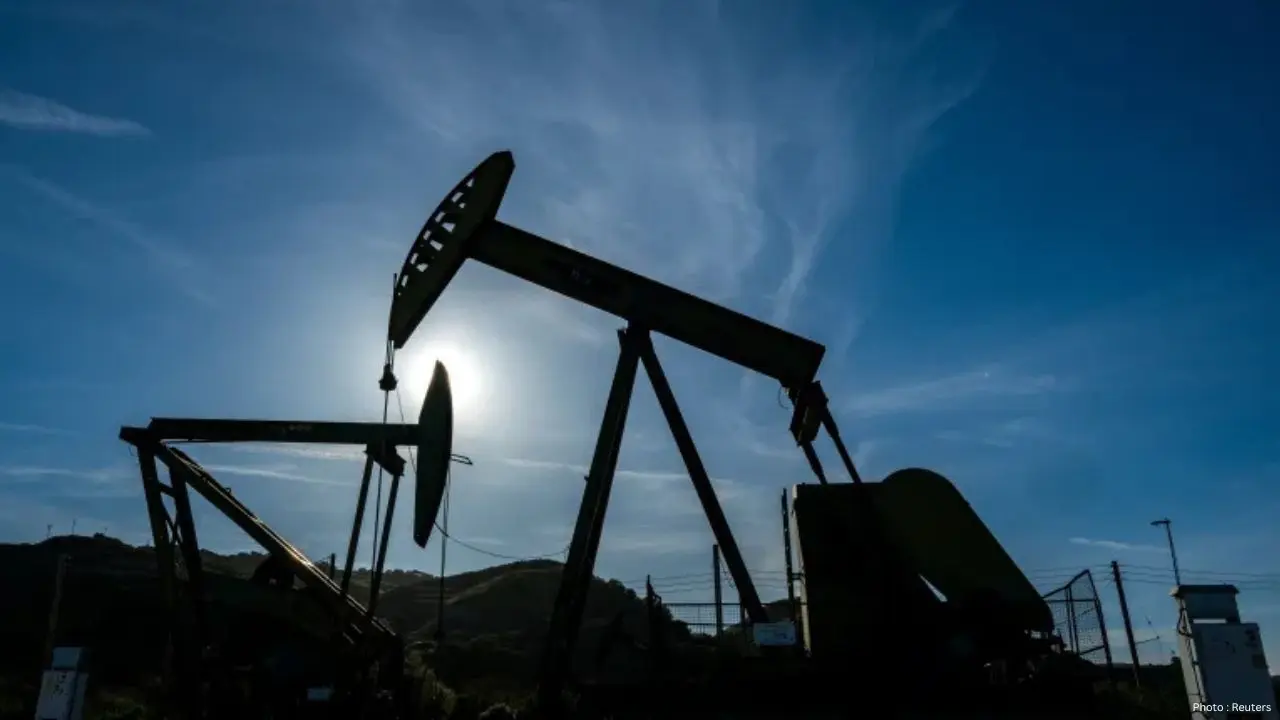
Global oil prices have surged sharply in response to reports regarding US actions aimed at key Iranian ports. These developments have heightened concerns about potential long-term disruptions in oil supply, leading to increased uncertainty within global markets.
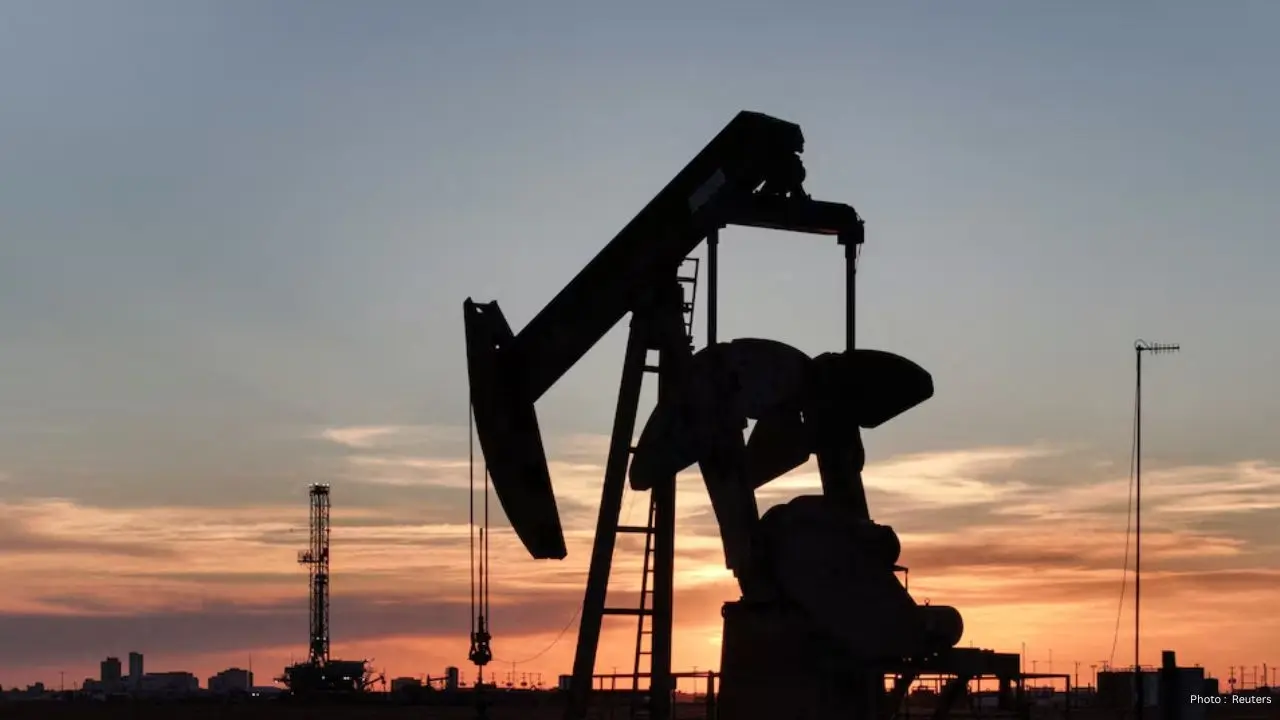
Oil remains a crucial resource worldwide, powering transport, industry, and energy production. Thus, any disruption in its supply can swiftly impact prices and economies across the globe.
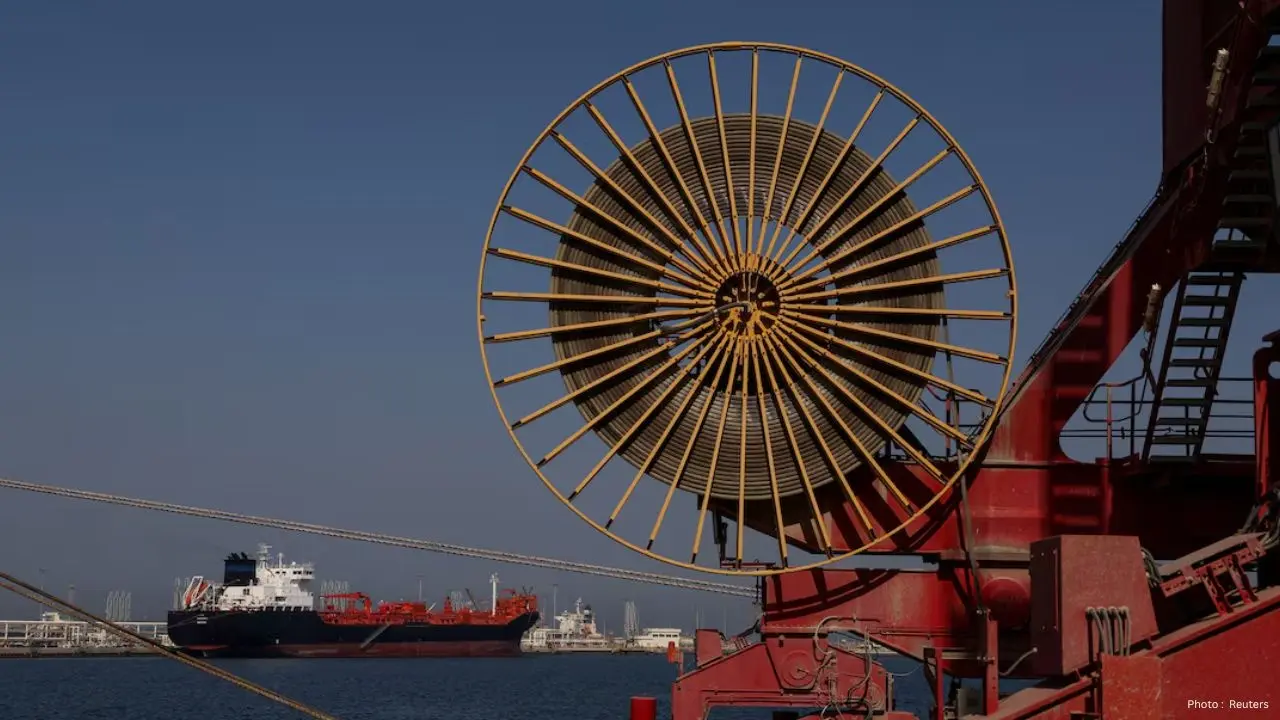
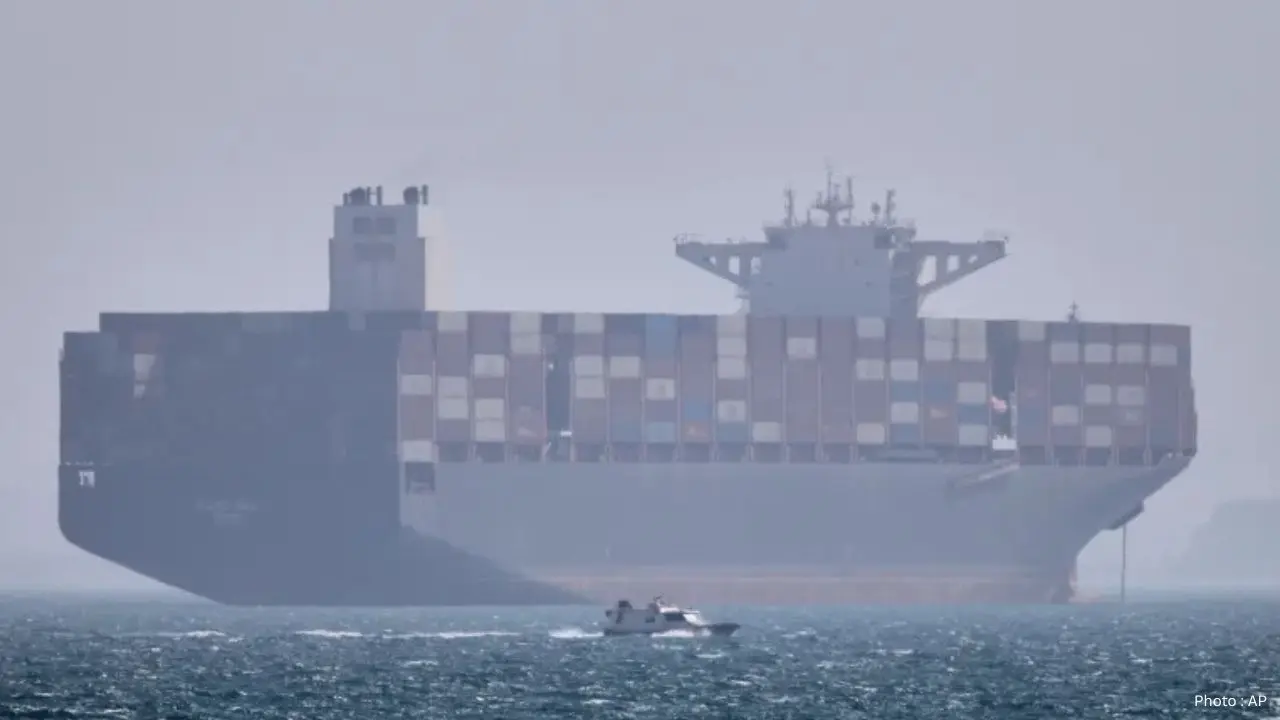
The situation escalates as the United States intensifies its pressure concerning Iranian ports, which are vital for oil exports. The risk to such significant locations raises alarm among traders and investors about future supplies.
Consequently, oil prices are trending upwards, as anticipated supply shortages prompt buyers to secure oil preemptively. This behavior typically drives prices higher.
The ongoing tensions between the US and Iran aren't new, yet any escalation can severely influence global energy markets. The region serves as a major oil source, and minor disruptions can lead to considerable supply fluctuations.
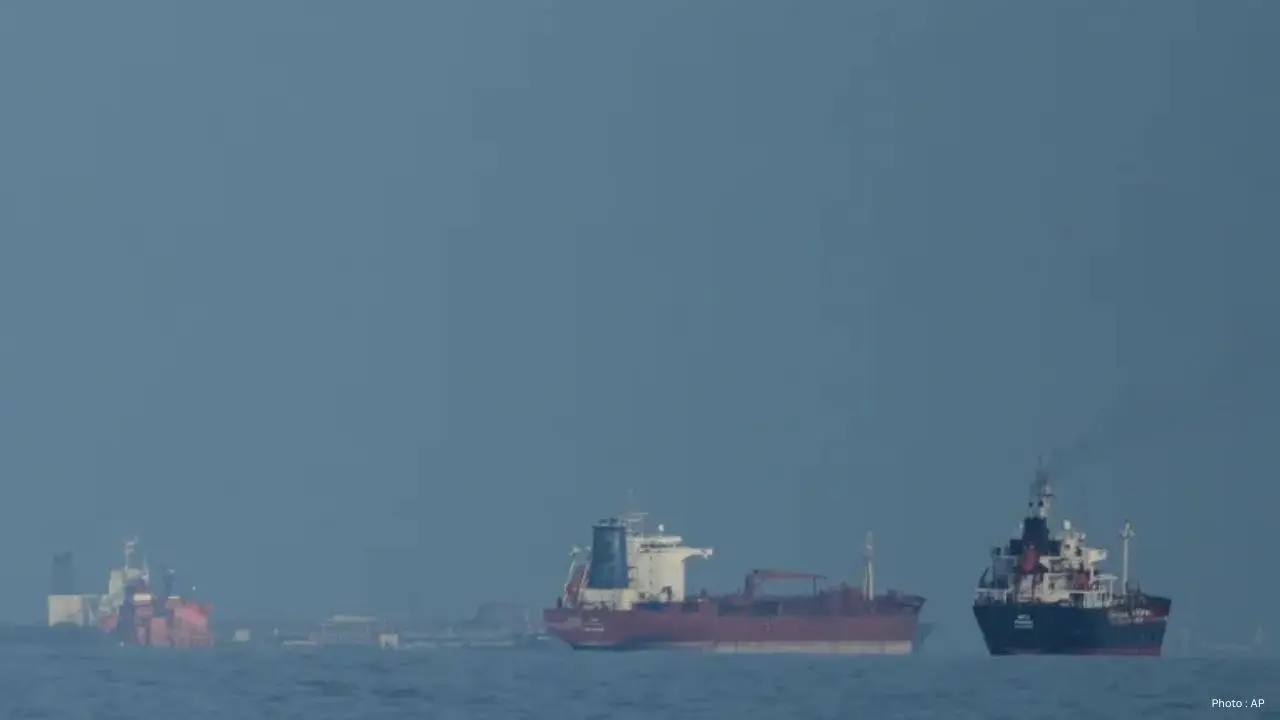
Moreover, concerns about the long-term implications of this situation persist. Should tensions continue, critical shipping routes may be affected, delaying exports and making it harder for countries to obtain necessary oil, thus pushing prices higher.
Rising oil prices can significantly impact everyday life; increased fuel costs drive up transport expenses, which in turn affects the pricing of goods and services. Inflation may see an uptick as a result.
Oil-importing nations like India face economic pressures from climbing prices. Elevated import costs may strain government budgets and disrupt growth initiatives.
Conversely, oil-exporting countries might experience short-term benefits from higher prices, reaping greater earnings from exports. Yet, long-term instability is detrimental as it introduces uncertainty affecting global trade.
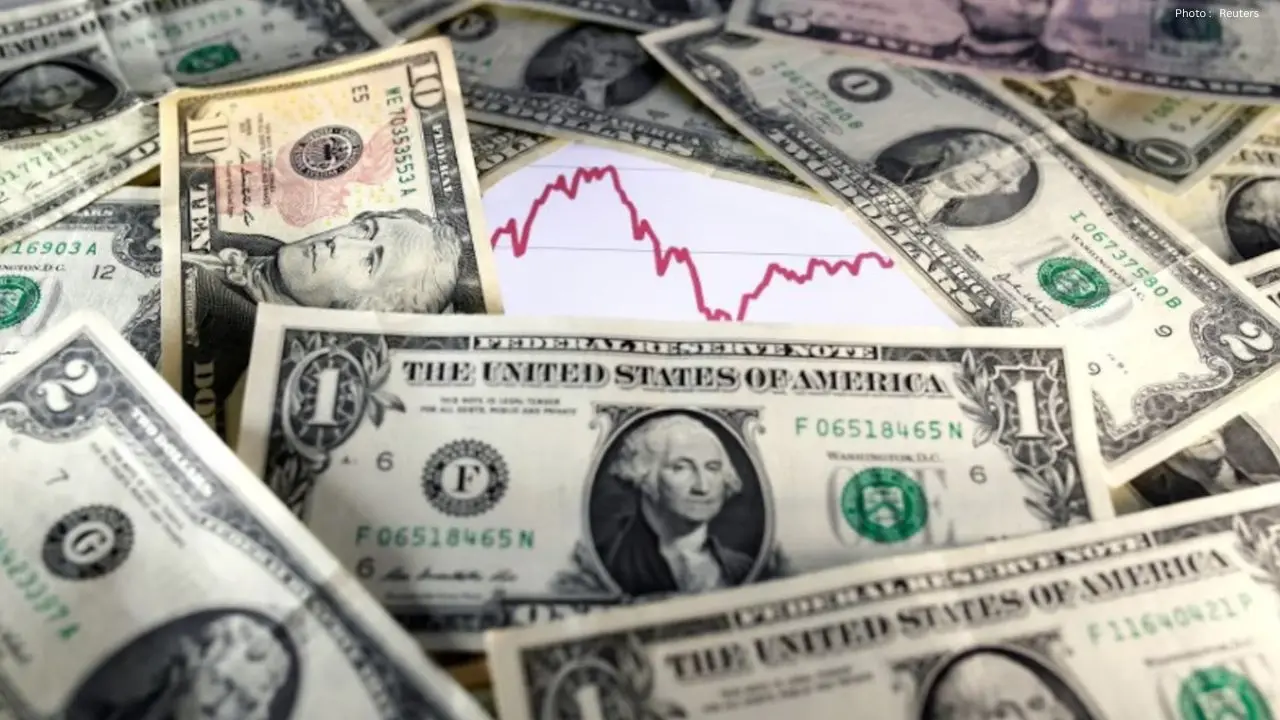
Financial markets are responding to this geopolitical tension. Investors generally become wary, prompting shifts in stock values, currency rates, and investment strategies.
The recent events underscore the interconnectedness of energy markets and global political landscapes. Actions from influential nations can swiftly alter supply chains and price structures worldwide.
There's rising apprehension regarding shipping routes in the region. Escalating tensions could jeopardize key sea lanes utilized for oil transportation, compounding supply issues and inflating price pressures.
Governments and central banks are likely keeping a close watch. Should oil prices continue their climb, interventions may be necessary to curb inflation and safeguard economic stability.
Upcoming days will be critical in determining the trajectory of this situation. A de-escalation might result in price stabilization, whereas escalation could inflict deeper repercussions on global markets.
This drastic increase in oil prices serves as a stark reminder of the energy markets' sensitivity to political developments. As the scenario unfolds, both governments and consumers will inevitably feel its impact.