Following a drone strike near the Barakah nuclear power plant in the UAE, global oil prices jumped, heightening fears around regional security in the Middle East. This incident sparked unease in energy markets, with investors concerned over potential impacts on oil supplies and overall stability in the area.
The attack resulted in a fire near the facility, but officials confirmed that they swiftly managed the situation. Thankfully, there were no reported injuries, radiation leaks, or significant damage to the nuclear plant.
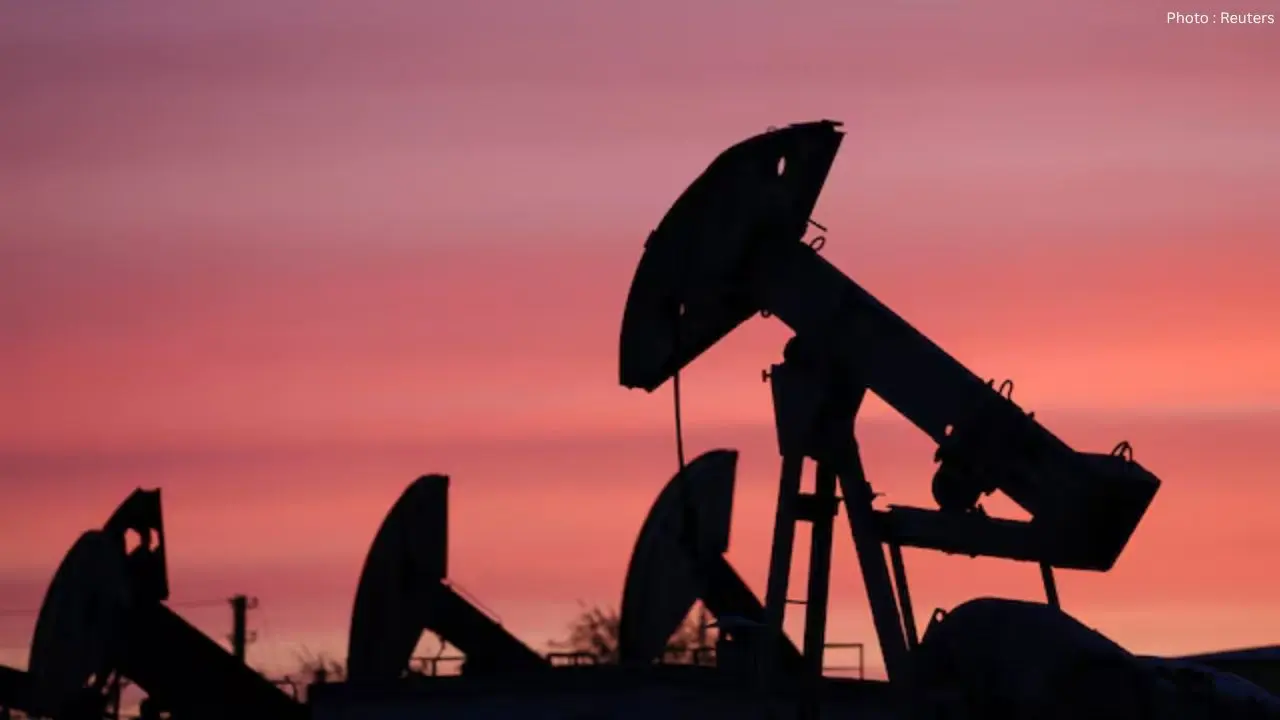
Despite the limited physical repercussions, the incident had an immediate effect on international oil markets. Traders responded vigorously, given the Gulf's critical role in global oil production and exportation.
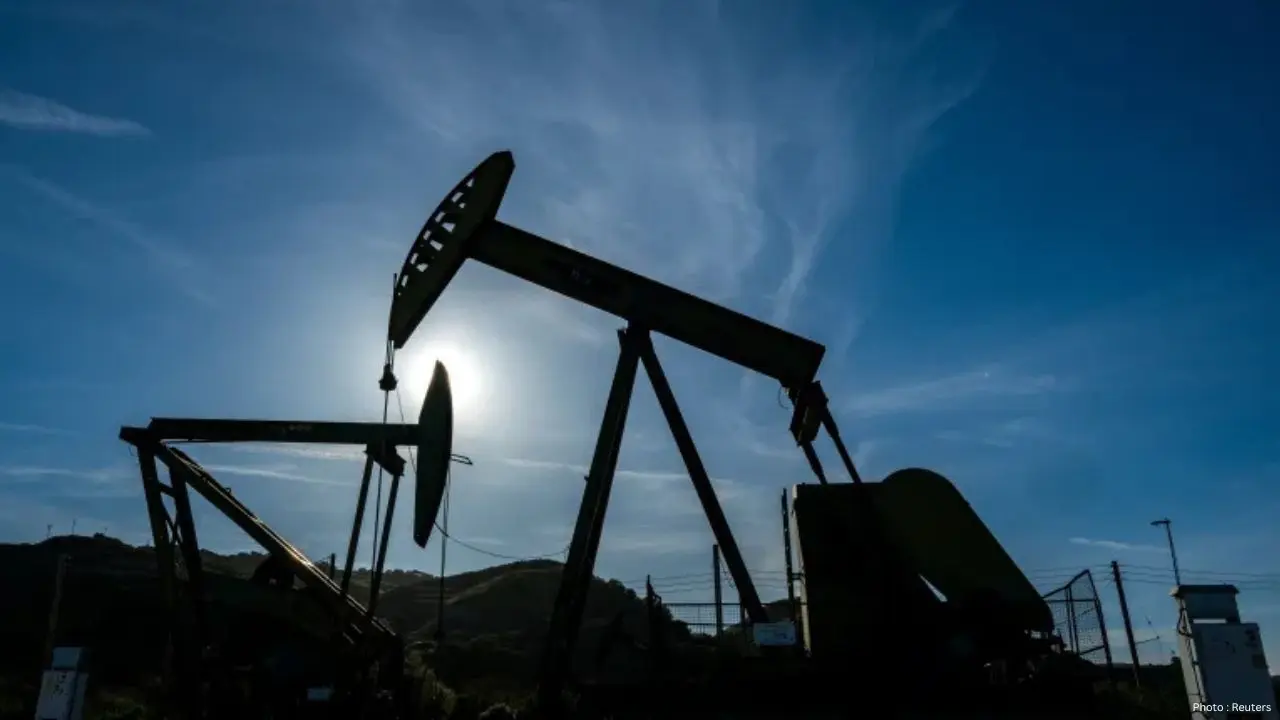
As word of the incident spread, global crude oil prices rose sharply as uncertainties about increasing regional tensions threatened further conflict or disruptions to energy transportation.
The Middle East is crucial in supplying oil worldwide, with any sign of military threat, drone assault, or political instability causing ripples of uncertainty in the global markets. Energy investors closely monitor these events, as even minor disturbances can lead to increased fuel prices globally.
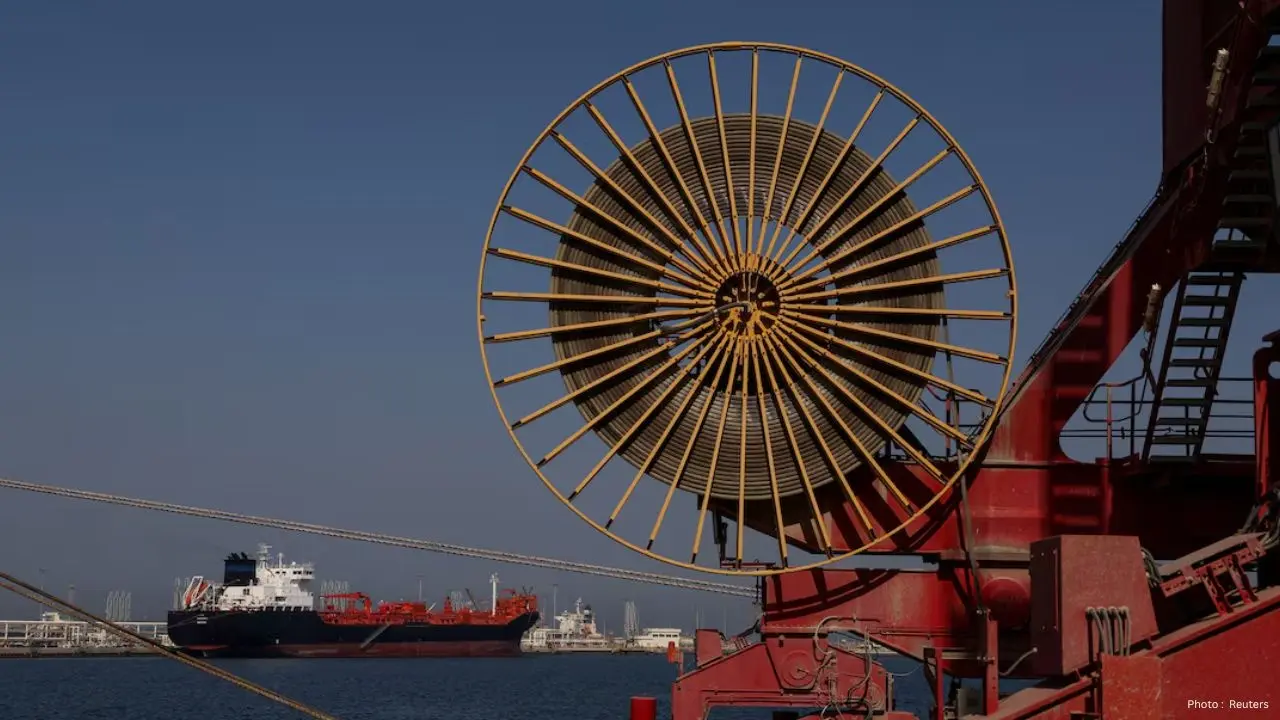
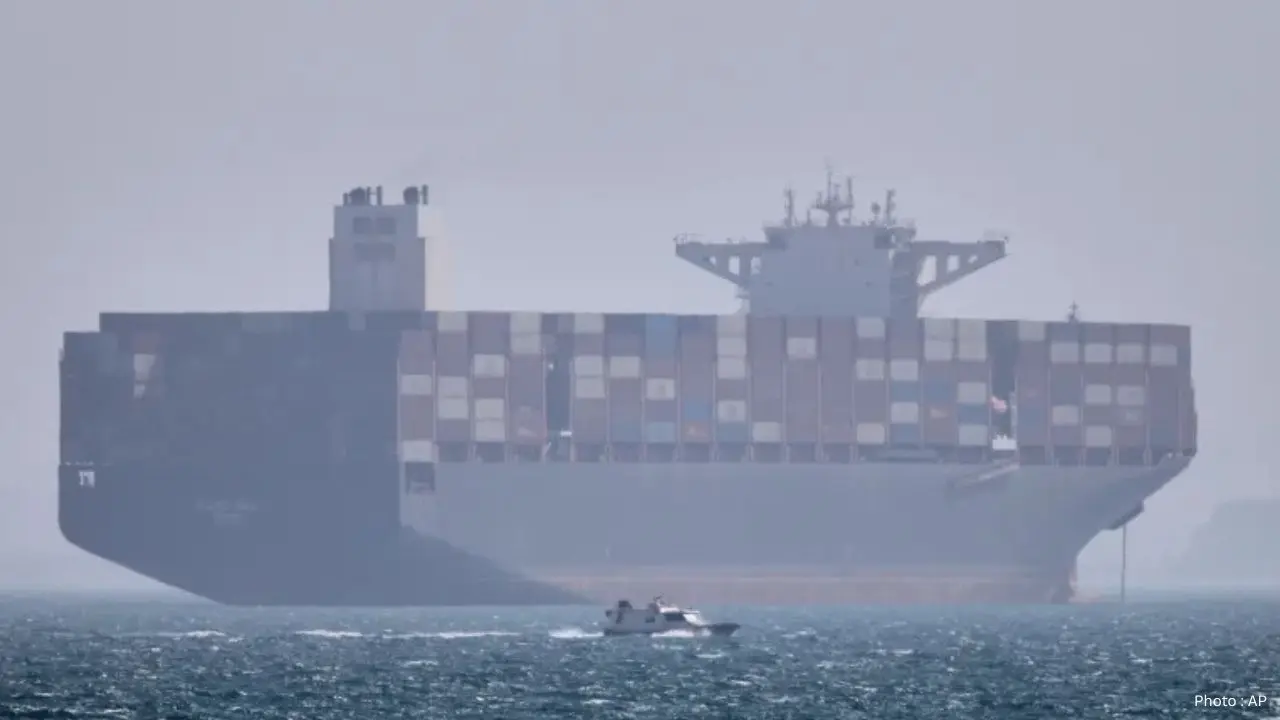
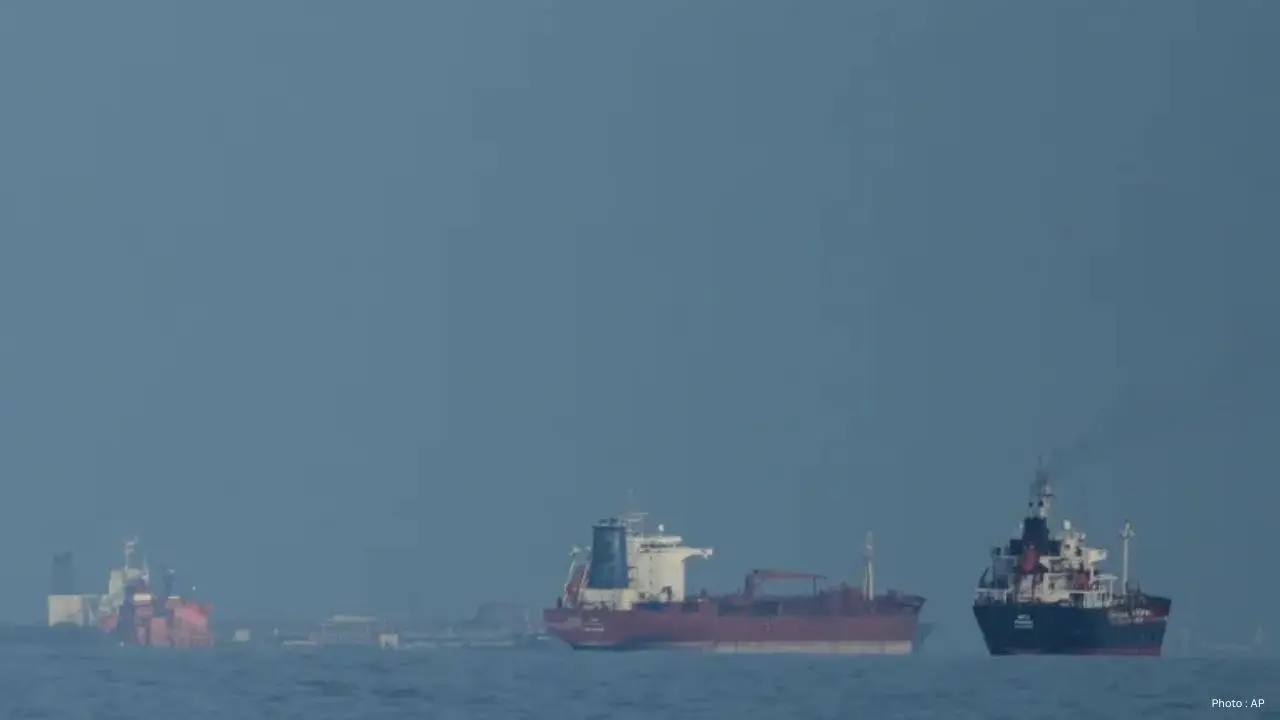
Significantly, the Strait of Hormuz remains a critical shipping corridor for oil from Gulf nations to the world. Any escalation in hostilities in the vicinity poses risks to oil supply chains.
Experts highlight that oil markets are notoriously sensitive to geopolitical risks, often witnessing price hikes even before a tangible supply shortfall materializes.
Rising oil prices have a direct impact on the everyday lives of people worldwide, as increased transportation costs subsequently drive up prices for fuel, food delivery, travel, and numerous essential goods.
Countries reliant on oil imports may face heightened economic strain if prices continue to rise, particularly affecting developing nations where inflation can escalate rapidly due to surging fuel costs.
This latest incident underscores the escalating use of drones in contemporary conflicts, targeting essential infrastructure such as power facilities, ports, and industrial areas. Security professionals warn that this evolution presents new challenges for governments aiming to safeguard vital assets.
This attack emerges amidst already heightened tensions across the Middle East, with ongoing political disputes and military threats further fueling worries about stability in the region.
Financial markets have been cautious in their reactions, as investors remain anxious that prolonged conflicts in the Gulf could hinder economic growth and amplify global inflationary pressures.
Although some analysts assert that prices could stabilize should there be no further aggression, uncertainty persists, compelling traders to remain vigilant amid ongoing developments.
This incident once again illustrates the interconnectedness of global economies, where a single security event in a volatile region can swiftly impact oil prices, business operations, transportation networks, and living costs worldwide.