Reports indicate that nearly $7 billion was wagered on oil prices before a significant rise in tensions associated with the Iran conflict, igniting widespread debate in global financial and energy sectors. This situation raises pressing questions about speculation, investor behavior, and the repercussions of Middle Eastern conflicts on the global economy.
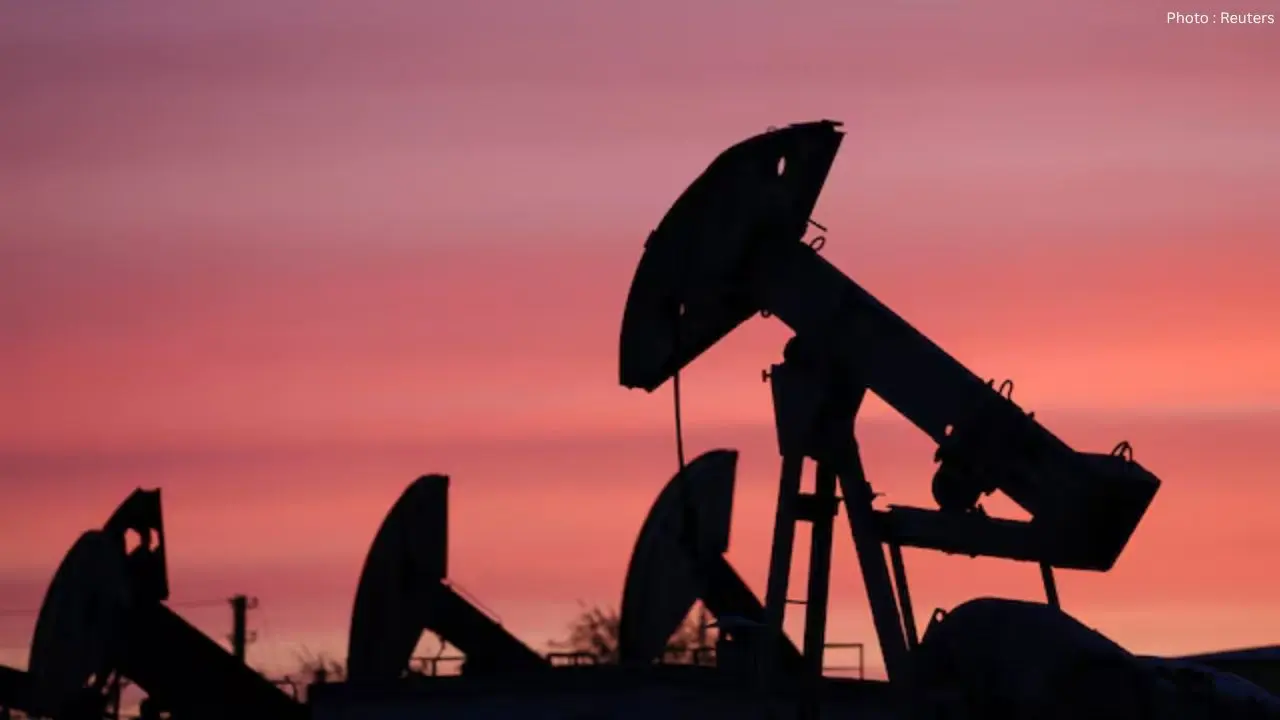
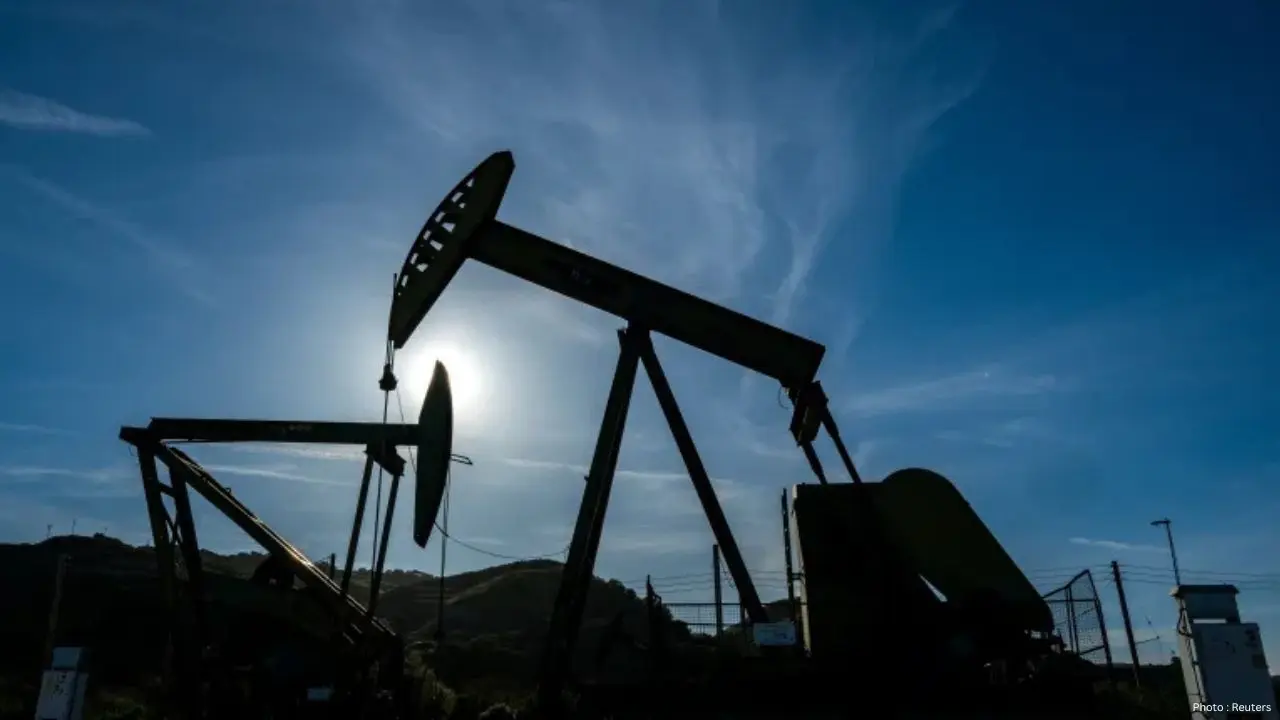
Market analysts report that numerous investors and trading firms adopted substantial positions anticipating a surge in oil prices, coinciding with escalating geopolitical strife in the Middle East. Following a spike in fears regarding a broader conflict involving Iran, international crude oil prices began to soar, resulting in considerable profits for those who correctly predicted the market response.
This issue has attracted attention worldwide, as fluctuations in oil prices have direct implications for fuel prices, transportation costs, inflation rates, and overall economic growth. Geopolitical tensions in the Middle East, particularly around Iran, typically prompt immediate reactions from global energy markets due to concerns over potential supply disruptions.
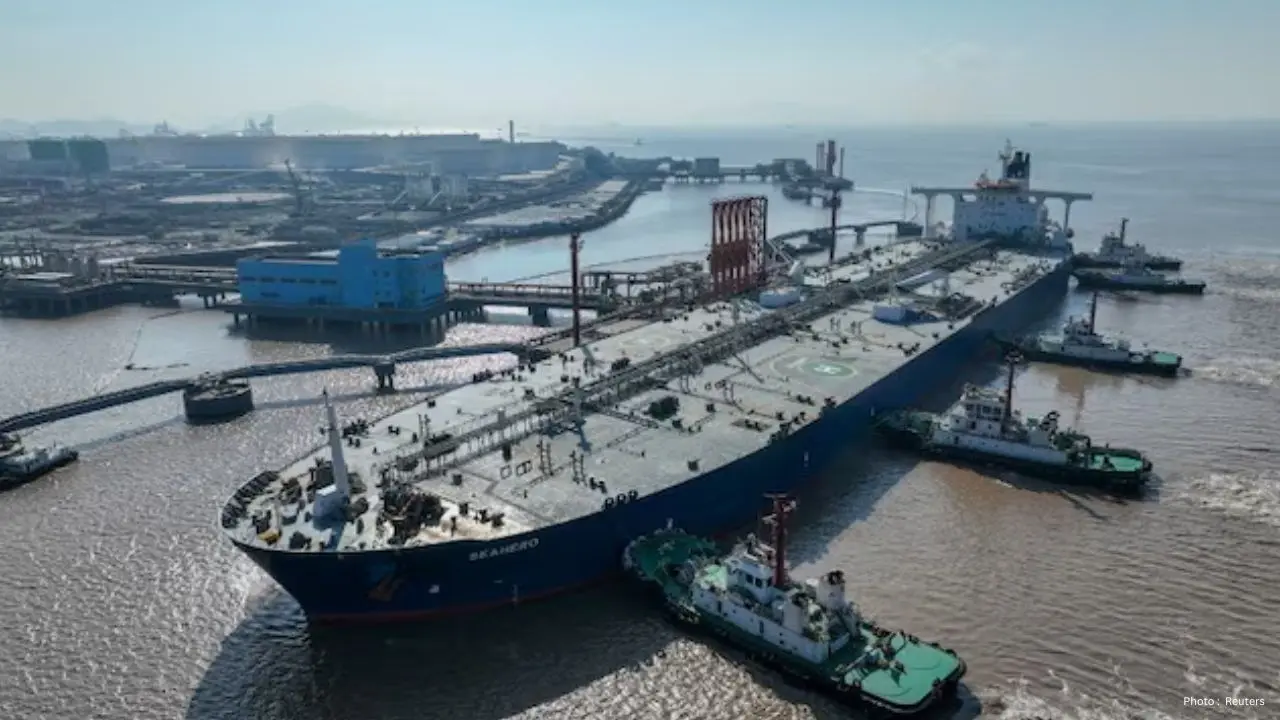
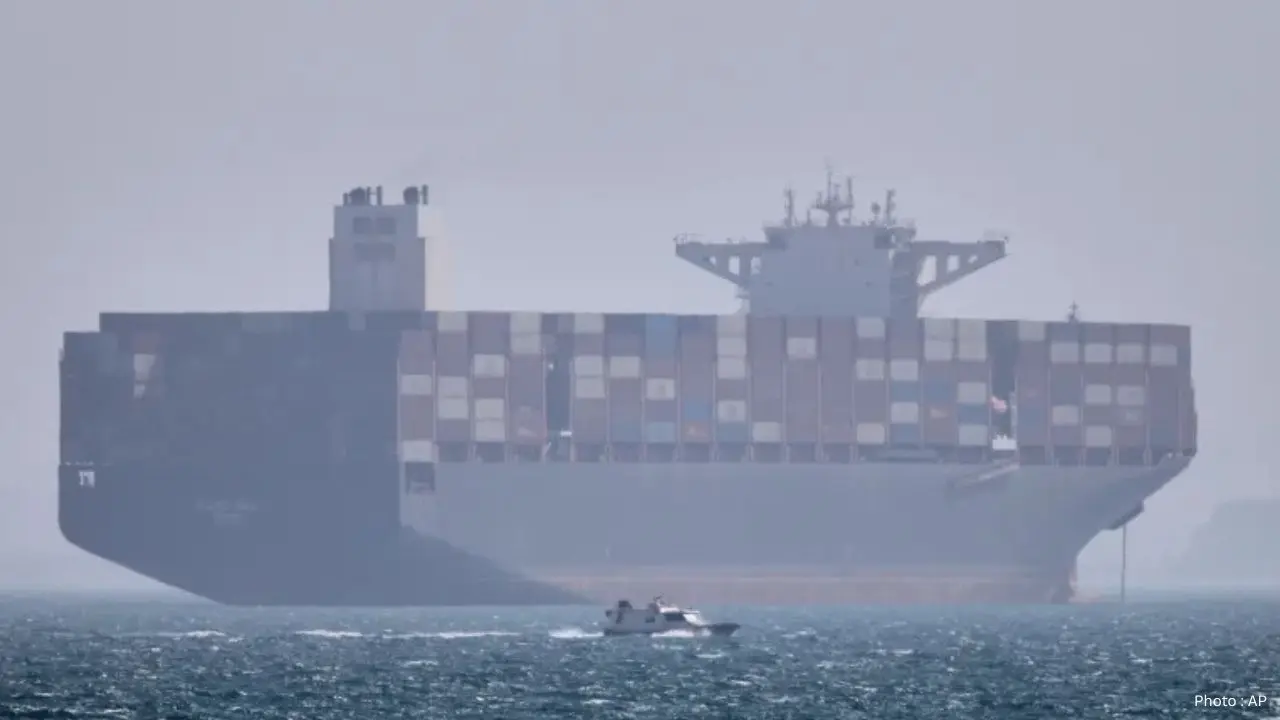
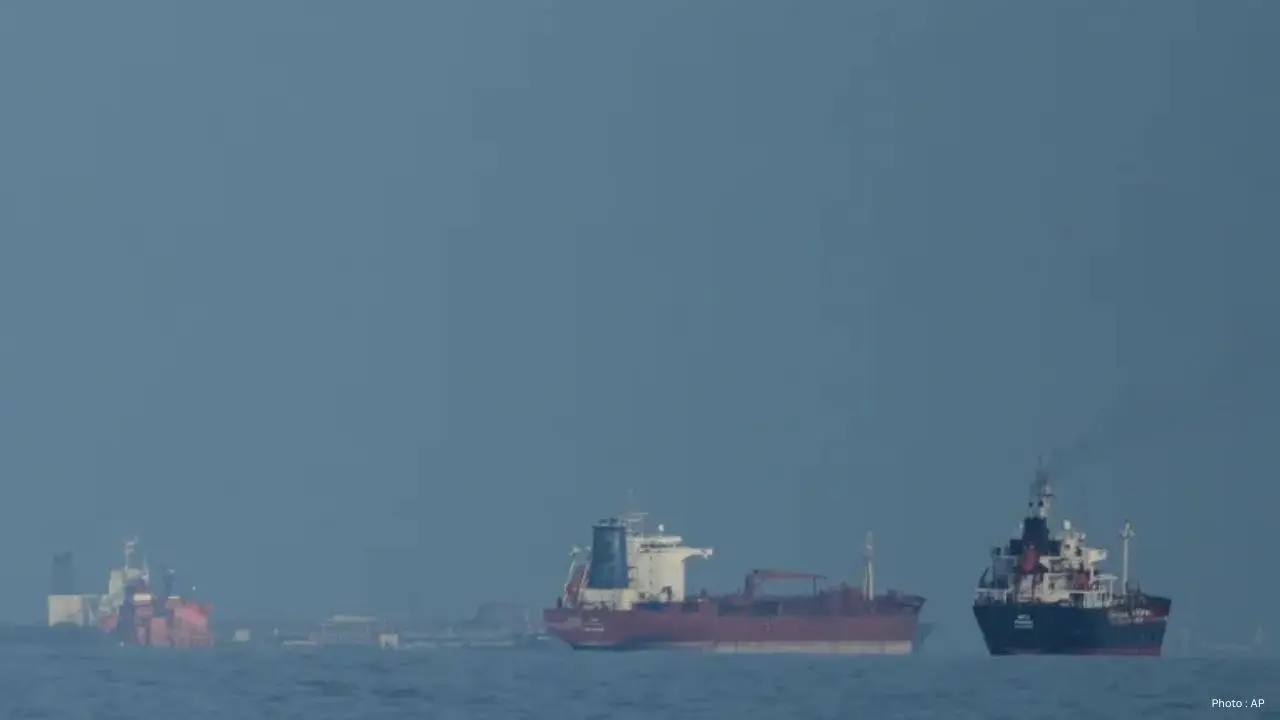
Iran's strategic position close to the Strait of Hormuz is vital for global energy markets, with a significant share of global oil shipments passing through this critical passage daily. Any military threats or instability in this region spark anxiety among governments, energy sectors, investors, and international businesses alike.
Following reports of potential military escalation, international oil prices surged promptly. Analysts postulate that traders, anticipating supply risks, strategically positioned themselves to capitalize on escalating energy costs.
This scenario underscores the profound impact of international conflicts on financial markets. Higher oil prices have far-reaching effects on diverse sectors worldwide, notably airlines, shipping, manufacturing, and transportation. Increased fuel costs inevitably raise the prices of goods and services for consumers at large.
Financial analysts observe that commodity trading driven by geopolitical events is commonplace within global markets, with investors keeping a watchful eye on political tensions, warfare, sanctions, and supply vulnerabilities prior to trading decisions. However, the staggering amount of reported oil bets, close to $7 billion, has attracted particular scrutiny from market experts.
Critics posit that large financial gains emerging from global crises pose ethical dilemmas, especially when such conflicts exacerbate inflationary pressures and economic strain on everyday citizens. The rising costs of oil consistently translate to higher transportation fees, food prices, and living expenses for individuals globally.
The Iranian conflict has already heightened fears regarding global energy security, particularly for several European and Asian nations dependent on oil imports from the Middle East, thereby rendering them extremely susceptible to regional volatility.
Experts suggest that uncertainty could persist in the energy markets as long as tensions tied to Iran remain unresolved. Investors, governmental bodies, and corporations remain vigilant, cognizant that even minor political shifts in the region can swiftly alter global oil pricing.
The unfolding narrative around the $7 billion oil price bets starkly illustrates the intricate connections between geopolitics and financial markets. Middle Eastern conflicts now have a palpable influence on global economies, energy costs, and financial systems within remarkably short timeframes.