In a surprising turn, global oil prices are on the decline as US crude sees a dip driven by investors’ cautious sentiment ahead of a significant ceasefire deadline involving the United States and Iran. This drop underscores the prevailing uncertainty surrounding peace negotiations and the potential stability of oil supplies from the region.
Latest trading reports indicate a decrease in US crude futures following a notable rise earlier, evidencing how responsive the oil market is to shifting political environments in the Middle East. Investors tend to react swiftly to signs of both risk and stability.
The upcoming ceasefire deadline is pivotal for market dynamics. While current pauses in conflict have alleviated immediate concerns, doubts linger regarding the commitment from both parties to uphold the ceasefire. Renewed tensions could hamper oil supply, leading to another surge in prices.
A critical factor is the Strait of Hormuz, a vital corridor that facilitates a significant portion of the world’s oil shipments. Any disturbance in this zone can trigger substantial repercussions in global energy markets, with even minor incidents capable of dramatically shifting price levels.
Market participants are also closely monitoring the potential for renewed talks between the United States and Iran. If negotiations progress positively, an influx of oil could stabilize prices or even reduce them further.
Nevertheless, uncertainty persists. Disagreements linger, and reports of minor breaches have intensified concerns. Shipping operations within the Strait of Hormuz have not fully normalized, contributing to a prevailing sense of caution among investors.
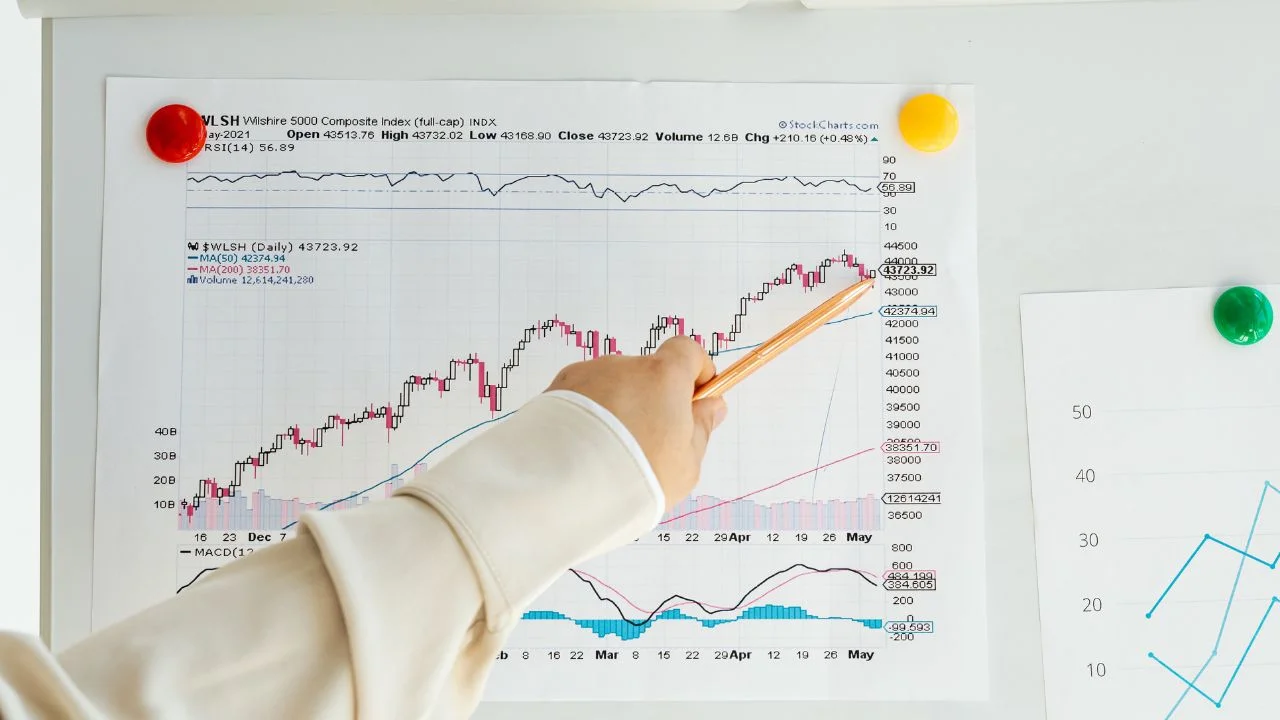
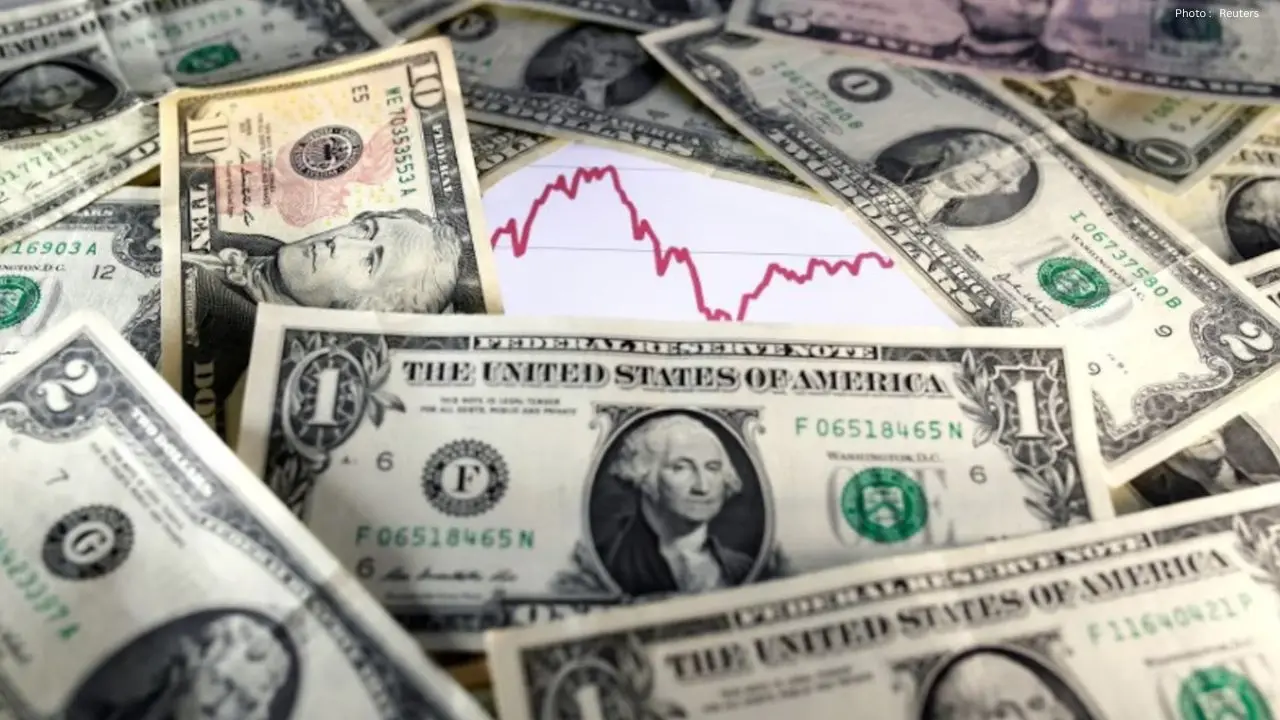
The fluctuating oil prices reveal the volatile nature of global markets in response to news. Recently, prices surged due to feared conflicts; now, optimism regarding negotiations is leading them to drop.
Experts suggest that even if the ceasefire holds, market stability may require time. Continued infrastructure damage, supply delays, and existing tensions could prolong unpredictability in prices.
The fluctuations in oil pricing influence numerous areas of the global economy. Variations in crude costs impact fuel prices, transportation expenses, and even the prices of consumer goods, making their movement consequential for daily life worldwide.
Investors are also keeping an eye on global demand and supply metrics. These factors, alongside political developments, play a crucial role in determining price trajectories.
This scenario underscores the intricate relationship between global political dynamics and economic markets. Decisions stemming from diplomatic negotiations can swiftly alter market conditions, showcasing the world’s interconnectedness.
As the deadline for the ceasefire draws near, all eyes will be on whether the United States and Iran can forge a sustainable agreement, with implications for oil prices and economic patterns over the upcoming weeks.