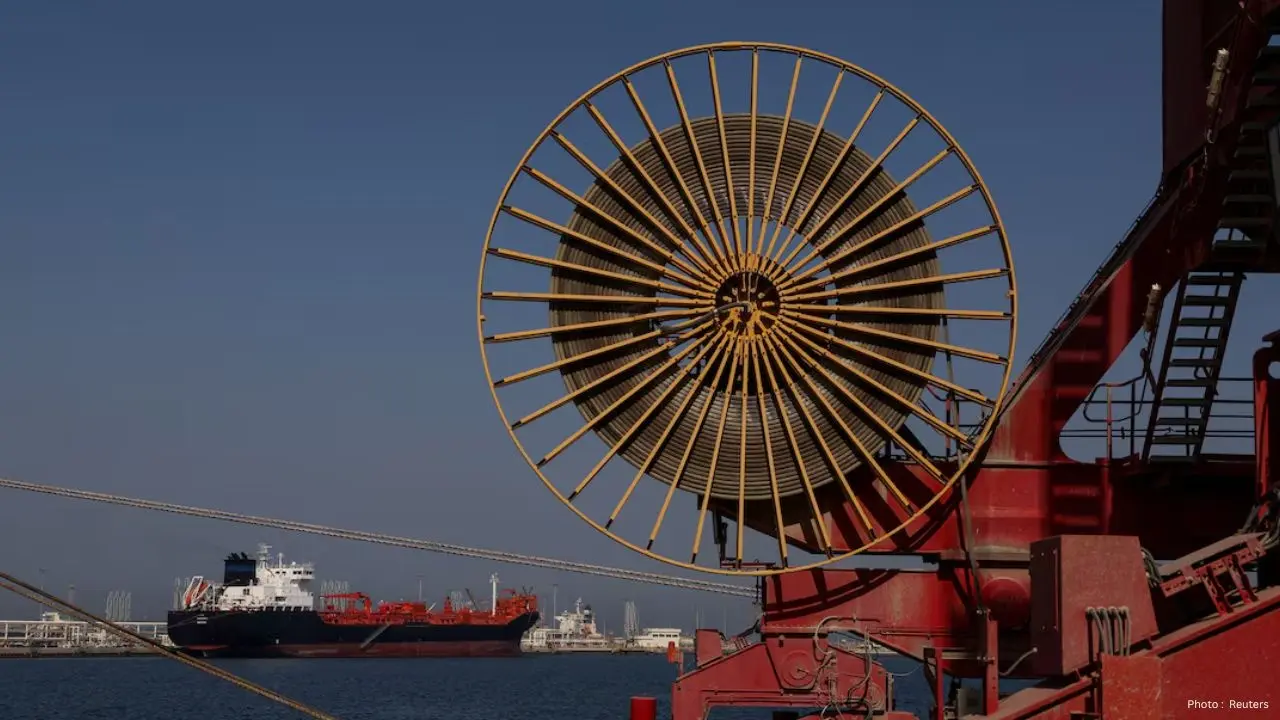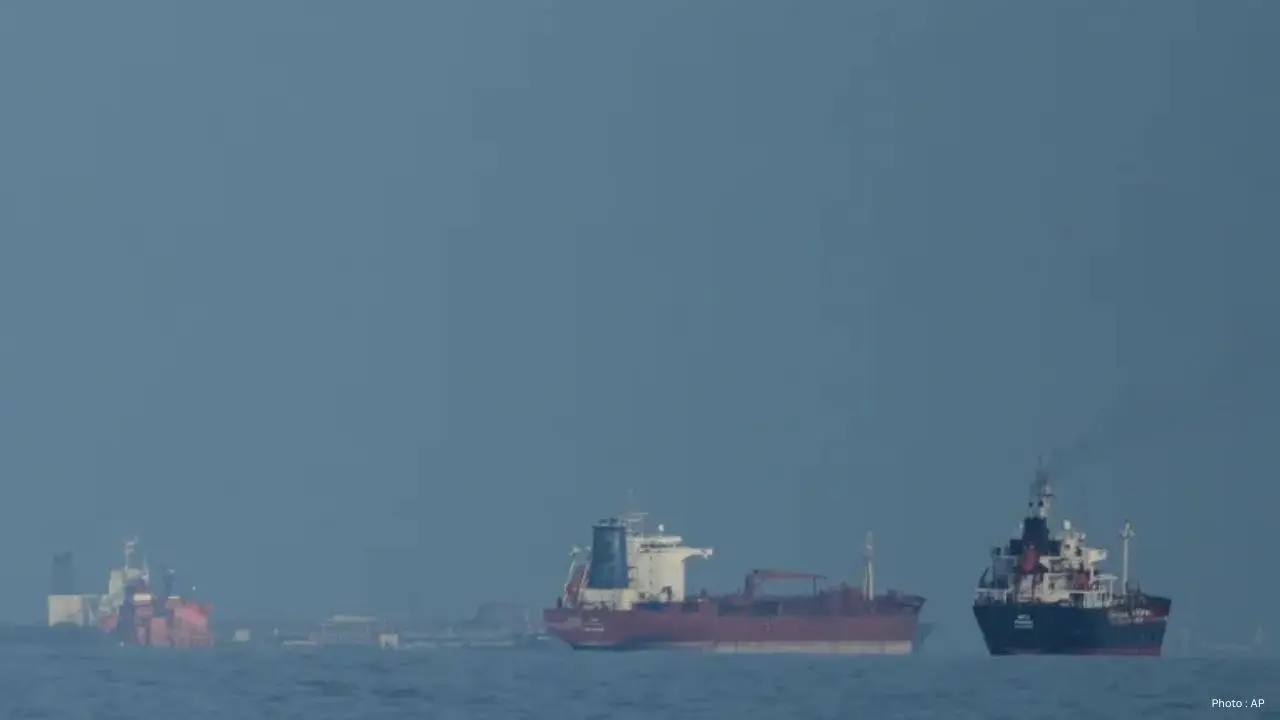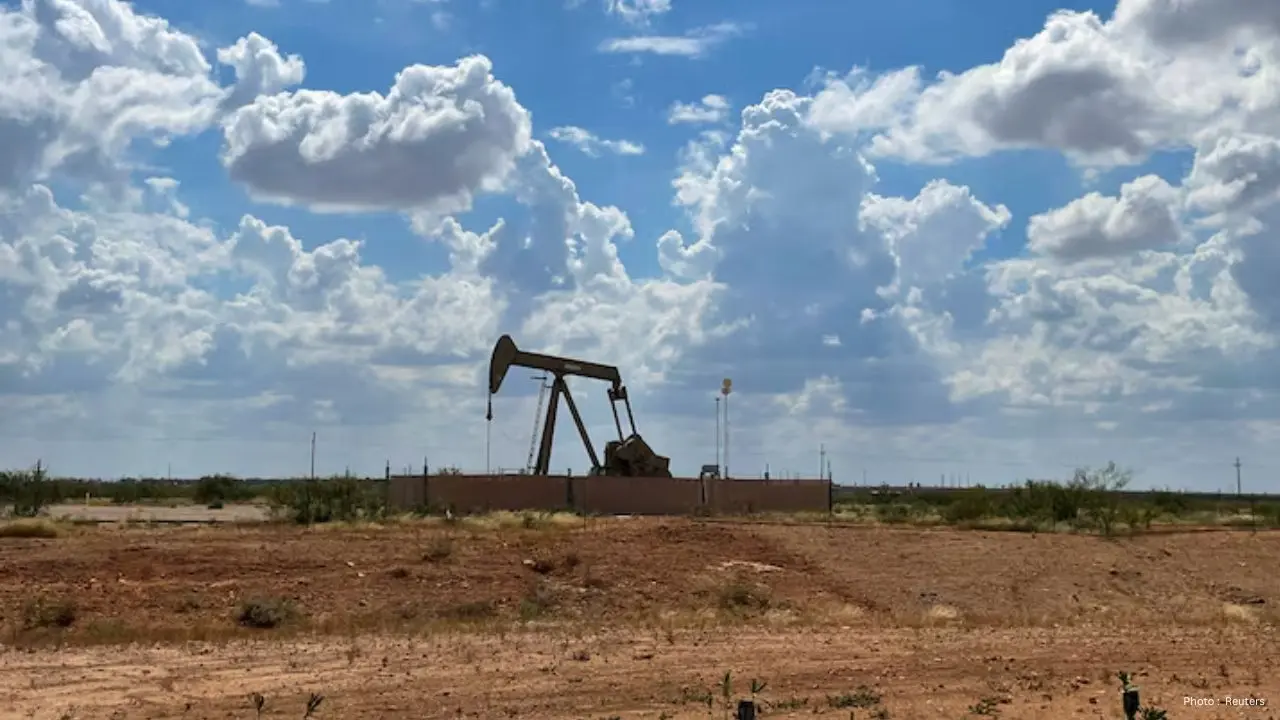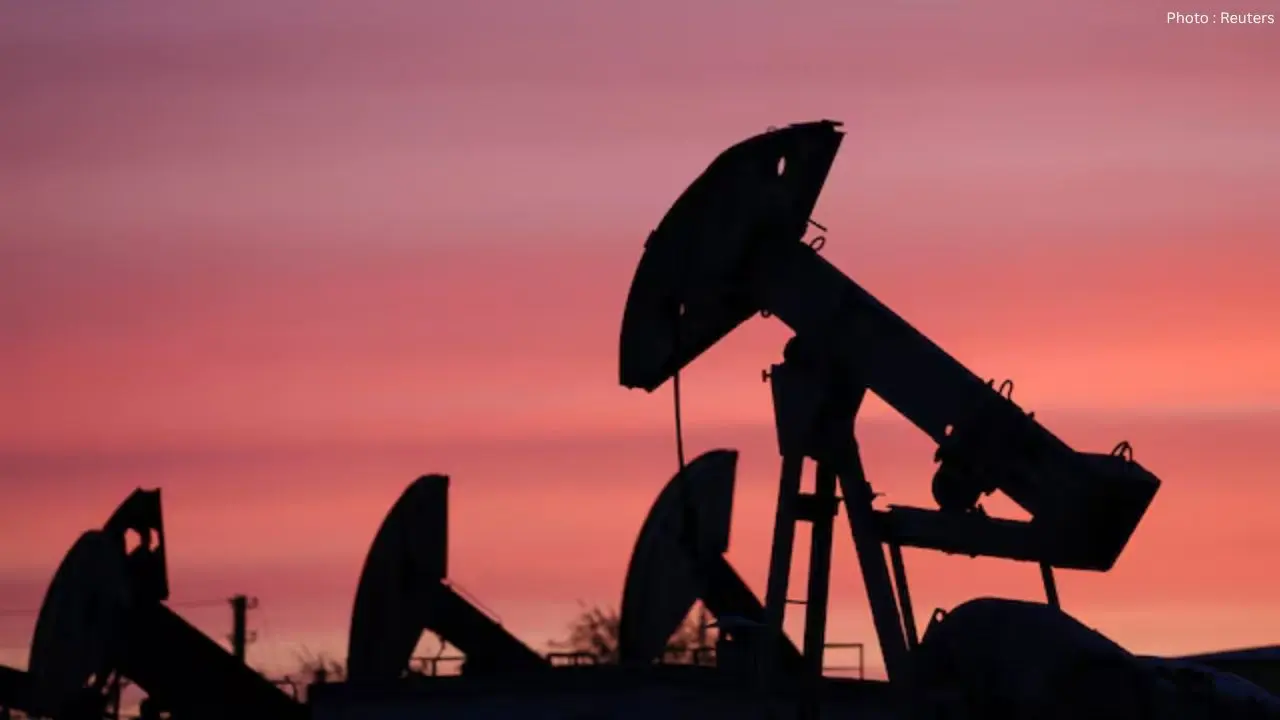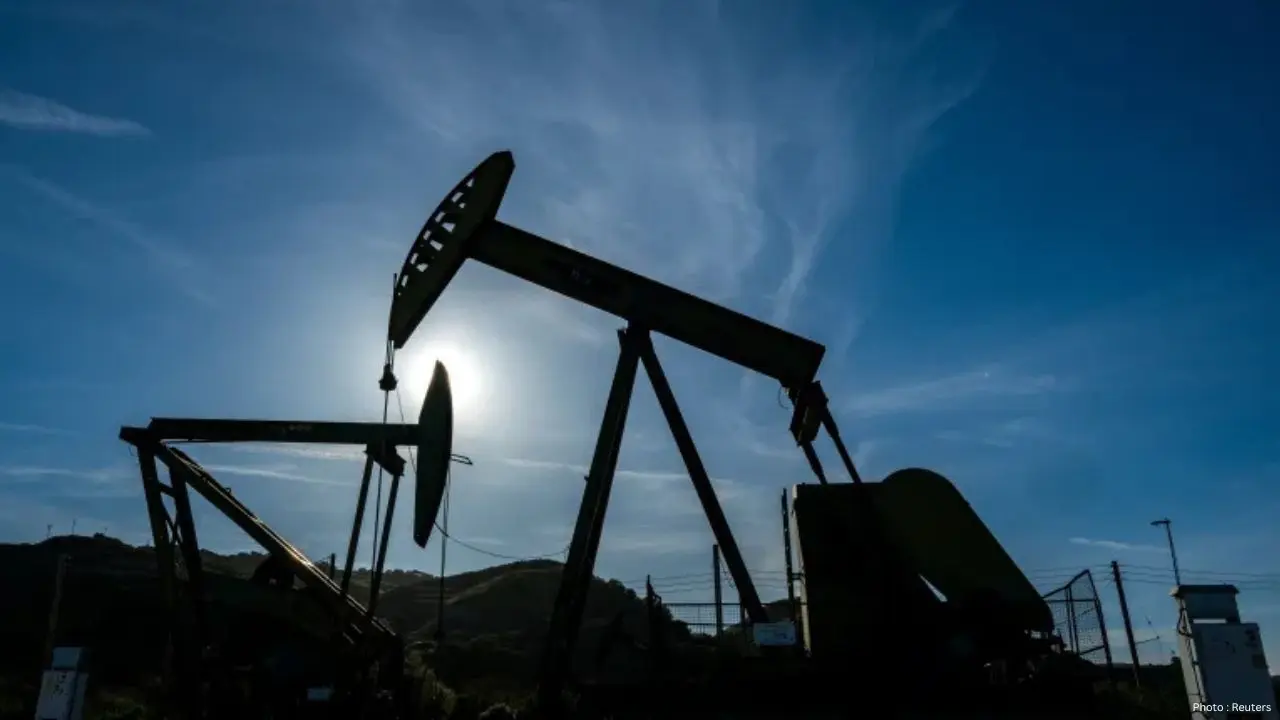
The recent escalation of tensions in the Strait of Hormuz, a crucial channel for oil transportation, has led to a significant increase in global oil prices. The surge has prompted concern among investors and consumers alike as this route is vital for the flow of crude oil worldwide.
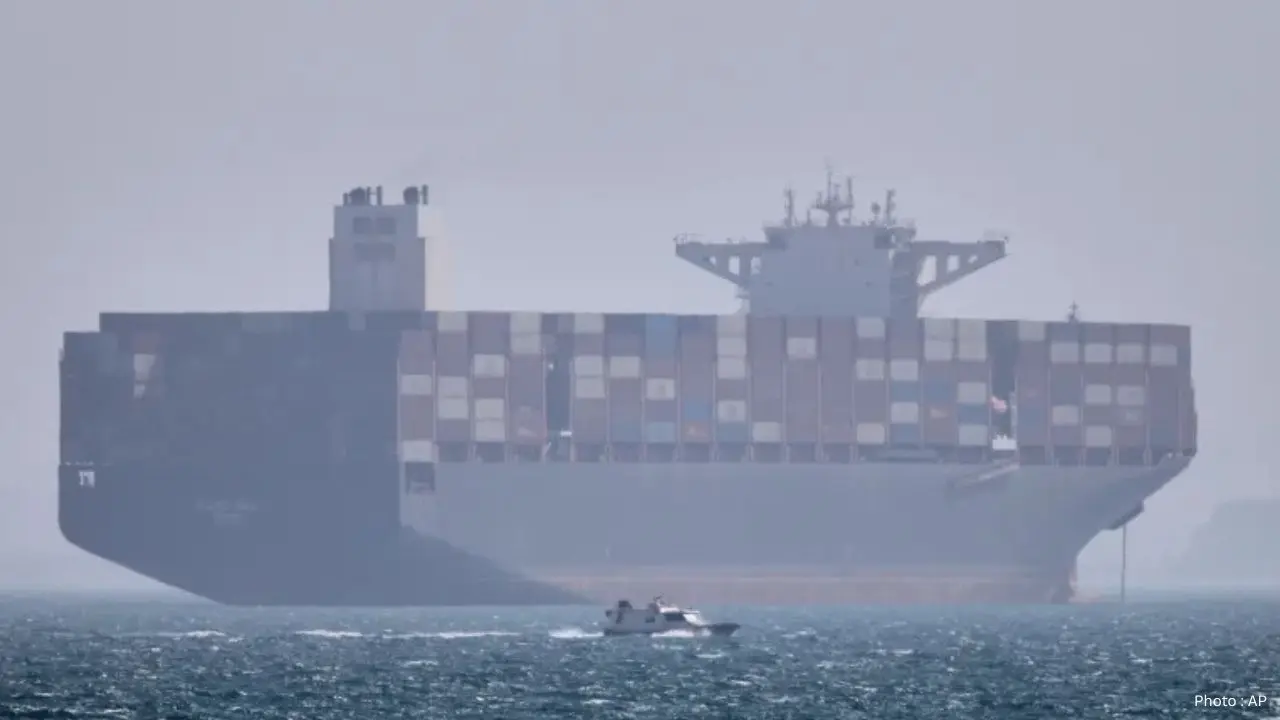
As one of the world's busiest oil passageways, the Strait of Hormuz experiences daily shipments of a substantial portion of global oil. Disruptions to this artery can have immediate and widespread effects on oil availability. The situation has grown increasingly volatile due to recent incidents involving maritime attacks and heightened military presence, posing risks to safety in oil transport.
The rapid rise in oil prices is a direct reaction from global markets, with traders anxious about potential shortages. Such uncertainties historically trigger price hikes, and the current scenario exemplifies this trend. Headlines have featured buzzwords like oil prices surge 2026 and Strait of Hormuz violence prominently.
These increased oil prices significantly affect everyday life. With fuel costs rising, both transportation and goods become pricier, potentially leading to inflationary pressures on economies, particularly in nations highly reliant on oil imports.
This ongoing crisis underscores the fragility of global markets in response to geopolitical conflicts. Even minor skirmishes in vital areas can lead to sharp fluctuations in worldwide pricing structures. Hence, maintaining stability in the Middle East is essential not just for regional peace but also for the international economy.
The long-range implications of escalating tensions in the region are alarming. Should the current instability persist or worsen, severe supply disruptions could follow, further inflating oil prices and challenging economic conditions for numerous nations.
While measures are underway to safeguard maritime routes and reduce risks, uncertainty remains palpable, with markets poised to react to ongoing developments. Stakeholders, including investors and government entities, remain vigilant as they assess potential impacts on global energy supplies.
This crisis illustrates the urgent need for diversified energy solutions. Countries are increasingly prioritizing alternative energy sources to the extent that reliance on oil may decrease. Investing in renewable energy and local production strategies is becoming vital for ensuring energy security.
Concurrently, diplomatic endeavors are critical for easing tensions and ensuring safe navigation through the Strait of Hormuz. The road to stable oil prices and global market equilibrium fundamentally relies on peace and collaboration in the region.
The climbing oil prices stemming from unforeseen tensions in the Strait of Hormuz serve as a stark reminder of our interconnected global economy. Disturbances in one locality can swiftly ripple across the globe, emphasizing the need for careful conflict management and stable energy supply frameworks.