Global Tensions Rise: What the Latest Middle East Conflict Means for the World
Understanding the Current Situation
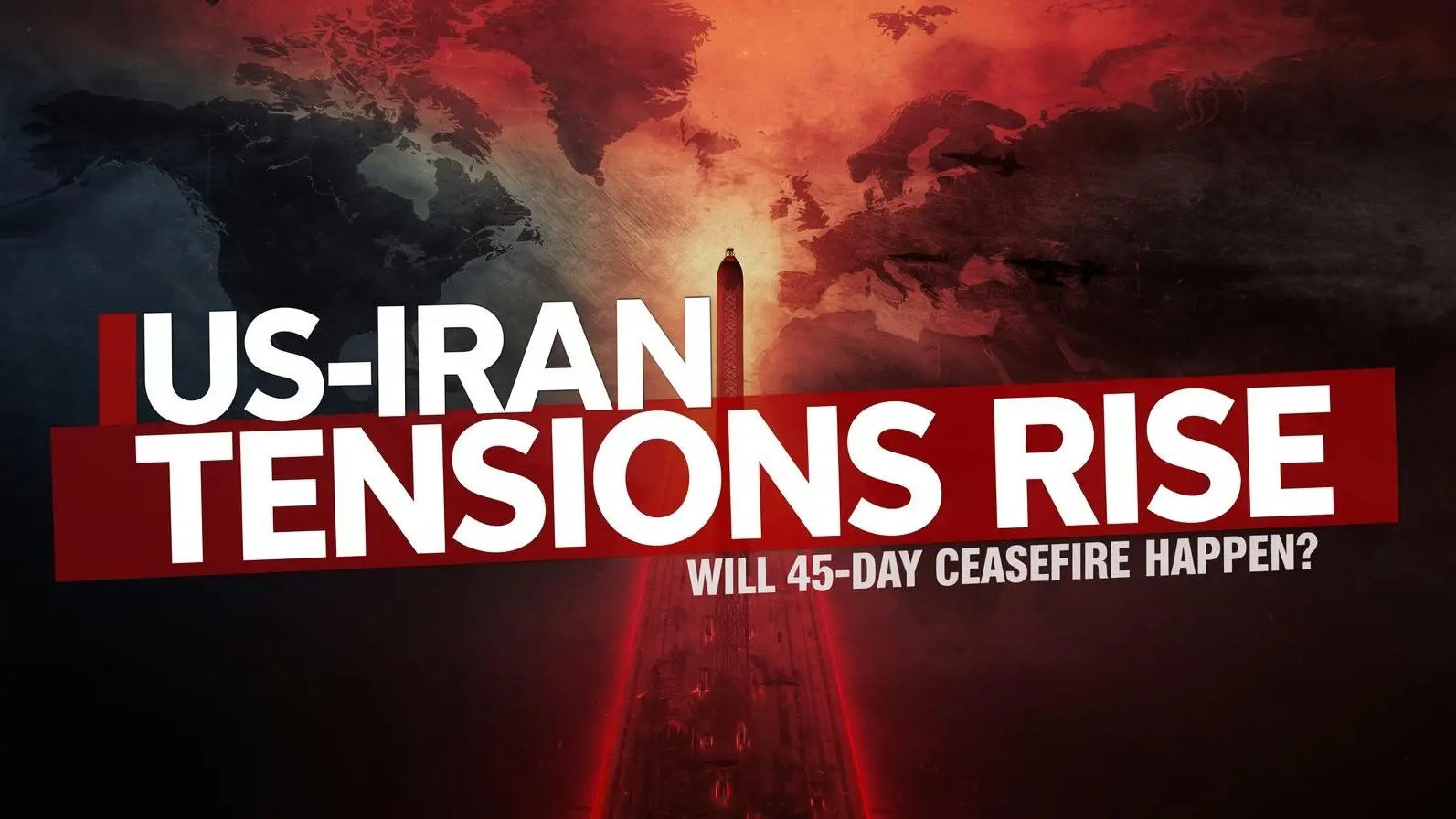
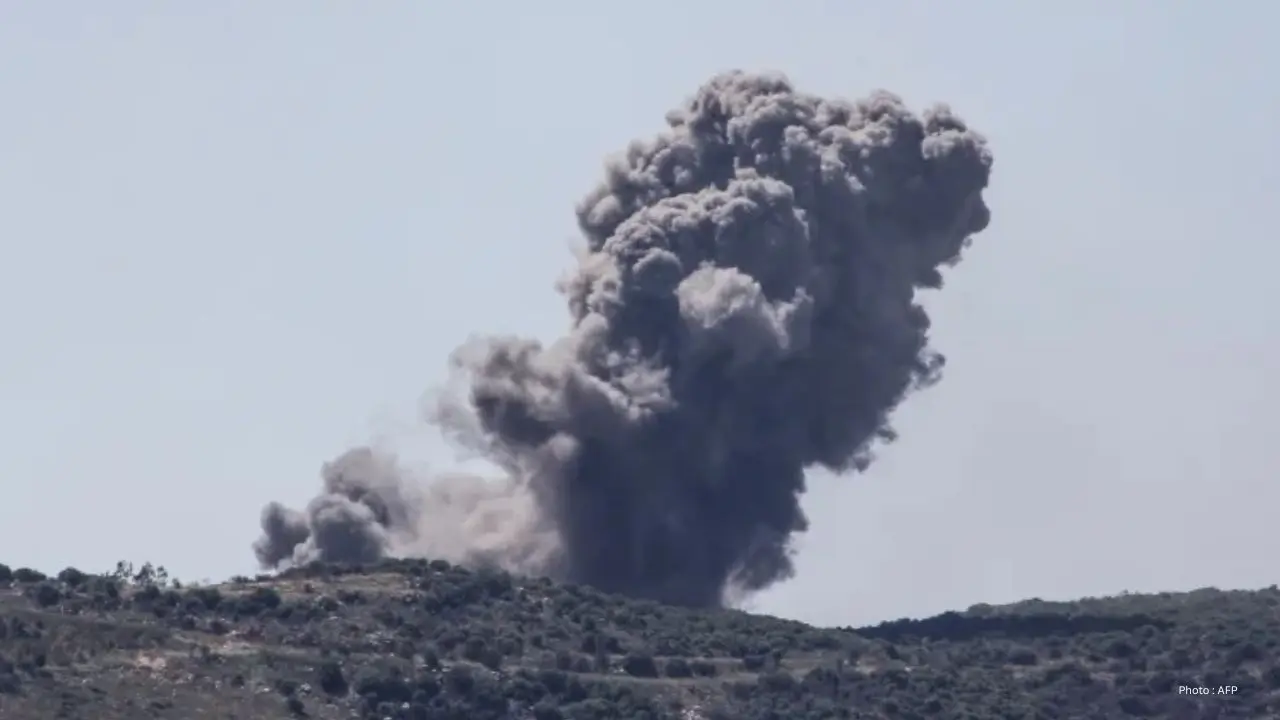
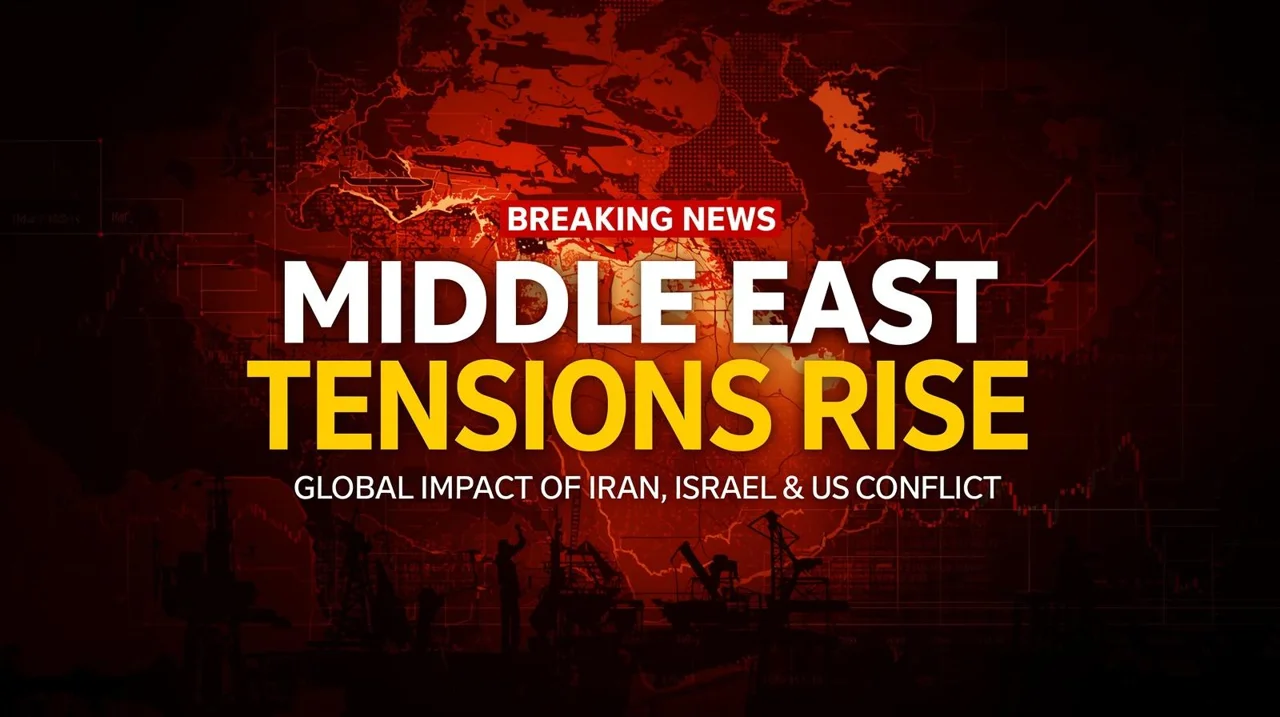
The Middle East is once again at the center of global attention as rising tensions between Iran, Israel, and the United States continue to escalate. The region has long been a hotspot for geopolitical conflict, but recent developments have intensified concerns about a broader international crisis.
Military movements, diplomatic breakdowns, and growing regional alliances are shaping a complex situation that affects not just nearby countries but the entire world. The involvement of global powers and the risk of spillover into neighboring nations have raised alarms among political analysts and global organizations.
Key Factors Driving the Conflict
Several critical elements are contributing to the current escalation:
- Strategic Rivalries: Long-standing hostility between Iran and Israel, rooted in political, ideological, and security concerns.
- Military Presence: Increased deployment of forces by the United States in response to threats and regional instability.
- Proxy Conflicts: Indirect confrontations through allied groups across countries like Syria and Lebanon.
- Nuclear Concerns: Renewed fears over Iran’s nuclear ambitions and potential countermeasures.
These factors create a volatile environment where even minor incidents can trigger significant escalation.
Impact on Global Economy
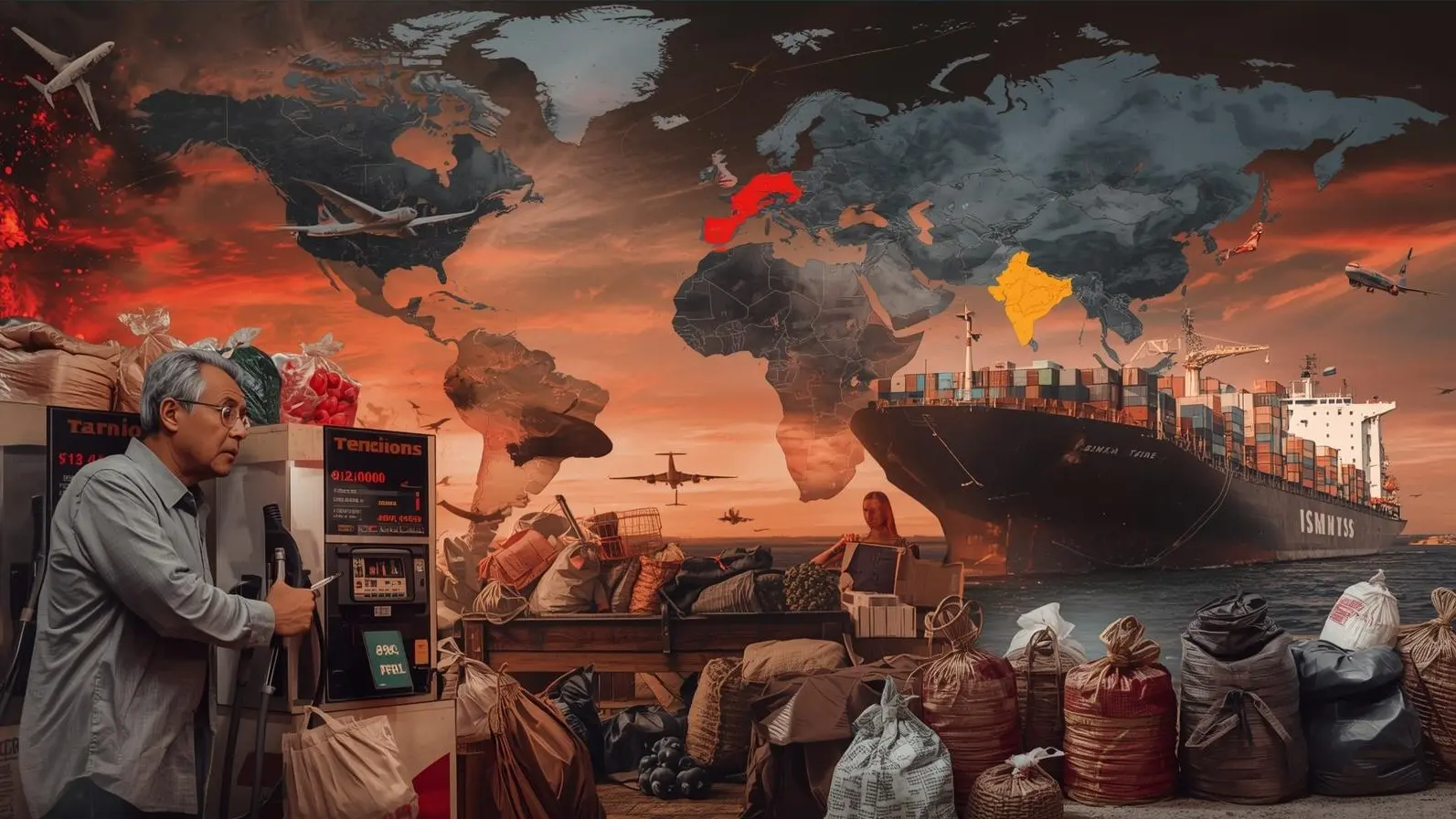
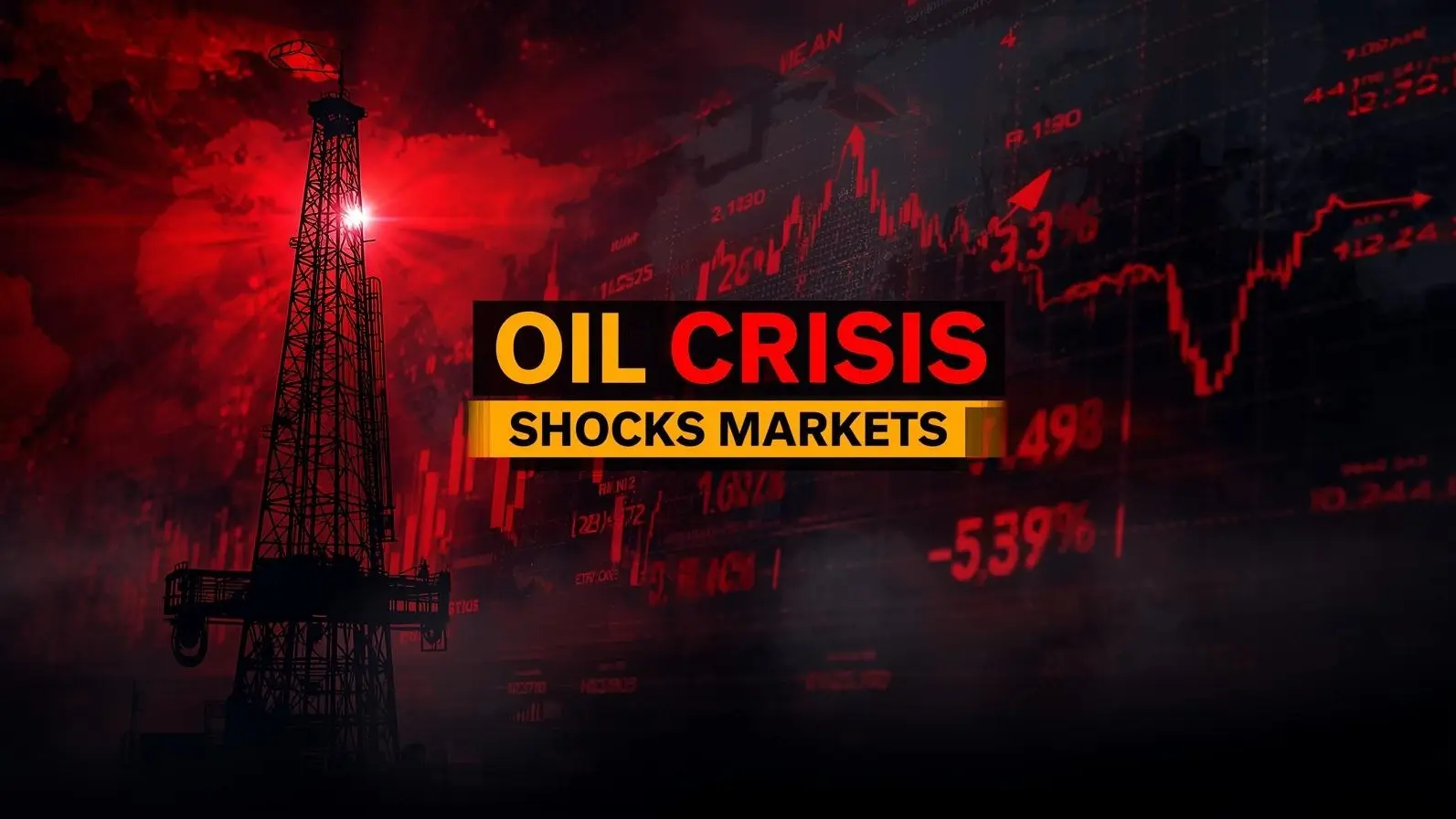
The conflict is already affecting global markets, especially in sectors tied to energy and trade.
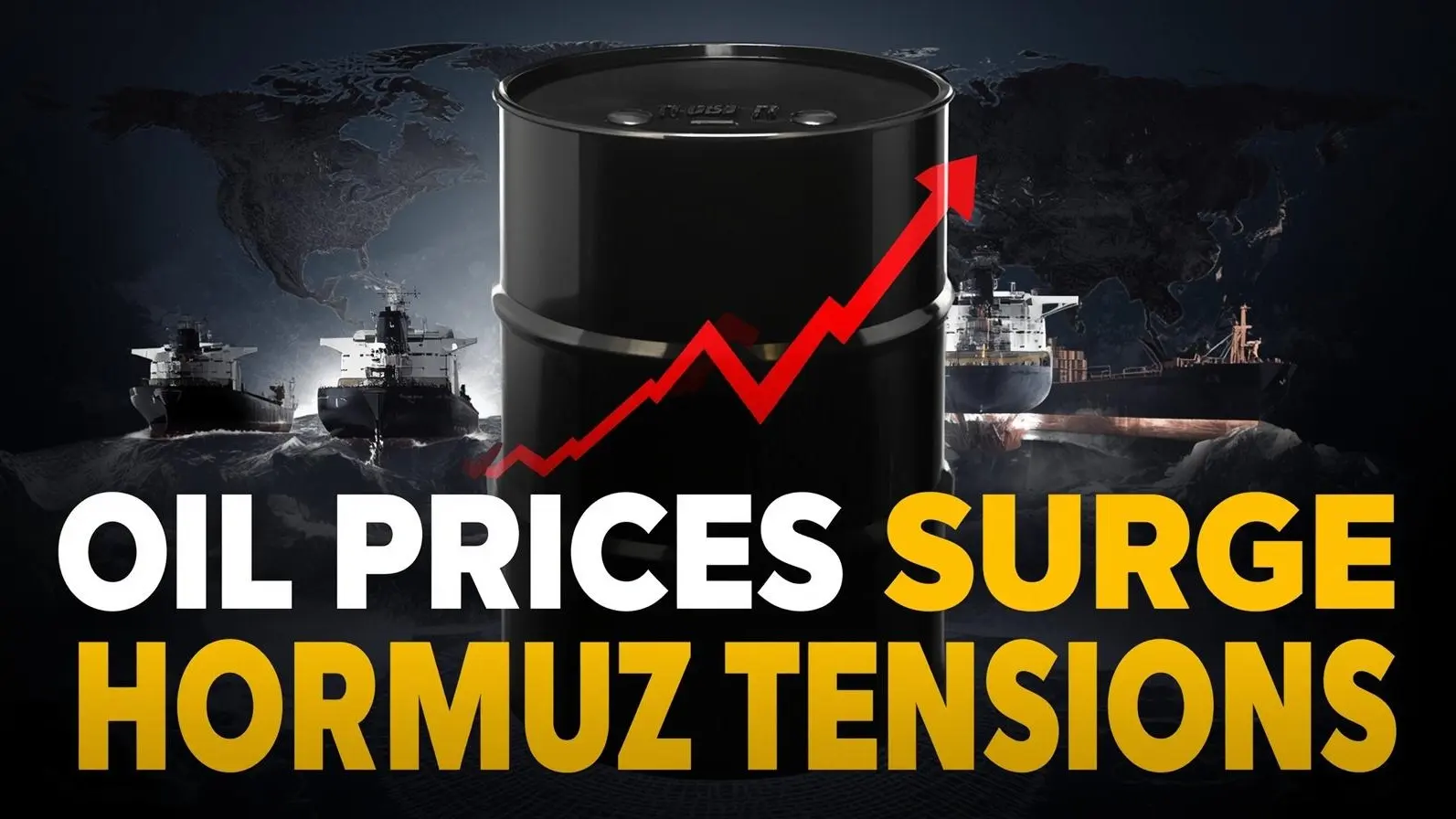
- Oil Prices Surge: The Middle East supplies a large portion of the world’s oil. Any disruption leads to price spikes, impacting transportation, manufacturing, and daily life worldwide.
- Stock Market Volatility: Investors react quickly to geopolitical risks, leading to uncertainty and fluctuating markets.
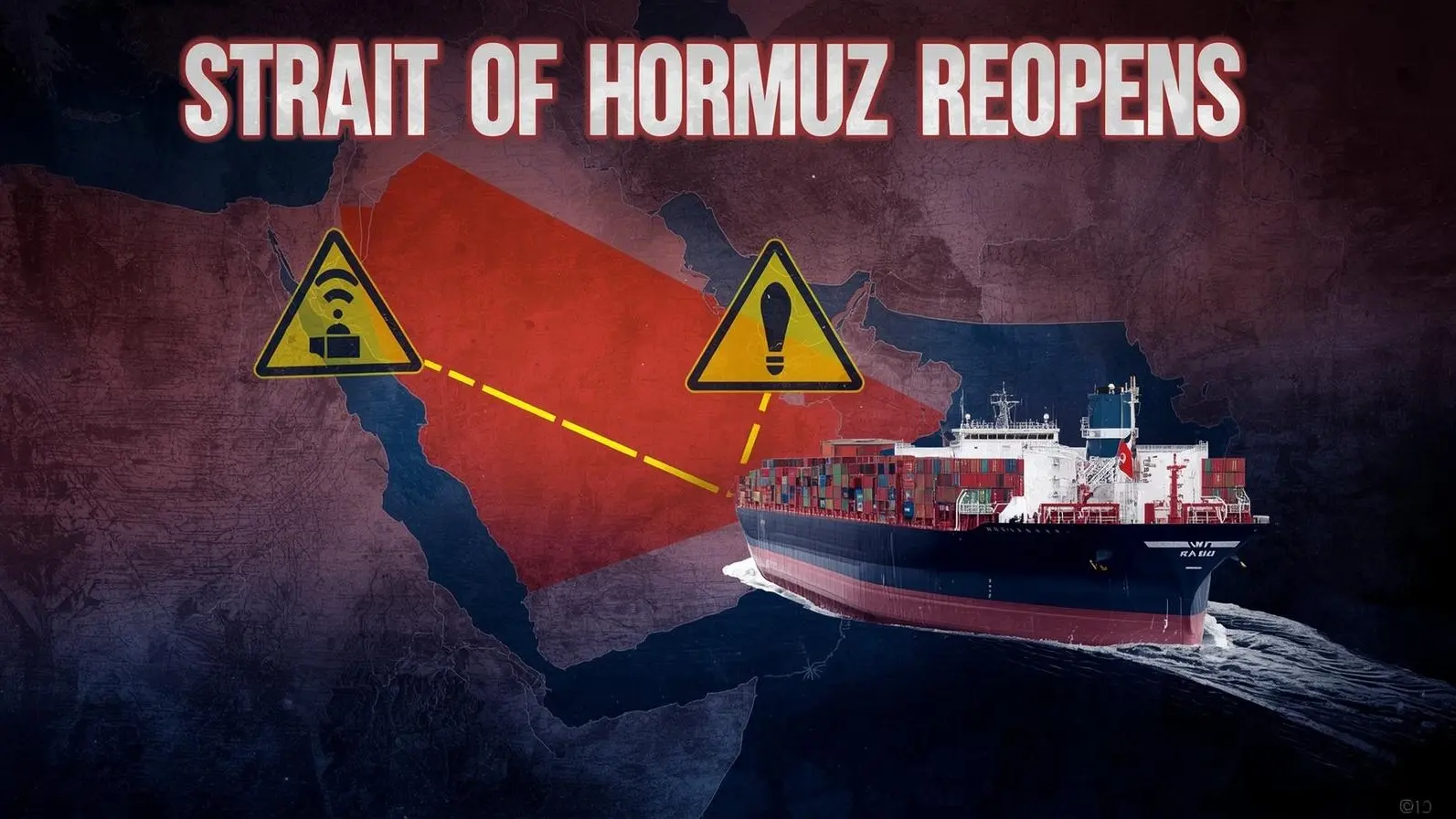
- Supply Chain Disruptions: Trade routes, especially through key maritime passages, may be threatened, slowing global commerce.
Countries dependent on energy imports are particularly vulnerable to these changes.
Effects on International Relations
The situation is reshaping alliances and diplomatic strategies across the globe.
- The United States continues to support Israel, strengthening military and intelligence cooperation.
- Iran is building closer ties with countries like Russia and China, creating a shift in global power dynamics.
- European nations are urging restraint while balancing economic and security interests.
Bold Insight: These shifting alliances could redefine global geopolitics for years to come.
Humanitarian Concerns
Beyond politics and economics, the conflict has severe human consequences.
- Civilian casualties continue to rise in affected areas.
- Displacement of families is increasing, leading to refugee crises.
- Access to basic necessities like food, water, and healthcare is becoming limited in conflict zones.
International aid organizations are struggling to provide support amid ongoing instability.
Risk of a Wider War
One of the biggest fears is that the conflict could expand beyond the Middle East.
- Neighboring countries could be drawn into the conflict either directly or indirectly.
- Global powers might increase involvement, raising the risk of a large-scale war.
- Cyber warfare and economic sanctions could intensify alongside military actions.
Bold Warning: A single major incident could trigger a chain reaction with global consequences.
What This Means for Everyday People
Even if far from the conflict zone, people around the world may feel the impact.
- Rising fuel and food prices
- Economic uncertainty and job market instability
- Increased global security concerns
Governments worldwide are closely monitoring the situation and preparing for potential outcomes.
The Road Ahead
While diplomatic efforts are ongoing, the path to peace remains uncertain. Negotiations, international pressure, and strategic decisions by key players will determine how the situation evolves.
The coming weeks and months are critical. Whether tensions ease or escalate further will depend on both political leadership and global cooperation.
Disclaimer
This article is for informational purposes only. The situation in the Middle East is rapidly evolving, and developments may change. Readers are encouraged to stay updated through reliable news sources and official announcements.