Global Economy Shows Signs of Slowdown as Inflation Pressures Continue in 2026
The global economy is currently going through a phase where growth is slowing down while prices continue to remain high. This situation is creating uncertainty across countries, businesses, and households.
Instead of strong recovery and expansion, many economies are now experiencing moderate or weak growth, combined with ongoing inflation pressure.
This combination is important because it directly affects jobs, income, spending, and overall financial stability.
Growth Is Slowing Across the World
Economic activity is not expanding at the pace seen in previous years.
Many countries are reporting slower industrial production, reduced business expansion, and cautious consumer spending.
When people spend less and companies invest less, overall economic growth naturally slows down.
This does not mean the economy has stopped growing—but the speed of growth has clearly reduced.
Inflation Still Remains a Challenge
Even though some countries have tried to control inflation, prices are still higher than normal.
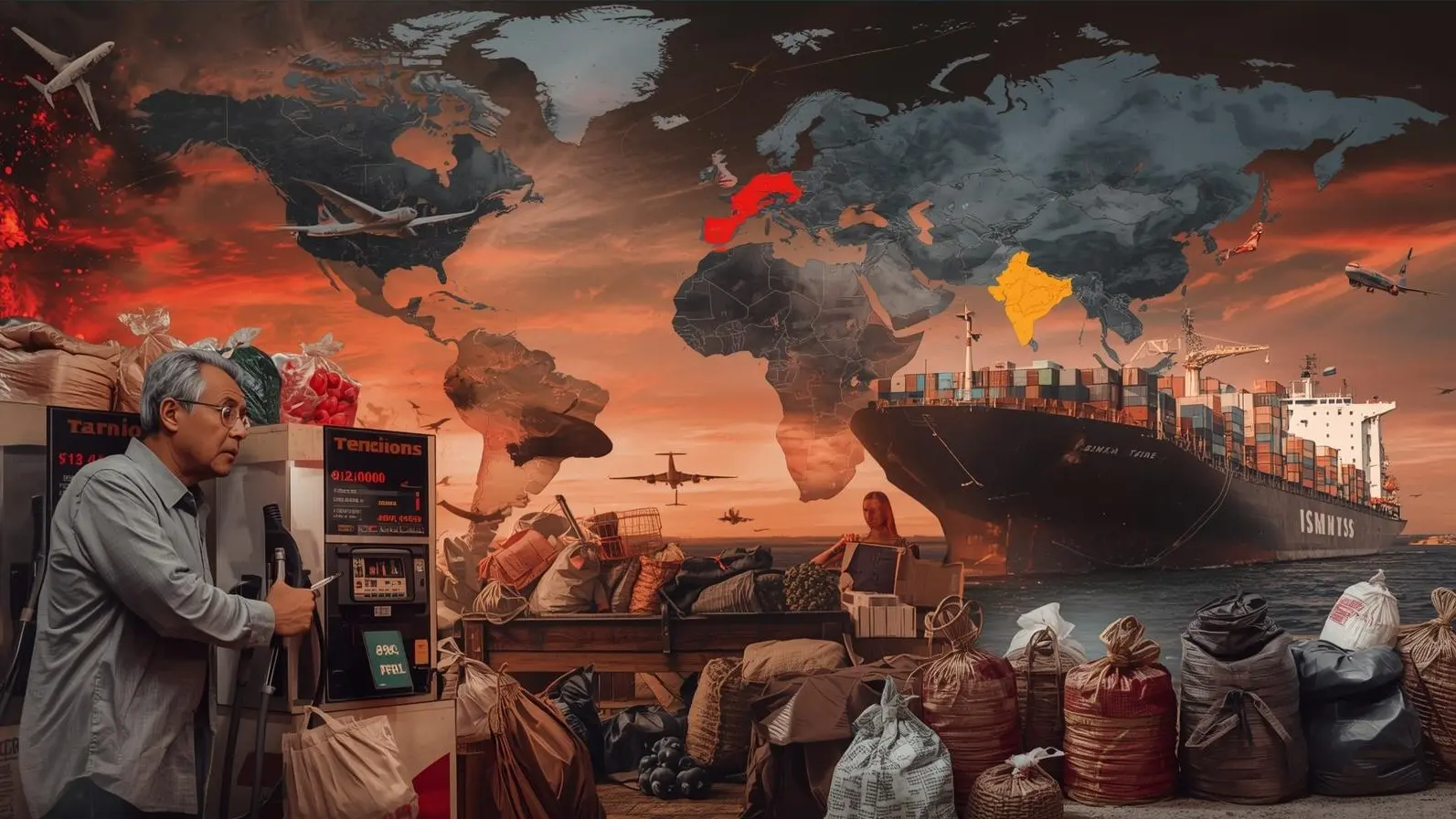
The cost of everyday essentials like food, fuel, and services remains elevated.
This means people are spending more money for the same things, which reduces their purchasing power.
When purchasing power drops, it affects both individual lifestyles and overall economic activity.
Why Both Slow Growth and Inflation Are Happening Together
Normally, slow growth helps reduce inflation. But in the current situation, both are happening at the same time.
This is mainly due to factors like:
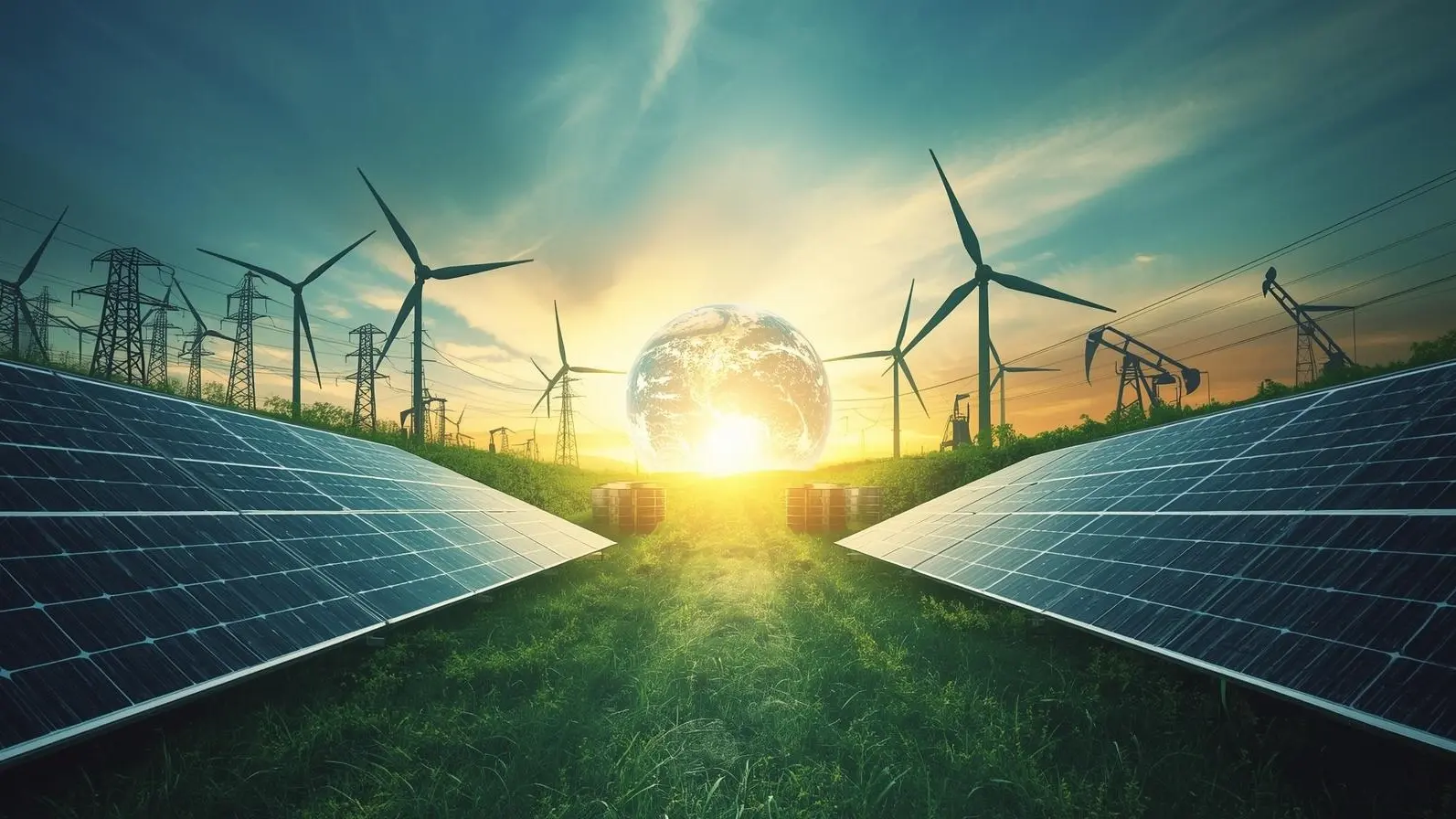
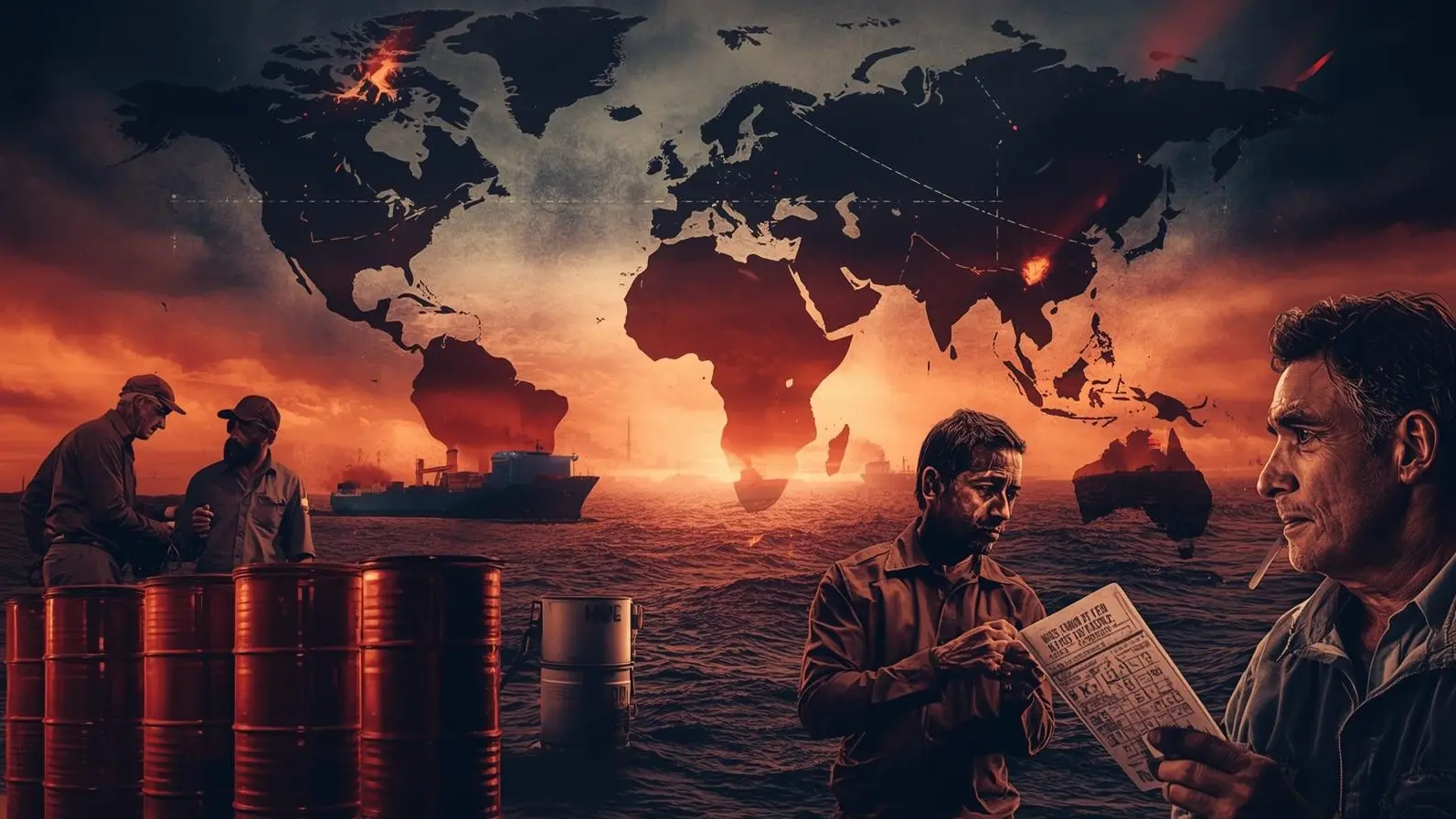
- Rising energy and fuel costs
- Supply chain disruptions
- Global uncertainties affecting trade and production
- Increased cost of raw materials
These factors increase prices while also slowing down economic activity, creating a complex situation.
Businesses Are Becoming More Careful
Due to uncertainty, many businesses are taking a cautious approach.
Companies are:
- Reducing unnecessary spending
- Delaying expansion plans
- Hiring more carefully
When businesses slow down their activities, it affects job creation and overall economic momentum.
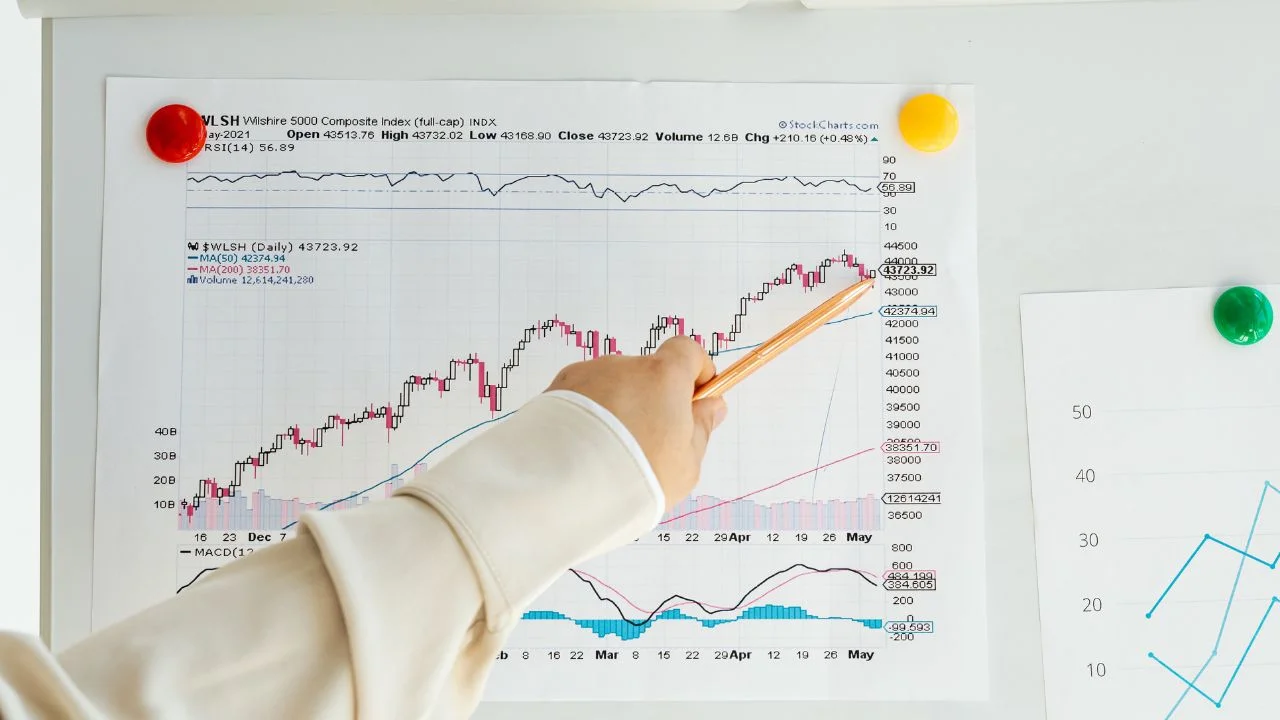
Impact on Financial Markets
Financial markets are reacting to this uncertainty.
Investors are becoming more careful, leading to fluctuations in stock prices and investment trends.
There is also a shift toward safer investment options as people try to protect their money.
Market uncertainty is often a reflection of broader economic concerns.
What This Means for Everyday People
The impact of this situation is clearly visible in daily life.
People are facing:
- Higher living costs
- Increased financial pressure
- Limited income growth in some sectors
Many households are adjusting their spending habits and becoming more cautious with money.
Policy Challenges for Governments
Governments and central banks are facing a difficult situation.
To control inflation, they may increase interest rates. But higher interest rates can slow down economic growth further.
Balancing these two factors is one of the biggest challenges in the current economic environment.
What Lies Ahead
The global economy is expected to continue facing moderate growth and ongoing inflation pressure in the near term.
While a complete economic downturn is not certain, the situation requires careful management from policymakers and businesses.
Future improvements will depend on factors like stable energy prices, improved supply chains, and better economic coordination across countries.
Disclaimer
This article is for informational purposes only. Economic conditions may change based on global developments, policies, and market trends.