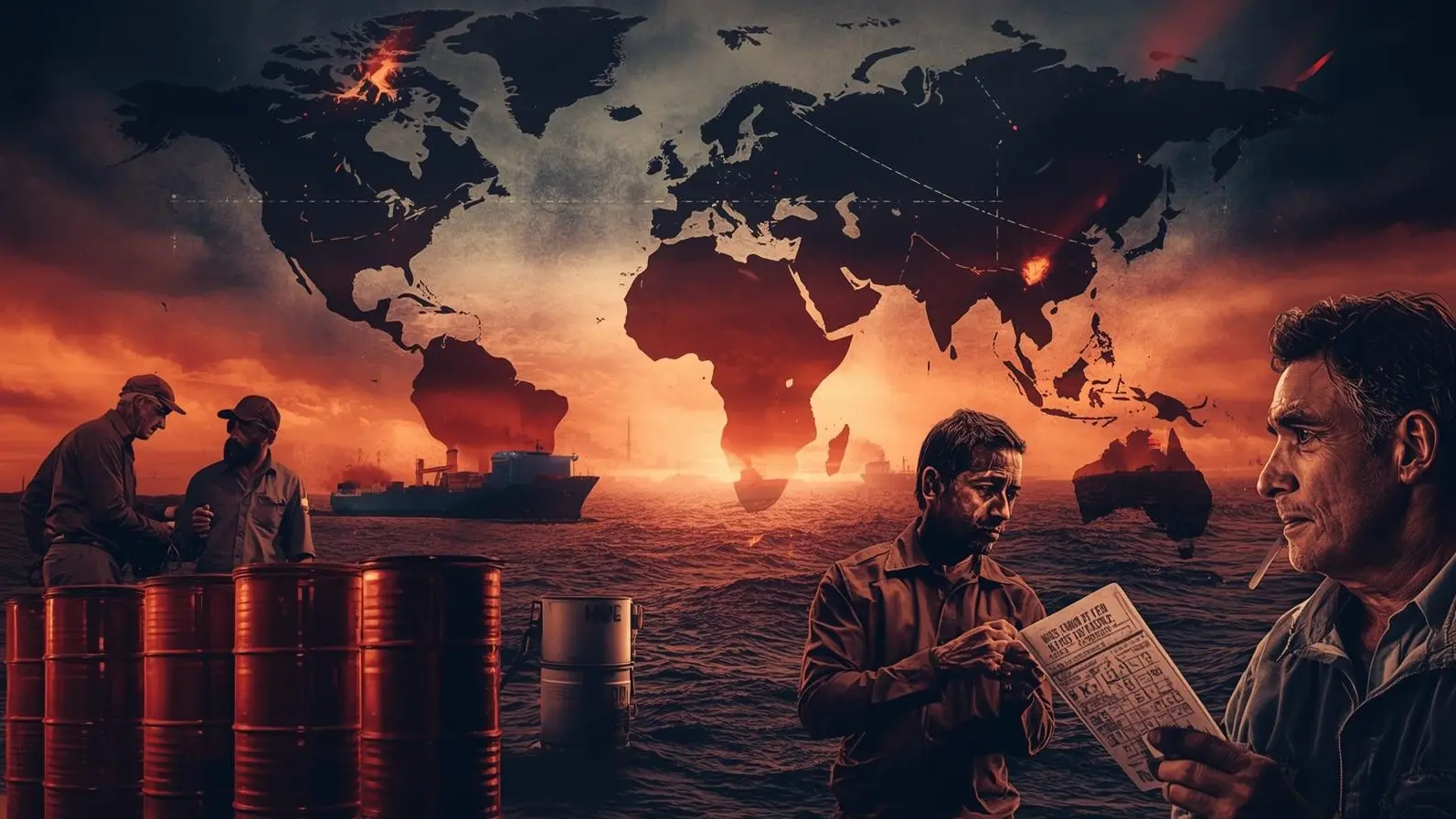
How Ongoing Wars Are Affecting Fuel Prices and Daily Life Worldwide
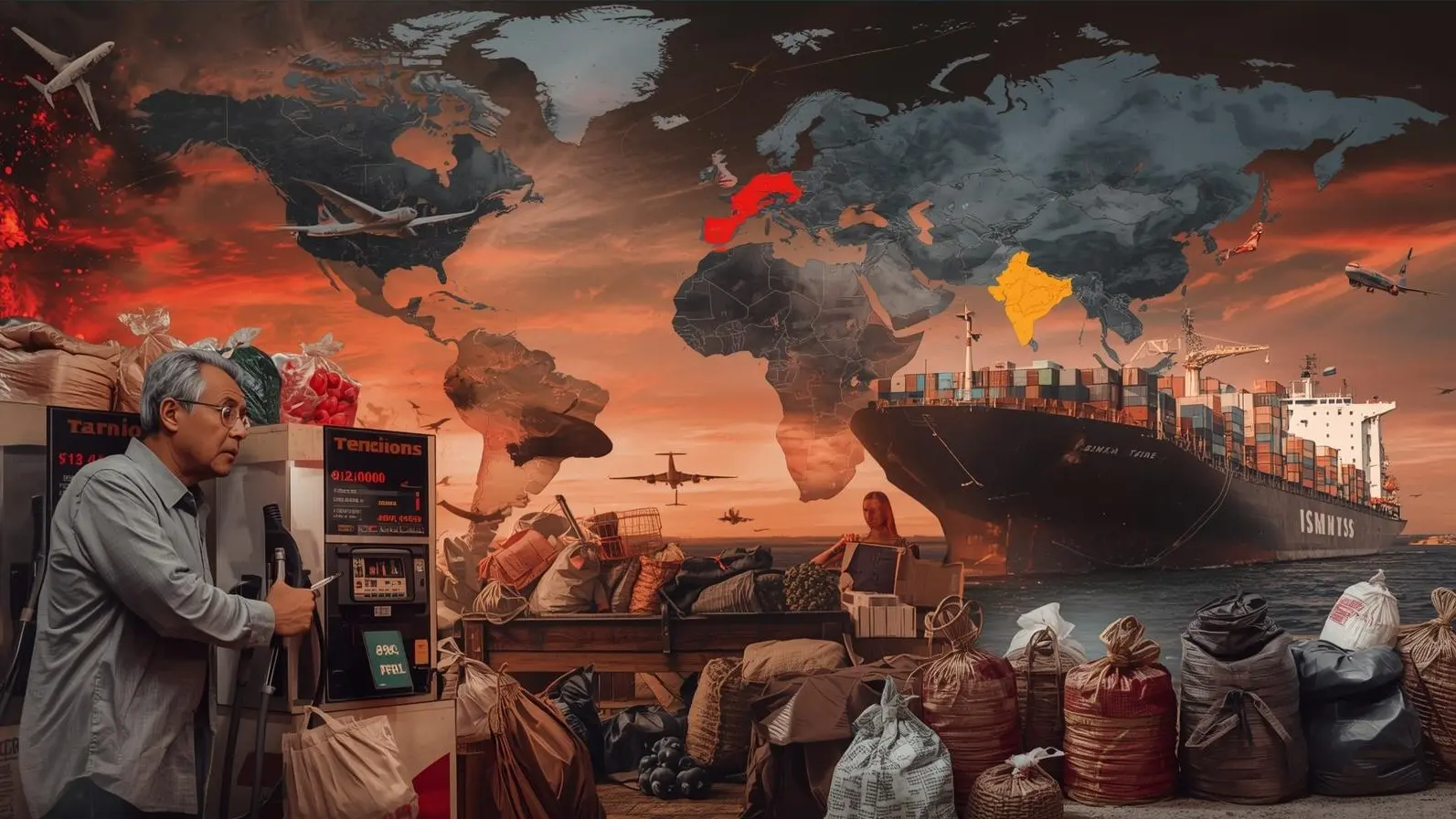
Wars are no longer affecting only the countries directly involved in conflict. In today’s interconnected world, a war happening thousands of kilometers away can still increase fuel prices, raise grocery bills, make travel expensive, and affect everyday life across the globe.
This is exactly what the world is experiencing right now.
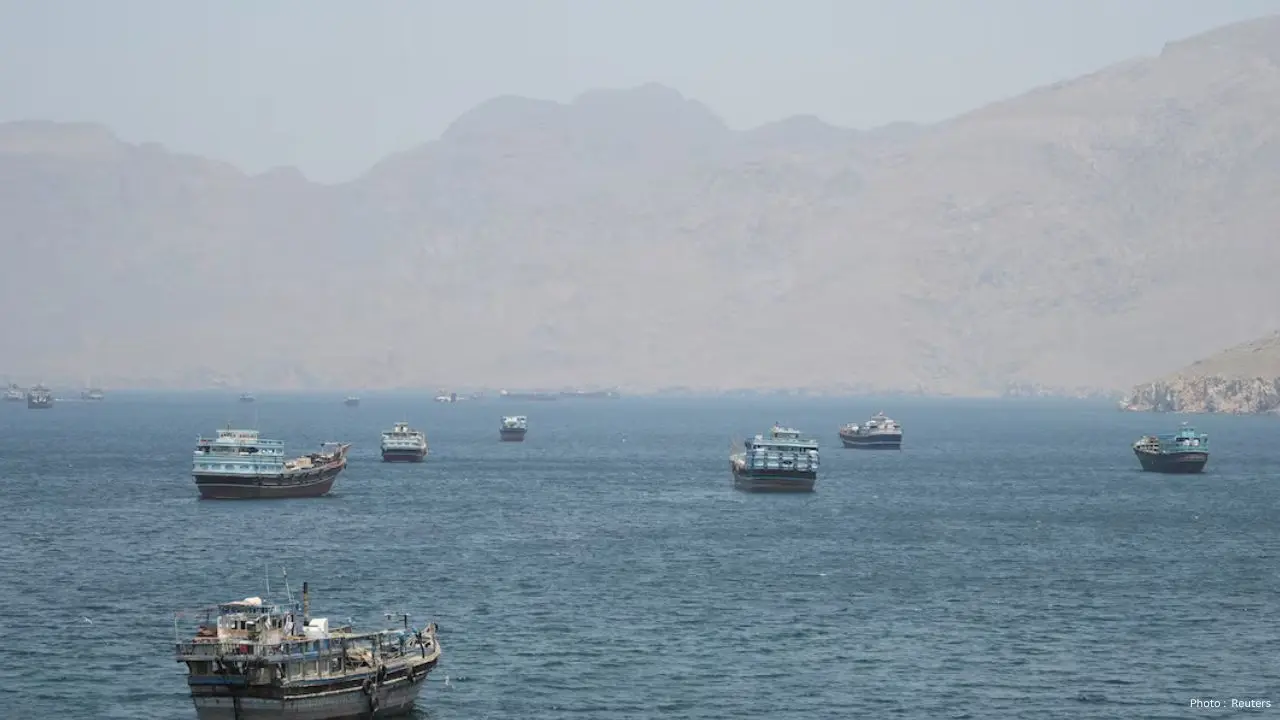
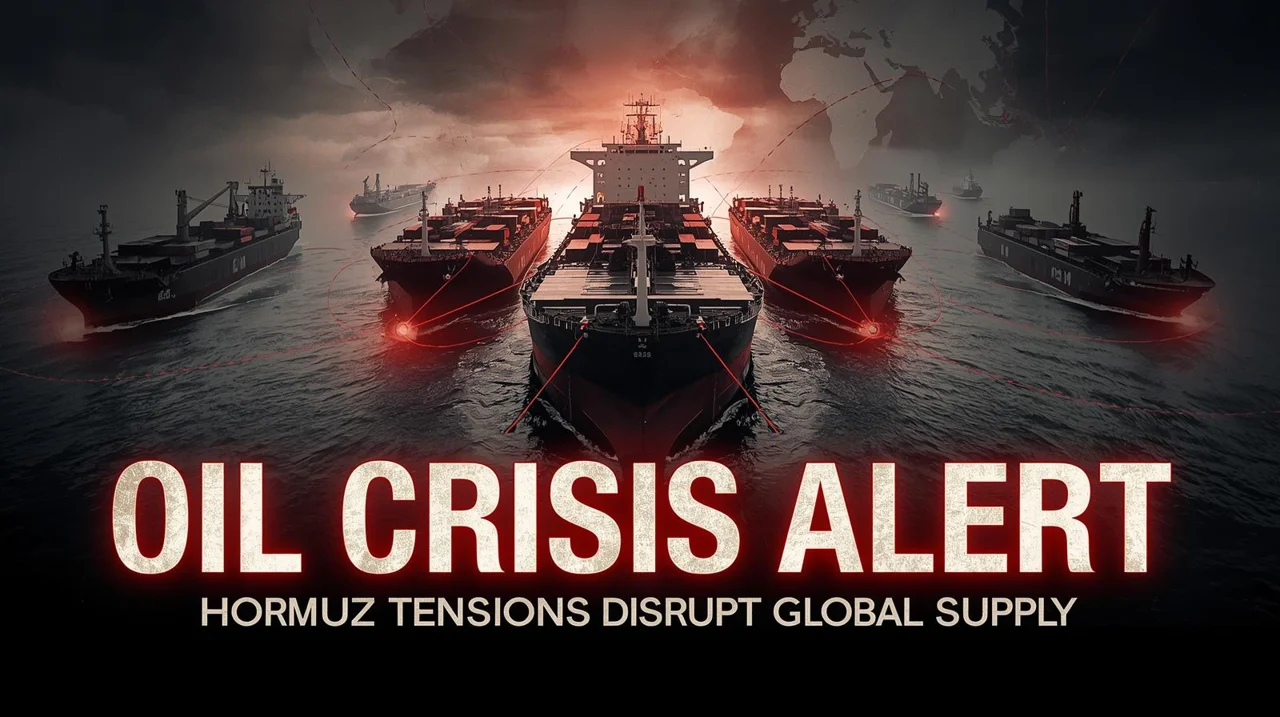
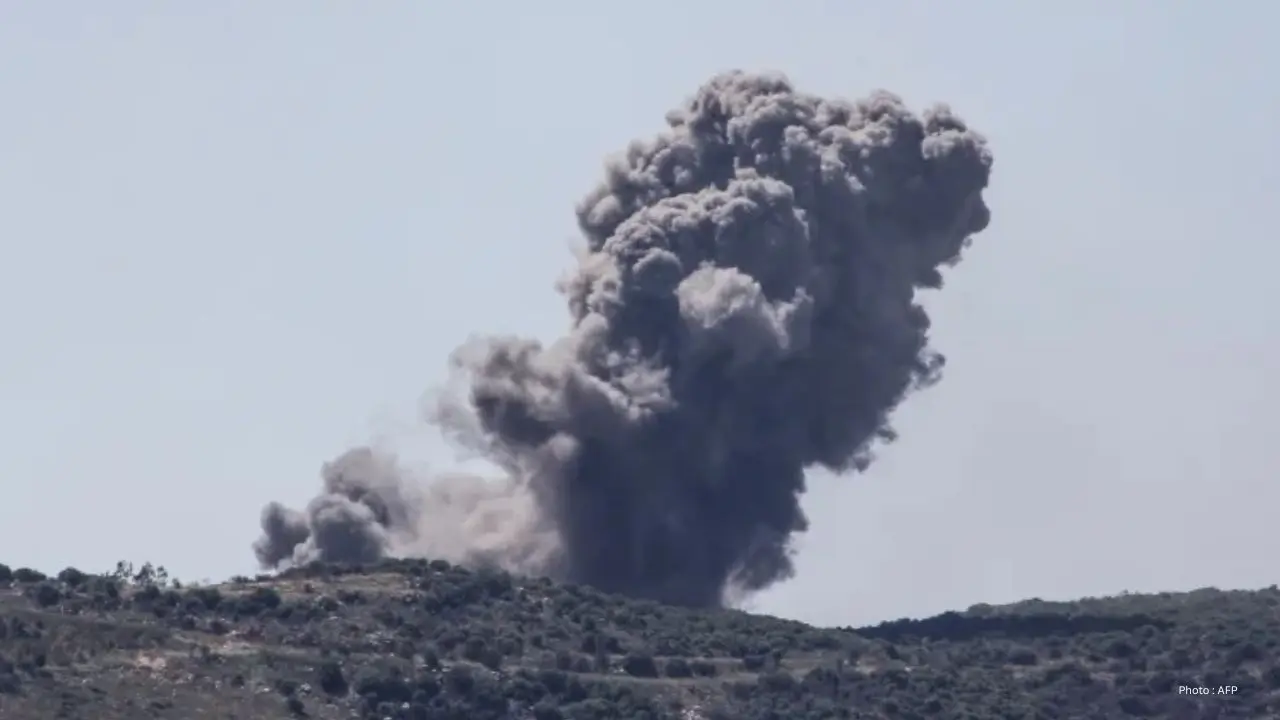
Ongoing geopolitical tensions and conflicts in major energy-producing regions—especially in the Middle East—have created massive pressure on global oil and gas supply chains. One of the biggest concerns has been disruption around the Strait of Hormuz, a critical trade route through which nearly 20% of the world’s oil supply normally passes. As shipping disruptions, sanctions, military tensions, and supply fears increase, oil prices have surged worldwide.
But rising fuel prices are not just about petrol stations. The impact spreads into almost every part of daily life.
Why Wars Immediately Affect Oil and Fuel Prices
Oil markets react very quickly to uncertainty.
When wars happen in regions connected to oil production or transportation, investors and governments fear supply shortages. Even before actual shortages begin, oil prices often rise because markets expect future disruptions.
This is exactly what has happened during the recent Middle East conflicts. Analysts and international agencies have warned that restrictions and disruptions in Gulf shipping routes have created one of the biggest global energy shocks in years.
Countries that heavily depend on imported crude oil are especially vulnerable because they must pay more for energy when global oil prices rise.
And once crude oil becomes expensive, almost everything connected to transportation becomes more costly too.
Why Petrol and Diesel Prices Are Rising Worldwide
Fuel prices are directly linked to crude oil prices.
When global oil becomes expensive:
- Petrol prices increase
- Diesel becomes costlier
- Transportation costs rise
- Shipping becomes expensive
Reports show that many countries have already experienced significant increases in petrol prices due to the ongoing war-related energy crisis. Several economies have reported sharp jumps in fuel costs since disruptions began in the Middle East.
In some regions, governments are trying to reduce the impact through subsidies or tax adjustments, but globally the pressure is still being felt.
How Higher Fuel Prices Affect Everyday Life
Many people think rising fuel prices only affect drivers. In reality, fuel impacts nearly every product and service around us.
When transportation becomes expensive, businesses spend more to move goods from factories to stores. Those extra costs are eventually passed on to consumers.
This means higher fuel prices often lead to:
- More expensive groceries
- Higher food delivery costs
- Increased taxi and transport fares
- Rising flight ticket prices
- More expensive online shopping deliveries
Economists and financial institutions have warned that rising energy prices are already increasing inflation across several economies.
For ordinary families, this creates pressure on monthly budgets because daily necessities become more expensive.
Why Food Prices Are Also Increasing
One major effect people often overlook is the connection between fuel and food.
Modern agriculture depends heavily on fuel for:
- Farming machinery
- Transportation
- Fertilizer production
- Cold storage systems
As fuel prices rise, farming and food distribution become more expensive. International agencies have already warned that fertilizer and food costs may continue increasing if conflicts remain prolonged.
This is why even people who do not drive vehicles still feel the impact of rising oil prices every time they visit supermarkets.
How Air Travel and Shipping Costs Are Being Affected
Airlines and shipping companies are among the hardest-hit industries during fuel crises.
Jet fuel prices have risen sharply in recent months due to supply disruptions and oil market volatility. Analysts say aviation fuel costs have surged dramatically because of war-related oil shocks.
As a result:
- Air tickets are becoming more expensive
- Shipping delays are increasing
- Global trade costs are rising
Businesses importing products from overseas are facing higher logistics expenses, which again pushes prices higher for consumers.
Why Developing Countries Are More Vulnerable
Developing economies often suffer the most during global fuel crises.
Countries that depend heavily on imported oil face greater financial pressure because they must spend more foreign currency on energy imports. Nations with weaker currencies and high inflation are especially vulnerable.
For example, India imports a large percentage of its crude oil needs, making it highly sensitive to global oil price shocks. Experts warn that prolonged energy price increases could affect inflation, economic growth, and household spending.
Lower-income households are usually affected the hardest because fuel and food take up a larger share of their monthly expenses.
Why Governments Around the World Are Concerned
Rising fuel prices do not just affect consumers—they also create political and economic pressure on governments.
Higher energy prices can:
- Increase inflation
- Slow economic growth
- Reduce consumer spending
- Raise transportation and manufacturing costs
International organizations like the IMF and World Bank have warned that prolonged conflict and continued energy disruptions could weaken global economic growth and increase inflation worldwide.
Some economists fear that if energy supply disruptions continue for a long time, certain economies could even face recession risks.
How Ordinary People Are Changing Their Habits
As fuel costs rise, many people are already adjusting their lifestyles.
Across different countries, households are:
- Driving less frequently
- Using public transport more often
- Reducing unnecessary travel
- Cutting spending in other areas
Reports show that rising fuel prices are particularly hurting lower-income families, who are being forced to change transportation habits because of increasing costs.
This shows how wars indirectly reshape everyday routines even for people living far away from conflict zones.
Can Fuel Prices Come Down Again?
Fuel prices can stabilize if geopolitical tensions ease and supply chains return to normal. However, experts warn that prolonged wars and continued disruptions may keep energy markets unstable for a long time.
Even after ceasefires or temporary agreements, rebuilding confidence in global energy markets takes time. Shipping routes, production systems, and global inventories often need months or years to recover fully.
This means the economic effects of war can continue long after actual fighting slows down.
Wars today are not isolated events. They affect fuel, food, transport, inflation, and financial stability across the world.
When oil supply routes become unstable, the effects quickly spread into daily life—raising the cost of driving, shopping, traveling, and even basic necessities. For millions of families, the impact is not seen on battlefields but in monthly budgets and rising living expenses.
The current global situation is a reminder of how deeply connected the world economy has become. A conflict in one region can now shape the cost of living for people everywhere.
Disclaimer
This article is for informational purposes only. Fuel prices, geopolitical developments, and economic conditions may change rapidly depending on international events and government policies.