Rising Fuel Prices Continue to Impact Global Transportation Costs
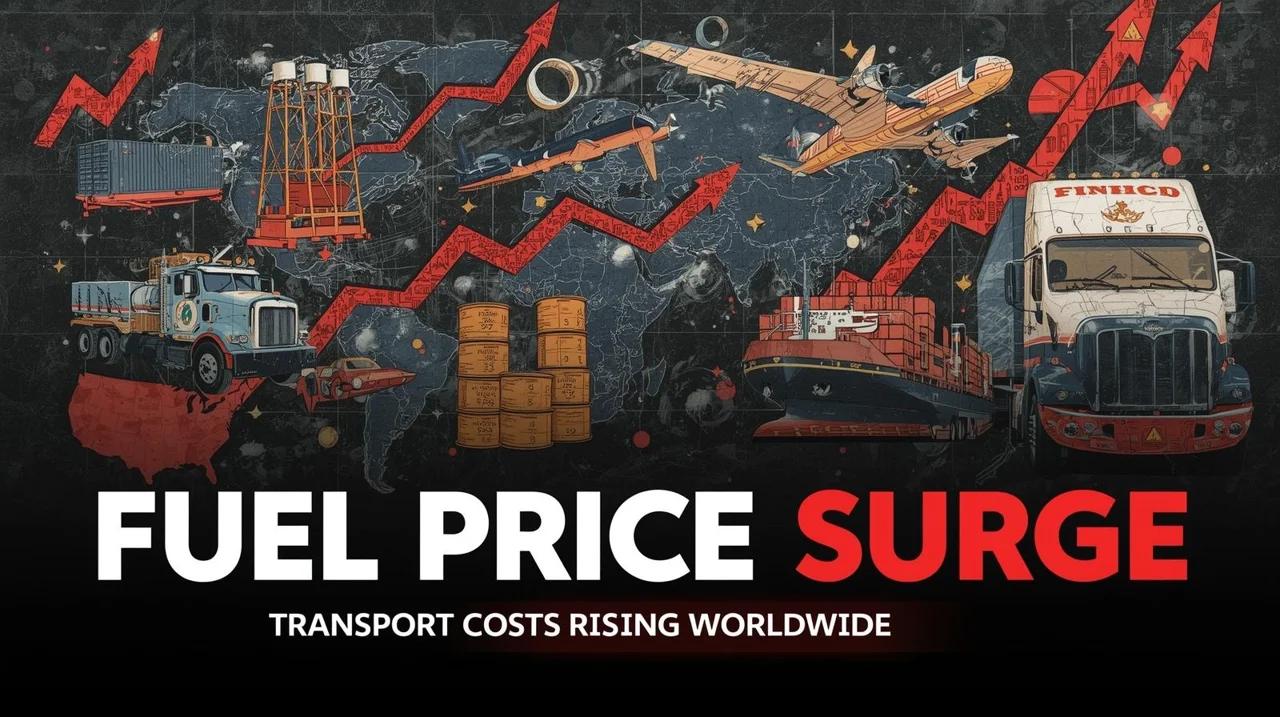
In 2026, rising fuel prices have become one of the biggest challenges for global transportation systems. From shipping and aviation to road logistics and public transport, increasing energy costs are putting pressure on businesses and consumers alike.
With ongoing geopolitical tensions involving regions like Iran and disruptions near critical routes such as the Strait of Hormuz, fuel supply uncertainty continues to drive prices higher. This has created a ripple effect across global transportation networks.
Why Fuel Prices Are Rising
Geopolitical Instability
Conflicts and tensions in key oil-producing regions are disrupting supply chains and creating uncertainty in global energy markets.
Supply Constraints
Oil production has not fully matched global demand, leading to tighter supply and higher prices.
Increased Global Demand
As economies grow, demand for fuel in transportation, manufacturing, and energy sectors continues to rise.
Market Volatility
Energy markets are reacting quickly to global events, causing frequent price fluctuations.
Impact on Different Transportation Sectors
Road Transport and Logistics
The road transport sector is one of the most affected.
- Trucking companies are facing higher fuel costs
- Delivery charges are increasing for businesses and consumers
- Logistics companies are adjusting pricing to maintain profitability
In countries like India, rising diesel prices are directly impacting goods transportation and retail costs.
Aviation Industry Under Pressure
Fuel is a major expense for airlines.
- Ticket prices are increasing
- Airlines are reducing routes or optimizing operations
- Profit margins are shrinking due to rising costs
The aviation industry is highly sensitive to fuel price changes, making it one of the most impacted sectors.
Shipping and Global Trade
Global shipping relies heavily on fuel.
- Freight costs are rising significantly
- Delays in shipments due to route adjustments
- Increased cost of imported goods
Disruptions near the Strait of Hormuz are particularly affecting oil and cargo transport worldwide.
Public Transportation and Daily Commuting
Higher Fares
Public transport systems are increasing ticket prices to offset fuel costs.
Reduced Services
Some regions are cutting routes or frequency due to rising operational expenses.
Impact on Commuters
Daily travel is becoming more expensive, especially for middle- and lower-income groups.
Ripple Effect on Global Economy
Increase in Cost of Goods
Transportation costs are directly linked to product pricing, leading to higher costs for consumers.
Inflation Pressure
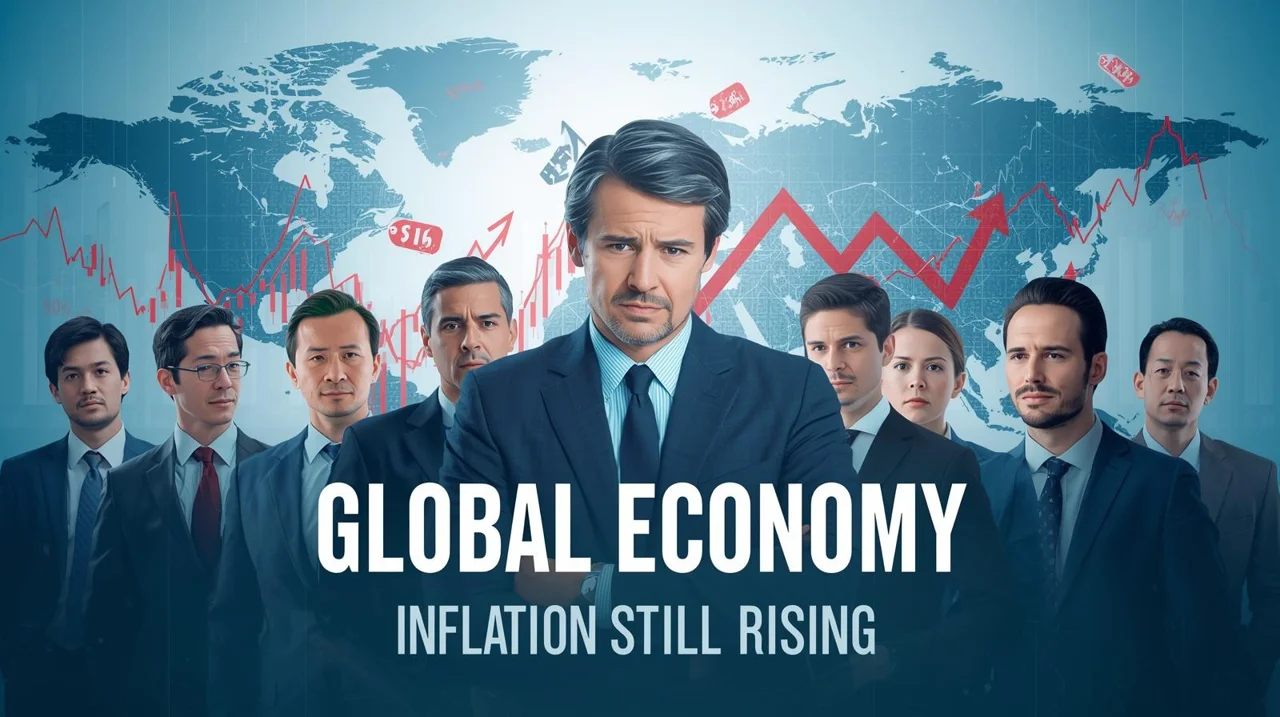
Rising logistics expenses contribute to overall inflation in many economies.
Supply Chain Disruptions
Higher costs and delays affect global trade and manufacturing.
Business Profit Margins Shrink
Companies are facing challenges in maintaining profitability due to increased operational costs.
Industries Most Affected
E-commerce & Retail
Delivery costs are increasing, impacting pricing strategies.
Agriculture
Farmers face higher fuel costs for machinery and transportation.
Manufacturing
Rising logistics and energy costs affect production expenses.
Tourism Industry
Travel costs are rising, affecting demand and profitability.
How Businesses Are Adapting
Optimizing Routes and Operations
Companies are using technology to reduce fuel consumption.
Switching to Alternative Energy
Electric vehicles and renewable energy solutions are being explored.
Dynamic Pricing Models
Businesses are adjusting prices based on fuel cost changes.
Efficiency Improvements
Reducing waste and improving logistics efficiency to control costs.
Long-Term Solutions and Future Trends
- Increased adoption of electric vehicles
- Investment in renewable energy sources
- Development of fuel-efficient technologies
- Policy support for sustainable transportation
These solutions aim to reduce dependency on fossil fuels and stabilize costs over time.
Future Outlook
Fuel prices are expected to remain volatile in the near term due to ongoing global uncertainties.
However, long-term trends indicate a gradual shift toward cleaner and more stable energy sources, which may help reduce transportation costs in the future.
Final Thoughts
Rising fuel prices are having a widespread impact on global transportation, affecting industries, economies, and everyday life. As costs continue to rise, both businesses and consumers must adapt to changing economic conditions.
The challenge lies in balancing short-term cost pressures with long-term sustainability solutions.
Disclaimer
This article is for informational purposes only. Economic and market conditions may change rapidly based on global events. Readers should stay updated with official sources for accurate information