Tensions between the United States and Iran escalate as ongoing military clashes in the Gulf demonstrate no signs of abating. Global powers continue to advocate for peace, yet both nations find themselves significantly apart from any agreement to halt the intensifying strife.
The latest hostilities have triggered alarm over a broader regional conflict that threatens to impact global oil supplies, trade, and the overall stability of the Middle East. Numerous Gulf nations remain on heightened alert as the perilous situation unfolds day by day.
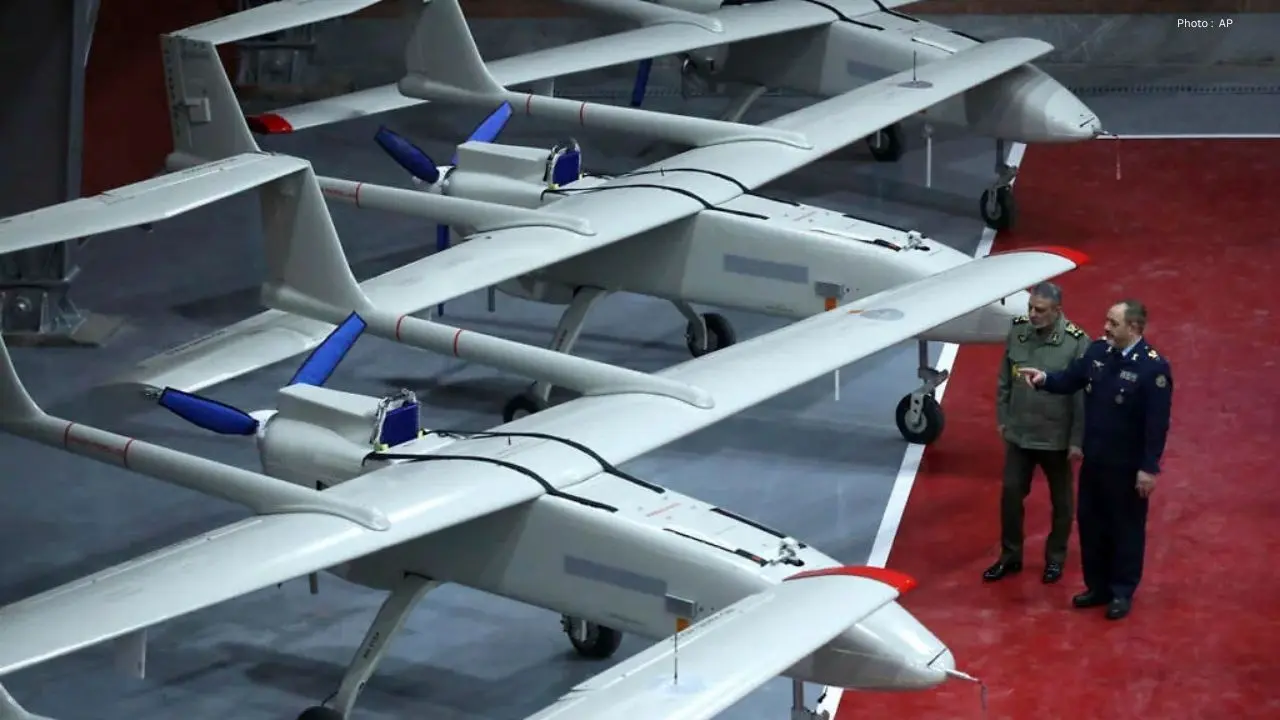
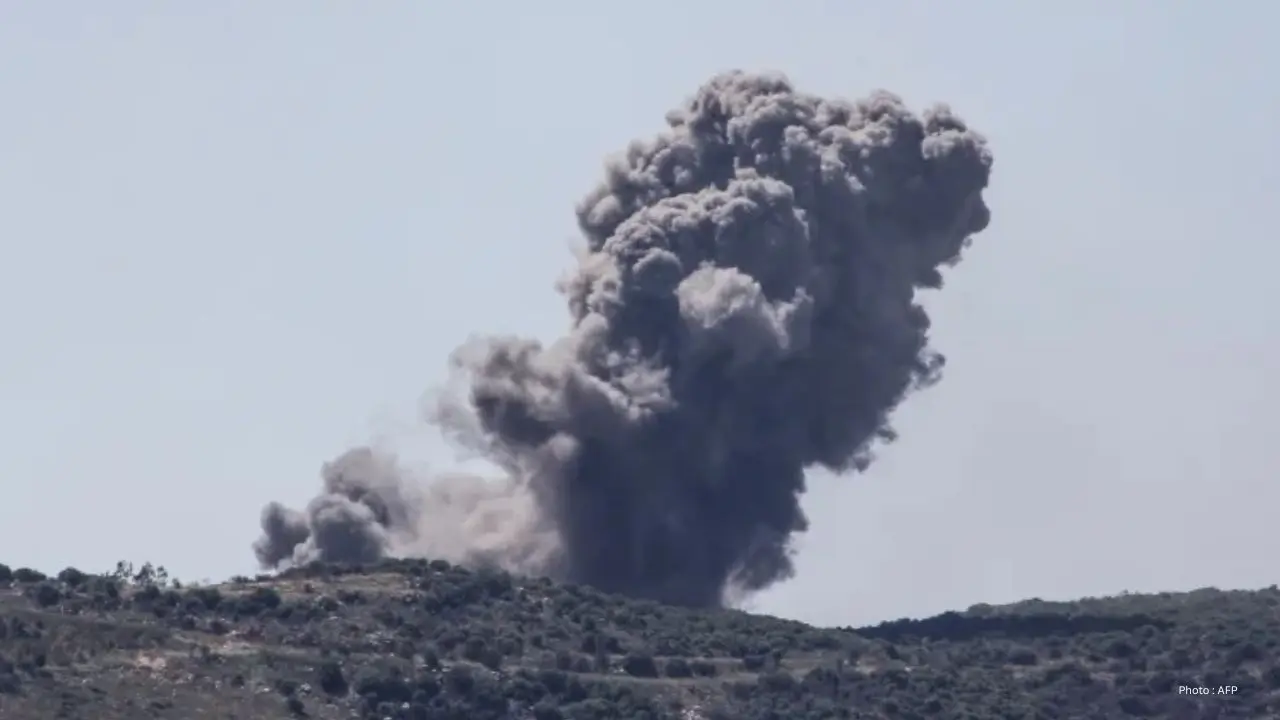
Currently, incidents include missile launches, drone attacks, and naval skirmishes throughout the Gulf area. Forces associated with both nations are engaging in a war of words, while diplomatic channels seem weak and ineffective.
The uncertainty has already raised concerns within global financial markets, as soaring oil prices reflect apprehensions that military actions might disrupt crucial shipping avenues and energy exports from this vital oil hub.
The United States has ramped up its military presence in the region, deploying additional naval resources and defense systems aimed at safeguarding its interests and allies. Officials assert such maneuvers are essential to thwart further aggression and uphold regional security.
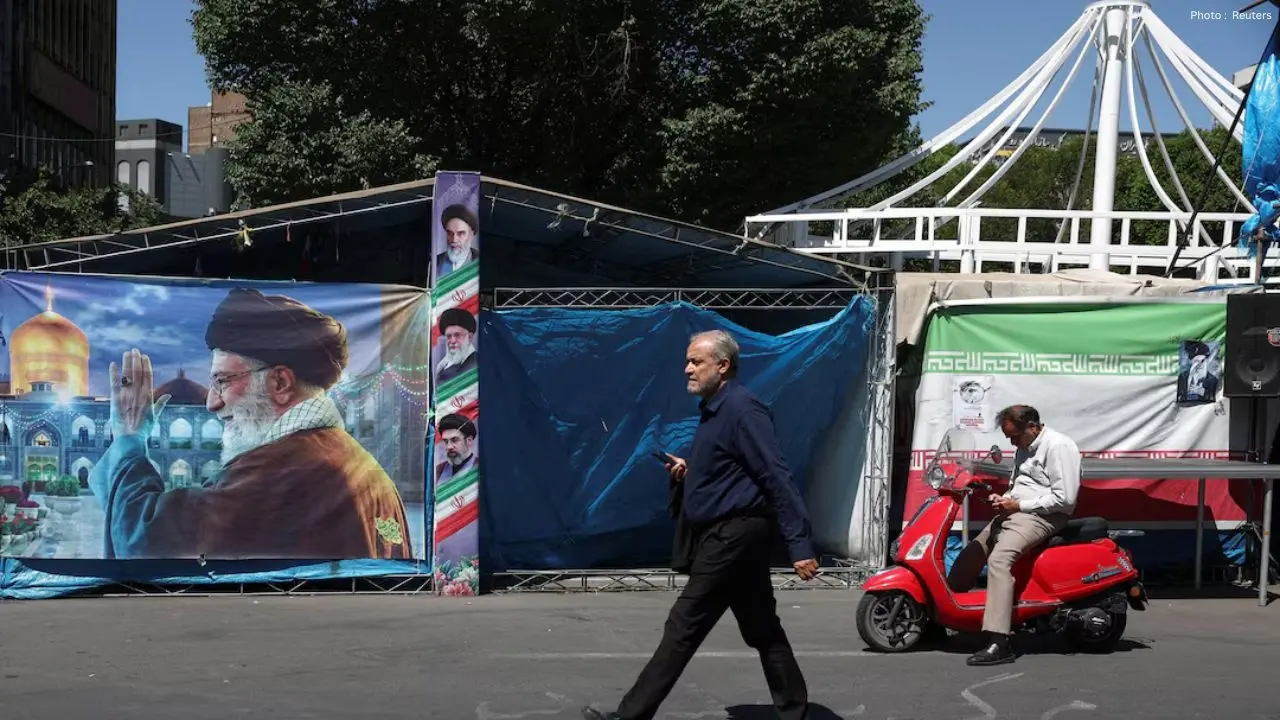
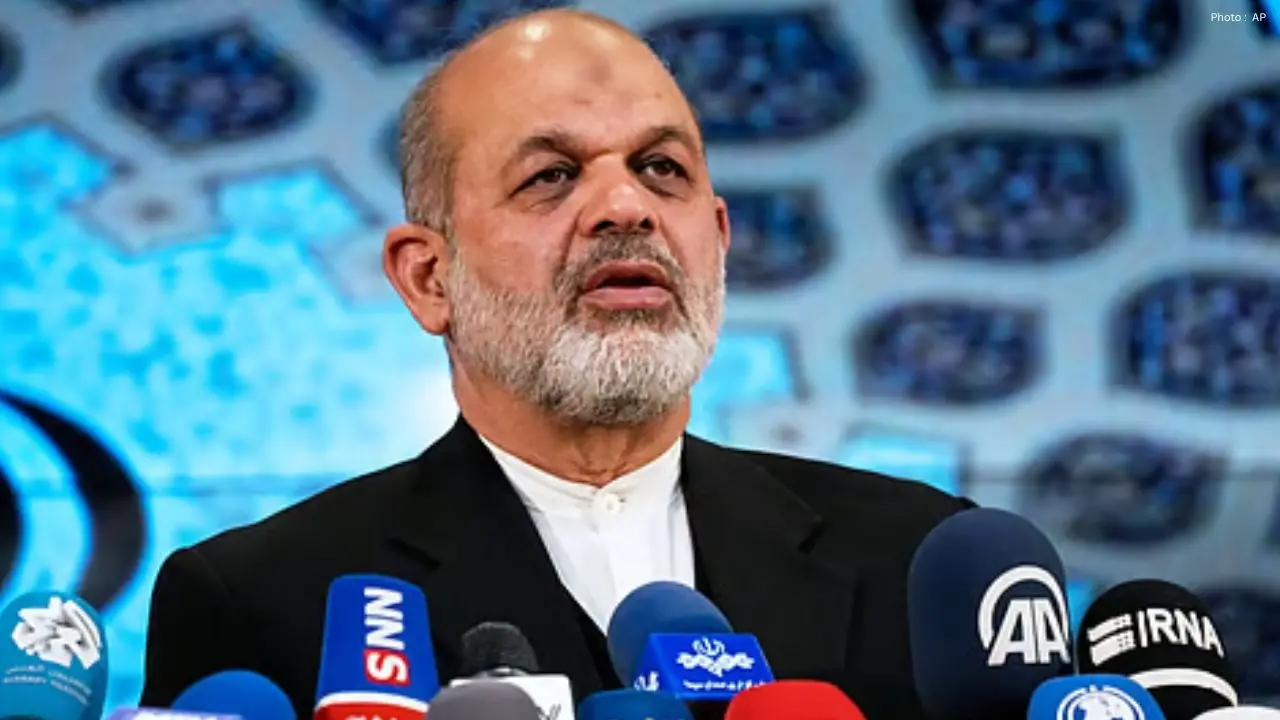
On its part, Iran maintains its stance of self-defense against what it labels foreign aggressions and pressures. Iranian leadership accuses the US and its allies of escalating tensions rather than facilitating peaceful discussions.
Neighboring nations are equally concerned, as many fear being entangled in a larger conflict. Countries throughout the Middle East are advocating for restraint while simultaneously bolstering security measures around key infrastructure and energy facilities.
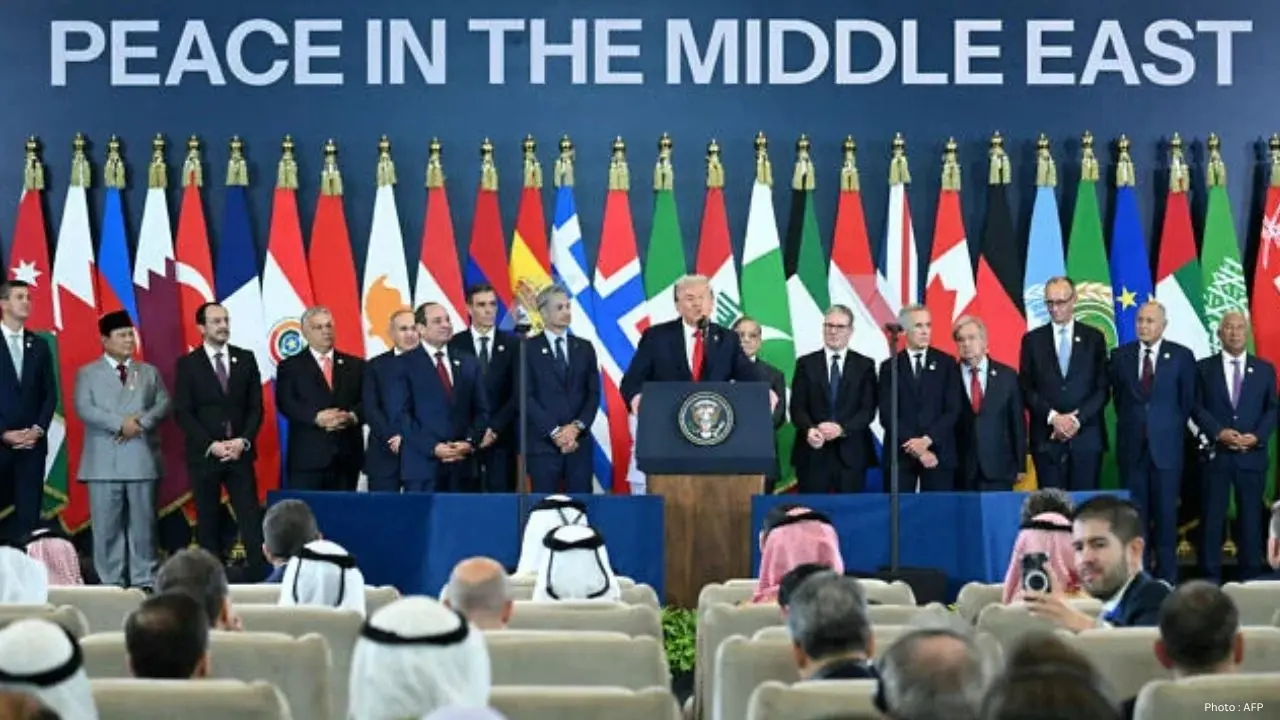
International entities and leaders persistently call for an immediate de-escalation of hostilities. Yet, efforts at diplomacy have met with scant success, as entrenched disagreements between Washington and Tehran persist regarding security, sanctions, and military operations.
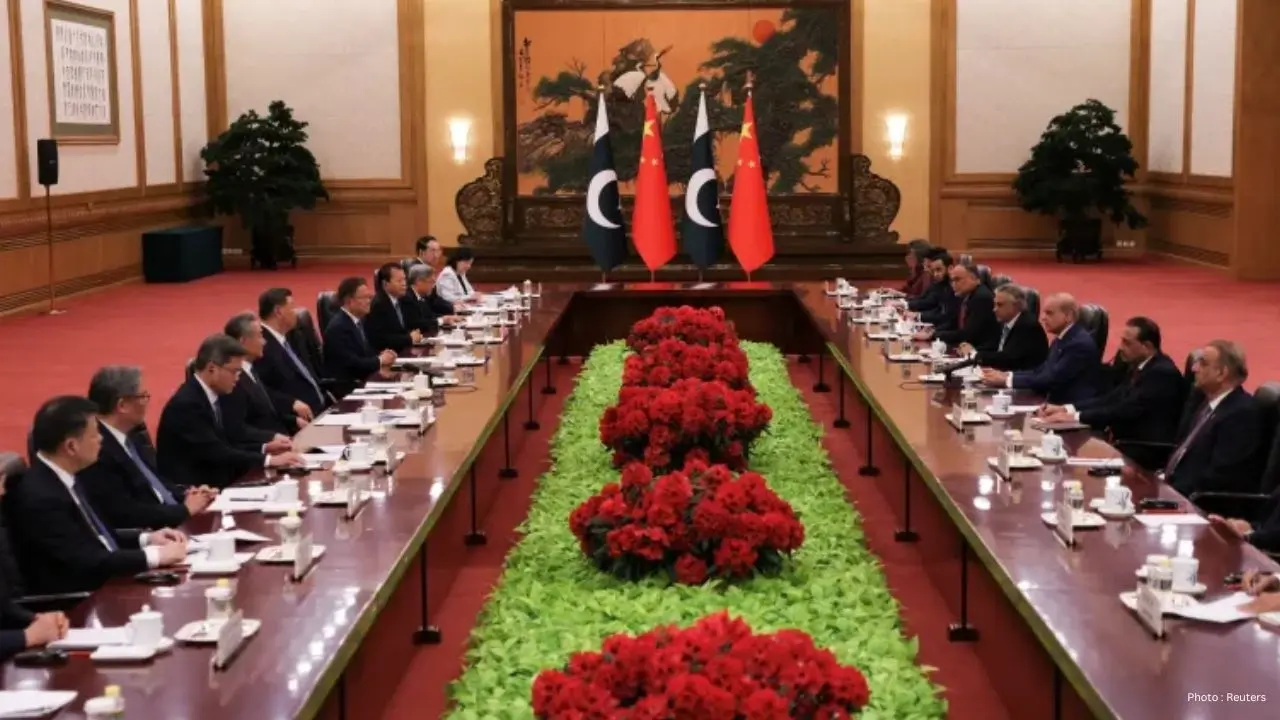
China and Russia have voiced apprehensions over the surging instability, urging dialogue and cautioning that an extensive conflict could jeopardize the global economy and peace.
Experts warn the potential for accidental escalation remains high. With military forces closely positioned, a minor incident could rapidly escalate into a significant confrontation.
The gravity of the situation is amplified by the Gulf's crucial role in the global energy supply chain. Any significant disruption of oil shipping routes could drastically inflate prices and adversely affect economies already contending with inflationary pressures.
The conflict also raises humanitarian issues for civilians in regions engulfed by military activities, as they endure fear, uncertainty, and mounting economic stress. Airlines and shipping companies are adjusting their routes due to increased security risks.
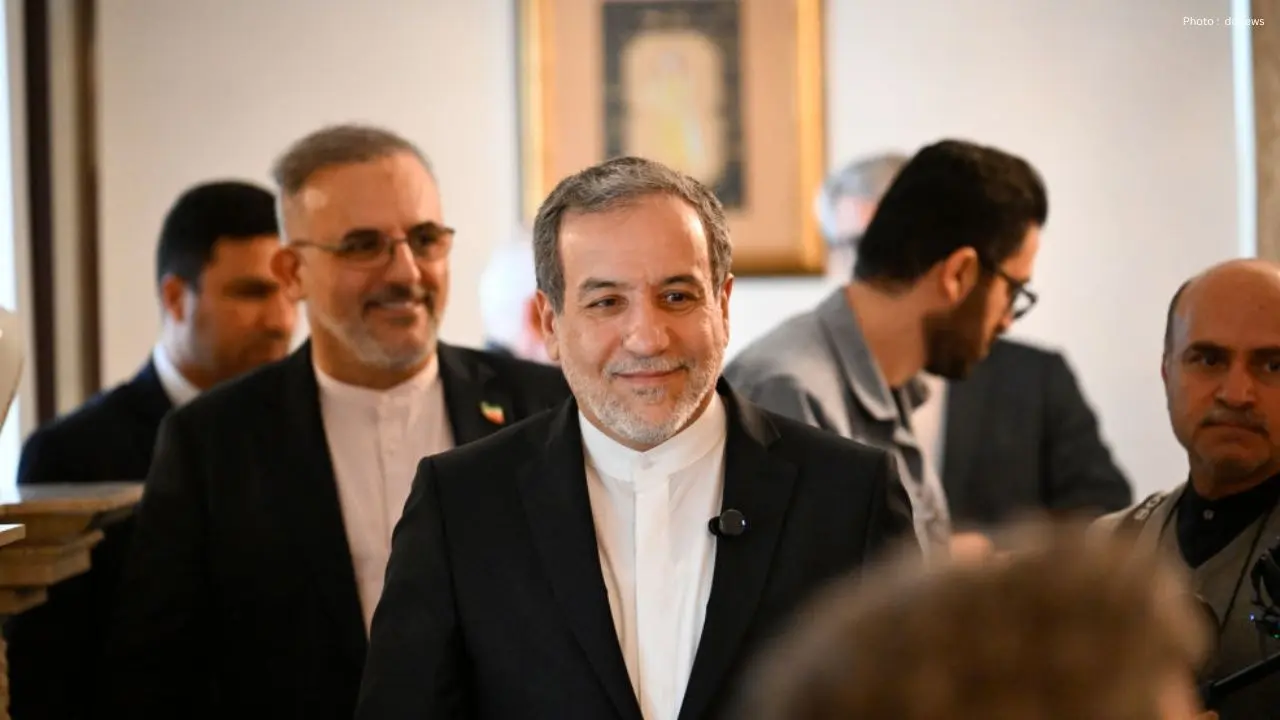
Analysts regard the absence of direct communication between the US and Iran as exacerbating the situation's danger. Without active diplomatic negotiations, misunderstandings and military miscalculations threaten to heighten tensions.
Simultaneously, political pressures within both nations hinder the likelihood of compromise. Leaders on either side face strong domestic demands to maintain a tough stance and avoid appearing weak amid escalating hostilities.
As of now, no immediate prospect for peace seems to be on the horizon. The ongoing clashes in the Gulf reflect persistently elevated tensions, overshadowed by the failure of diplomatic efforts to yield substantial outcomes.
The upcoming weeks could prove crucial for the region's future. Should hostilities continue to spiral, the ramifications may extend deeply, influencing local dynamics, global trade, energy markets, and international stability.