For a brief moment, many people believed the global economy was finally beginning to breathe again.
After years of instability caused by pandemics, supply chain disruptions, geopolitical tensions, and rising living costs, there was hope that inflation would slowly settle and markets would regain confidence. Businesses were adapting, consumers were cautiously spending again, and investors were beginning to recover optimism.
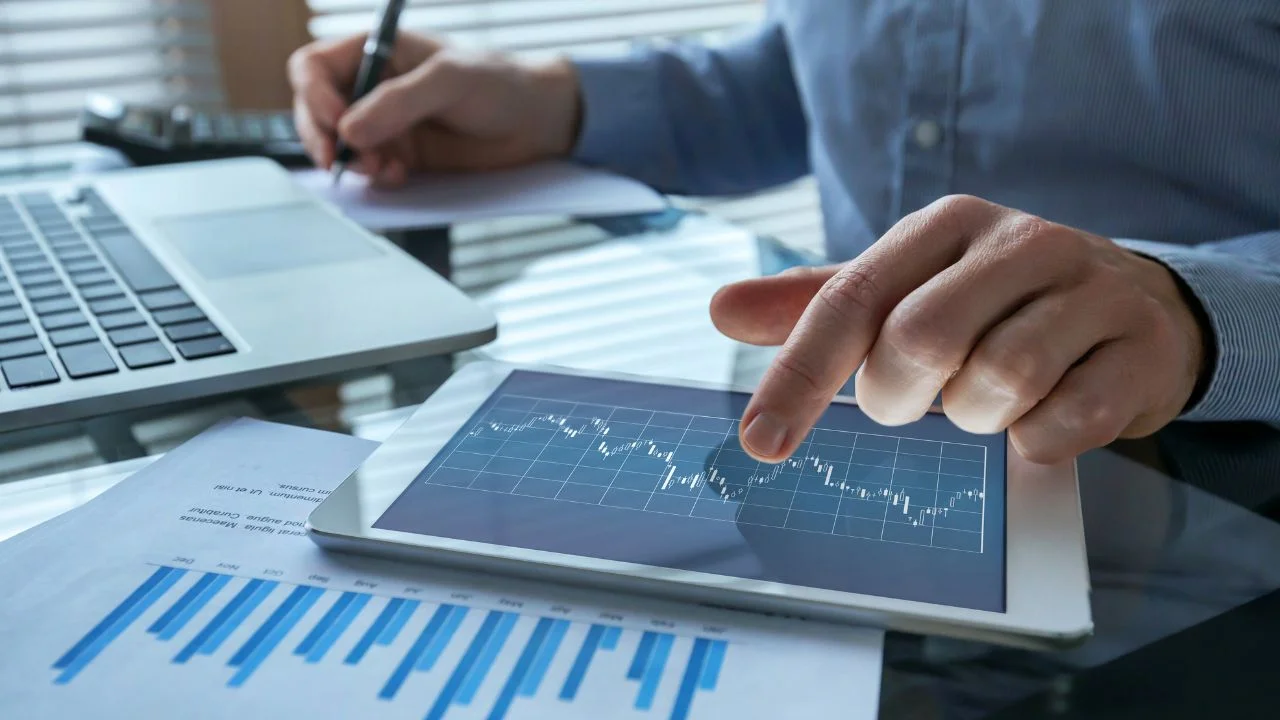
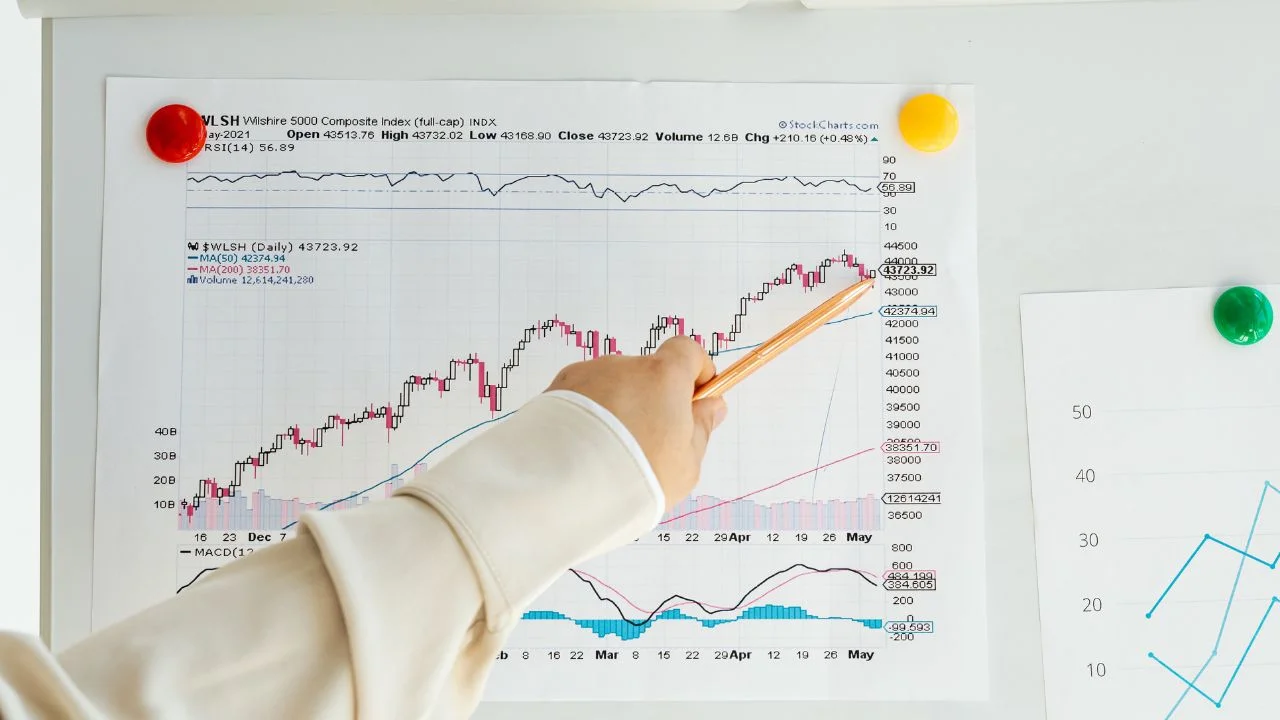
But suddenly, the mood changed. Global markets once again started reacting nervously to inflation fears. Oil prices climbed, bond yields surged, stock markets became volatile, and central banks returned to cautious language. Economists began warning about uncertainty returning faster than expected.
And while headlines focused on numbers, charts, and economic indicators, something deeper was quietly happening underneath: people around the world were emotionally reacting to financial uncertainty long before markets officially confirmed it. Because inflation is not just an economic story.
It is a human story. It affects the cost of food, fuel, rent, education, travel, healthcare, and daily survival. It changes consumer psychology, reshapes lifestyles, influences relationships, confidence, career decisions, and even mental health.
That is why inflation fears create such powerful global reactions. People do not fear numbers. They fear instability.
The Invisible Pressure People Feel Before Economists Explain It
One of the least discussed truths about inflation is that ordinary people often sense economic instability before financial experts formally announce it.
Long before reports appear on television, individuals begin noticing subtle changes in everyday life. Groceries become slightly more expensive, restaurants quietly reduce portion sizes, fuel costs increase, monthly expenses start feeling heavier, and salaries suddenly seem smaller than before.
At first, these changes appear manageable. But gradually, people begin changing their behavior in response to the pressure.
Common Behavioral Changes During Inflation
- People postpone unnecessary purchases.
- Families begin traveling less frequently.
- Consumers spend more cautiously.
- Individuals avoid financial risks.
- Many start saving more aggressively.
- Others quietly fall deeper into financial anxiety.
This emotional shift spreads quietly through society before official statistics fully capture it. Markets react strongly to inflation fears because markets are ultimately driven by human behavior. Behind every stock movement, bond reaction, or economic forecast are millions of emotional decisions shaped by uncertainty.
And uncertainty is contagious.
Inflation and the Fear of Losing Control
One of the hidden reasons inflation feels so emotionally powerful is because it creates the sensation of losing control over life itself. People build routines around predictability. They organize their lives according to salaries, expenses, savings, and future expectations. Inflation quietly disrupts all of that.
A family that once lived comfortably suddenly starts calculating grocery costs more carefully. Young professionals who planned to buy homes postpone their dreams. Students begin questioning whether future careers will provide enough financial security. Retirees worry their savings may lose value faster than expected.
The emotional weight of inflation often appears gradually rather than dramatically. People become mentally exhausted from constantly adapting. And adaptation fatigue is becoming one of the defining emotional realities of modern economies.
Why Inflation Feels Personally Threatening
- Food prices rise constantly.
- Housing costs increase rapidly.
- Transportation becomes more expensive.
- Utility bills climb higher.
- Insurance costs grow.
- Interest rates change unexpectedly.
- Borrowing money becomes harder.
People feel inflation every single day without needing to read economic reports. Someone may not fully understand bond markets or monetary policy, but they immediately understand paying more for basic necessities. That emotional clarity makes inflation psychologically powerful.
The Psychological Side of Inflation Nobody Talks About
One of the hidden effects of inflation is how deeply it reshapes emotional security.
People naturally seek stability. They want predictable routines, reliable income, manageable expenses, and confidence about the future. Inflation weakens that certainty.
Even individuals who remain financially stable often begin feeling emotionally cautious during inflationary periods. They question spending decisions more carefully, become less trusting about long-term plans, and slowly allow anxiety to enter ordinary conversations.
This creates what economists rarely discuss openly: financial tension inside everyday life.
Emotional and Social Effects of Inflation
- Couples argue more about money.
- Young adults delay major life decisions.
- Families reduce social activities.
- Businesses hesitate before hiring.
- Consumers lose confidence in the future.
Inflation does not simply affect wallets. It affects emotional atmosphere. This explains why market reactions can become dramatic even before severe economic damage occurs. Markets respond not only to numbers but also to collective human psychology. Fear itself becomes economically influential.
Oil Prices, Central Banks, and the Return of Financial Anxiety
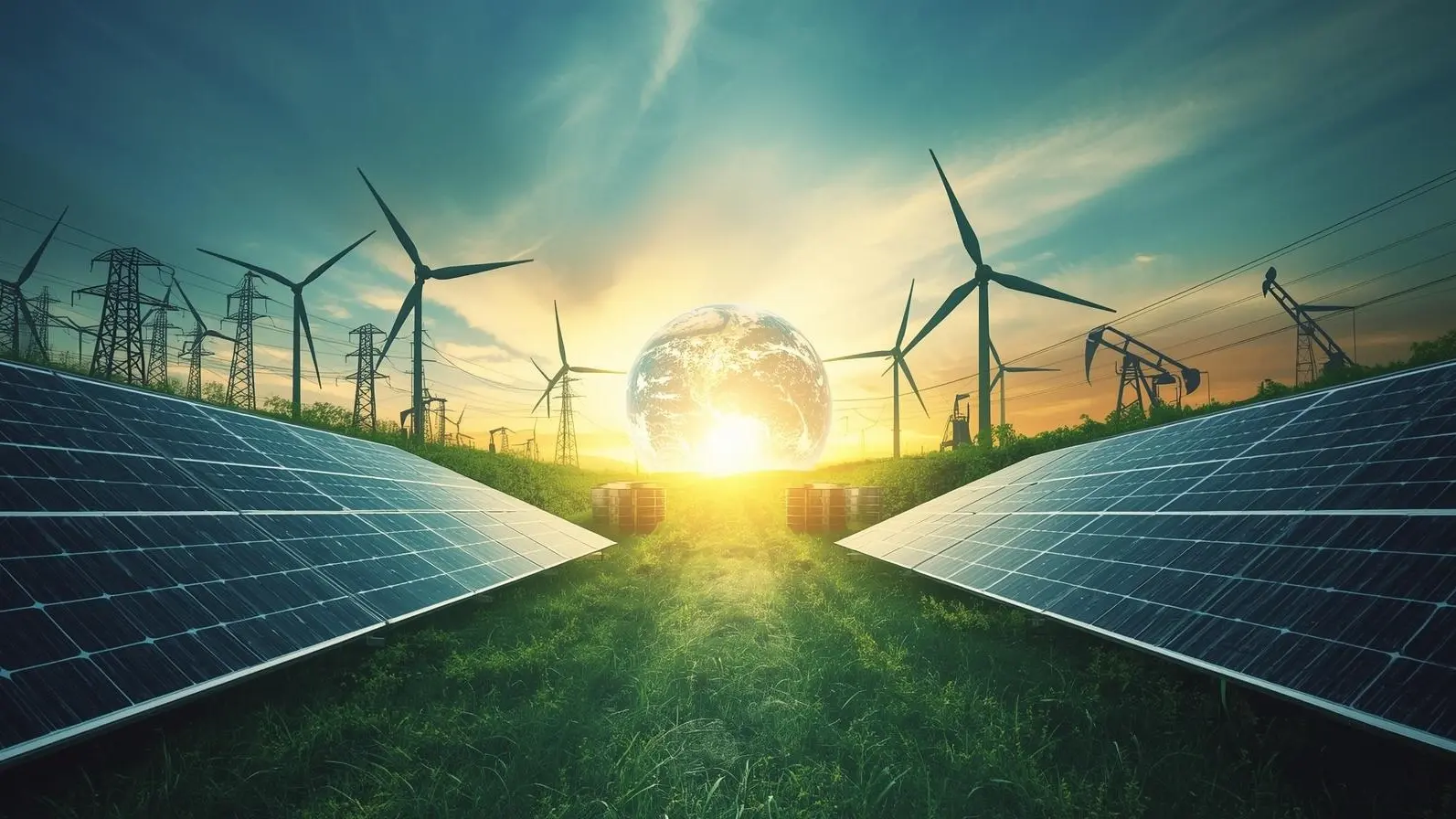
One of the biggest drivers behind today’s inflation fears is energy prices, especially oil. Oil affects far more than transportation.
When oil prices rise sharply, the cost of shipping, manufacturing, production, and logistics also increases. That pressure eventually spreads into food prices, retail products, airline tickets, delivery services, and countless everyday expenses. In many ways, oil acts like the bloodstream of the global economy.
When energy becomes expensive, everything connected to movement becomes more costly too. This is why global markets react nervously whenever geopolitical tensions threaten oil supply routes or production stability.
Even rumors alone can influence investor behavior. The untold truth is that markets often react emotionally to possibility before reality fully arrives. Fear of future inflation sometimes becomes almost as powerful as inflation itself.
Why Financial Anxiety Feels Stronger Today
The reason today’s inflation fears feel especially intense is because people are already emotionally exhausted from years of instability.
The world has already experienced:
- Pandemic uncertainty
- Economic shutdowns
- Rising living costs
- Employment instability
- Housing challenges
- Geopolitical tensions
Many households never fully recovered emotionally or financially. So when inflation fears return, they reopen existing anxieties instead of creating entirely new ones. People feel tired of adapting constantly.
Why Markets React Emotionally to Economic Fear
One of the most complicated realities behind inflation fears is the pressure placed on central banks.
When inflation rises, central banks often increase interest rates to slow spending and reduce economic overheating. Higher interest rates can help stabilize prices.
But aggressive rate increases may also slow economic growth too much.
What Happens When Interest Rates Rise
- Businesses borrow less money.
- Consumers reduce spending.
- Investments decrease.
- Housing markets weaken.
- Hiring slows down.
In extreme cases, economies risk entering recession.
This creates a difficult balancing act:
fight inflation without damaging economic growth.
Markets closely analyze every statement made by central bank officials because even small changes in tone influence investor expectations. One of the most fascinating truths about global markets is how emotional they actually are. People often imagine financial markets as purely logical systems controlled entirely by mathematics and analysis. Reality is far more psychological.
Emotions That Drive Financial Markets
- Confidence
- Fear
- Optimism
- Uncertainty
- Perception
When people feel optimistic, markets often rise rapidly. When fear spreads, markets can decline even before major economic damage occurs.
Inflation fears are particularly powerful because they combine multiple anxieties at once:
higher costs, reduced purchasing power, economic slowdown, geopolitical instability, and uncertain policy responses. Confidence itself has economic value.
A World Searching for Stability Again
Older generations often compare current inflation fears to past economic crises they personally experienced. But younger generations are experiencing inflation from an entirely different perspective.
Many young adults entered adulthood during periods of financial instability. They witnessed global recessions, rising debt, expensive housing markets, job insecurity, and rapidly increasing living costs. For some, inflation feels less like a temporary economic phase and more like a permanent condition of modern life.
This changes behavior dramatically.
How Younger Generations Are Responding
- Many delay marriage.
- Home ownership feels increasingly difficult.
- Family planning gets postponed.
- Multiple income streams become necessary.
- Long-term financial commitments feel risky.
At the same time, financial stress has become one of the largest hidden mental health pressures globally. Inflation intensifies this pressure because it creates constant low-level uncertainty.
Hidden Mental Health Effects of Inflation
- Sleep problems
- Relationship tension
- Burnout
- Irritability
- Chronic anxiety
Even individuals who appear financially secure often experience silent emotional stress during inflationary periods. Because money is not just financial. It represents safety, control, freedom, and stability.
As markets continue reacting to inflation fears, one reality becomes increasingly clear: human beings crave stability more than constant growth. People are not searching only for wealth anymore. They are searching for stability in a world that increasingly feels unpredictable.