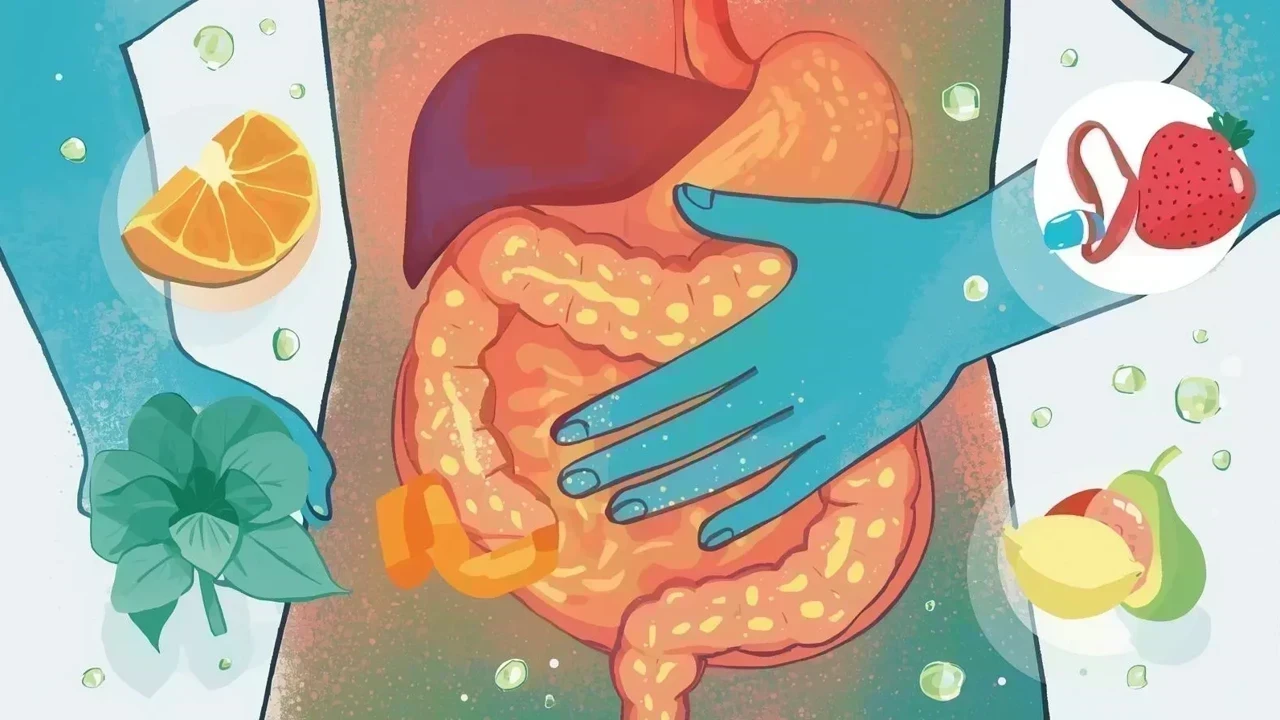
Why Skipping Meals Backfires on Weight and Metabolism
Skipping meals is often seen as a shortcut to weight loss. Many people believe that eating less frequently will automatically reduce calories, speed up fat loss, and improve metabolism. In reality, skipping meals frequently does the opposite. It disrupts metabolic balance, increases fat storage signals, and makes long-term weight control harder.
In 2026, nutrition science clearly shows that when and how consistently you eat matters as much as what you eat. This article explains, in depth, why skipping meals backfires on weight and metabolism, how the body reacts internally, and what smarter alternatives actually work.
Understanding How Metabolism Really Works
Metabolism is not a single process. It is the sum of all chemical reactions that keep your body alive and functioning.
Key components of metabolism
-
Basal metabolic rate (BMR): Energy used for basic functions like breathing and circulation
-
Thermic effect of food: Energy used to digest and absorb meals
-
Activity-related energy use: Energy spent on movement and exercise
Skipping meals interferes with all three.
What Happens Inside Your Body When You Skip Meals
When you skip a meal, your body does not immediately burn fat. Instead, it enters a protective mode.
Short-term response
-
Blood sugar drops
-
Stress hormones rise
-
Hunger hormones increase
-
Energy levels fall
Your body interprets missed meals as potential food scarcity.
Long-term response
With repeated skipping:
-
Metabolism slows to conserve energy
-
Fat storage signals increase
-
Muscle breakdown rises
-
Hunger becomes more intense
This is why skipping meals often leads to weight gain over time, not loss.
Blood Sugar Instability and Weight Gain
One of the biggest problems with skipping meals is blood sugar imbalance.
How skipping meals affects blood sugar
-
Long gaps cause blood sugar crashes
-
Crashes trigger intense hunger
-
The next meal often becomes overeaten
-
Insulin spikes store excess calories as fat
This cycle encourages fat storage, especially around the abdomen.
Skipping Meals Increases Fat Storage Hormones
Hormones play a major role in weight regulation.
Cortisol and fat storage
Skipping meals increases cortisol, the stress hormone. High cortisol:
-
Encourages fat storage
-
Slows fat burning
-
Increases cravings for sugar and refined carbs
This is especially harmful for people already under work or emotional stress.
Insulin sensitivity worsens
Irregular eating patterns reduce insulin sensitivity, making it easier for the body to store fat even from moderate meals.
Muscle Loss: The Hidden Consequence
Weight loss is not the same as fat loss.
Why muscle matters for metabolism
Muscle tissue burns more calories at rest than fat tissue. When you skip meals:
-
Protein intake drops
-
The body uses muscle for energy
-
Metabolic rate declines
Losing muscle makes it harder to maintain weight loss long-term.
Skipping Meals Triggers Overeating Later
Many people skip meals successfully during the day but struggle at night.
Why this happens
-
Hunger hormones like ghrelin increase
-
Decision-making weakens with fatigue
-
The brain seeks quick energy
This often leads to binge eating, late-night snacking, or oversized portions that erase any calorie deficit.
The Myth of “Eating Less = Losing Weight Faster”
Weight loss is about metabolic balance, not starvation.
Why extreme restriction fails
-
Slows metabolism
-
Increases fat preservation
-
Causes energy crashes
-
Leads to rebound weight gain
This is why crash diets and meal-skipping plans rarely succeed long-term.
Skipping Breakfast and Metabolic Disruption
Skipping breakfast is one of the most common habits linked to metabolic issues.
What research shows
-
Higher insulin resistance
-
Increased fat storage later in the day
-
Reduced energy and focus
-
Poor appetite control
Breakfast helps signal the body that energy is available, stabilizing hormones throughout the day.
Impact on Thyroid and Hormonal Health
Your thyroid plays a critical role in metabolism.
How meal skipping affects thyroid function
-
Reduces conversion of active thyroid hormones
-
Lowers metabolic rate
-
Increases fatigue and cold sensitivity
Hormonal disruption makes weight management significantly harder.
Skipping Meals and Stress-Driven Weight Gain
Chronic under-eating is perceived by the body as stress.
Stress response effects
-
Elevated cortisol
-
Increased abdominal fat
-
Poor sleep quality
-
Slower recovery
Stress-related weight gain is one of the most stubborn forms of fat accumulation.
Why Skipping Meals Feels Like It Works Initially
Some people see short-term weight loss when skipping meals.
What’s actually happening
-
Water weight loss
-
Glycogen depletion
-
Temporary appetite suppression
This is not true fat loss and often reverses quickly.
The Role of Consistency in a Healthy Metabolism
Consistency teaches the body when to expect fuel.
Benefits of regular meals
-
Stable blood sugar
-
Improved insulin sensitivity
-
Reduced cravings
-
Better energy levels
-
More efficient fat burning
Your metabolism thrives on predictability, not deprivation.
Smarter Alternatives to Skipping Meals
Instead of skipping meals, focus on meal quality and balance.
What works better
-
Protein-rich meals
-
Balanced carbs and healthy fats
-
Fiber from vegetables and whole foods
-
Regular meal timing
Even small meals are better than long fasting gaps for most people.
Who Is Most Affected by Meal Skipping
Some groups are more sensitive to skipped meals:
-
People with high stress levels
-
Women with hormonal fluctuations
-
Individuals with sedentary lifestyles
-
Those with insulin resistance
For these individuals, meal skipping can worsen metabolic health significantly.
When Controlled Fasting Is Different From Skipping Meals
Planned fasting under guidance is not the same as random meal skipping.
Key difference
-
Fasting is structured and nutrient-dense
-
Skipping meals is inconsistent and stress-driven
Without structure, the body reacts defensively.
Signs Skipping Meals Is Hurting Your Metabolism
-
Persistent fatigue
-
Increased cravings
-
Difficulty losing weight
-
Cold intolerance
-
Hair thinning
-
Mood swings
These are signals your body needs regular nourishment.
The Long-Term Cost of Skipping Meals
Over time, skipping meals can lead to:
-
Slower metabolism
-
Hormonal imbalance
-
Fat regain
-
Poor relationship with food
Sustainable weight control requires cooperation with your body, not punishment.
Final Perspective on Weight, Metabolism, and Meal Timing
Skipping meals may seem like discipline, but biologically it signals danger. Your body responds by slowing metabolism, storing fat, and increasing hunger. True metabolic health comes from consistent nourishment, balanced meals, and stable routines.
Eating regularly is not the enemy of weight loss. In most cases, it is the foundation of it.
Disclaimer
This article is intended for informational and educational purposes only and does not replace professional medical or nutritional advice. Metabolic responses vary based on individual health conditions, lifestyle, and dietary needs. Always consult a qualified healthcare professional or registered dietitian before making significant changes to your eating habits or weight management plan.