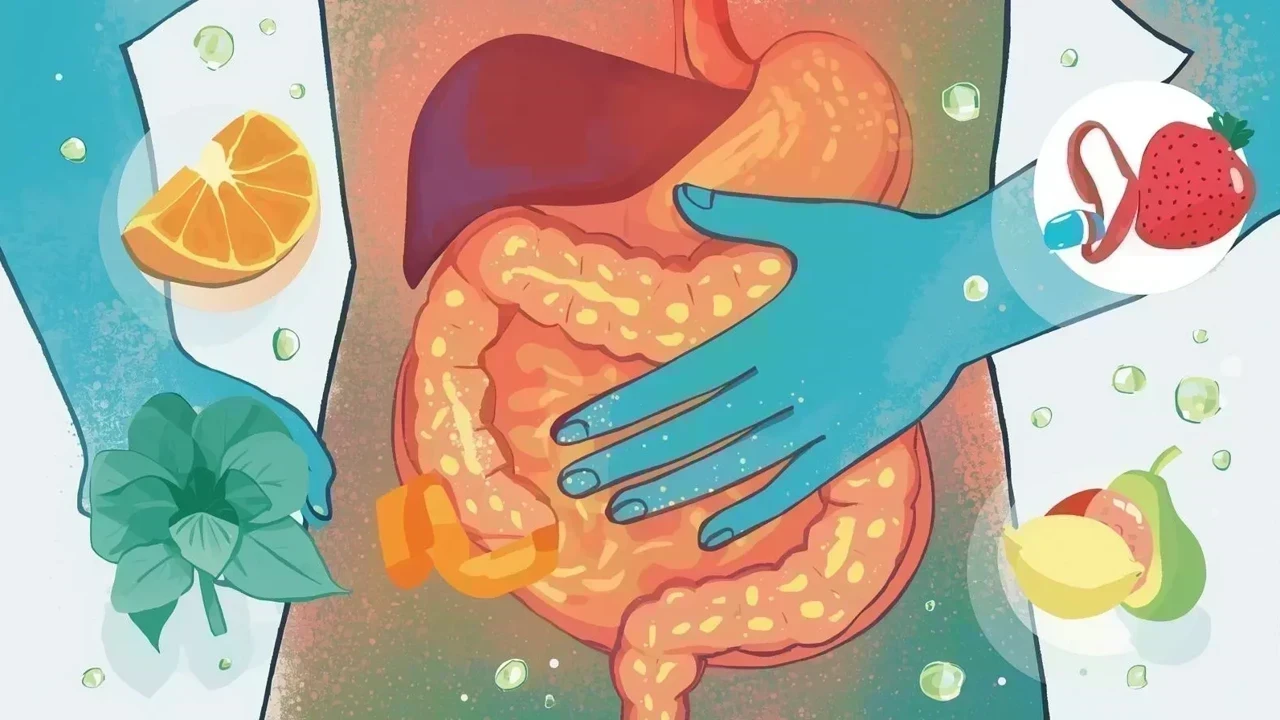
How Hydration Levels Influence Energy
Energy is often blamed on sleep, diet, stress, or workload, but one of the most overlooked factors affecting daily energy levels is hydration. Even mild dehydration can quietly drain physical stamina, mental focus, and emotional balance long before thirst becomes noticeable. Many people walk through their day feeling tired, unfocused, or sluggish without realizing that their body is simply running low on water.
Hydration is not just about drinking water when you feel thirsty. It is about maintaining optimal fluid balance so that every system in your body can function efficiently. From brain activity and muscle movement to hormone regulation and digestion, water plays a central role in how energized or exhausted you feel.
This article explores how hydration levels directly influence energy, why dehydration causes fatigue, how much water your body truly needs, and how to build hydration habits that support consistent energy throughout the day.
The Role of Water in the Human Body
Water makes up nearly 60% of the human body, and its influence extends to every major function.
Cellular energy production
At the cellular level, water is essential for producing adenosine triphosphate (ATP), the molecule responsible for storing and transferring energy. When hydration levels drop, ATP production becomes less efficient, resulting in lower energy output.
Nutrient transport and waste removal
Water helps transport oxygen, glucose, vitamins, and minerals to cells while removing metabolic waste. Dehydration slows this process, causing cells to function under stress and fatigue to build up.
Temperature regulation
Water regulates body temperature through sweating and circulation. Poor hydration forces the body to work harder to cool itself, increasing tiredness and physical strain.
When water availability drops, the body enters a conservation mode, prioritizing survival over performance.
Why Dehydration Causes Fatigue So Quickly
Even a 1–2% loss of body water can significantly impact energy and mental performance.
Reduced blood volume
Dehydration lowers blood volume, forcing the heart to work harder to circulate oxygen and nutrients. This extra effort leads to physical exhaustion even during routine tasks.
Brain sensitivity to hydration
The brain is extremely sensitive to fluid balance. Mild dehydration can cause:
-
Reduced concentration
-
Brain fog
-
Slower reaction times
-
Irritability
Mental fatigue often appears before physical exhaustion.
Electrolyte imbalance
Water works alongside electrolytes like sodium, potassium, and magnesium. Dehydration disrupts this balance, affecting nerve signals and muscle contractions, leading to weakness and low energy.
Hydration and Mental Energy
Mental fatigue is one of the earliest signs of dehydration.
Impact on focus and memory
Studies consistently show that dehydration reduces short-term memory, alertness, and attention span. Tasks requiring problem-solving or creativity become harder.
Mood and motivation
Low hydration levels are linked to increased feelings of:
-
Stress
-
Anxiety
-
Low motivation
-
Mental burnout
These effects can occur without noticeable thirst, making dehydration a hidden cause of emotional fatigue.
Decision-making fatigue
The brain uses a large amount of water to maintain electrical signaling. When hydration drops, decision-making becomes slower and more error-prone, increasing perceived workload and exhaustion.
Physical Energy and Hydration
Hydration is equally critical for physical performance, even outside of exercise.
Muscle efficiency
Muscles are approximately 75% water. Dehydration reduces muscle strength, endurance, and recovery speed.
Increased perceived effort
When dehydrated, activities feel harder than they actually are. Walking, climbing stairs, or carrying groceries may feel unusually tiring.
Faster fatigue during movement
Dehydration reduces oxygen delivery to muscles, causing them to fatigue faster and recover slower.
Hydration, Digestion, and Energy Levels
Energy is also influenced by how well your body digests and absorbs nutrients.
Slower digestion
Water supports digestive enzyme activity and food breakdown. Dehydration slows digestion, causing heaviness, bloating, and sluggishness after meals.
Blood sugar fluctuations
Poor hydration can contribute to unstable blood sugar levels, leading to energy crashes, especially after carbohydrate-heavy meals.
Nutrient absorption
Even with a balanced diet, dehydration reduces the absorption of essential nutrients like B vitamins and minerals that support energy metabolism.
How Much Water Does the Body Actually Need?
Hydration needs vary based on body size, activity level, climate, and diet.
General guideline
A common recommendation is:
-
Men: around 3.5 liters per day
-
Women: around 2.5 liters per day
This includes water from beverages and food.
Factors that increase water needs
-
Hot or humid weather
-
Physical activity
-
High-protein or high-fiber diets
-
Caffeine or alcohol consumption
-
Illness or fever
Ignoring these factors often leads to chronic mild dehydration.
Signs Your Low Energy Is Hydration-Related
Many people misinterpret dehydration symptoms as stress or lack of sleep.
Common signs include:
-
Constant tiredness despite adequate sleep
-
Brain fog or difficulty focusing
-
Headaches
-
Dry mouth or lips
-
Dark-colored urine
-
Frequent sugar or caffeine cravings
Addressing hydration often improves these symptoms faster than dietary changes.
Hydration Timing Matters for Energy
When you drink water matters almost as much as how much you drink.
Morning hydration
After 6–8 hours of sleep, the body is mildly dehydrated. Drinking water in the morning:
-
Reactivates metabolism
-
Improves mental clarity
-
Reduces morning fatigue
Hydration between meals
Sipping water between meals supports digestion and prevents energy crashes without diluting digestive enzymes.
Avoiding late dehydration
Many people stop drinking water in the evening, leading to overnight dehydration that impacts next-day energy.
Water vs Other Beverages
Not all fluids hydrate equally.
Plain water
The most effective and calorie-free hydration source.
Electrolyte-rich fluids
Useful during intense activity or excessive sweating but unnecessary for sedentary individuals daily.
Caffeine and energy drinks
Caffeine provides temporary alertness but increases fluid loss and contributes to energy crashes.
Sugary drinks
Cause rapid blood sugar spikes followed by fatigue, worsening dehydration effects.
Hydration and Long-Term Energy Stability
Chronic dehydration doesn’t just cause daily fatigue; it affects long-term health.
Hormonal impact
Water is essential for hormone transport and balance. Dehydration disrupts cortisol, insulin, and thyroid hormones, affecting energy regulation.
Sleep quality
Poor hydration can cause nighttime cramps, dry mouth, and increased heart rate, reducing sleep quality and next-day energy.
Metabolic efficiency
Hydration supports fat metabolism and thermogenesis. Dehydration slows metabolic processes, leading to persistent low energy.
Practical Hydration Habits for Consistent Energy
Start your day with water
Drink 1–2 glasses of water within 30 minutes of waking.
Drink before thirst
Thirst is a delayed signal. Sip water regularly throughout the day.
Pair hydration with routines
Drink water:
-
After bathroom breaks
-
Before meals
-
During work breaks
Consistency matters more than volume at once.
Eat water-rich foods
Fruits and vegetables like cucumber, watermelon, oranges, and spinach contribute to hydration.
Monitor urine color
Light yellow indicates good hydration. Dark yellow signals dehydration.
Why Hydration Is a Sustainable Energy Strategy
Unlike stimulants or supplements, hydration supports energy without side effects. It works with the body’s natural systems rather than forcing alertness.
Consistent hydration:
-
Improves physical stamina
-
Enhances mental focus
-
Stabilizes mood
-
Reduces reliance on caffeine
-
Supports long-term health
Energy built on hydration is stable, not artificial.
Final Perspective
Low energy is often treated as a productivity problem, a sleep issue, or a nutritional deficiency. In reality, hydration is one of the simplest and most powerful energy regulators. Small improvements in daily water intake can lead to noticeable gains in focus, stamina, and overall well-being.
Hydration does not replace good sleep or nutrition, but without it, neither can work effectively.
Disclaimer
This article is for informational purposes only and does not replace medical or nutritional advice. Individual hydration needs vary based on health and lifestyle. Consult a healthcare professional for personalized guidance.