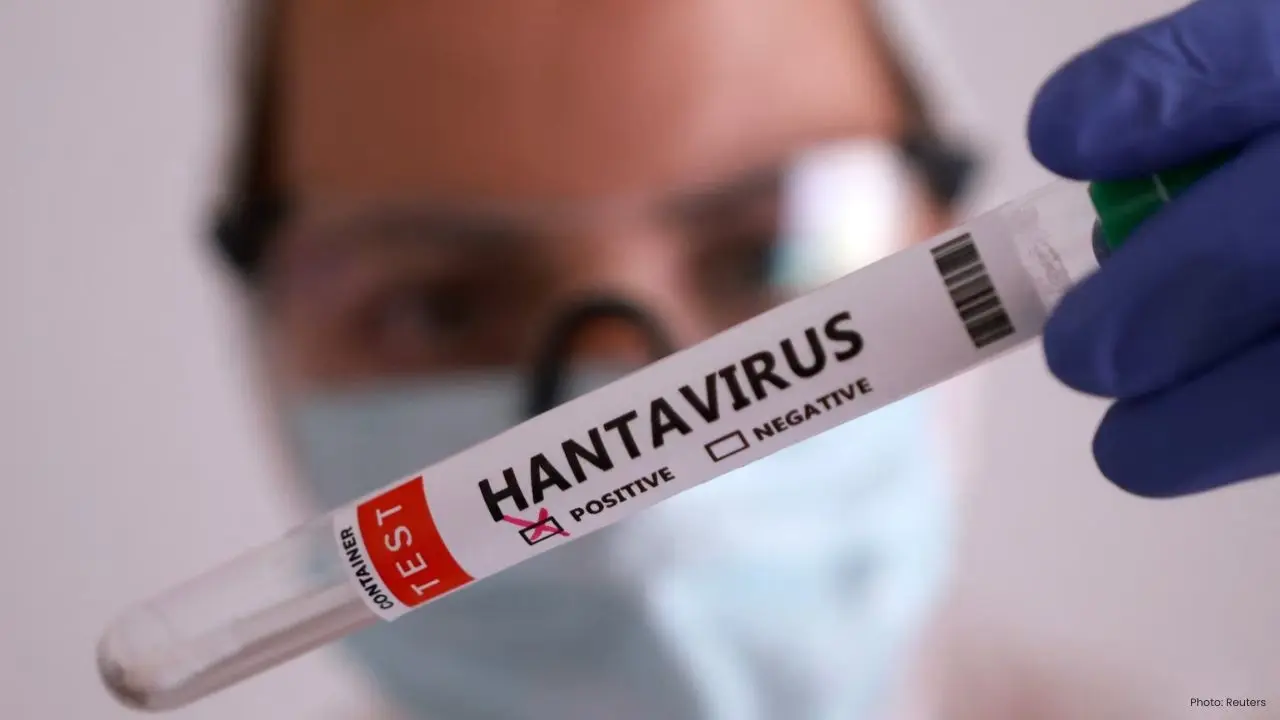
Health authorities worldwide are currently focused on a hantavirus outbreak stemming from the cruise ship MV Hondius, reigniting concerns about disease management in the wake of the COVID-19 pandemic.
This outbreak was first reported on the MV Hondius, where a number of passengers fell ill during their journey. Health officials confirmed multiple cases of the Andes strain of hantavirus among the passengers, resulting in at least three fatalities.
Typically transmitted through contact with rodents—primarily via their urine, saliva, or droppings—hantavirus is relatively rare. The Andes strain is particularly notable as it can occasionally spread between humans in close contact, although experts note that it is far less contagious than COVID-19 and generally does not transmit easily in everyday situations.
The incident has drawn significant international attention given the ship's diverse passenger base from various nations. Health agencies are tracking individuals who may have been exposed and are implementing quarantine and monitoring measures.
This outbreak is also putting a spotlight on the effectiveness of government communication strategies, particularly in light of the challenges faced during COVID-19. Many governments received backlash for slow updates and mixed health messages. In response, officials this time are aiming for quicker and clearer communication to mitigate public anxiety.
Agencies like the World Health Organization, along with national health departments, have assured the public that the overall risk remains low. Their ongoing advice is for individuals to stay informed but to refrain from panic.
Medical professionals warn that hantavirus symptoms can include fever, fatigue, muscle aches, respiratory issues, and headaches. If not addressed promptly, severe cases can be life-threatening.
This outbreak underscores how swiftly health concerns can gain global prominence in our interconnected society. An isolated event aboard a cruise ship can rapidly escalate into an international issue because of travel.
Experts view this situation as a crucial reminder of the need for robust health systems, prompt communication, and international collaboration. While hantavirus is unlikely to trigger another global pandemic, this outbreak serves as a reminder of the unexpected nature of health threats.