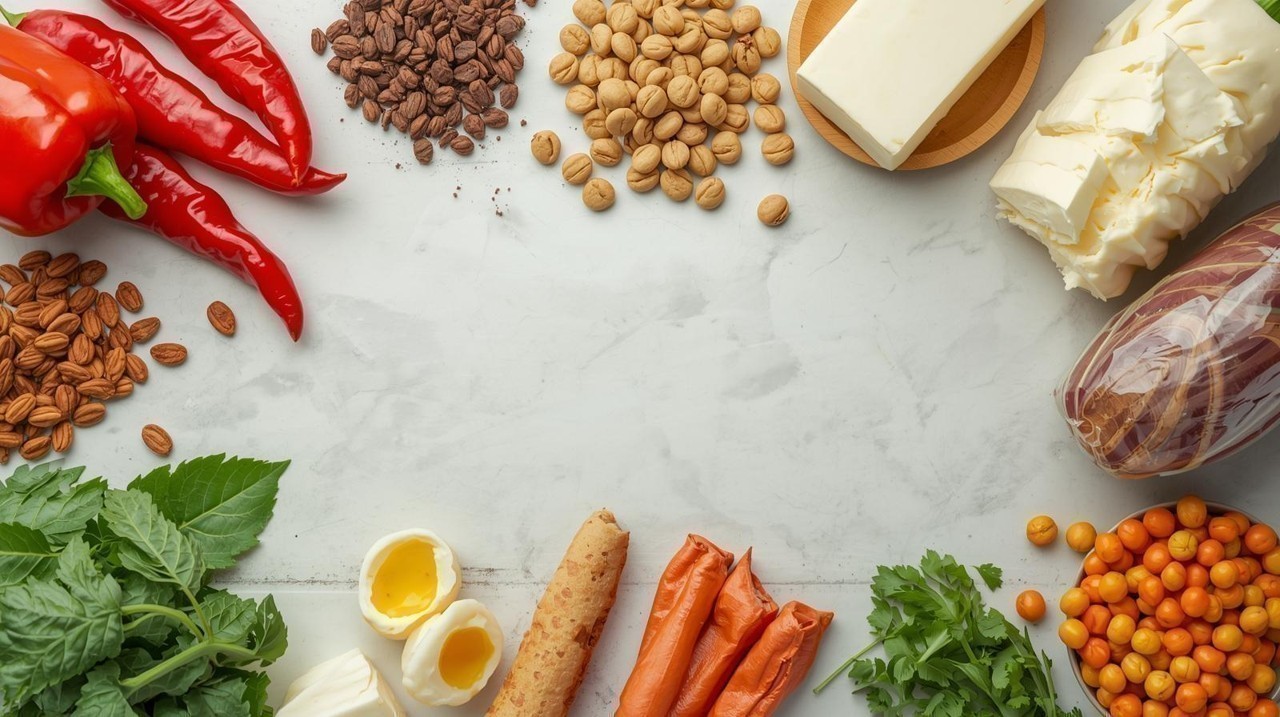
Identifying the Common Hidden Foods That Cause Digestive Discomfort
Digestive discomfort is often blamed on heavy meals, overeating, or stress, but many people overlook a major cause: hidden foods that irritate the gut without obvious signs. These ingredients appear in everyday meals—sometimes even in foods marketed as “healthy.” They trigger bloating, gas, acid reflux, cramps, and irregular bowel movements. Because they aren’t always visible or listed clearly, people continue eating them without realizing they’re responsible for ongoing digestive issues. This guide breaks down the most common hidden foods that silently harm gut health and explains how to replace them without sacrificing taste or nutrition.
Why Hidden Food Triggers Are Easy to Miss
Modern packaged foods contain additives, preservatives, fillers, and emulsifiers that the digestive system struggles to break down. Even fresh foods can have naturally occurring compounds that irritate sensitive stomachs. Many of these triggers do not cause immediate pain; instead, they create slow, consistent inflammation that eventually becomes chronic discomfort. Identifying the root cause requires understanding what your body reacts to and how these ingredients impact digestion.
Lactose in Unexpected Foods
Most people think lactose intolerance only relates to milk or ice cream, but lactose hides in many processed foods.
Common Hidden Sources
Baked goods
Cream-based soups
Protein shakes
Breakfast cereals
Salad dressings
Flavored chips
Even “non-dairy” products may contain milk derivatives such as casein or whey.
Why It Causes Discomfort
People with low levels of lactase cannot break lactose down, leading to fermentation in the gut. This creates bloating, gas, stomach pain, and diarrhea.
Gluten in Non-Bread Products
You may avoid bread or pasta but still consume gluten unknowingly.
Where Gluten Hides
Soy sauce
Gravy and thickened sauces
Energy bars
Processed meats
Seasoning mixes
Imitation meats
How It Affects Digestion
For those with sensitivity, gluten causes inflammation, malabsorption, cramps, and chronic bloating. Even small amounts can disrupt digestion.
Fructose in “Healthy” Foods
Fructose is a natural sugar, but large quantities—especially in processed form—are hard to digest.
High-Fructose Culprits
Fruit juices
Honey
Agave syrup
Apples, pears, mangoes
Certain energy drinks
Protein bars
Why It’s Problematic
Fructose malabsorption can cause gas, bloating, and diarrhea. Many people assume fruit is always safe, but some fruits contain excessive fructose that overwhelms the gut.
FODMAP-Rich Foods That Seem Innocent
FODMAPs are a group of fermentable carbs that trigger digestive issues in many people.
Hidden High-FODMAP Foods
Onions and garlic in sauces
Cauliflower in healthy bowls
Chickpeas and lentils in ready meals
Sugar alcohols in gum and mints
Wheat-based thickeners in soups
Impact on Gut
These foods ferment rapidly, producing gas and pressure. People with IBS are especially sensitive to FODMAPs.
Artificial Sweeteners That Disrupt Gut Balance
Low-calorie and “sugar-free” products often contain artificial sweeteners that the gut cannot digest well.
Common Sweeteners
Sorbitol
Xylitol
Aspartame
Sucralose
Acesulfame-K
Why They Harm Digestion
They alter gut bacteria, causing gas, loose stools, bloating, and in some cases, long-term imbalance in digestion.
Excessive Fiber from Processed Health Foods
Fiber is essential, but too much—especially from processed sources—can cause significant discomfort.
Foods That Create Fiber Overload
Granola bars
Fiber cereals
Smoothies packed with raw greens
Supplements like inulin or chicory root
Symptoms
Hard stools, gas, bloating, stomach pressure, and irregularity. Many people add fiber too quickly, overwhelming the gut.
Fatty Foods That Slow Digestion
High-fat meals take longer to digest, especially if combined with hidden oils and additives.
Hidden High-Fat Triggers
Creamy sauces
Pastries
Fried snacks
Salad dressings
Processed cheese
Why It’s Problematic
Fat slows the movement of food, leading to heaviness, nausea, and delayed gastric emptying.
Caffeine and Carbonation in Everyday Drinks
You may not notice these as food triggers, but they can dramatically affect digestion.
Hidden Sources
Energy drinks
Flavored sodas
Iced teas
Pre-workout mixes
Effects
Caffeine stimulates stomach acid, while carbonation causes pressure buildup, leading to gas and heartburn.
How to Identify Your Specific Trigger Foods
A systematic approach helps you find your personal irritants.
Steps
Track symptoms with a food diary.
Remove suspected foods one by one.
Test them again later in small amounts.
Notice which foods consistently cause discomfort.
This method creates long-term clarity for people with sensitive digestion.
Simple Food Swaps to Reduce Digestive Discomfort
Identifying triggers is only half the solution—replacements make eating easier.
Better Alternatives
Lactose-free milk instead of regular.
Gluten-free soy sauce instead of traditional.
Low-fructose fruits like berries instead of apples.
Stevia instead of artificial sweeteners.
Cooked vegetables instead of raw.
Olive oil instead of heavy sauces.
Small changes can significantly improve digestion without altering your lifestyle.
Final Thoughts
Digestive discomfort is often triggered not by large meals but by hidden irritants that your gut cannot process effectively. Once you understand where these ingredients hide and how they affect your body, you can make small but impactful adjustments. Identifying and eliminating your trigger foods helps restore comfort, balance, and long-term gut health. With mindful eating and better awareness, you can significantly reduce daily digestive problems.
Disclaimer
This article provides general information about common digestive triggers and is not a substitute for professional medical advice. Digestive reactions vary from person to person, and what affects one individual may not affect another. Readers experiencing severe or persistent symptoms should consult a qualified healthcare professional for accurate diagnosis and personalized treatment.