Scrolling All Day Long? Discover Easy and Effective Tips to Break Your Phone Addiction
You pick up your phone for “just two minutes” to check a message, and suddenly an hour disappears. One video turns into ten, one notification leads to endless scrolling, and before you realize it, your entire day feels consumed by your screen. This has quietly become a normal routine for millions of people.
Phone addiction does not always look serious in the beginning. It often starts as a habit—checking social media during breaks, scrolling before sleeping, or opening apps whenever boredom appears. But over time, this constant need to stay connected starts affecting focus, sleep, productivity, mental health, and even relationships.
The biggest problem is that most people don’t realize how much time they are losing until the habit becomes difficult to control. Phones are designed to keep your attention for as long as possible. Endless feeds, notifications, autoplay videos, and algorithm-based content make it extremely easy to keep scrolling without thinking.
Breaking phone addiction does not mean throwing your phone away or avoiding technology completely. Smartphones are useful and necessary in modern life. The real goal is learning how to use your phone intentionally instead of allowing it to control your time and attention.
Why phone addiction feels so difficult to stop
One reason phone addiction is so common is because it affects the brain’s reward system. Every notification, like, message, or new video gives a small burst of stimulation. Over time, your brain starts expecting these quick rewards regularly.
This creates a habit loop:
- boredom or stress appears
- you pick up the phone
- your brain gets quick stimulation
- the cycle repeats again
Eventually, checking your phone becomes automatic. You may even unlock your phone without knowing why.
Social media platforms and apps are carefully designed to hold your attention. Infinite scrolling and personalized content make it difficult for the brain to naturally stop. This is why many people continue scrolling even when they are no longer enjoying it.
How excessive screen time affects your daily life
Most people think phone addiction only wastes time, but the effects go much deeper than that.
Constant scrolling reduces attention span. Your brain becomes used to quick content and instant stimulation, making it harder to focus on important tasks like studying, working, or reading.
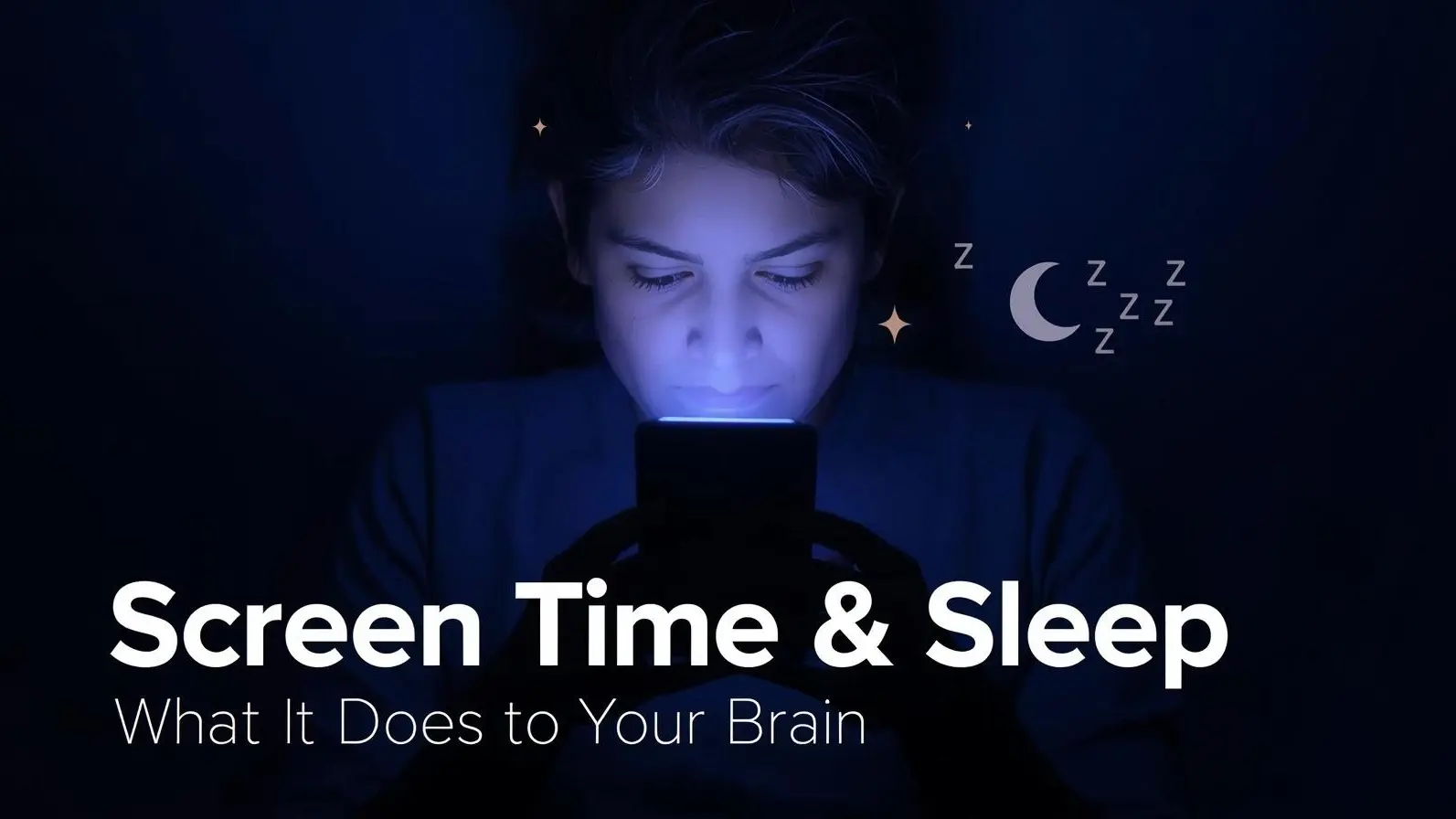
It also affects sleep quality. Using your phone late at night exposes your eyes to blue light, which can interfere with melatonin production and make it harder to fall asleep. Poor sleep then affects energy, mood, and concentration during the day.
Phone addiction can also increase stress and anxiety. Seeing constant updates, news, or social comparisons can overwhelm the mind without you realizing it.
Over time, excessive screen time can even affect real-life relationships because your attention becomes divided between the digital world and the people around you.
The first step: Stop blaming yourself
Many people feel guilty about spending too much time on their phones, but guilt alone does not solve the problem.
Phone addiction is difficult because modern apps are intentionally built to capture attention. The goal is not to blame yourself—it is to become aware of your habits.
Awareness creates change.
Start by checking your screen time honestly. Most smartphones now show daily and weekly usage reports. Seeing the actual number can be surprising and eye-opening.
You don’t need to quit everything immediately. The goal is gradual improvement, not perfection.
Make your phone less tempting
One of the easiest ways to reduce phone addiction is by making your phone slightly less attractive.
Small changes can have a surprisingly strong impact:
- turn off unnecessary notifications
- remove distracting apps from the home screen
- switch your screen to grayscale mode
- log out of apps that trigger endless scrolling
These adjustments create small moments of friction, which help break automatic habits.
When scrolling becomes less convenient, your brain starts reaching for the phone less often.
Create “phone-free” parts of your day
Trying to reduce phone usage all day at once usually fails. A better approach is creating specific periods where your phone is not allowed.
For example:
- avoid using your phone during meals
- keep the phone away for the first 30 minutes after waking up
- stop scrolling 1 hour before sleep
These boundaries help your brain slowly disconnect from constant stimulation.
Morning and nighttime habits are especially important because they affect your mood, focus, and sleep quality.
Replace scrolling with something else
One major reason people fail to break phone addiction is because they only remove the habit without replacing it.
Your brain still wants stimulation, relaxation, or entertainment. If you remove scrolling completely without another activity, you naturally go back to old habits.
Instead, replace phone usage with healthier alternatives:
- reading a few pages of a book
- going for a short walk
- listening to music or podcasts
- exercising
- journaling or writing thoughts
The goal is not to make life boring—it is to reduce mindless consumption.
Why boredom is actually important
Most people pick up their phones the moment boredom appears. But boredom is not always bad.
In fact, boredom gives your brain time to think, process emotions, and become creative. Constant scrolling removes these quiet moments completely.
When you allow yourself to sit without stimulation, your mind slowly becomes calmer and more focused.
This is why reducing screen time often improves creativity, concentration, and mental clarity.
Improve your environment instead of relying only on willpower
Willpower alone usually doesn’t work for long-term habit change.
Your environment matters more than motivation.
If your phone is always beside you, you will naturally use it more. But if it is placed in another room while working or studying, distraction reduces automatically.
Simple environmental changes can dramatically improve focus:
- keep your phone away while sleeping
- use a real alarm clock instead of your phone
- avoid carrying the phone everywhere inside your house
These changes reduce automatic checking habits.
Social media detox does not have to be extreme
You do not need to completely quit social media unless you want to. For most people, balance works better than extreme restriction.
The goal is mindful usage.
Ask yourself:
- am I using this intentionally?
- or am I scrolling without purpose?
Even reducing screen time by 1–2 hours daily can significantly improve focus, sleep, and productivity.
Small improvements create lasting results.
What happens when you reduce phone addiction
When people reduce excessive phone usage, they often notice changes faster than expected.
They feel:
- more focused
- mentally calmer
- less anxious
- more productive
- more present in real life
Sleep improves, attention span becomes stronger, and daily tasks feel easier to complete.
Most importantly, time starts feeling slower again because you are no longer losing hours unconsciously.
Your attention is valuable
Your phone is a tool, not your entire life.
Technology itself is not the problem—the problem begins when it controls your time, focus, and emotions without you realizing it.
Breaking phone addiction does not require perfection. It simply requires awareness and small consistent changes.
Start with one habit. Reduce one hour of unnecessary scrolling. Create one phone-free part of your day.
Small steps may not feel powerful immediately, but over time they completely change your relationship with technology.
And once you regain control of your attention, you regain control of your time.
Disclaimer
This article is for informational purposes only and does not replace professional mental health advice. If excessive phone usage is seriously affecting daily life or mental well-being, consider seeking professional support.