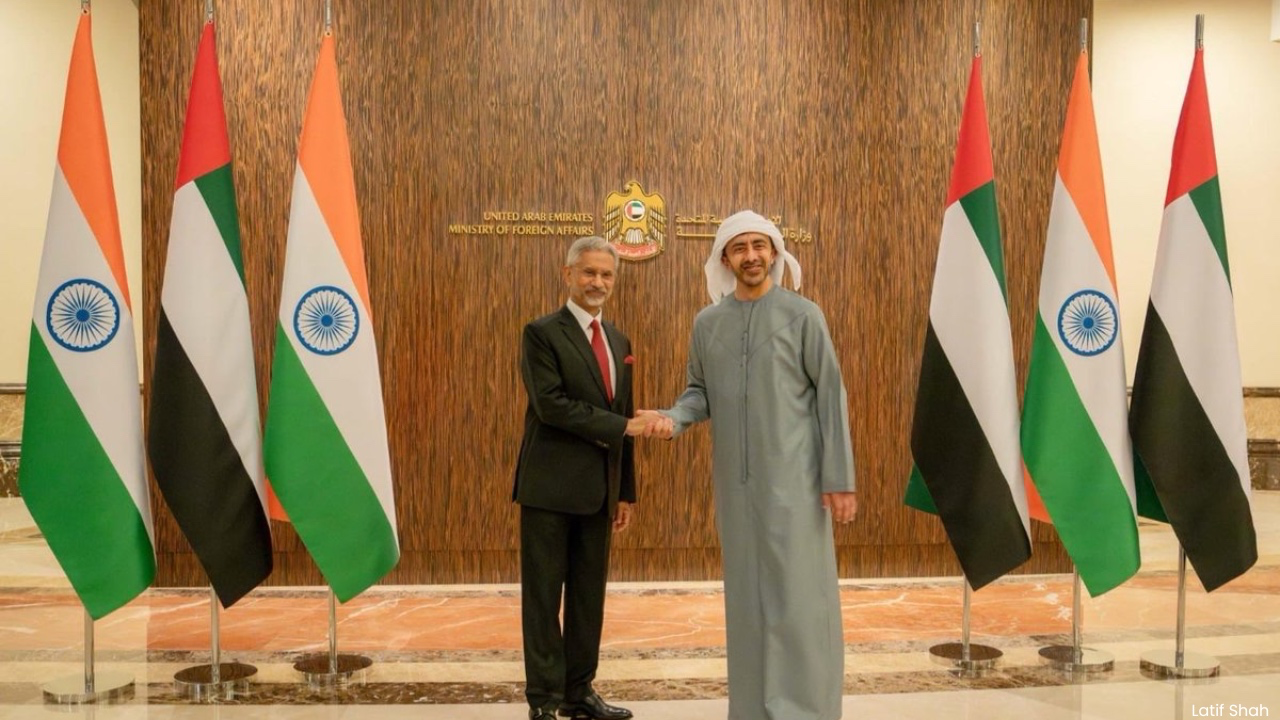
Photo : X / Latif Shah
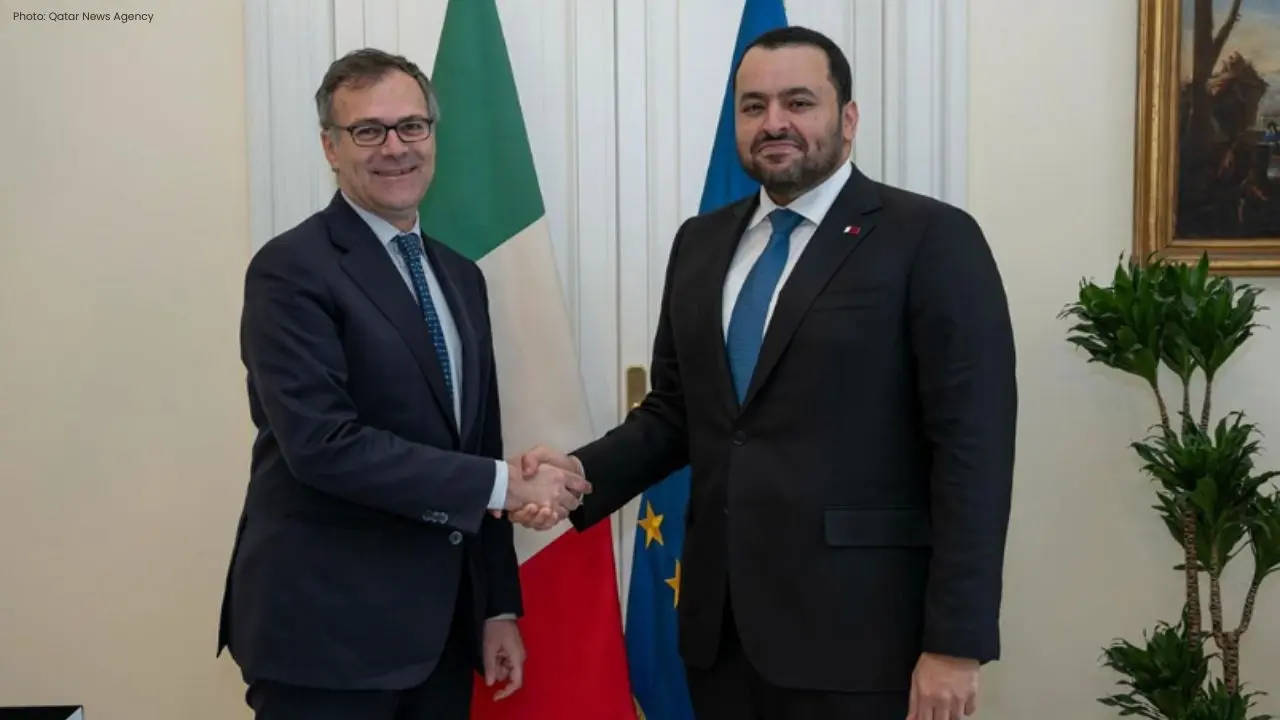
In a landmark meeting underscoring the deepening ties between the two nations, Sheikh Mohamed bin Zayed Al Nahyan welcomed Indian Foreign Minister S. Jaishankar in Abu Dhabi. The discussions revolved around vital strategic, economic, and geopolitical issues. This interaction occurs amidst ongoing efforts from both countries to broaden engagements across sectors such as trade, energy, and technology. As prominent economic forces in their regions, the UAE and India are focused on creating long-term stability and growth.
A significant topic was enhancing economic ties, with an emphasis on boosting trade and investment. The UAE stands as one of India’s principal trading partners, while India constitutes a key market for UAE investments. The progress made through comprehensive economic agreements has already catalyzed trade, and this meeting aims to further unlock prospects in logistics, infrastructure, and supply chain development. The conversation reinforced a collective commitment to fostering economic resilience through intensified commercial collaborations.
Energy collaboration remains essential in the UAE-India partnership, with both nations working towards sustained energy security. As a key global energy supplier, the UAE plays a crucial role in addressing India’s increasing energy needs, whilst India brings valuable market and technological expertise to support energy transition efforts. Concurrently, infrastructure initiatives like port enhancements, transportation links, and industrial zones continue to be pivotal, contributing to regional goals of improved connectivity and trade efficiency.
The talks also reflected on pressing regional and global matters, showcasing a strategic unity between the UAE and India on prevalent geopolitical challenges. Both governments emphasize stability, multilateral cooperation, and peaceful conflict resolution amid an evolving international landscape. Their strengthening partnership extends beyond bilateral frameworks, also reinforcing collective regional security stratagems, especially within the Middle East and Indo-Pacific zones.
A vital aspect of this relationship is the robust connections between their people. The significant Indian expatriate population in the UAE plays a crucial role in enhancing cultural and economic bonds. This communal interaction fosters greater mutual comprehension, solidifying the partnership across governmental and societal spheres.
As UAE and India pursue the expansion of their strategic alliance, this meeting reflects a proactive stance towards innovation, sustainability, and global engagement. With shared aspirations in key sectors, their cooperation is set to influence both regional and global economic trends. The Abu Dhabi discussions reaffirm that the relationship goes beyond diplomacy; it is a multifaceted partnership designed to tackle future challenges and opportunities.