There are reports that Chinese President Xi Jinping might head to North Korea as early as next week, as suggested by a report from South Korea’s Yonhap News Agency, referring to senior government sources. This anticipated visit is capturing global interest amid renewed conversations involving North Korea, China, and the U.S.
The report notes that Chinese security and protocol officials have recently visited Pyongyang, hinting that preparations for a high-profile state visit by Xi are already in progress. Sources speculate that the trip could occur towards the end of May or the beginning of June.
It’s expected that Xi Jinping will act as a mediator between North Korean leader Kim Jong Un and former U.S. President Donald Trump. Analysts suggest that Beijing is aiming to reduce tensions and promote dialogue regarding North Korea’s nuclear initiatives and broader regional stability.
Former President Trump, who previously engaged with Kim Jong Un through three notable meetings, has expressed a willingness to meet the North Korean leader once more, emphasizing their positive personal rapport.
In response to the news, South Korea’s Foreign Ministry has urged cautious optimism, hoping that the interactions between China and North Korea will foster peace and stability on the Korean Peninsula. However, officials have refrained from confirming Xi’s anticipated visit.
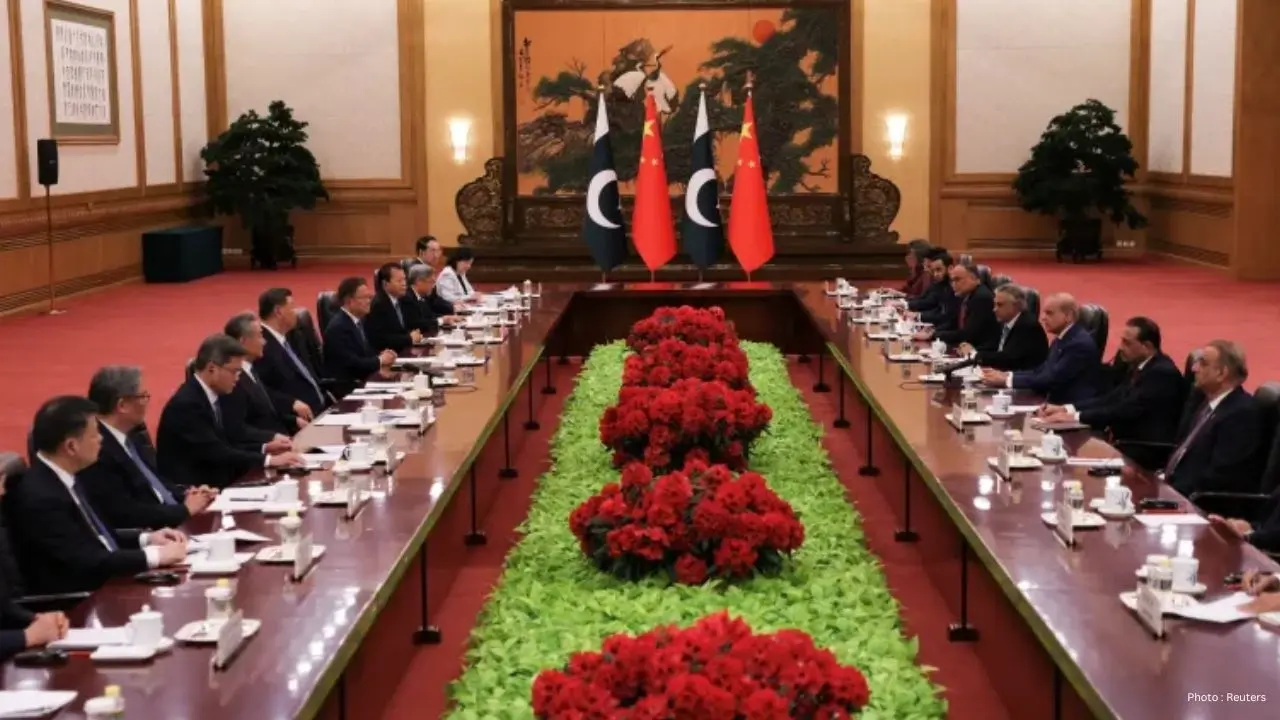
China maintains a close economic and political relationship with North Korea. The ties between the two nations had diminished during the COVID-19 pandemic due to border closures and a drop in diplomatic activities, though recent efforts indicate a renewal of collaboration.
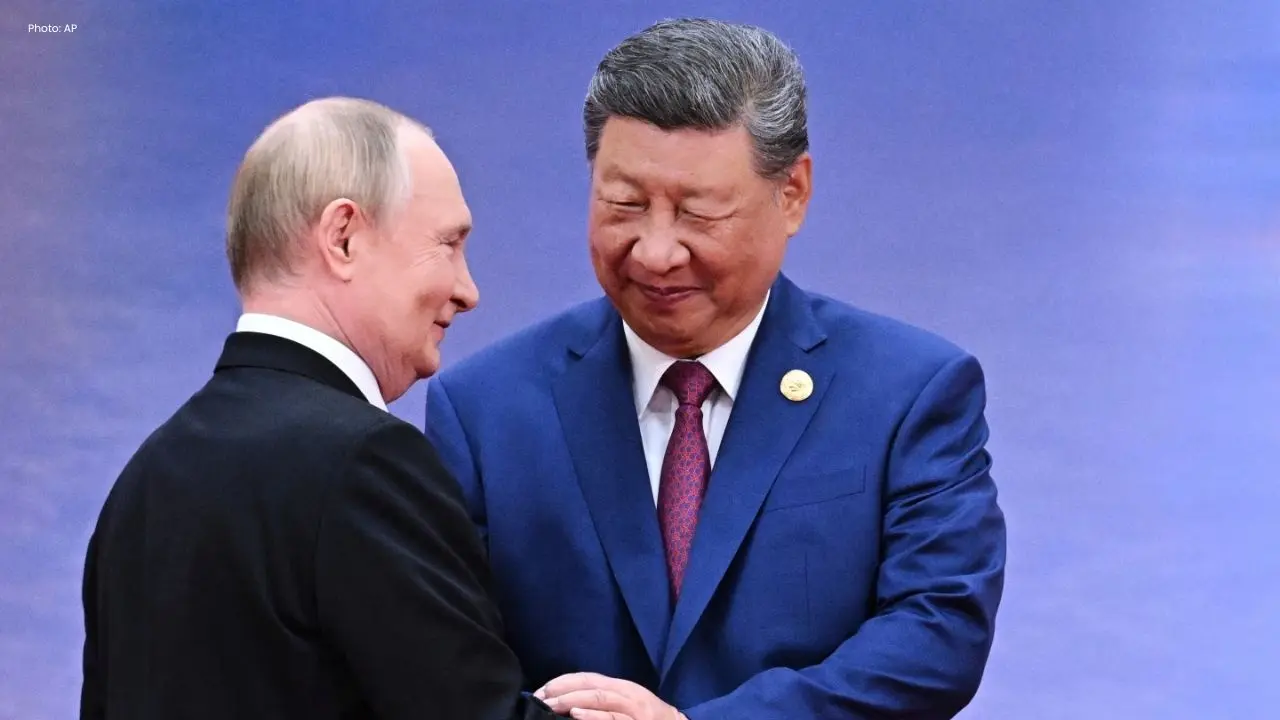
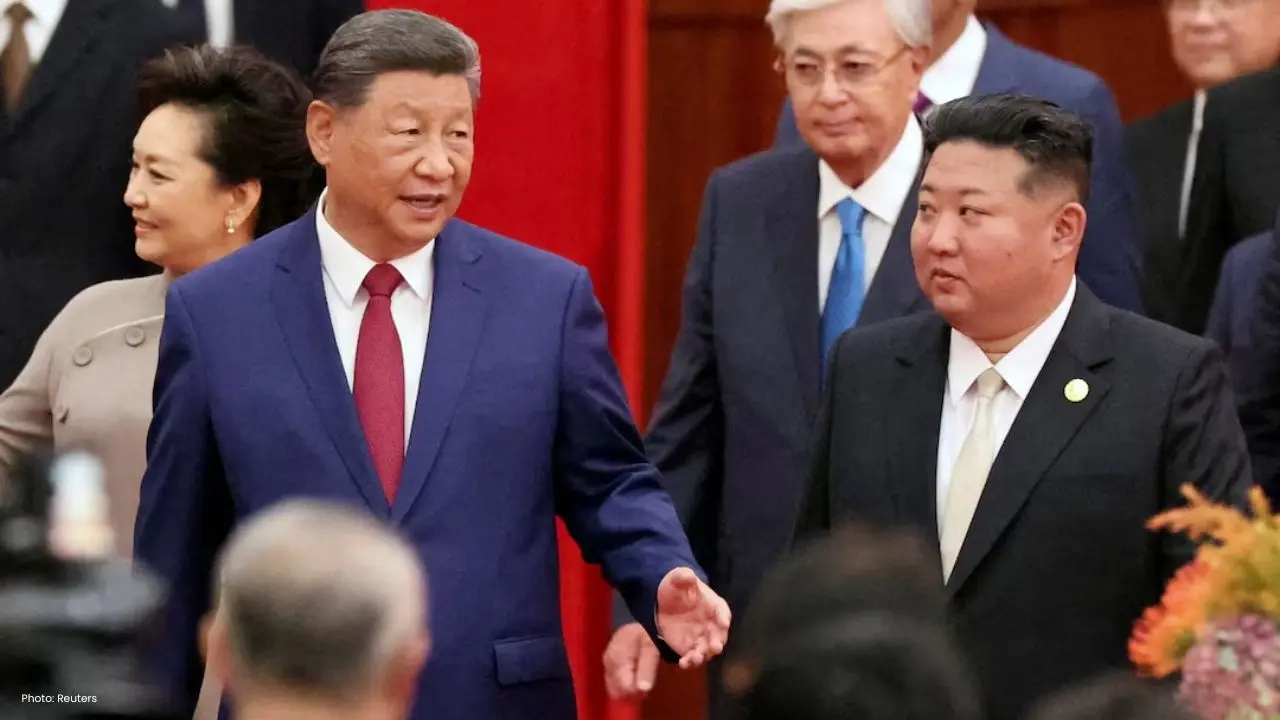
Last year, Kim Jong Un was seen in Beijing, appearing alongside Xi Jinping and Russian President Vladimir Putin during a significant military parade, which emphasized a growing strategic partnership among the three countries.
Experts believe Xi Jinping's potential visit to Pyongyang could hold considerable geopolitical importance, especially against the backdrop of escalating global tensions, shifting alliances, and fresh international scrutiny on security issues in East Asia.