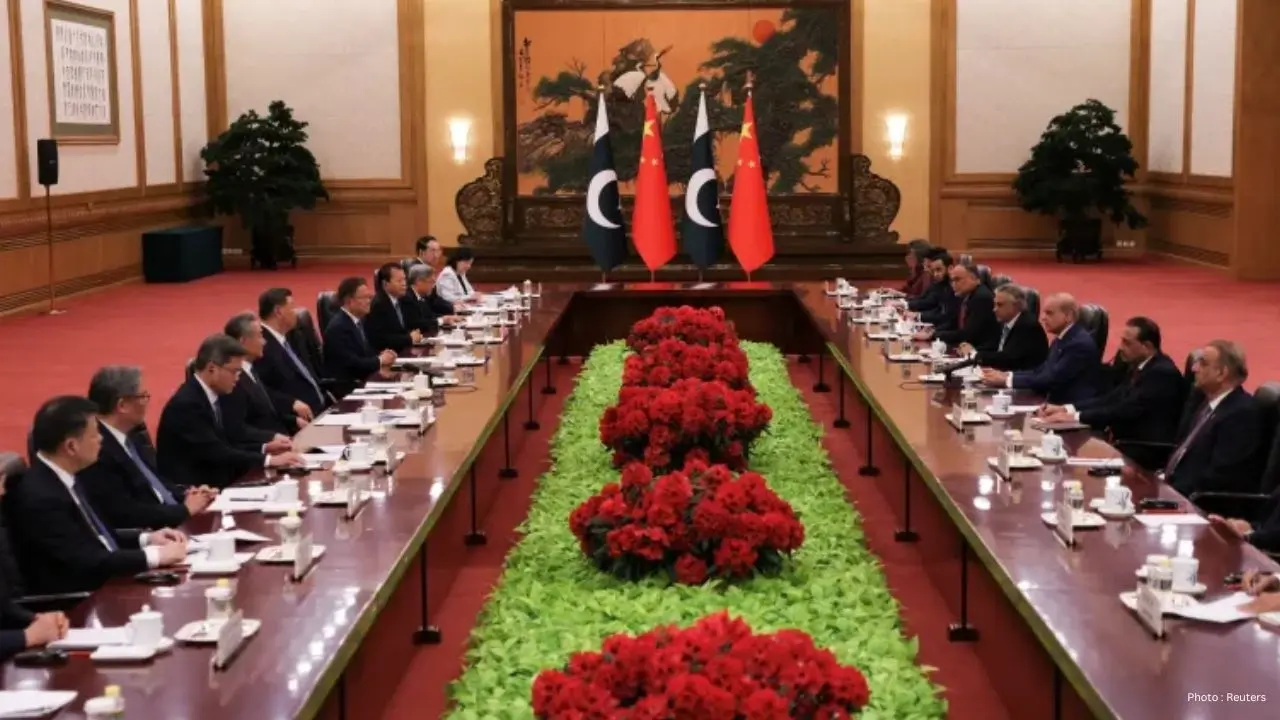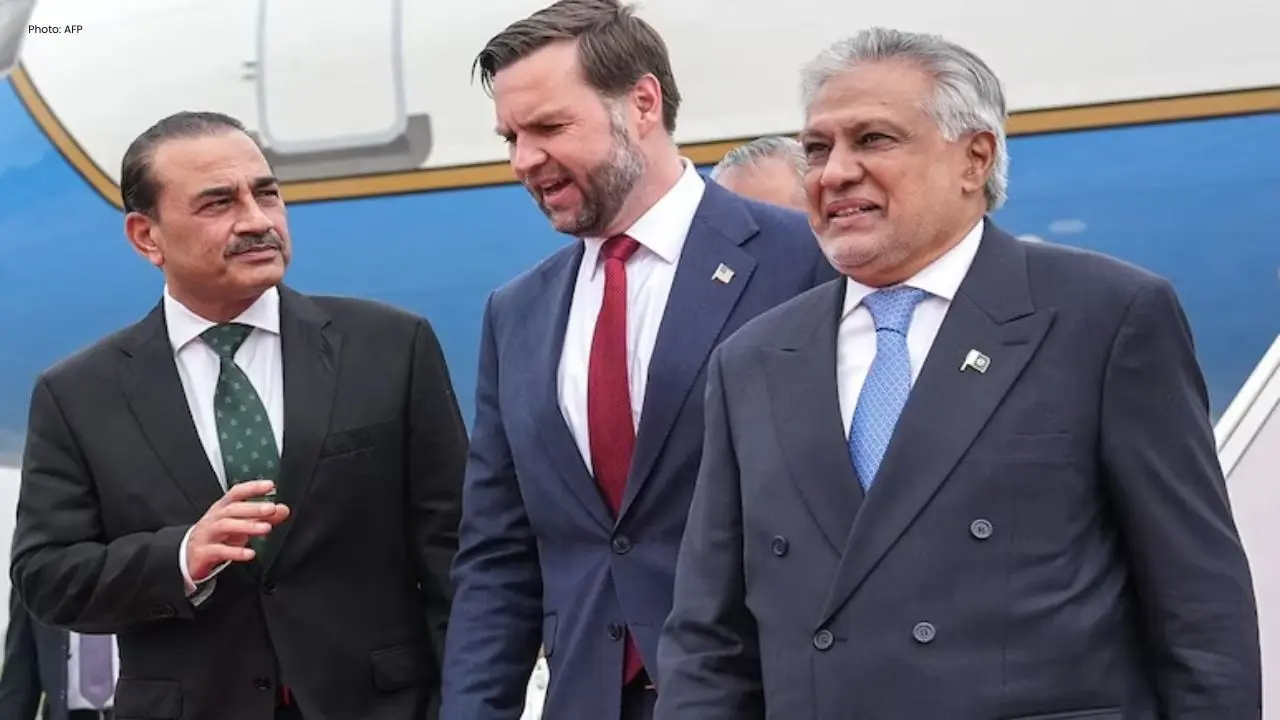
A new diplomatic discourse has surfaced as an Iranian representative openly challenged Pakistan's capacity as a mediator amidst the escalating tensions between Iran and the United States. This criticism arises when both nations seek to bridge their differences and reduce the ongoing regional instability.
Ebrahim Rezaei, spokesperson for Iran's National Security and Foreign Policy Commission, praised Pakistan as a “good ally” but noted significant concerns regarding its impartiality. He argued that Pakistan is “not the right intermediary” and lacks the requisite credibility to oversee delicate international talks.
Rezaei contended that Pakistan appears to favor U.S. interests rather than adopting a neutral stance. He asserted that Islamabad has not vocally opposed U.S. actions concerning unmet commitments, particularly regarding Lebanon and frozen Iranian assets.
The Iranian official emphasized that a competent mediator must maintain impartiality and transparency. He suggested that Pakistan's reticence on U.S. conduct undermines its role as an unbiased facilitator, raising questions about the fairness of the negotiation efforts.
This critique emerges against the backdrop of ongoing diplomatic initiatives involving various nations. Iran's Foreign Minister Abbas Araqchi has been engaged with regional mediators, including Pakistan and Oman, while also consulting with Russia to seek potential resolutions to the situation.
In related statements, Donald Trump reaffirmed that Iran is welcome to engage in direct discussions if it seeks to resolve the discord. He stressed that any agreement needs to guarantee that Iran does not pursue nuclear weapons, a primary issue in the conflict.
Despite a temporary lull in major hostilities, a conclusive agreement remains elusive. This conflict, having heightened earlier this year, has had noteworthy economic and geopolitical consequences, such as increasing oil prices, inflation, and uncertainty in global markets.
Experts suggest that mediation efforts will face hurdles unless all involved parties are perceived as impartial and reliable. The recent comments from Iran highlight the challenges in securing a widely accepted mediator and underscore the complexities of ongoing diplomatic discussions.