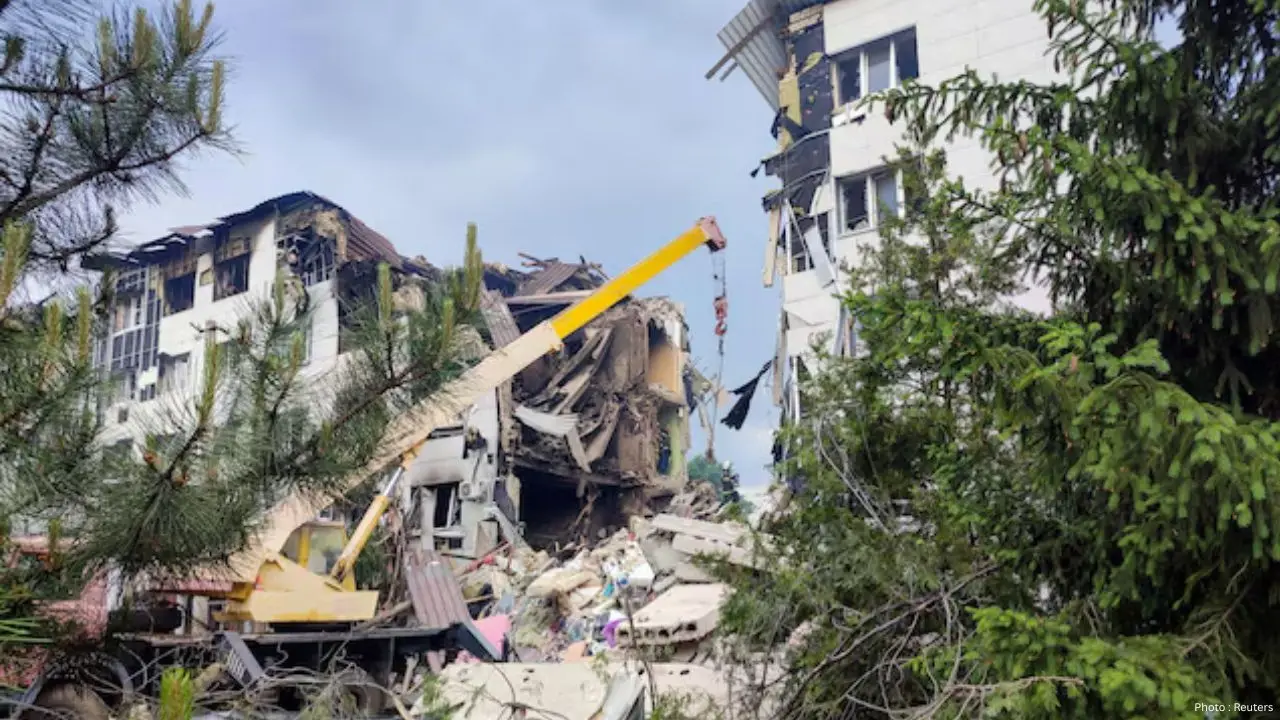
A devastating strike on a student dormitory in a conflict-ridden area has led to a grim increase in the death toll, now reported at ten, according to officials appointed by Russia. This heartbreaking incident underscores the escalating humanitarian crisis stemming from the ongoing war between Russia and Ukraine.
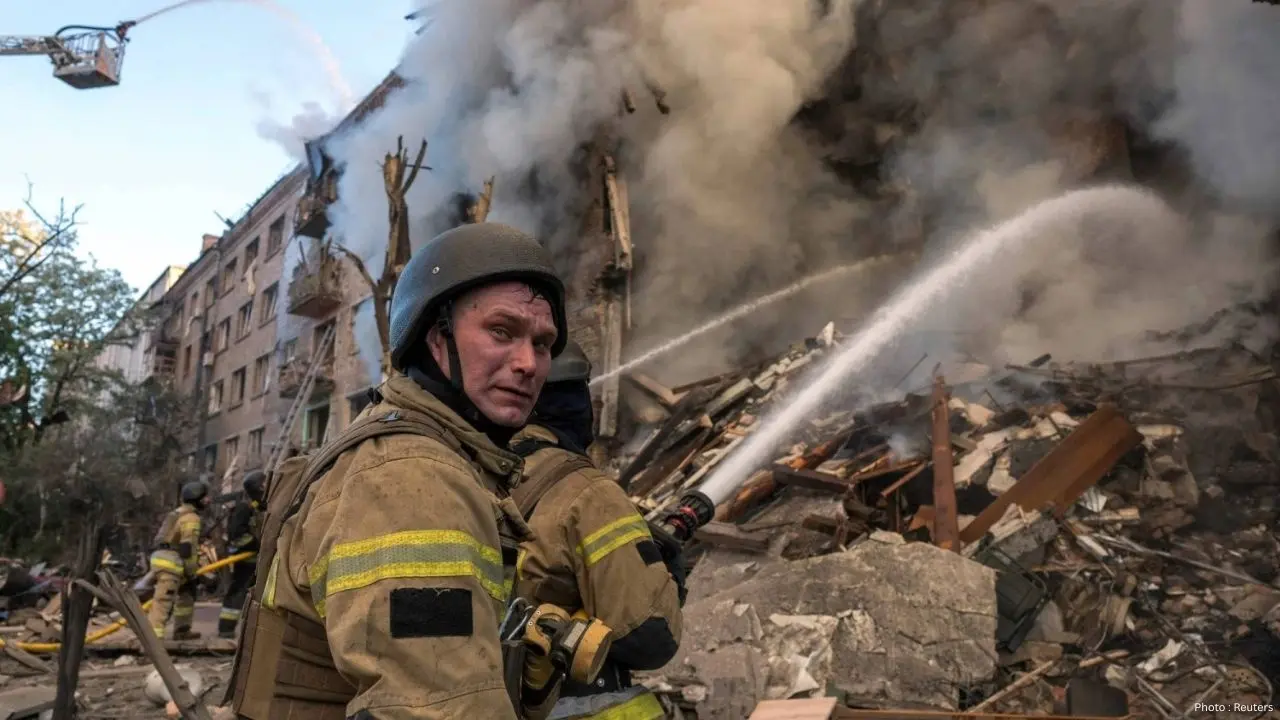
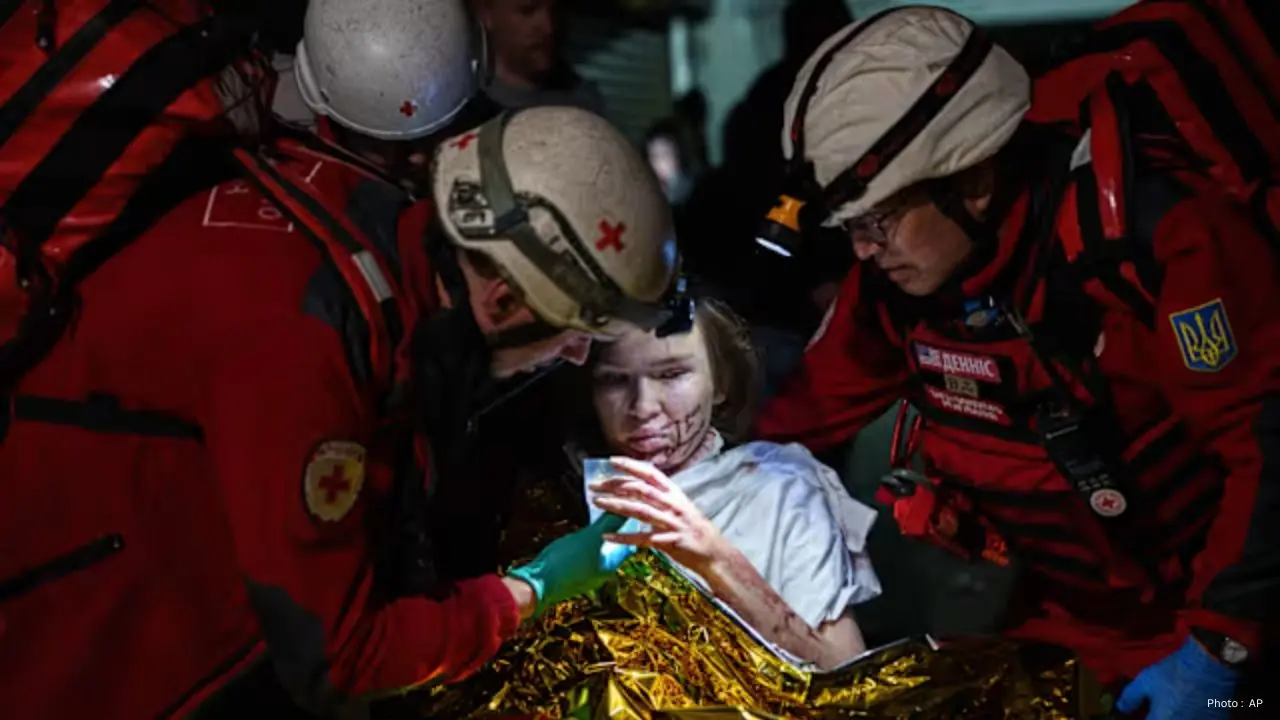
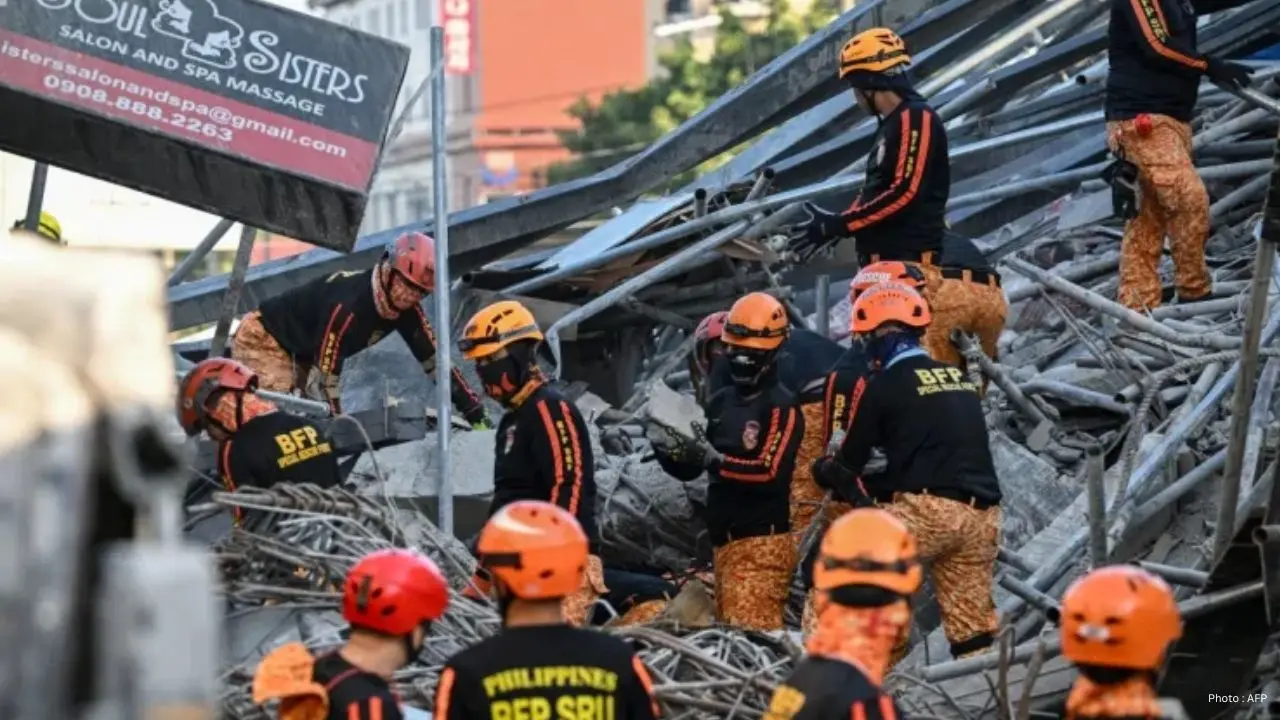
Rescue operations launched shortly after the attack revealed many victims trapped beneath collapsed walls and heavy debris. Officials state that emergency crews worked tirelessly for hours amid the wreckage.
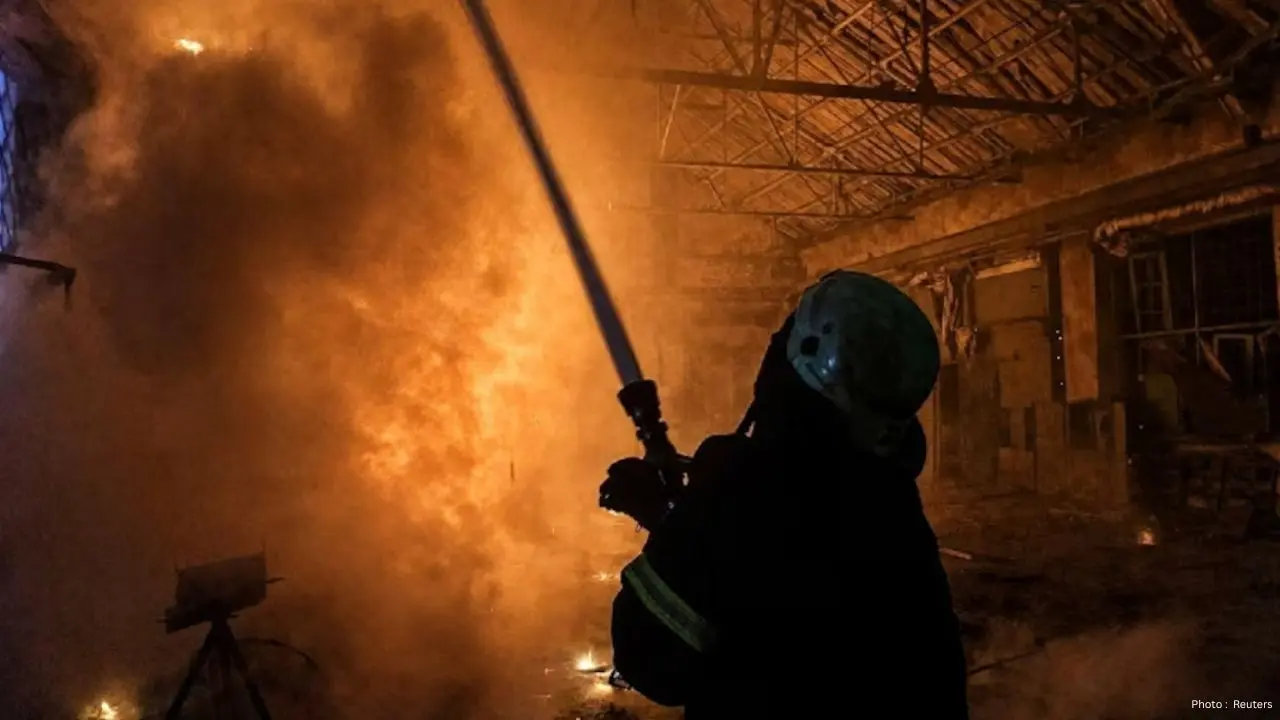
Numerous injured individuals were swiftly transported to local hospitals for urgent care. Rescue teams, together with firefighters and medics, meticulously combed through the ruins while trying to avert any further collapses. Authorities are apprehensive that the casualty figures may rise as search efforts progress.
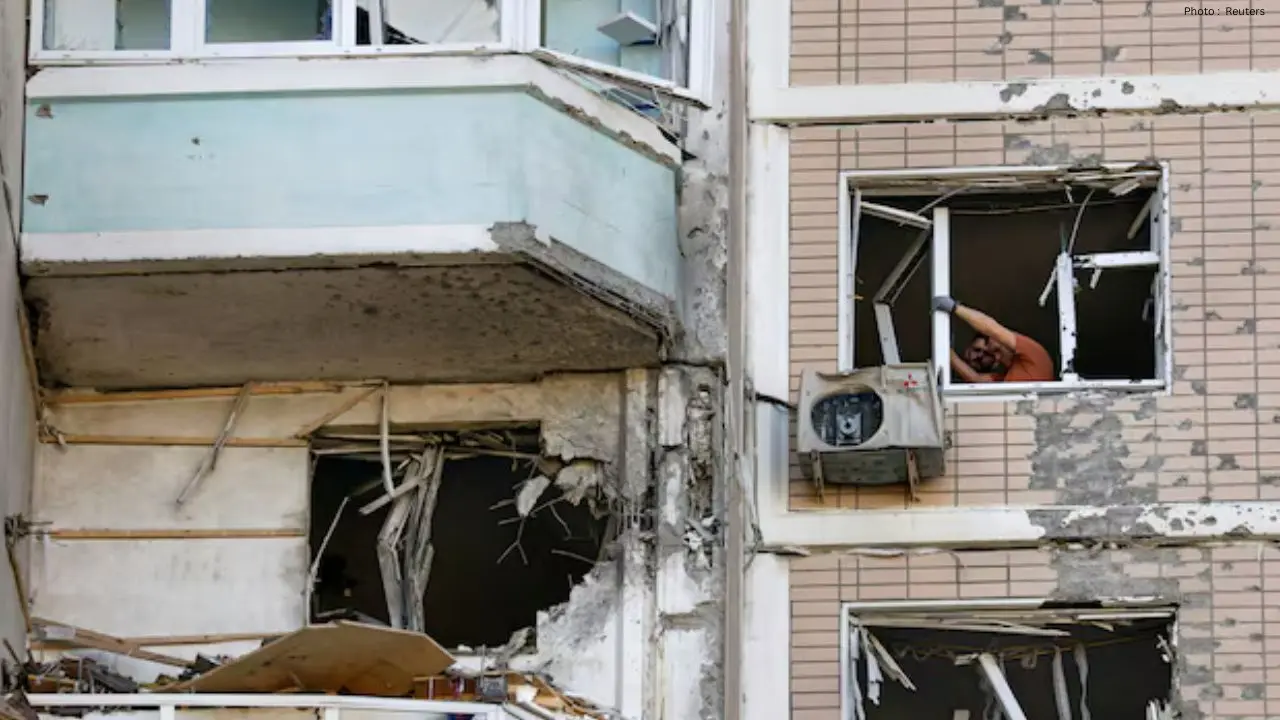
The dormitory, reportedly occupied by both students and civilians seeking refuge amid ongoing hostilities, displayed scenes of destruction in footage from the site, showing ruined rooms and emergency vehicles at the scene.
This latest assault has amplified worries regarding civilian safety in regions impacted by the war. Over recent months, residential neighborhoods, educational facilities, and essential services have faced significant damages as the conflict steadily worsens.
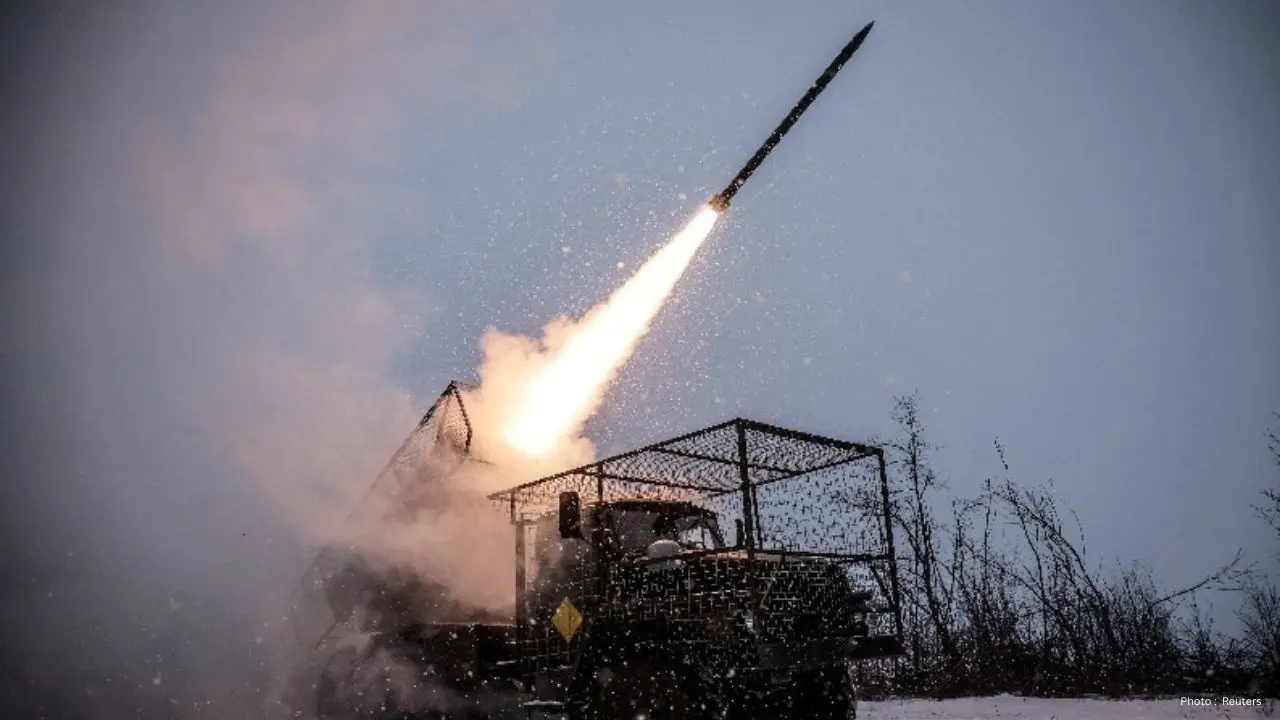
The war has precipitated a humanitarian catastrophe in Europe, displacing millions and resulting in thousands of fatalities due to missile attacks, drone strikes, and military confrontations.
The emotional burden of this strike resonates deeply within local communities linked to education and civilian living. Families, students, and residents are left grappling with fear, knowing many civilian settings remain susceptible to military action.
Humanitarian organizations have reiterated the necessity to safeguard civilians and civilian infrastructure during wartime. Monitoring agencies continue to implore both sides to refrain from assaults that endanger innocent lives.
In a repetitive cycle, Russia and Ukraine trade accusations regarding strikes on civilian areas. The verification of facts in these active battle zones remains challenging due to the volatility of the battlefield and restrictions placed on journalists.
This incident further illustrates the severe impact on younger generations caused by the ongoing war. Many students have experienced drastic interruptions to their education, adverse emotional effects, and financial strains since the onset of the conflict.
Numerous local educational institutions have faced damage or are forced to cease standard operations. While some schools have shifted to remote learning, others grapple with power shortages and ongoing safety threats.
Residents in frontline proximity endure extensive daily challenges, such as frequent air raid alerts, damaged infrastructure, disrupted medical services, and shortages of basic utilities.
Global leaders and organizations persist in demanding diplomatic resolutions to mitigate violence and avert further civilian casualties. However, peace discussions continue to be hindered as military actions escalate across various fronts.
The conflict’s ramifications extend beyond borders, affecting international food supplies, energy markets, and geopolitical relations. Multiple nations are involved through varying degrees of military support, sanctions, and humanitarian aid.
Experts warn that drawn-out warfare raises the potential for more humanitarian crises. Civilian infrastructure remains vulnerable as contemporary warfare increasingly relies on advanced technologies capable of widespread destruction.
The emotional toll on victims' families from this dormitory strike is expected to be profound. Parents and loved ones are now left grieving the loss of those taken from them during yet another tragic moment in this enduring conflict.
This rising death toll serves as a stark reminder of the heavy human costs associated with war. Beyond strategic battles and political disputes, it is ordinary civilians who continue to suffer the most through loss, fear, and displacement.
As rescue efforts persist and investigations unfold, the international community is closely monitoring the deteriorating humanitarian conditions linked to the Russia-Ukraine conflict, hoping for diplomatic breakthroughs that could minimize violence and save innocent lives.