Nvidia's CEO, Jensen Huang, is participating in President Donald Trump’s significant trip to China, emphasizing the surge of artificial intelligence and semiconductor technology in the ever-evolving dynamics between the United States and China.
This Beijing visit is receiving intense scrutiny, coinciding with increasing friction over trade, advanced technology, and political influence between the two nations. Trump's inclusion of a leading tech figure like Huang underscores the escalating role of the AI sector in global diplomacy.
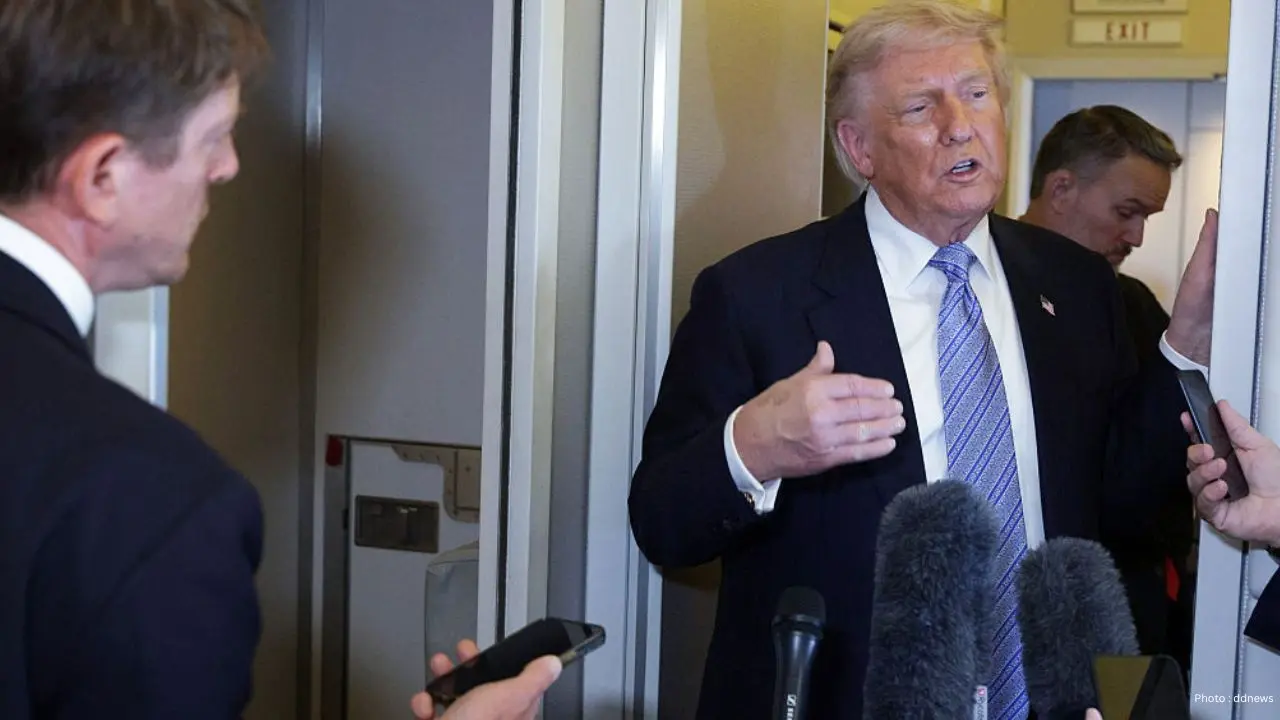
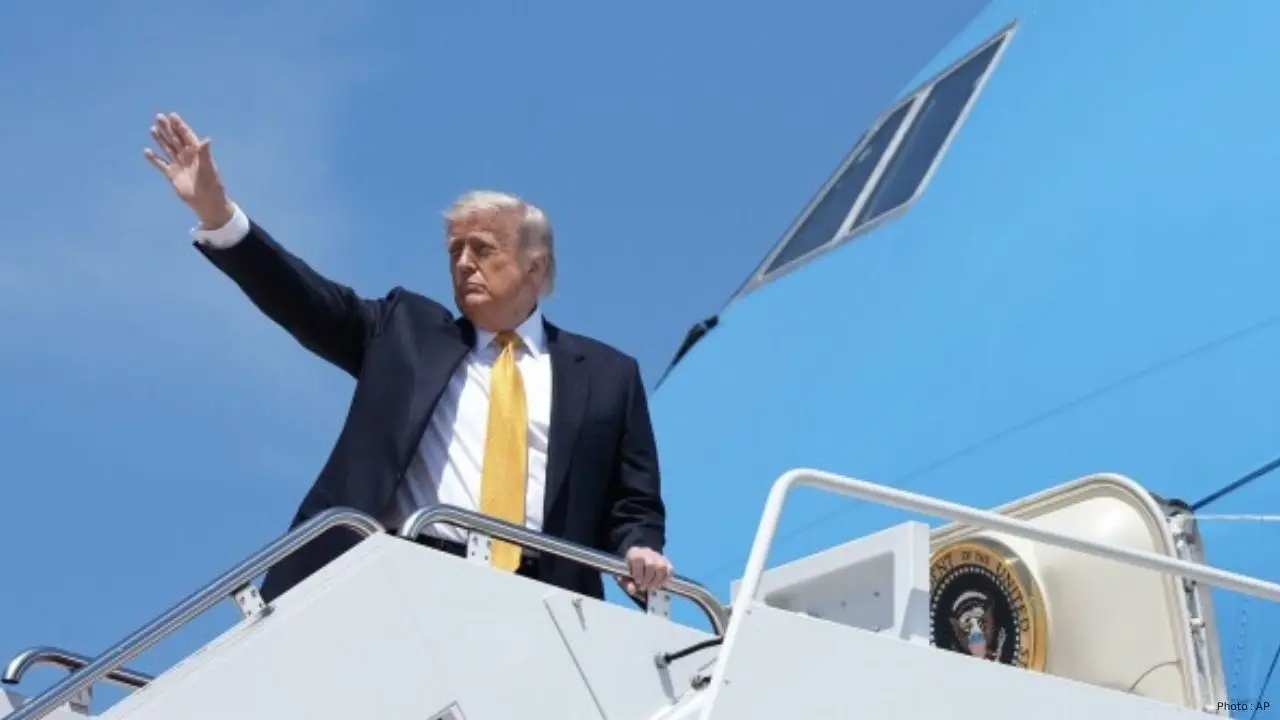
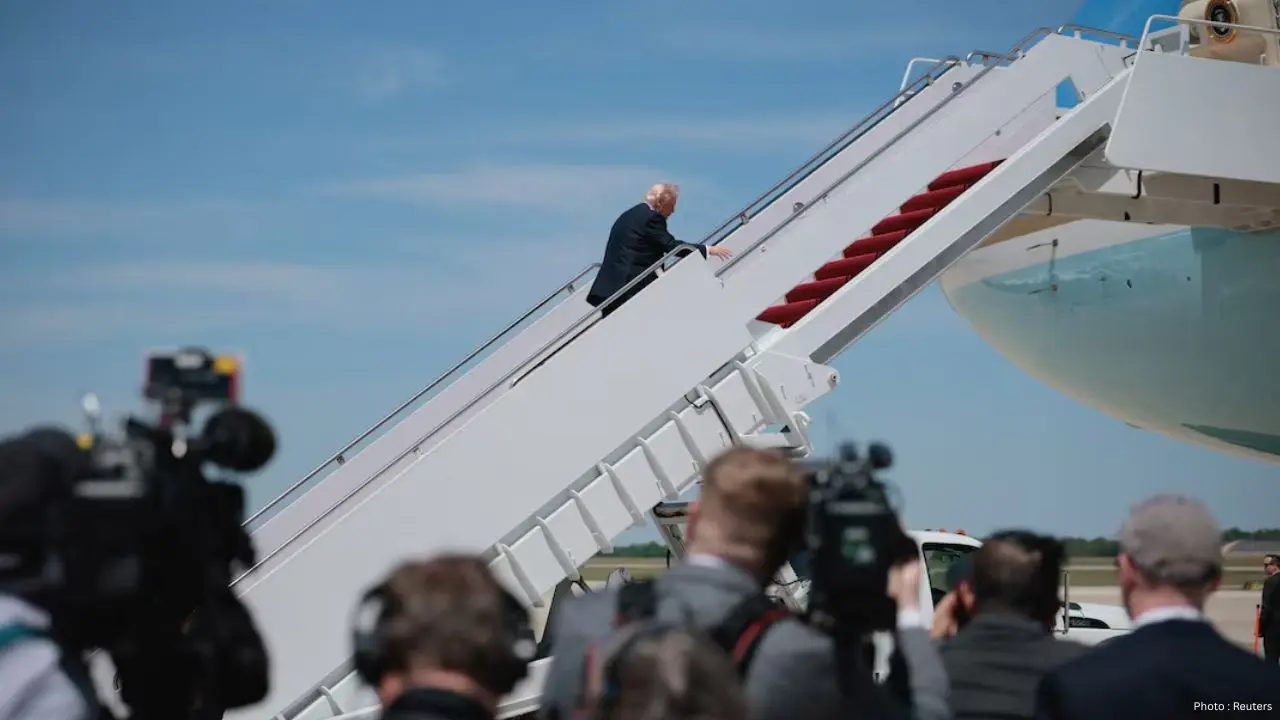
Sources indicate that Huang was a last-minute addition to the trip, invited directly by Trump, and he boarded Air Force One during a brief layover in Alaska en route to Beijing.
Nvidia faces substantial challenges when it comes to marketing its advanced AI chips in China due to U.S. export restrictions and regulatory hurdles. Their state-of-the-art H200 chips are vital for AI advancement, cloud technologies, and tech research. With China being a prime technology market, securing access to it is crucial for Nvidia.
Trump has made it clear that he desires more openness from China for American businesses, pushing for reduced barriers to U.S. firms in the Chinese marketplace. The delegation includes several high-profile executives from diverse industries such as technology, finance, and aviation.
The focus of the discussions will revolve around escalating global competition in the AI sector. Nvidia's semiconductor products are pivotal for powering AI innovations worldwide, making their export a sensitive issue intertwined with the political and economic landscape between Washington D.C. and Beijing.
The U.S. government has called for limitations on sophisticated semiconductor exports to China, driven by concerns that this technology may bolster China’s military capabilities. In parallel, China is cultivating its semiconductor capacity to mitigate reliance on international technologies.
Discussions between Trump and Chinese President Xi Jinping are anticipated to touch on multiple contentious subjects, including trade tariffs, AI collaborations, and regional tensions like those surrounding Taiwan. Economic factors also loom large as both nations grapple with slowing growth and global unrest.
The outcomes from this diplomatic engagement could drastically affect Nvidia’s business prospects in China. Analysts estimate the Chinese AI market could soon be worth billions, marking it as a critical sector globally.
This trip signifies a pivotal moment where technology firms increasingly influence international relations. Areas like AI development, semiconductor production, and digital competition now hold as much significance as historical trade and military matters.
While both nations remain in a fierce competitive stance, there is hope that these talks might lead to easing some tensions and fostering a more stable economic partnership. However, fundamental disagreements regarding tech governance and national security issues are likely to persist as challenges for the U.S. and China moving forward.