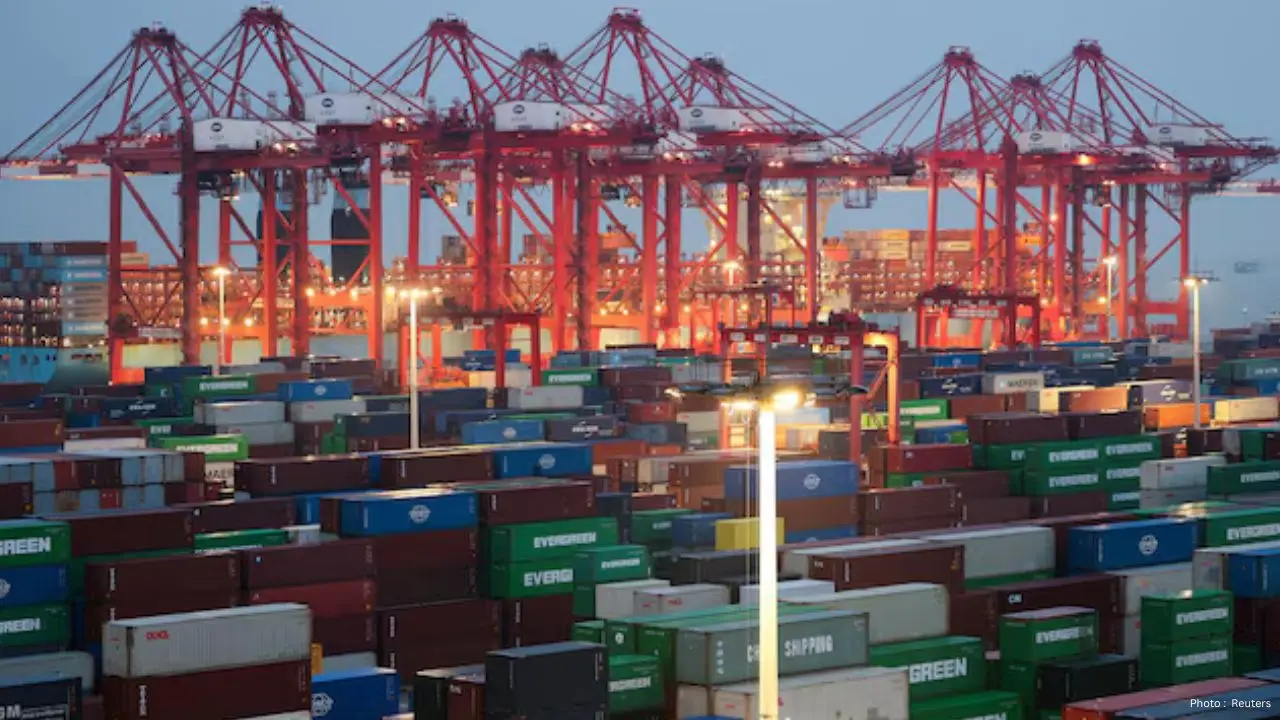
In April 2026, China’s exports witnessed a remarkable increase, underscoring the resilience of its manufacturing industry amid escalating global tensions and economic uncertainty.
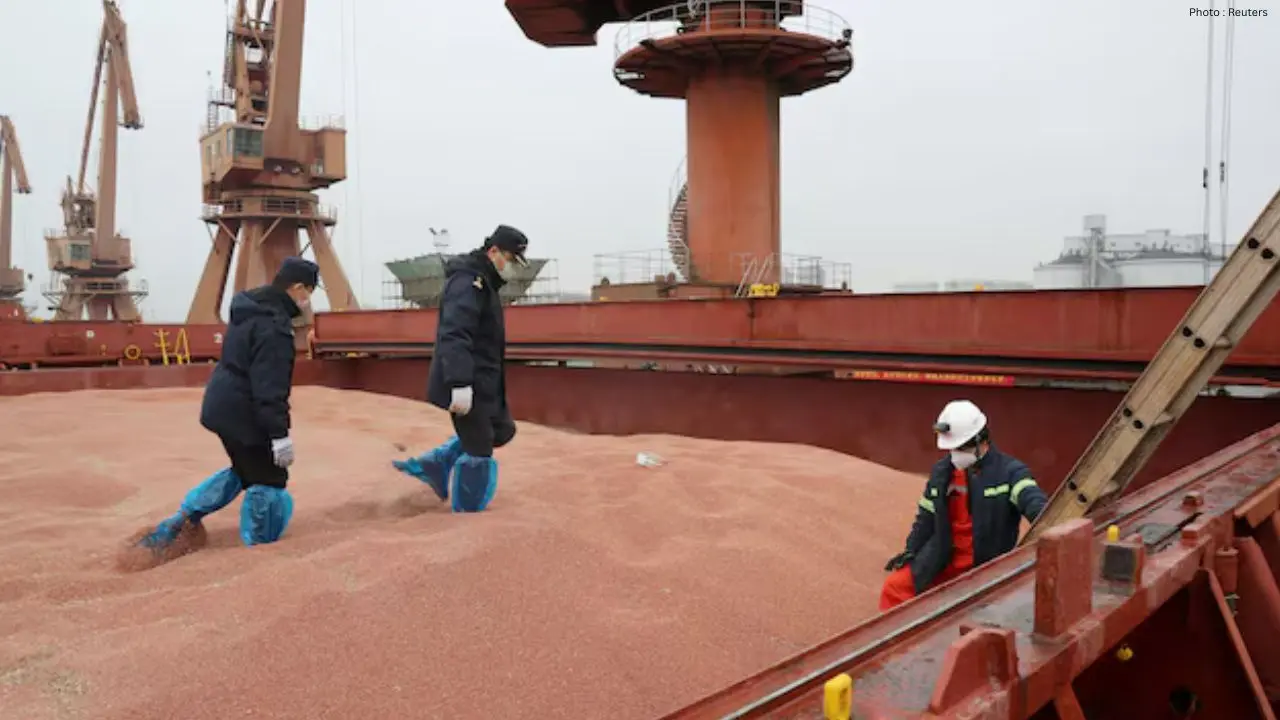
Recent trade statistics confirmed that exports soared by 14.1% year-on-year, significantly exceeding predictions and demonstrating a robust rebound from the weaker export figures reported in March. Imports also experienced a substantial uptick of 25.3%, leading to an overall trade surplus that approached $85 billion.
This positive trade data arrives just ahead of a crucial meeting between US President Donald Trump and Chinese President Xi Jinping in Beijing, where key issues surrounding trade tensions, tariffs, and technology constraints are anticipated to be front and center.
Analysts suggest that the surge in exports was propelled by heightened global demand for electronics, semiconductors, machinery, and industrial apparatus. Furthermore, many international clients placed larger orders early, fearing potential increases in shipping and manufacturing expenses due to global conflicts and surging fuel prices.
The manufacturing sector in China has emerged as a crucial pillar for the nation’s economy. Despite less-than-ideal domestic consumer spending, exports and production capabilities are playing a vital role in maintaining economic stability.
According to the latest figures, China’s trade surplus with the United States has also continued to broaden, marking a significant talking point for the upcoming Trump-Xi discussions, particularly given the longstanding U.S. concerns about trade imbalances.
Since Donald Trump resumed his presidency in 2025, U.S.-China relations have been fraught with tension. A wave of tariffs, trade sanctions, and import restrictions has been instituted by both nations in the last year, intensifying disputes over technology, semiconductors, rare earth minerals, and more.
Nonetheless, China's export industry remains buoyant. Numerous businesses have diversified their market reach to Southeast Asia, Africa, Latin America, and Europe, reducing reliance on the American market.
Economists also attribute part of the export surge to the rapid expansion of sectors tied to artificial intelligence and forward-looking technology. The global appetite for AI-focused equipment and components has surged, enabling Chinese production facilities to sustain high output levels.
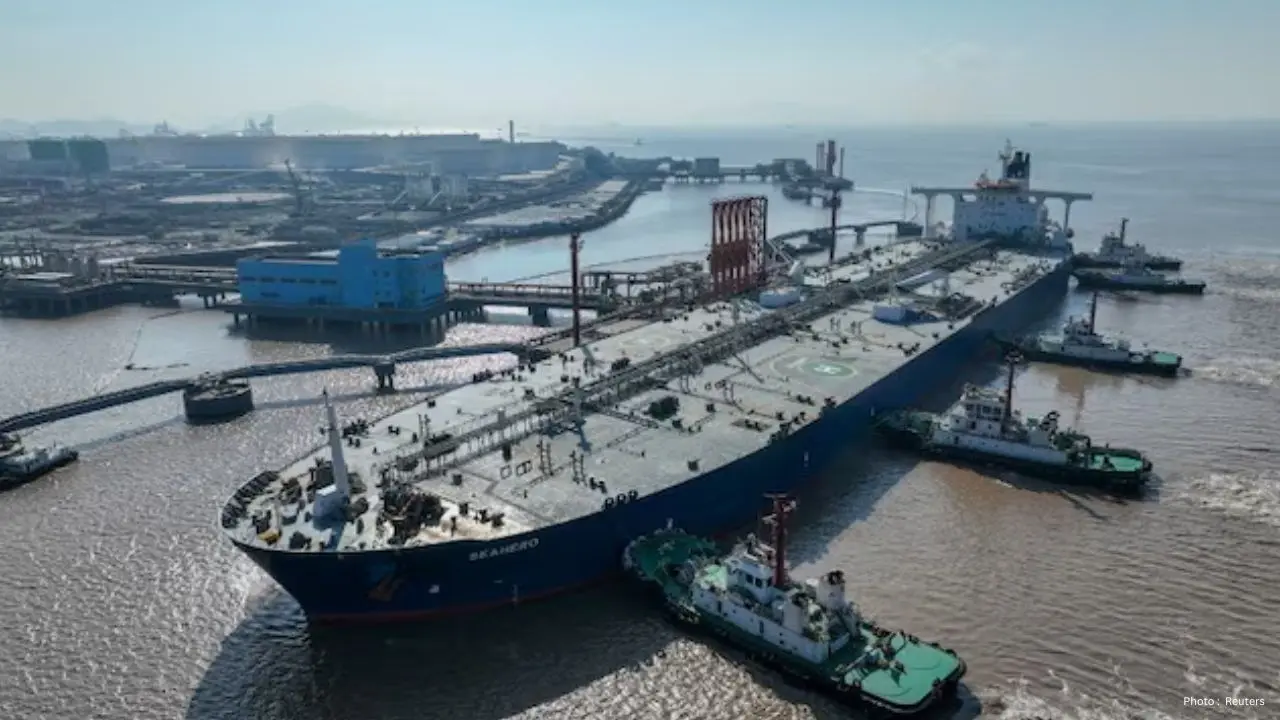
Challenges loom large, however; escalating oil prices and transportation costs driven by Middle East tensions could potentially dampen global demand. Should international economies experience a slowdown later this year, the momentum of China’s exports could be placed under considerable strain.
Furthermore, domestic hurdles persist in China, including declining retail sales, increasing unemployment, and issues within the real estate market, raising alarms about over-dependence on export activities over local consumption.
Despite these challenges, the latest trade data offers a glimmer of hope for China's economic landscape at a crucial juncture. The robust export numbers have lessened immediate pressures for the government to introduce significant economic stimulus initiatives.
The forthcoming Trump-Xi summit is generating considerable global attention. Stakeholders and business leaders are optimistic that the discussions may pave the way for improved trade relations, though experts caution that a substantive breakthrough remains uncertain.
Ultimately, China's steadfast export performance reaffirms its status as one of the leading manufacturing and trading nations worldwide. However, economists assert that the long-term prognosis hinges on global stability, fluctuating energy prices, and China’s ability to harmonize export growth with enhanced domestic economic expansion.