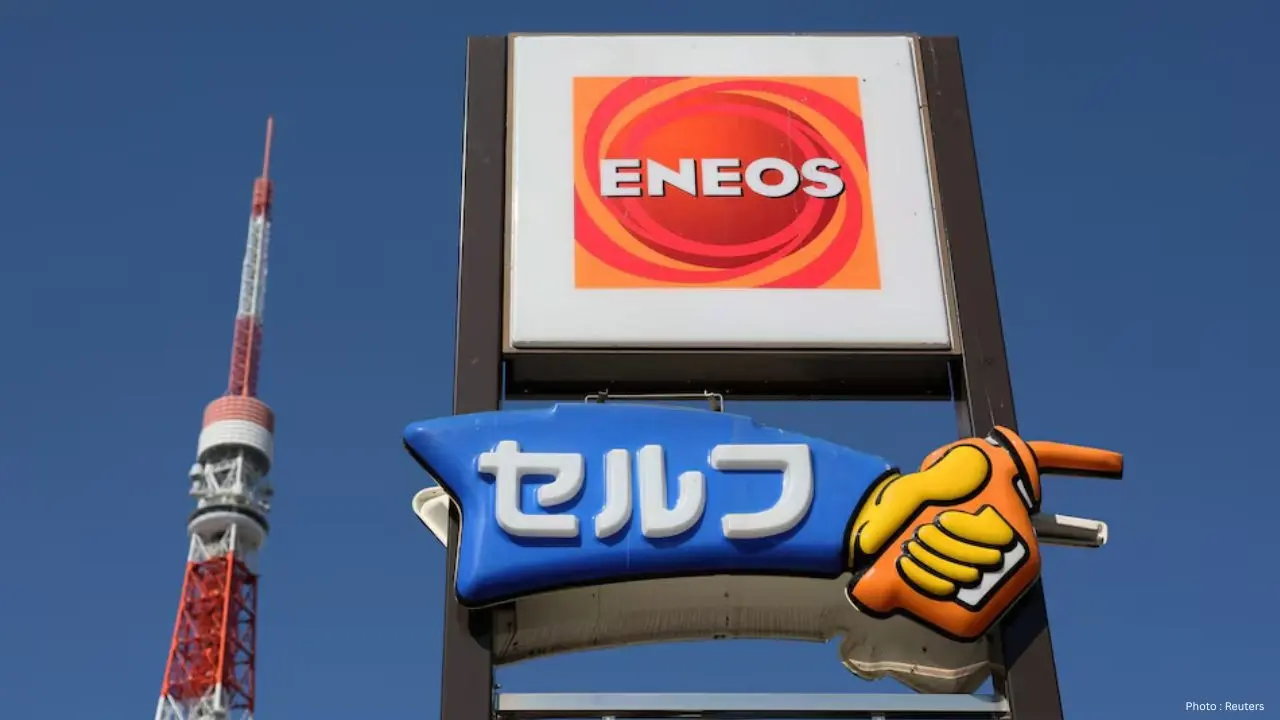
ENEOS Holdings, a notable Japanese energy player, has reached a pivotal agreement to purchase key energy assets across Asia from Chevron for a substantial $2.2 billion. This includes Chevron’s 50% ownership in the Singapore Refining Company alongside several fuel storage terminals, lubricant ventures, and other downstream operations throughout Southeast Asia and Australia.
This move signifies ENEOS's commitment to international growth as it seeks avenues beyond Japan. With diminishing fuel demand in Japan due to population decline and a shift towards eco-friendly energy sources, the company aims to tap into vibrant Asian markets where energy consumption is still on the rise.
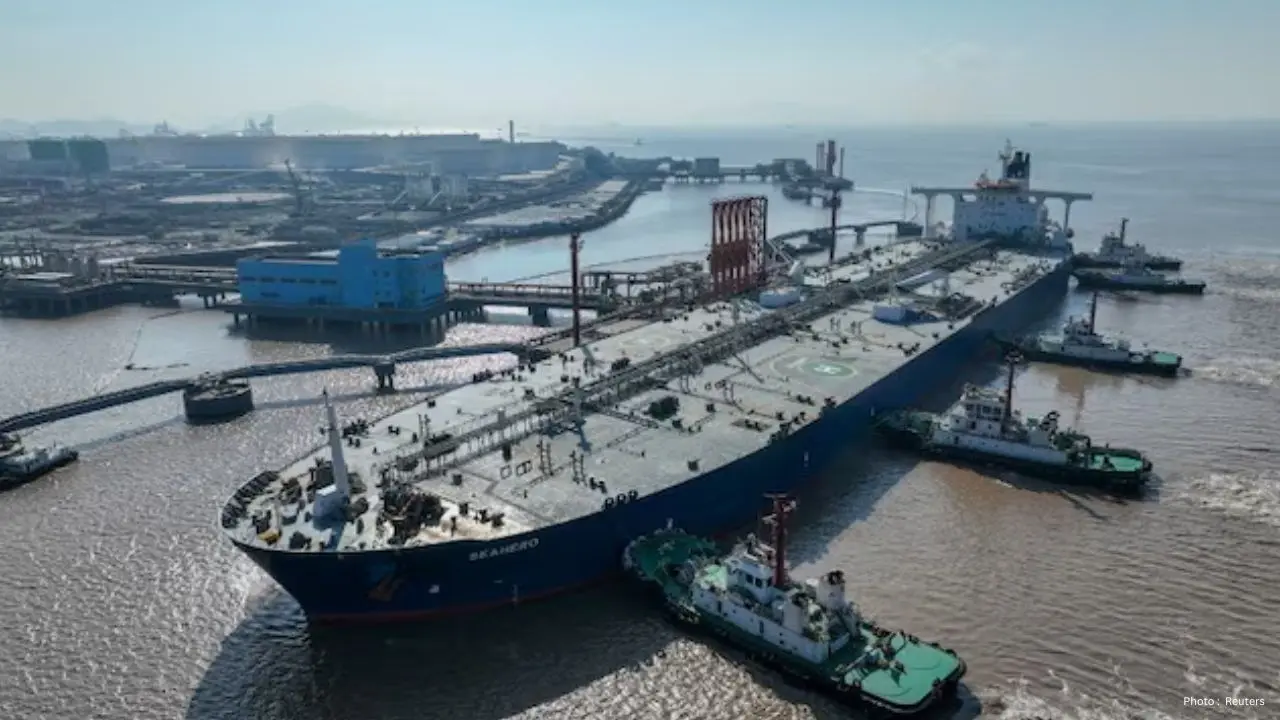
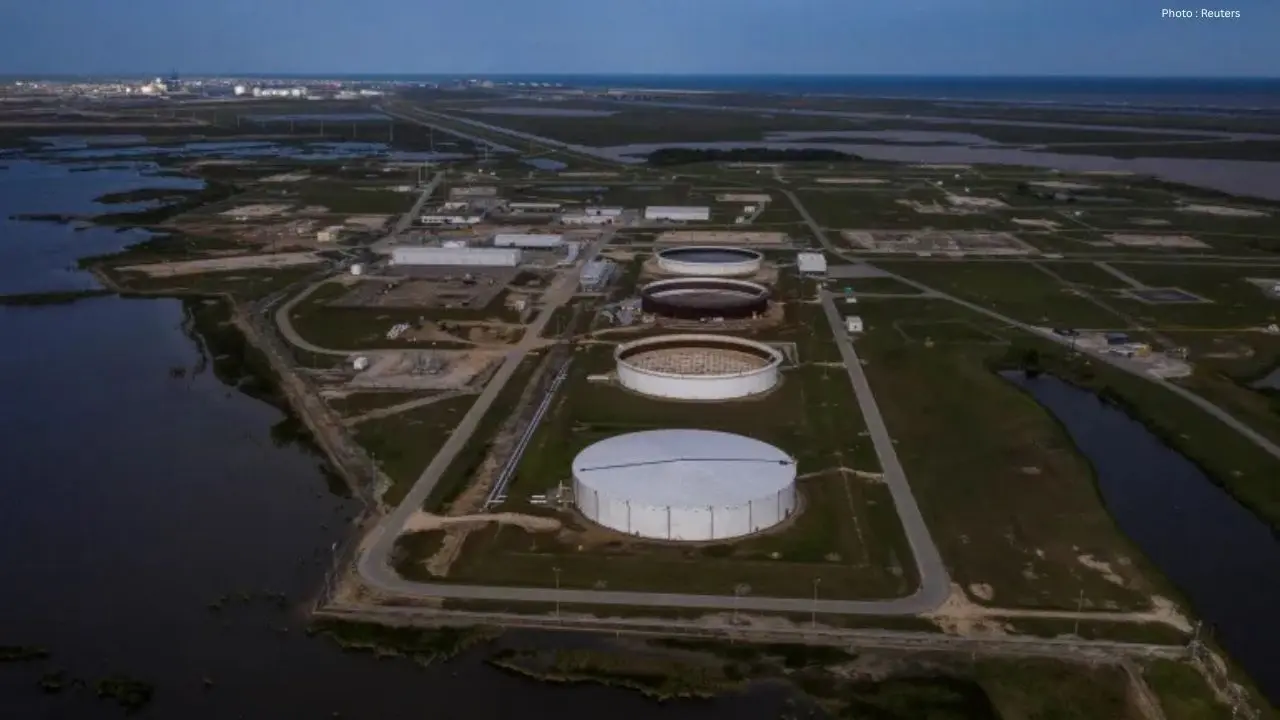
The Singapore Refining Company, which has the capacity to handle approximately 290,000 barrels of crude oil daily, is a cornerstone of this transaction, contributing significantly to supply mechanisms in Asia. Additionally, Singapore's standing as one of the leading oil trading centers amplifies ENEOS's strategic investment.
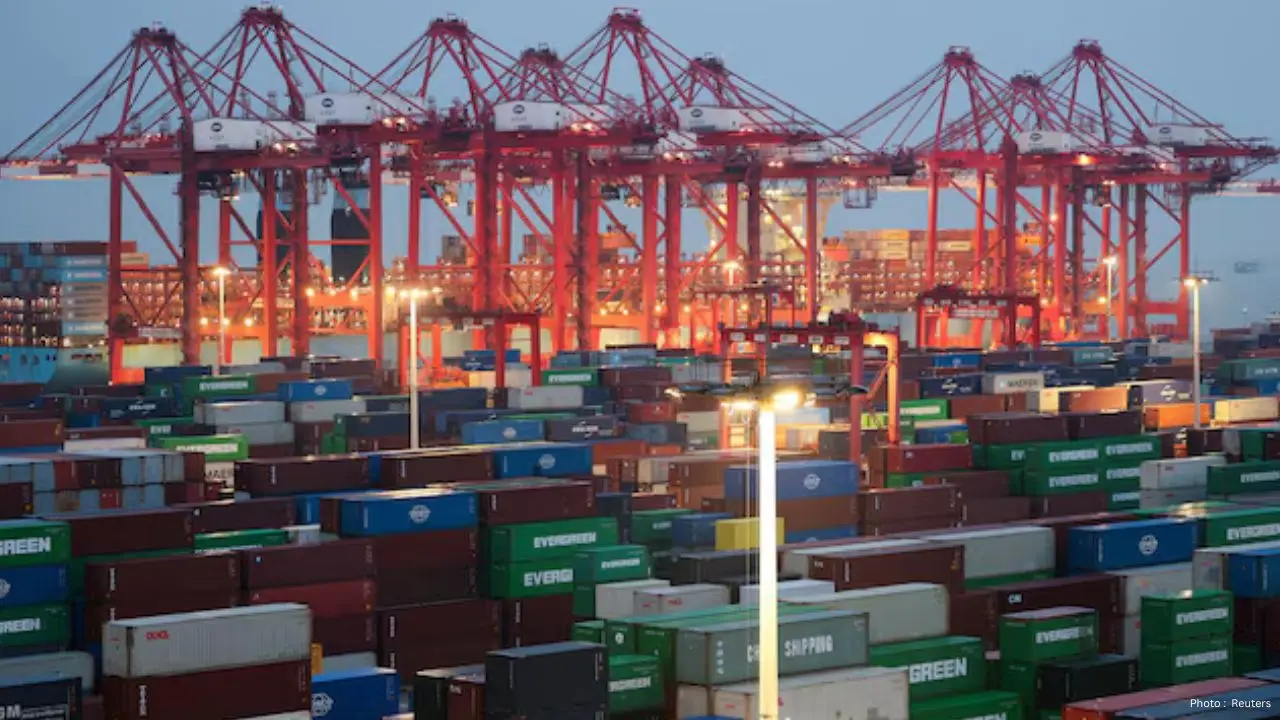
The acquisition package also includes Chevron’s Penjuru fuel terminal and lubricant production facilities, enhancing storage, management, and distribution capabilities in the region. Analysts underline the growing necessity of such facilities for navigating supply fluctuations and price volatility in today's market.
This agreement broadens ENEOS’s scope in markets including Vietnam, Malaysia, the Philippines, and Australia. Strengthening its foothold in these nations may refine ENEOS's supply chains while bolstering fuel distribution across Asia-Pacific.
On the flip side, Chevron's divestment aligns with a broader global strategy, as it turns its focus to priority energy sectors. The American giant is streamlining operations in Asia, reshaping investments in light of evolving fuel demands, environmental regulations, and competitive pressures.
This transaction exemplifies an ongoing transformation in the energy sector, with Western companies becoming more discerning about foreign investments, while Asian firms pursue opportunities for sustainable growth. Southeast Asia is one of the few regions projected to experience consistent fuel demand due to industrial and transportation development.
Pending regulatory approvals, the deal is anticipated to be finalized by 2027, showcasing how Asian energy conglomerates are gearing up for the future through strategic infrastructure investments amid an ever-evolving global energy landscape.