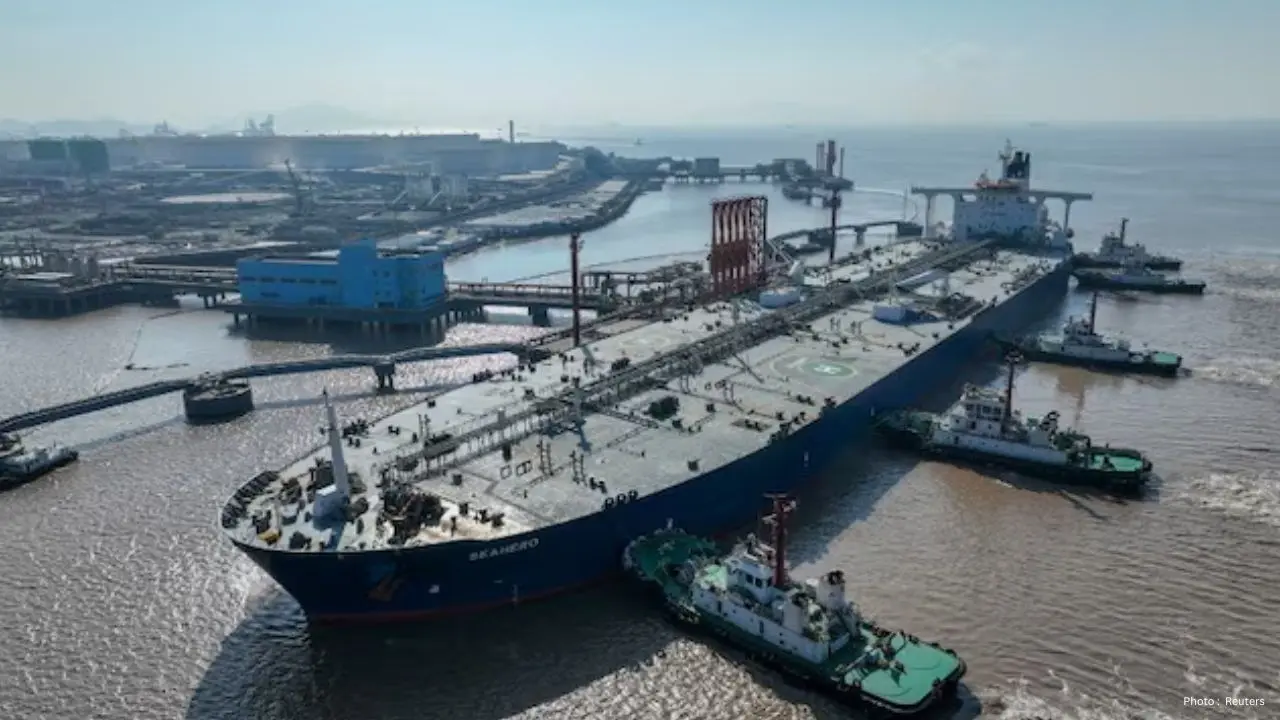
China’s oil processing levels have dropped to their lowest point in almost two years, raising alarms about diminishing industrial demand and the overall health of the economy. Recent data reveals a significant decline in refinery output for April, correlating with a fall in fuel consumption and an uptick in the country's oil inventories.
As the world’s leading importer of crude oil, any shifts in China's energy requirements can reverberate through global oil markets and affect fuel prices internationally. This recent downturn has caught the attention of investors, economists, and energy analysts who monitor China’s economic indicators closely.
Official statistics indicate that Chinese refineries processed considerably less crude oil in April than in previous months, marking August 2022 as the last time such low activity was recorded. Experts ascribe this decline to reduced fuel needs across factories, transportation services, and the construction industry.
Moreover, rising oil stocks in China point to a growing accumulation of crude and refined products, signifying that demand is not meeting expectations. Increased inventories typically reflect lower utilization of fuel by both industries and consumers.
Various elements appear to be driving this decline in demand. The property sector in China is under financial strain, manufacturing growth is waning, and consumer spending patterns remain inconsistent. These economic stresses are likely curtailing energy usage in critical sectors.
The slowdown also mirrors broader worries regarding the global economic landscape. With many nations confronting inflation, escalating borrowing costs, and trade unpredictability, industrial output and transportation activities may also dip. Given China’s substantial impact on global manufacturing, its slower growth can ripple through international markets.
Globally, oil prices are notably reactive to fluctuations in Chinese demand. A reduction in Chinese crude oil purchases could further exert downward pressure on energy prices. Concurrently, tensions in the Middle East and supply fears contribute to ongoing volatility in oil markets.
Energy experts suggest that Chinese refineries could also be scaling back operations due to diminishing profit margins. With weak fuel demand, refiners are likely to limit production to prevent oversupply and subsequent financial losses.
This scenario sheds light on the intricate link between energy markets and economic momentum. Continuous industrial activity generally elevates fuel demand, while economic contractions tend to do the opposite.
For the average consumer, fluctuations in oil markets could eventually lead to altered fuel prices, changes in transportation costs, and shifts in inflation rates. Nations reliant on oil imports keep a vigilant eye on both global supply dynamics and the trends in Chinese consumption.
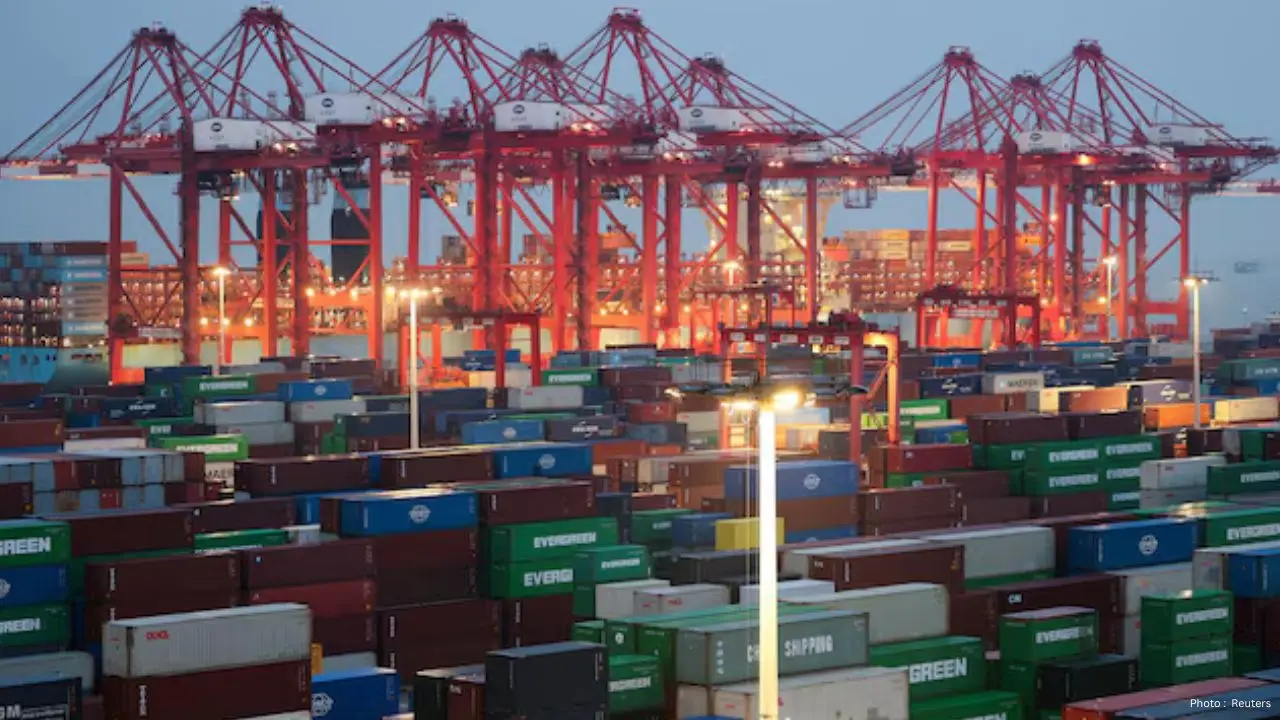
The drop in refinery output may also have consequences for international trade and shipping industries. As one of the world’s foremost manufacturing and exporting hubs, China's reduced industrial activity can disrupt supply chains globally.
In response to these challenges, Chinese authorities are likely to persist in implementing economic support strategies to foster growth and bolster market trust. Recent measures introduced by the government target business support, infrastructure development, and enhanced consumer spending.
Despite these immediate challenges, China’s economy remains one of the largest and most influential globally. Any significant changes in its industrial engagement rapidly impact international markets, investors, and global energy requirements.
The recent refinery statistics serve as a stark reminder of the interconnectedness of the global economy. Economic downturns in key nations can influence oil pricing, trade activities, and financial markets well beyond their borders.