The Abu Dhabi Department of Energy (DoE) has announced the second phase of its Solar Energy Self-Supply Policy, marking a major step by extending its benefits to the residential sector for the first time.
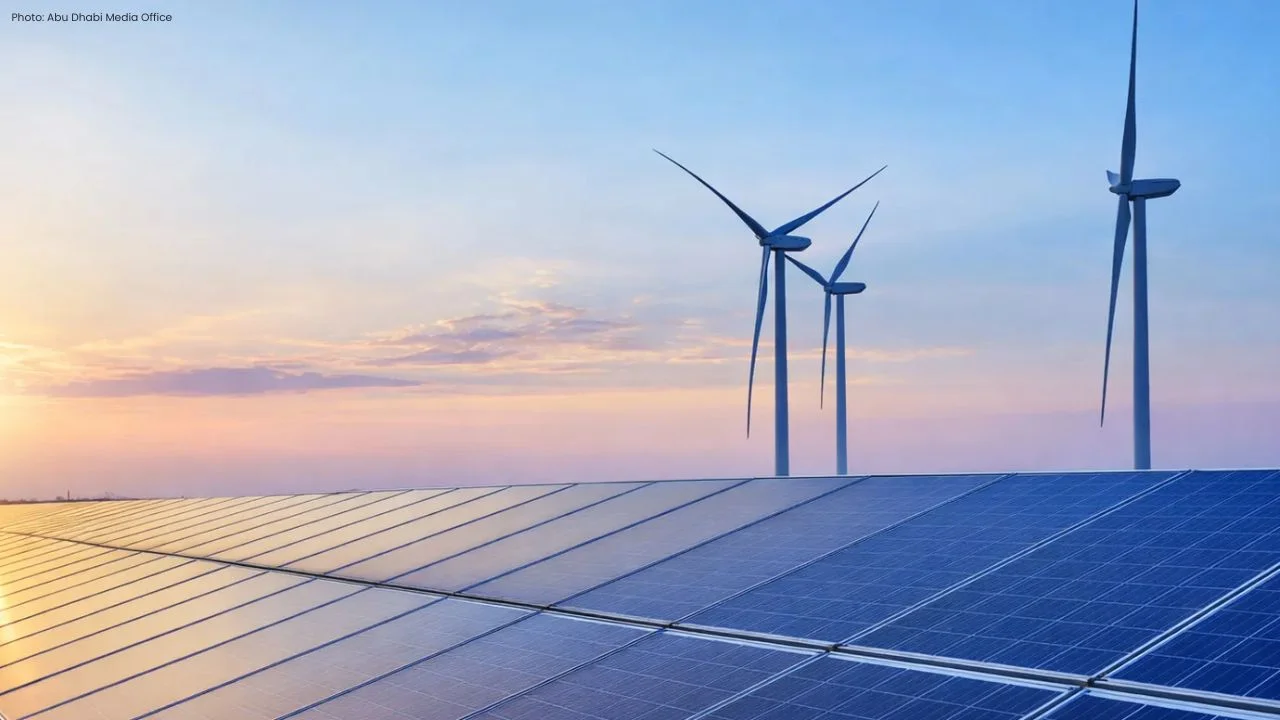
Under the new phase, villa owners and residential building occupants across Abu Dhabi can now install rooftop solar systems to generate electricity for personal use. The policy also allows consumers to store surplus energy using battery systems and integrate it seamlessly with the national grid, improving energy efficiency and reducing dependency on traditional power sources.
This expansion builds on the success of the policy’s first phase, which was launched during the World Government Summit in February. Initially, the scheme targeted farms, rest houses, and ranches, enabling them to adopt solar solutions for self-generation and storage.
The latest move reflects the growing demand for renewable energy solutions and aligns with the UAE’s long-term sustainability goals. Authorities have introduced a simplified regulatory framework to make adoption easier, including streamlined procedures for installation and grid connection, along with standardized technical guidelines to ensure safety and efficiency.
In parallel, the DoE has also introduced a policy promoting the use of energy-efficient appliances. This framework guides consumers in selecting high-performance systems based on lifecycle costs and real-world efficiency. It covers key areas such as air conditioning, water heating, lighting, and electrical appliances, as well as pumps and irrigation systems.
The second phase is expected to significantly reduce peak electricity demand by enabling households to meet a large portion of their daytime energy needs through solar power. Stored energy can further enhance load management, easing pressure on the grid.
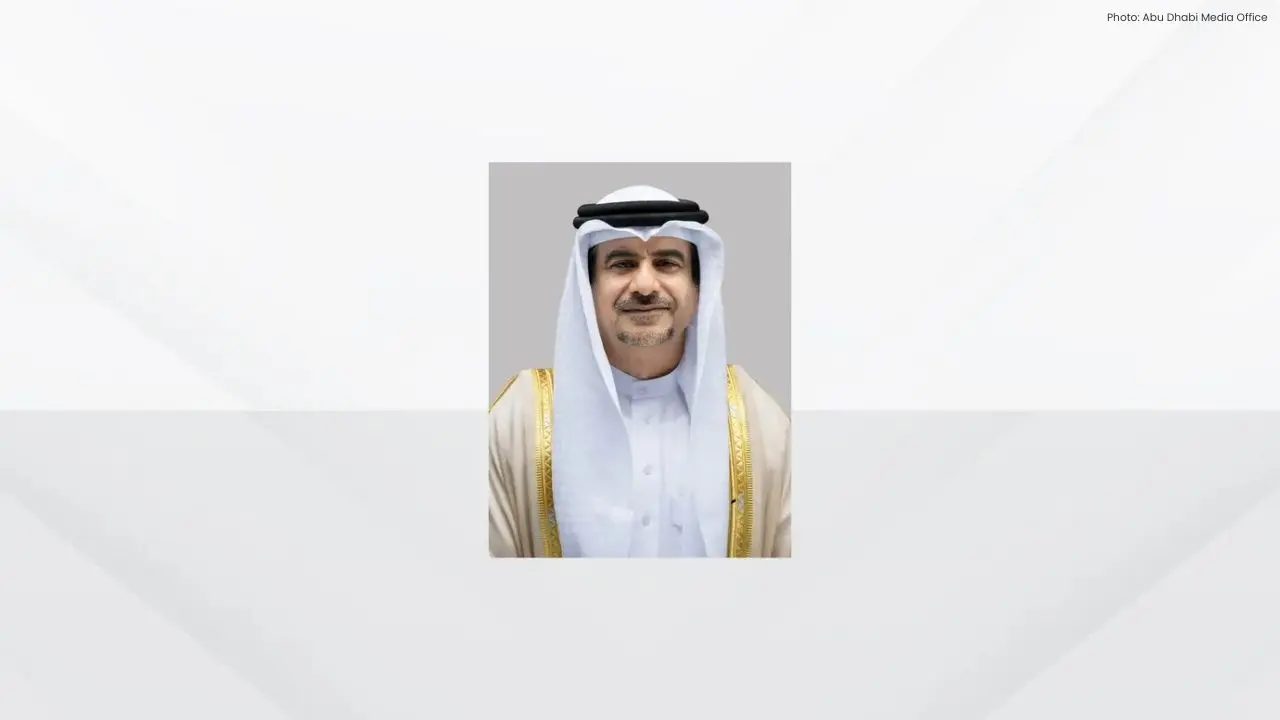
Abdulaziz Mohammed Al Obaidli, Director General of Regulatory Affairs at DoE, stated that the initiative represents a crucial step toward integrating clean energy into everyday life. He emphasized that expanding the policy to include households will strengthen partnerships and accelerate the transition to a more sustainable and balanced energy mix.
The initiative also supports Abu Dhabi’s Energy and Water Efficiency Strategy 2030, reinforcing the emirate’s commitment to adopting advanced energy solutions and improving both environmental and economic outcomes.