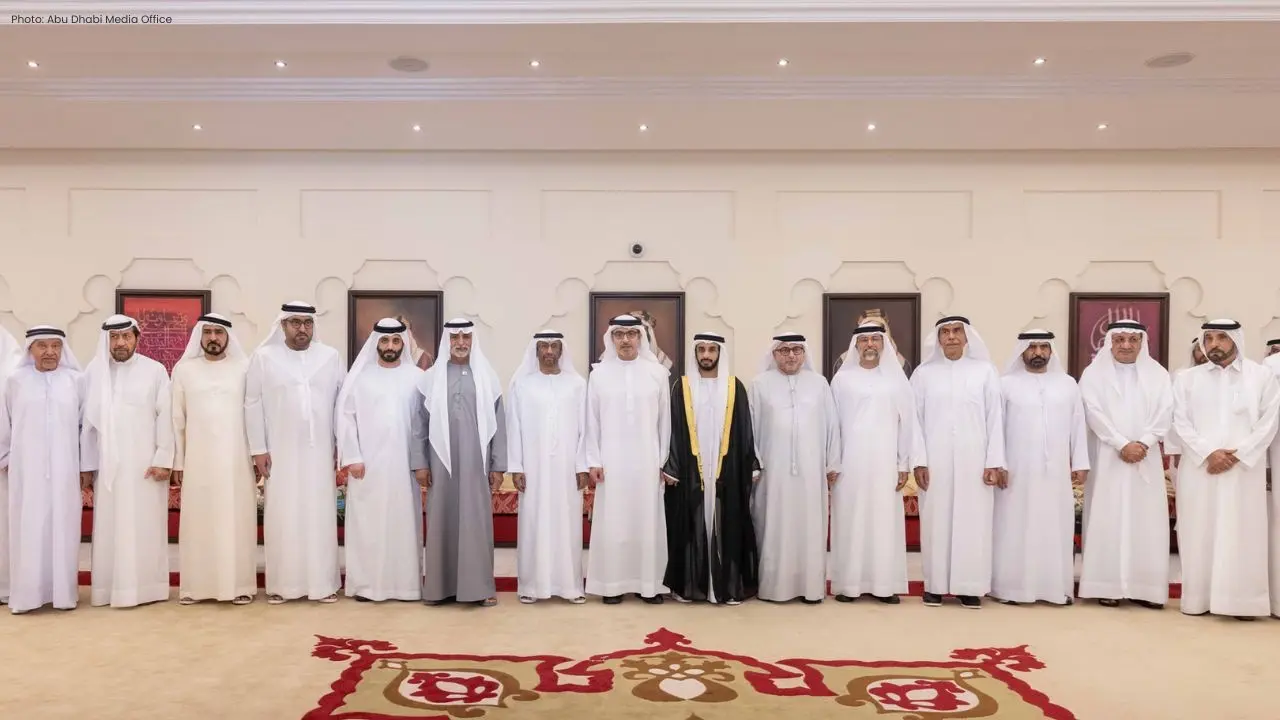
The United Arab Emirates is experiencing one of the most significant financial transformations in its modern history. Once primarily known for oil-driven growth, the country—especially cities like Dubai and Abu Dhabi—is now emerging as a powerful global hub for finance, investment, and capital markets. The rapid expansion of big finance is not just changing the structure of the economy; it is reshaping how the UAE positions itself in the world.
The Rise of the UAE as a Global Financial Hub
At the center of this shift is the increasing presence of major international banks, investment firms, and asset managers who are choosing the UAE as a regional base. The country’s strategic location between Europe, Asia, and Africa has made it a natural gateway for global capital flows. Combined with strong infrastructure, political stability, and business-friendly regulations, the UAE has become one of the most attractive destinations for financial expansion in the Middle East.
Dubai in particular has played a leading role in this transformation. The city has evolved far beyond its early reputation as a trade and tourism hub. Today, it is home to a rapidly growing financial ecosystem anchored by institutions such as the Dubai International Financial Centre. This environment has encouraged hedge funds, private equity firms, and multinational banks to establish regional headquarters, bringing billions of dollars in managed assets into the country.
Economic Diversification and the Role of Sovereign Wealth
A key factor driving this growth is the UAE’s long-term economic diversification strategy. Government policies have been designed to reduce reliance on oil and strengthen sectors such as finance, technology, logistics, and real estate. As part of this strategy, sovereign wealth funds like those managed in Abu Dhabi have become some of the most influential investors in the world. These funds actively deploy capital into global companies, infrastructure projects, and emerging industries, while also fueling domestic development.
This inflow of capital has had a direct impact on the UAE’s urban and economic landscape. Financial expansion has supported a surge in real estate development, from luxury residential towers to large-scale commercial districts. At the same time, it has encouraged the growth of business districts, fintech startups, and innovation hubs. The result is a more diversified economy that is less dependent on traditional energy revenues.
Technology and the Rise of Digital Finance
Technology is also playing a major role in this financial transformation. Artificial intelligence, digital banking, and fintech platforms are becoming central to how financial services operate in the UAE. Banks and investment firms are increasingly adopting AI-driven systems for risk analysis, customer service, and investment decision-making. This shift has improved efficiency and created new opportunities for tech-focused financial companies to enter the market.
The rise of digital finance has also supported the UAE’s ambition to become a cashless and highly digitized economy. Mobile banking, online investment platforms, and digital payment systems are now widely used across the country. This transition is making financial services more accessible while also attracting younger, tech-savvy investors and entrepreneurs.
Challenges, Competition, and the Future of Finance
Another important dimension of big finance expansion in the UAE is the growing role of sovereign wealth capital. Institutions such as the Abu Dhabi Investment Authority and Mubadala Investment Company have become global powerhouses, managing vast portfolios across industries including energy, technology, healthcare, and infrastructure. Their investment strategies are long-term in nature, focusing on sustainable growth and strategic influence rather than short-term gains.
These institutions not only invest abroad but also play a crucial role in shaping domestic development. Their capital supports major infrastructure projects, industrial expansion, and innovation-driven initiatives within the UAE. This dual approach—global investment combined with local development—has strengthened the country’s financial resilience.
The expansion of big finance has also significantly boosted employment and talent attraction in the UAE. Financial institutions bring with them high-skilled jobs in banking, asset management, consulting, and technology. As a result, the country has become a magnet for international professionals seeking opportunities in a fast-growing financial environment. This influx of talent has further strengthened the UAE’s position as a regional financial leader.
At the same time, regulatory reforms have played a critical role in supporting this growth. The UAE has introduced business-friendly policies, streamlined licensing processes, and improved legal frameworks to attract foreign investment. Free zones and financial districts offer companies tax advantages and operational flexibility, making it easier for global firms to establish a presence.
Despite this rapid expansion, the UAE’s financial transformation is not without challenges. Increased global capital flows bring greater exposure to international market volatility. Economic shifts, interest rate changes, and geopolitical developments can all influence investor sentiment in the region. However, the country’s diversified strategy and strong fiscal reserves provide a buffer against external shocks.
Real estate, one of the key beneficiaries of financial expansion, has also seen both growth and fluctuations. While demand remains strong due to foreign investment and population growth, the market is sensitive to global financial conditions. Policymakers continue to monitor this sector closely to maintain long-term stability.
Another challenge lies in maintaining competitiveness as other regional financial hubs also expand their presence. The UAE must continue to innovate, particularly in areas such as fintech regulation, digital infrastructure, and investment transparency, to retain its edge as a preferred destination for global capital.
Conclusion: A New Financial Era for the UAE
Looking ahead, the future of big finance in the UAE appears closely tied to innovation and sustainability. Green finance, ESG-focused investment, and clean energy funding are expected to play a larger role in shaping financial activity. The country’s commitment to sustainability goals aligns with this trend, positioning it as a leader in responsible investment within the region.
Artificial intelligence will likely deepen its influence across financial systems, further automating trading, improving risk management, and enhancing customer experiences. As these technologies evolve, the UAE’s financial sector is expected to become even more efficient and globally competitive.
In conclusion, the expansion of big finance is not just an economic development for the UAE—it is a structural transformation. It is redefining how the country grows, how it attracts global capital, and how it positions itself in the international financial system. From Dubai’s dynamic financial districts to Abu Dhabi’s sovereign investment strategies, the UAE is building a diversified, future-focused economy powered by global investment flows.
As this transformation continues, the UAE is not only participating in global finance—it is actively shaping its regional future, creating a financial ecosystem designed for long-term growth, innovation, and resilience.