Dubai has always been a city associated with ambition.
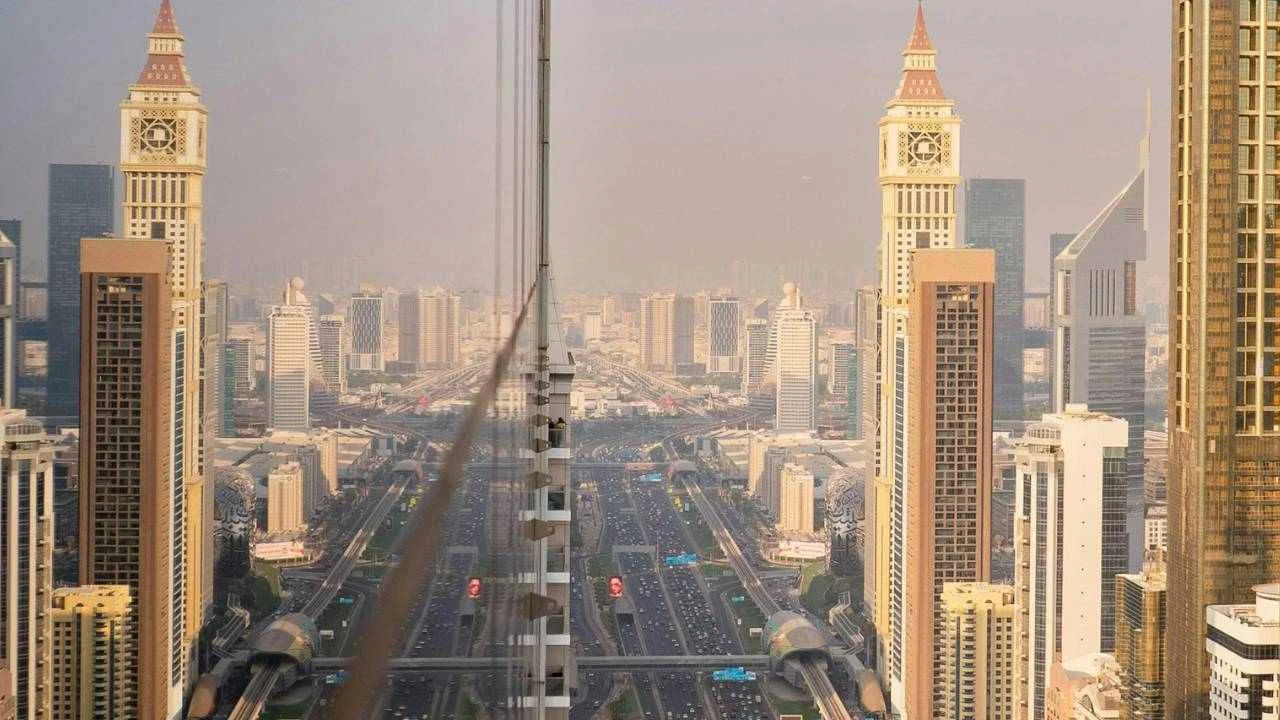
For decades, the world watched it rise from desert landscapes into one of the most recognizable urban destinations on the planet. Skyscrapers reached impossible heights, artificial islands reshaped coastlines, and futuristic architecture became part of everyday life.
But today, one of Dubai’s most fascinating transformations is happening far away from luxury towers and famous skylines.
It is happening underground.
In a bold and highly symbolic move, Dubai is planning to transform 40 tunnels across the city into public art spaces — turning ordinary transit areas into immersive creative experiences designed to reshape how people emotionally interact with urban life.
At first glance, tunnels may seem like purely functional spaces — places people pass through quickly without attention, emotion, or memory.
But Dubai’s vision challenges that idea completely.
Instead of allowing tunnels to remain invisible parts of the city, the project aims to transform them into spaces filled with color, storytelling, creativity, culture, light, and human expression.
And behind this ambitious urban initiative lies a much deeper untold story about the future of cities, public emotion, and how art is quietly becoming one of the most powerful tools for human connection in modern urban life.
Why Cities Are Beginning to Rethink Public Spaces
Modern cities were traditionally designed around efficiency.
Roads were built to move traffic. Bridges connected areas. Tunnels solved transportation problems. Public spaces focused mainly on functionality rather than emotional experience.
But around the world, urban planners are beginning to realize something important: people do not only live inside cities physically — they experience them emotionally.
A city influences mood, energy, stress, creativity, social behavior, and even mental well-being.
Cold concrete environments often create emotional disconnection, while creative environments create emotional engagement.
Dubai’s tunnel art transformation reflects this growing global realization that cities must evolve beyond infrastructure alone.
They must also inspire people emotionally.
And perhaps one of the most fascinating untold truths is this: many modern urban residents spend huge portions of their lives moving through spaces that were never designed to make them feel anything at all.
Dubai appears determined to change that.
Turning Transit Into Experience
One of the most innovative aspects of the tunnel project is the idea of transforming movement itself into experience.
Most tunnels around the world are emotionally forgettable. People enter them, pass through quickly, and immediately forget them.
Dubai’s vision introduces a completely different philosophy.
What if movement through the city could itself become memorable?
What if ordinary daily commutes could contain moments of surprise, creativity, inspiration, or emotional reflection?
The transformation of tunnels into public art spaces aims to create exactly that.
Instead of seeing tunnels as empty transitional zones, the city is reimagining them as immersive environments capable of changing emotional atmosphere instantly.
A stressful commute may suddenly feel calmer through artistic lighting. A pedestrian tunnel may become visually inspiring instead of emotionally cold. Public movement may begin feeling more human and culturally connected.
This changes how people psychologically experience the city itself.
The Untold Psychological Power of Public Art
Public art is often underestimated.
Many people view it simply as decoration.
But psychologically, public art can deeply influence emotional behavior.
Research in urban psychology increasingly shows that visually engaging environments affect stress levels, social interaction, creativity, emotional comfort, and public mood.
Color alone influences human emotion significantly. Lighting changes perception. Artistic storytelling creates memory. Visual beauty can reduce emotional fatigue in busy urban environments.
This becomes especially important in large modern cities where millions of people experience sensory overload daily.
Dubai’s tunnel project quietly acknowledges something many cities ignore: human beings emotionally absorb the environments surrounding them.
And when public spaces feel inspiring, people often feel more emotionally connected to the places they live.
Why Tunnels Hold Symbolic Meaning
One of the most fascinating untold aspects of the project is the symbolic meaning of tunnels themselves.
Historically, tunnels represent transition.
People enter one side and emerge somewhere different.
Psychologically, tunnels often symbolize movement between emotional states — from darkness into light, from stress into relief, from one reality into another.
This symbolism gives the project deeper artistic meaning beyond aesthetics.
Transforming tunnels into creative spaces subtly transforms the emotional symbolism of movement itself.
Instead of feeling cold or mechanical, tunnels may begin feeling imaginative, hopeful, and emotionally alive.
In many ways, Dubai is turning overlooked infrastructure into emotional storytelling.
Dubai’s Growing Identity Beyond Luxury
For years, Dubai was globally associated mainly with luxury — luxury shopping, luxury hotels, luxury architecture, and luxury experiences.
But the city has gradually been reshaping its identity into something broader.
Today, Dubai increasingly positions itself as a cultural hub, an innovation center, a design destination, and a global creative capital.
Projects like public art tunnels reflect that evolution.
The city is beginning to focus not only on how impressive spaces look internationally, but also on how people emotionally experience them locally.
This distinction matters.
Because truly successful cities are not remembered only for buildings.
They are remembered for atmosphere.
Paris is remembered emotionally. Tokyo is remembered emotionally. New York is remembered emotionally.
Dubai now appears increasingly interested in building emotional identity alongside architectural ambition.
Giving Artists Visibility Inside Everyday Life
Another important untold impact of the project is how it brings art into ordinary daily life.
Traditional art often exists inside museums or galleries that many people rarely visit regularly.
Public art changes this completely.
It places creativity directly inside everyday human movement.
A commuter rushing to work may suddenly encounter a mural. A child walking through a tunnel may experience imaginative visuals unexpectedly. A tourist may discover local culture through artistic storytelling embedded into infrastructure.
This accessibility democratizes art.
People no longer need to intentionally seek creative experiences.
The city itself begins offering them naturally.
And for artists, this creates something powerful: visibility woven directly into urban life.
The Rise of “Emotional Urbanism”
Urban planners increasingly discuss a modern concept sometimes described as emotional urbanism.
The idea is simple: cities should not only function efficiently — they should also emotionally support human well-being.
This philosophy is becoming more important globally as mental health conversations grow stronger.
Modern urban life often creates emotional exhaustion through traffic, noise, speed, stress, digital overload, and sensory fatigue.
Creative urban environments help soften this pressure.
Nature installations, public art, walkable design, interactive spaces, and visually calming architecture all contribute to emotional experience.
Dubai’s tunnel transformation reflects this growing movement toward emotionally intelligent city design.
Technology and Art Are Blending Together
Dubai’s tunnel spaces are also expected to integrate modern digital experiences, interactive lighting, projection systems, and immersive artistic technologies.
This reflects another important shift: the merging of technology and emotional creativity.
In the past, technology was often associated with efficiency alone.
Today, cities increasingly use technology to shape emotional environments.
Interactive light installations can change mood instantly. Digital art can transform ordinary walls into storytelling experiences. Sound design can alter emotional atmosphere.
Dubai, known globally for futuristic innovation, appears uniquely positioned to combine technology with public artistic expression on a large scale.
Tourism Beyond Skyscrapers
One untold reality about modern tourism is that travelers increasingly seek experiences rather than only landmarks.
People want atmosphere, culture, authenticity, and emotional memory.
Instagram and social media accelerated this trend dramatically.
Visitors now actively search for visually unique spaces capable of creating emotional and visual storytelling.
Dubai’s art tunnels could eventually become part of the city’s cultural tourism identity.
Not because they are luxurious, but because they are immersive and emotionally memorable.
This reflects a larger shift happening globally: people increasingly value experiences that feel emotionally distinctive rather than simply expensive.
The Hidden Economic Impact of Creativity
Creative urban projects also generate powerful economic influence.
Public art increases tourism interest. Creative districts attract businesses. Visually engaging cities often encourage longer visitor engagement. Artistic identity strengthens international branding.
But perhaps most importantly, creativity attracts talent.
Modern professionals increasingly choose cities not only for salary opportunities, but for quality of life, atmosphere, inspiration, and emotional experience.
Cities that feel creatively alive often attract ambitious global talent more successfully.
Dubai understands this deeply.
The future global competition between cities will not depend only on infrastructure.
It will depend on emotional attractiveness too.
Public Spaces Are Becoming More Human
For decades, many cities prioritized vehicles more than people emotionally.
Roads expanded. Traffic systems improved. Infrastructure accelerated movement.
But many urban environments lost warmth in the process.
Now cities worldwide are slowly reversing this approach.
Human-centered urban design is becoming increasingly important.
People want cities that feel livable rather than purely functional.
Public art contributes strongly to this feeling.
It reminds residents that cities are not machines.
They are human environments meant to inspire interaction, memory, identity, and emotion.
Dubai’s tunnel transformation reflects this human-centered evolution.
The Emotional Impact on Residents
One of the most overlooked aspects of projects like this is how deeply they affect local residents psychologically.
Residents often experience cities differently than tourists.
Tourists seek novelty. Residents seek emotional comfort and identity.
When people repeatedly move through beautiful, inspiring, creative environments, they often develop stronger emotional attachment to the city itself.
This increases civic pride.
People begin feeling emotionally connected to public spaces rather than detached from them.
And emotionally connected residents often care more about preserving, respecting, and participating in city life.
Art as a Universal Language
One reason public art works so powerfully in multicultural cities like Dubai is because art transcends language barriers.
Dubai is home to people from countless nationalities, cultures, and backgrounds.
Art creates shared emotional experience without requiring translation.
Color, visual storytelling, light, movement, and symbolism can communicate universally.
This makes public art especially valuable in highly international urban environments.
It creates moments of shared emotional connection between strangers living vastly different lives.
Reimagining What Cities Can Feel Like
Perhaps the deepest untold story behind Dubai’s tunnel project is not really about tunnels at all.
It is about reimagining what cities themselves can emotionally become.
For generations, urban development focused heavily on height, speed, efficiency, and expansion.
Now a new question is emerging globally:
How should cities feel emotionally?
Cold?
Mechanical?
Anonymous?
Or creative, human, immersive, and emotionally alive?
Dubai’s tunnel transformation suggests a future where even overlooked infrastructure can become meaningful experience.
Where movement through a city becomes emotional rather than purely functional.
Where creativity is no longer isolated inside museums but woven directly into everyday life.
A City Turning Ordinary Spaces Into Emotional Experiences
As Dubai continues transforming 40 tunnels into public art spaces, the project represents something much larger than urban decoration.
It reflects a global shift toward emotionally intelligent cities.
Cities that understand people need more than roads and buildings.
They also need inspiration, beauty, creativity, human connection, and moments that interrupt routine with wonder.
Because in modern life, people spend enormous amounts of time moving quickly through environments designed only for efficiency.
Dubai appears determined to challenge that reality.
By transforming ordinary tunnels into artistic experiences, the city is quietly sending a powerful message:
Even the spaces people once ignored can become places capable of making them feel something unforgettable.