Mega-Project Momentum (Saudi & UAE)
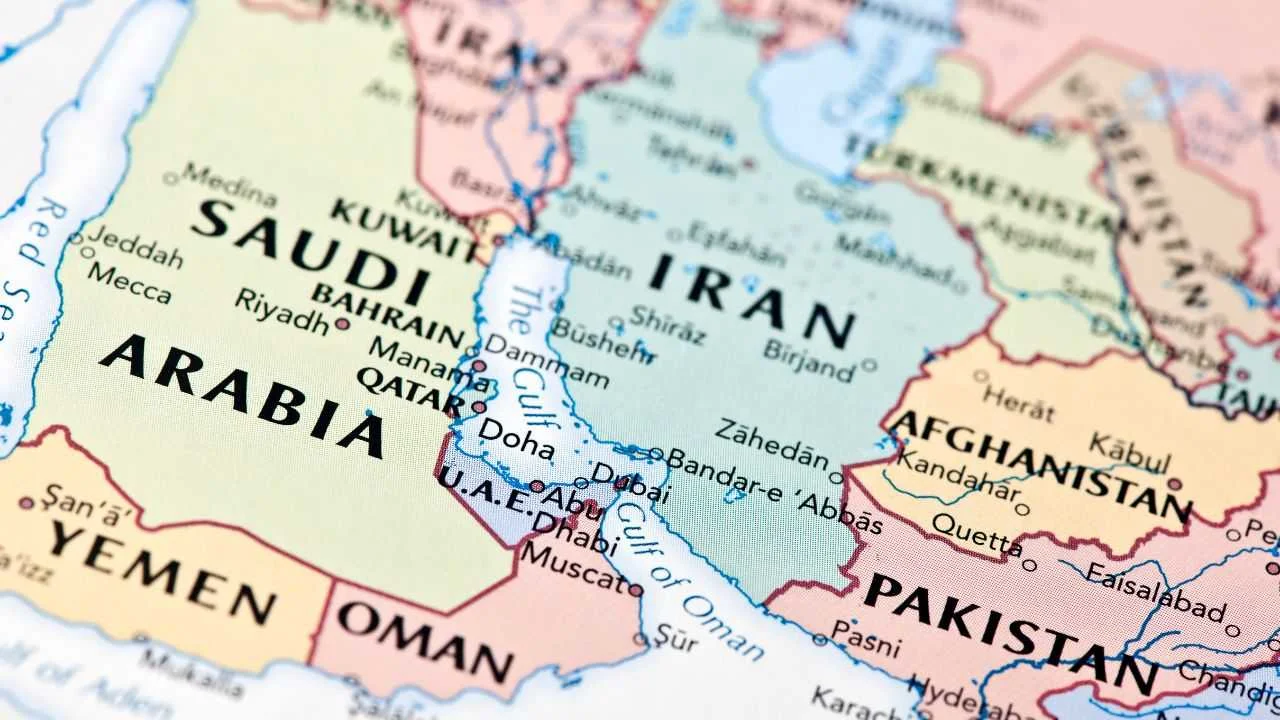
The Gulf is in the middle of one of the most ambitious waves of development the modern world has ever seen. Across Saudi Arabia and the United Arab Emirates, massive projects are rising from desert landscapes, coastlines, and city skylines—projects designed not just to impress, but to redefine how people live, work, and move. What makes this moment especially striking is not only the scale of construction, but the clarity of purpose behind it: these countries are preparing for a future that depends less on oil and more on innovation, talent, and global connectivity.
Saudi Arabia’s Vision: NEOM and the Future of Cities
In Saudi Arabia, the centerpiece of this transformation is NEOM, a vast region in the northwest that is being built almost entirely from scratch. It is often described as a “city of the future,” but that phrase barely captures the scope. NEOM is not one project—it is a collection of interconnected ideas. Among them is The Line, a linear city designed to stretch across the desert without cars or traditional streets. Instead of spreading outward, it rises vertically, concentrating life into walkable communities where everything residents need is just minutes away.
The vision behind NEOM is bold: a place powered by renewable energy, supported by artificial intelligence, and designed to operate with minimal environmental impact. Whether every aspect of that vision is achieved remains to be seen, but the ambition itself is already reshaping expectations. Around the world, investors, architects, engineers, and technology firms are paying close attention, because projects like this create opportunities that ripple far beyond their borders.
UAE’s Expansion: Dubai and Abu Dhabi Leading the Way
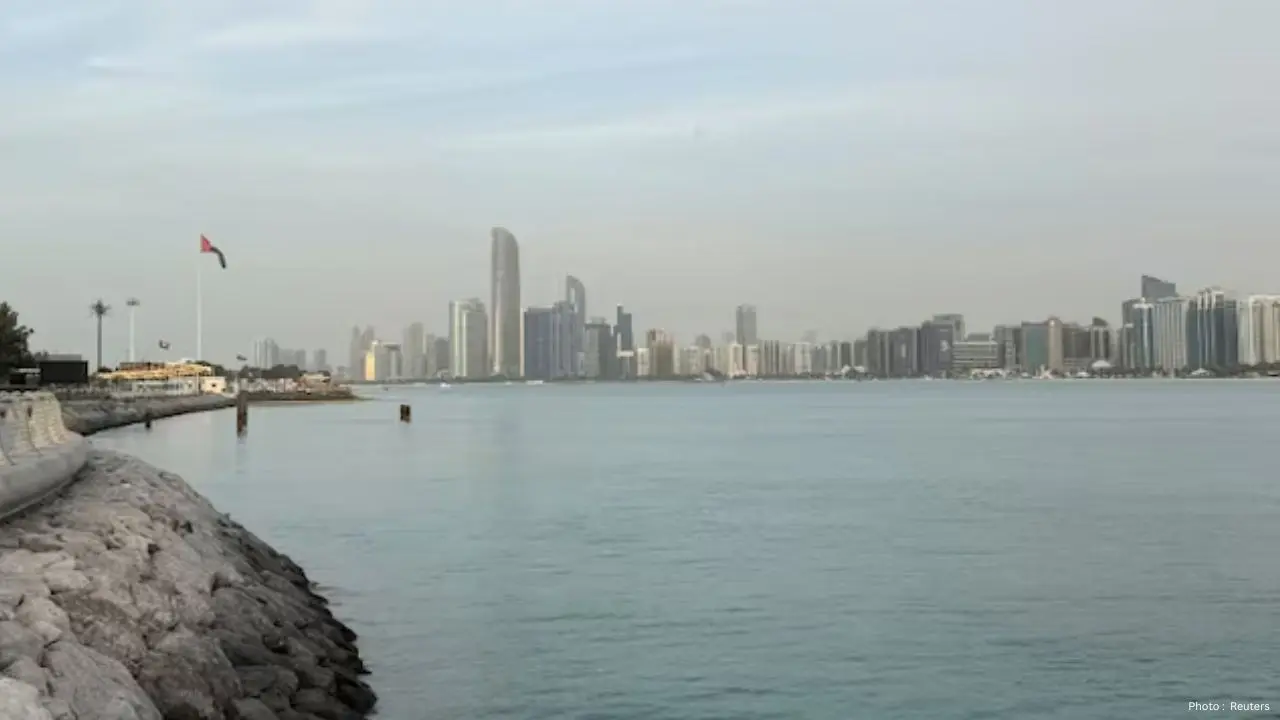
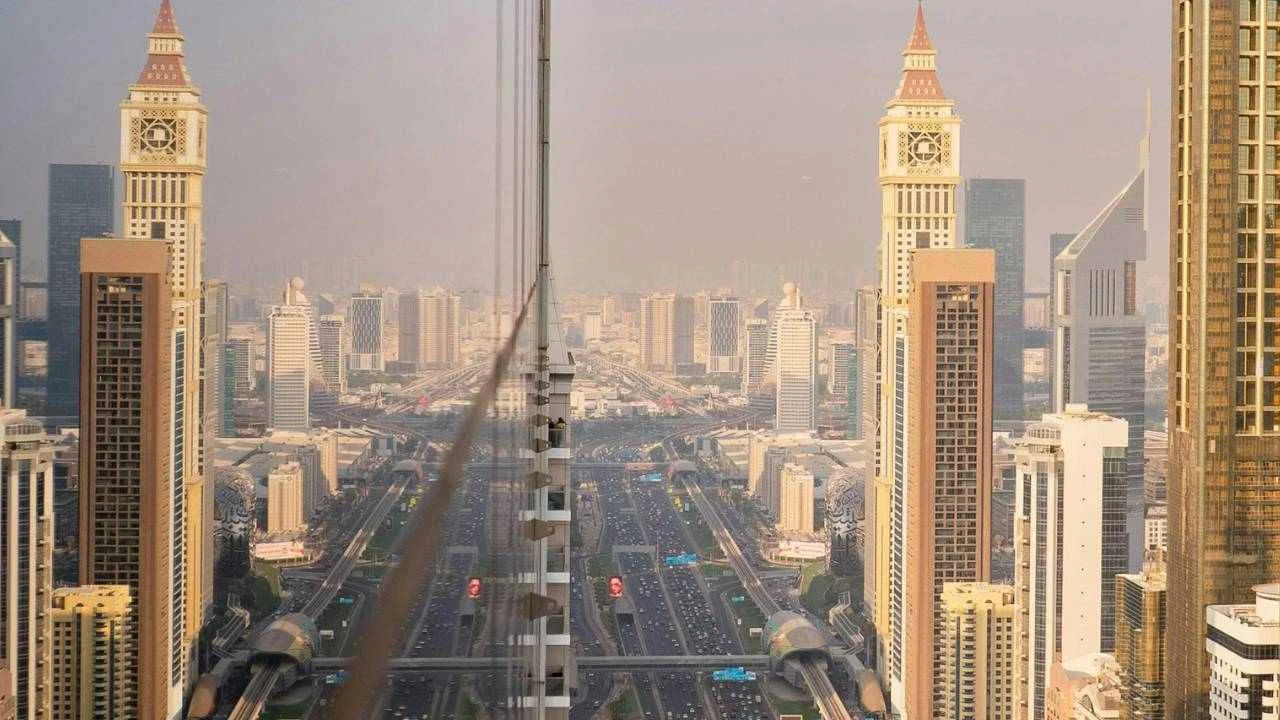
At the same time, the United Arab Emirates is pursuing its own approach to large-scale development—one that builds on an already established global reputation. Cities like Dubai and Abu Dhabi have spent decades positioning themselves as hubs for business, tourism, and innovation. Now, they are doubling down, expanding their skylines and infrastructure while refining the systems that support them.
Dubai, in particular, continues to push forward with urban expansion that blends luxury, convenience, and cutting-edge design. New waterfront developments, smart city initiatives, and mixed-use communities are designed to attract not just tourists, but long-term residents and entrepreneurs. The goal is not simply to build more buildings, but to create environments where people want to stay, invest, and grow.
Abu Dhabi, meanwhile, is focusing heavily on sustainability and cultural development. From clean energy projects to museums and education hubs, the emirate is shaping a model that balances economic growth with long-term environmental and social goals. Together, these efforts reinforce the UAE’s position as a place where global talent can thrive.
Economic Diversification and Global Investment
What ties these projects together across the Gulf is a shared understanding: the future economy will be driven by ideas, not just resources. Oil wealth has provided the foundation, but it is no longer the end goal. Instead, countries are investing in technology, renewable energy, logistics, tourism, and finance—sectors that can sustain growth for generations.
Foreign investment plays a major role in this transformation. Large-scale developments require enormous amounts of capital, expertise, and collaboration. International companies are partnering with local entities, bringing in specialized knowledge while gaining access to rapidly growing markets. For investors, the appeal is clear. These projects are not only large—they are backed by governments with strong financial resources and long-term strategic plans.
Technology, Sustainability, and Urban Innovation
There is also a psychological dimension to all of this. Mega-projects send a signal. They communicate confidence, ambition, and a willingness to take risks. For businesses deciding where to expand, and for individuals choosing where to live and work, that signal matters. It suggests momentum. It suggests opportunity.
Of course, building at this scale comes with challenges. Managing costs, timelines, and environmental impact is never simple. There are questions about sustainability, about how these cities will function in practice, and about how they will adapt as technologies evolve. Critics sometimes argue that the visions are too ambitious, or that the pace of development is difficult to maintain.
Yet even with those concerns, the direction is clear. The Gulf is not standing still. It is experimenting, investing, and building at a pace that few regions can match. Whether every project succeeds exactly as planned is almost beside the point. What matters is the broader shift taking place—a shift toward diversification, innovation, and global integration.
The Future of the Gulf’s Mega Projects
Another important element is how these developments are designed to improve quality of life. Walkable neighborhoods, integrated public transport, green spaces, and smart infrastructure are becoming central features. Instead of focusing only on scale, planners are increasingly thinking about how people will experience these environments day to day. That focus is crucial, because attracting residents is just as important as attracting investors.
Technology is deeply embedded in this transformation. Smart systems are being integrated into everything from traffic management to energy consumption. Artificial intelligence, data analytics, and automation are not treated as add-ons—they are built into the core of new developments. This approach allows cities to operate more efficiently while offering services that feel seamless to residents.
Sustainability is another key theme. Renewable energy projects, water conservation systems, and environmentally conscious design are becoming standard features rather than optional extras. In regions where climate conditions are challenging, these innovations are not just beneficial—they are essential. They represent an effort to create cities that can endure and adapt over time.
The human side of this story is just as important as the infrastructure. As these projects grow, they create jobs across a wide range of sectors—from construction and engineering to technology, hospitality, and education. They also attract a diverse workforce from around the world, contributing to the cultural and intellectual vibrancy of the region.
Education and research are increasingly part of the picture as well. Universities, training centers, and innovation hubs are being integrated into development plans, ensuring that local talent can grow alongside international expertise. This helps build a knowledge-based economy, reducing reliance on external resources over the long term.
There is also a competitive element within the region. Countries are not only developing for their own benefit—they are also positioning themselves relative to each other. This competition can be a powerful driver of innovation, encouraging faster progress and more creative solutions. At the same time, there is cooperation, particularly in areas like trade, infrastructure, and regional policy. For everyday observers, the scale of change can feel almost surreal. Skylines evolve rapidly. New districts appear where there was once empty land. Infrastructure projects reshape how people move through cities. It is a reminder that urban environments are not fixed—they are constantly being reimagined.
Conclusion
Looking ahead, the success of these mega-projects will depend on execution as much as vision. Planning is one thing; delivering on that plan is another. Maintaining momentum, adapting to global economic conditions, and ensuring that developments remain attractive over time will be ongoing challenges.
Still, the overall trajectory is difficult to ignore. Saudi Arabia and the UAE are investing not just in buildings, but in futures. They are creating spaces designed to attract talent, ideas, and capital from around the world. In doing so, they are redefining what it means to be a global hub in the 21st century. For investors, the message is clear: this is a region in motion. For residents, it offers new opportunities and evolving lifestyles. And for the world, it provides a fascinating glimpse of how cities—and economies—might look in the decades to come.
The desert, once seen as a limitation, is becoming a canvas. And on that canvas, the Gulf is painting one of the most ambitious development stories of our time.