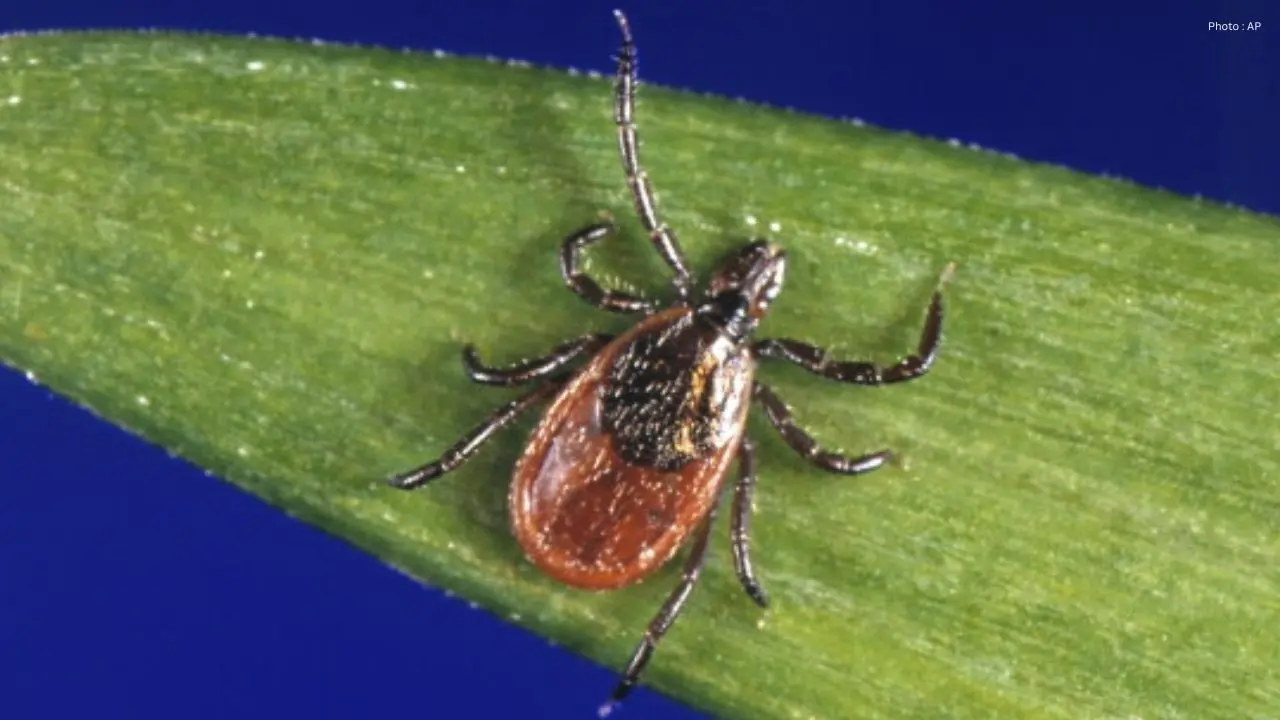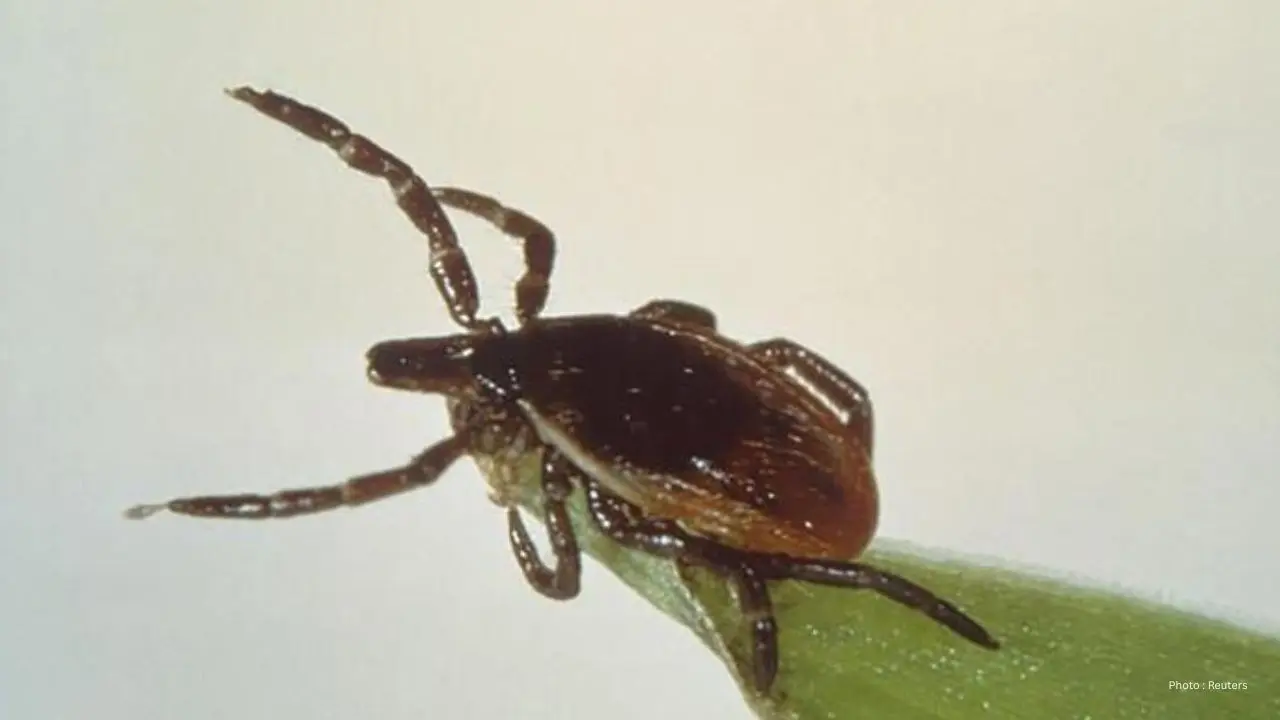
As the warmer months approach, health officials are emphasizing the need for increased vigilance against tick bites, given the uptick in tick activity across various parts of North America. Public health agencies have observed that ticks are more frequently encountered during the spring and summer seasons, raising alarms about the potential spread of Lyme disease and other tick-related illnesses. They are now disseminating vital safety information to help outdoor enthusiasts stay safe.
Health professionals note that blacklegged ticks, commonly known as deer ticks, can harbor dangerous bacteria that lead to Lyme disease. This illness can manifest with symptoms such as fever, fatigue, headaches, muscle soreness, and rashes. If untreated, Lyme disease can have severe effects on joints, the heart, and the nervous system. In recent years, the rise in tick sightings and Lyme disease incidents in several regions has been attributed to warmer climates and evolving environmental factors.
Public health units advise individuals to don long sleeves, long trousers, and closed-toe footwear while traversing wooded areas, grassy fields, or densely vegetated locales where ticks thrive. The use of insect repellents containing DEET or icaridin on both skin and clothing is also highly recommended, as well as wearing light-colored attire to facilitate tick detection before they latch on.
Thoroughly checking one’s body following outdoor ventures is crucial in preventing tick-borne infections. Ticks typically settle near the legs, armpits, scalp, behind the knees, and waist. Medical professionals stress that prompt removal of ticks can significantly diminish disease risk since infections generally require the tick to be attached for several hours. Using fine-tipped tweezers for careful and gradual removal is advised.
Additionally, pet owners should consistently inspect their dogs and cats for ticks, as these animals can inadvertently bring ticks indoors. Veterinarians recommend employing approved tick prevention products for pets during peak tick season. Public health officials also urge families to maintain short grass and clear away leaf piles around their homes to minimize tick habitats.
Anyone experiencing symptoms like fever, rash, joint pain, or increased fatigue post-tick bite should seek medical assistance promptly. Early antibiotic treatment usually proves effective for Lyme disease and prevents severe complications. Health officials are advocating for awareness and preventive measures as tick populations expand each year.