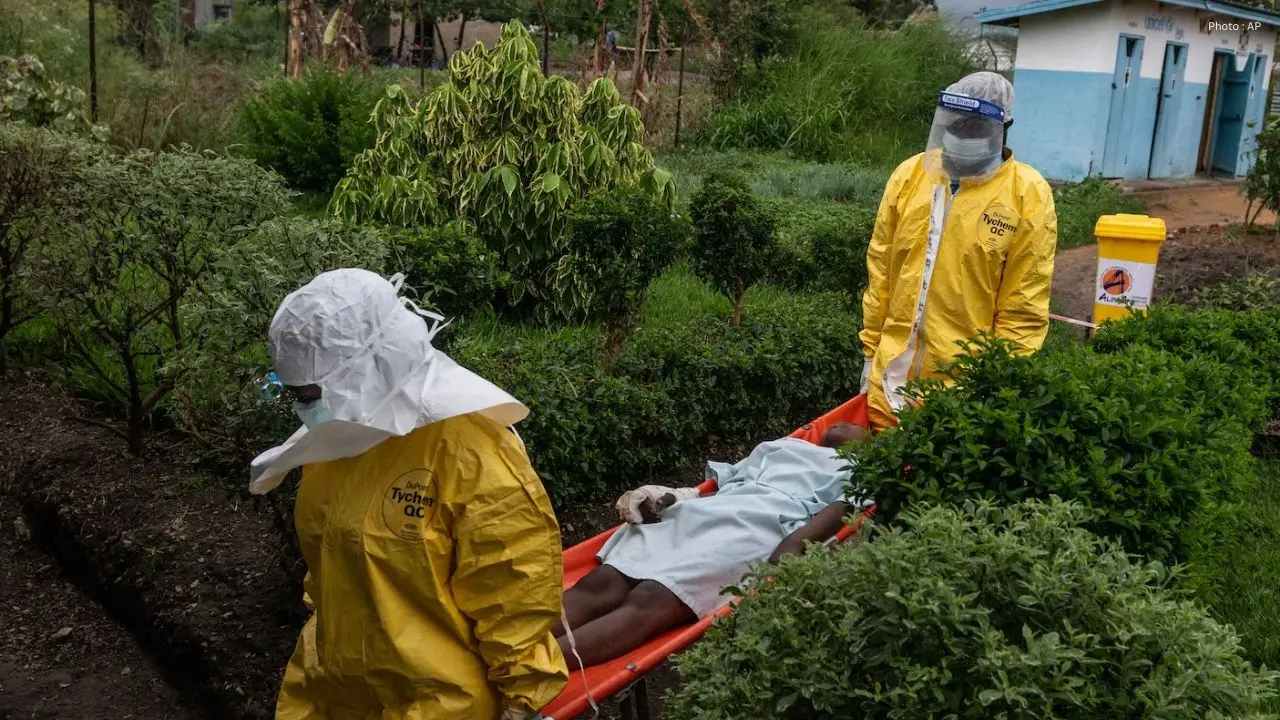
In response to escalating concerns over the Ebola outbreak in Central and East Africa, the United States has broadened its travel restrictions. Now, lawful permanent residents, commonly known as green-card holders, are prohibited from re-entering the country if they have traveled to affected regions recently.
The announcement from the Centers for Disease Control and Prevention (CDC) and the Department of Homeland Security specifies that these restrictions apply to green-card holders who have been present in the Democratic Republic of the Congo, Uganda, or South Sudan in the past 21 days. Previously, only non-U.S. citizens were affected by the travel limits.
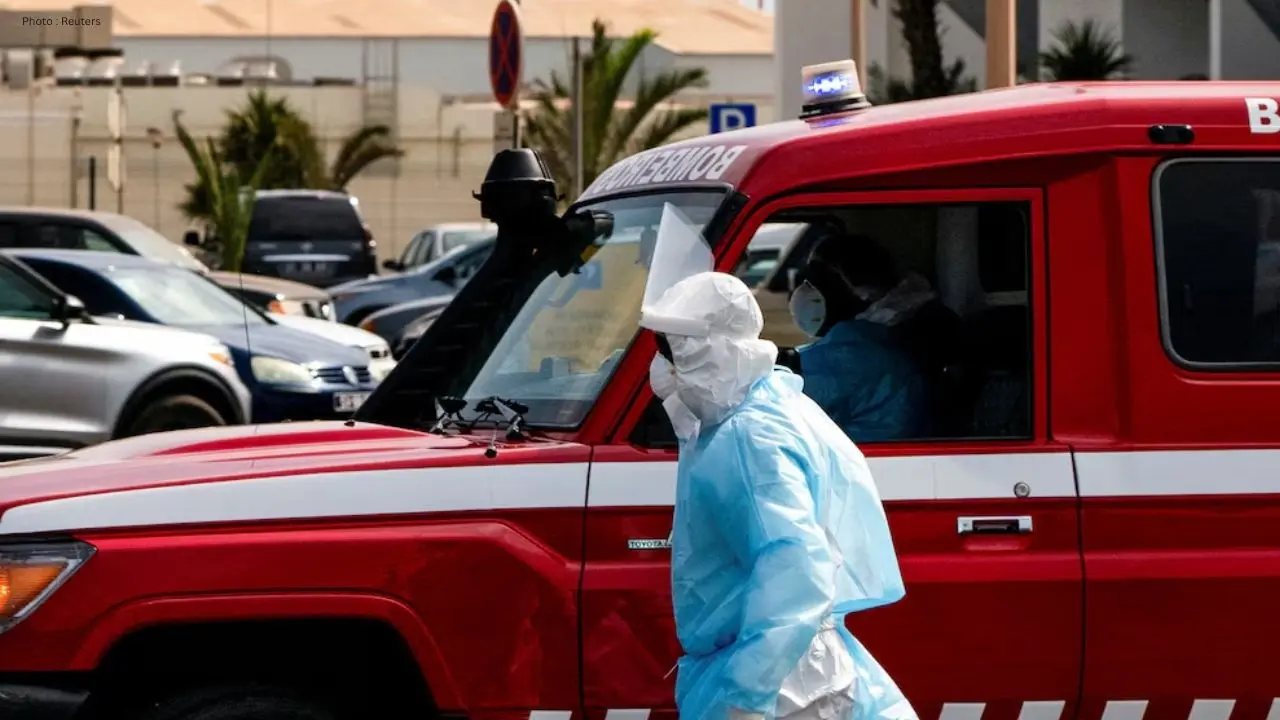
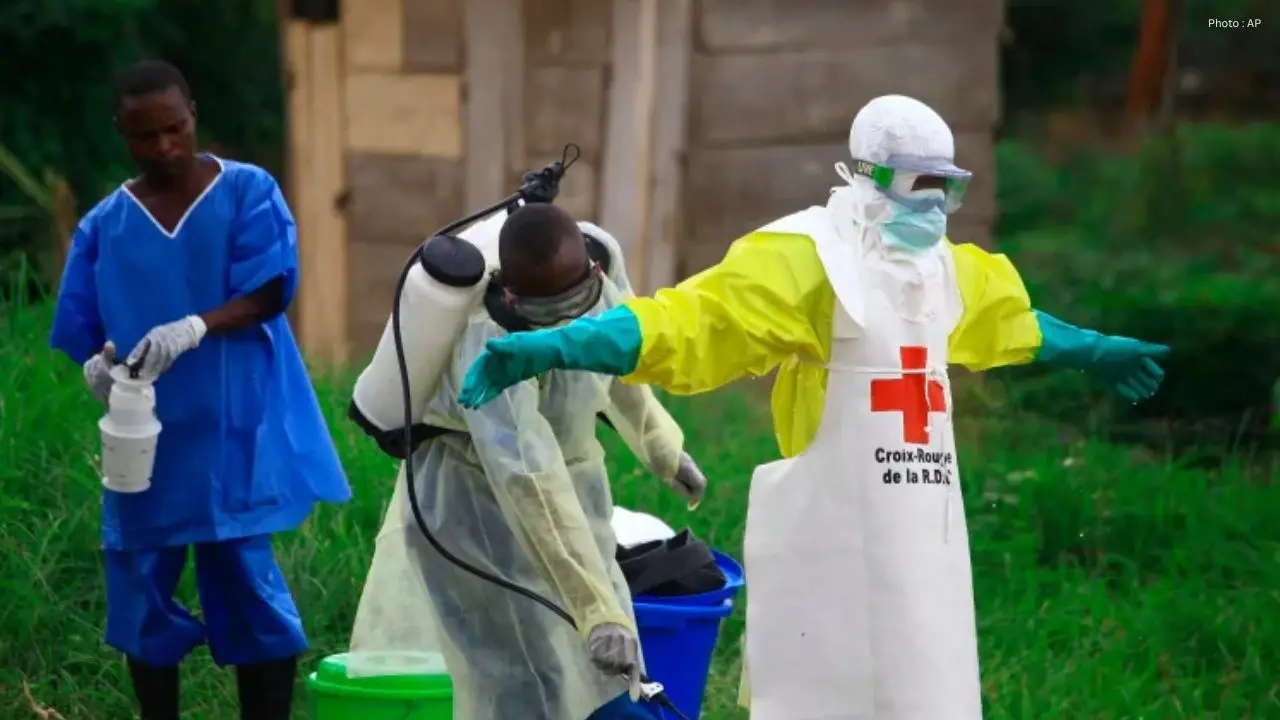
This decision was made with public health as a priority, particularly as healthcare resources are stretched due to the surge of Ebola cases in these countries. The CDC emphasized that these new measures are part of broader initiatives to halt the potential entry of Ebola into the U.S. amidst an outbreak involving the rare Bundibugyo strain.
The World Health Organization identified this outbreak as a major international health emergency following numerous reported infections and fatalities across the affected nations. Experts highlight the severity of the situation, noting the unavailability of a specific vaccine for the Bundibugyo Ebola strain.
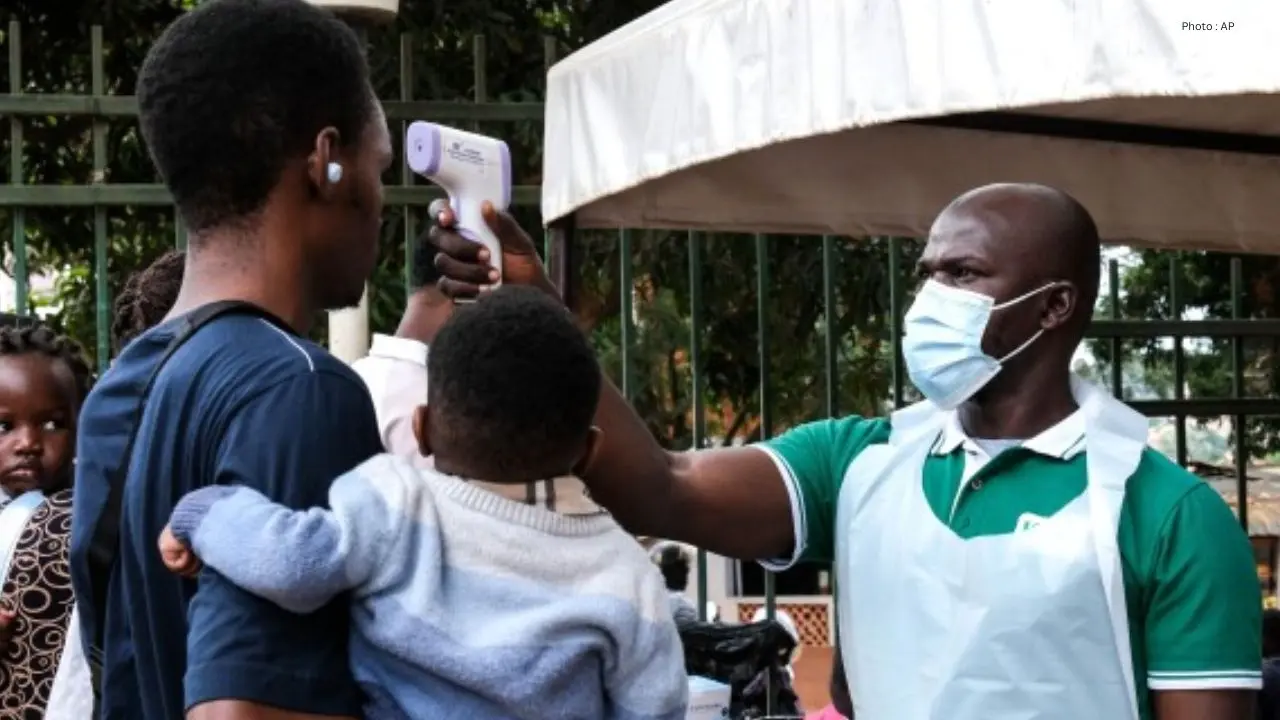
In addition to travel restrictions, the U.S. government is enhancing airport screening and monitoring for returning travelers. U.S. citizens coming back from impacted regions are now required to enter the country through selected airports, such as Washington Dulles International Airport, where officials carry out temperature checks and health screenings.
The travel ban has drawn criticism from various stakeholders, including immigration experts and civil rights advocates. Concerns have been raised regarding potential legal and humanitarian issues, as this policy might undermine the rights of permanent residents. Moreover, there are fears that such actions could dissuade medical professionals and aid workers from providing assistance in Africa.
Health experts observed that previous Ebola response strategies relied heavily on monitoring and quarantine instead of imposing sweeping travel bans, which may hinder international collaboration during health emergencies.
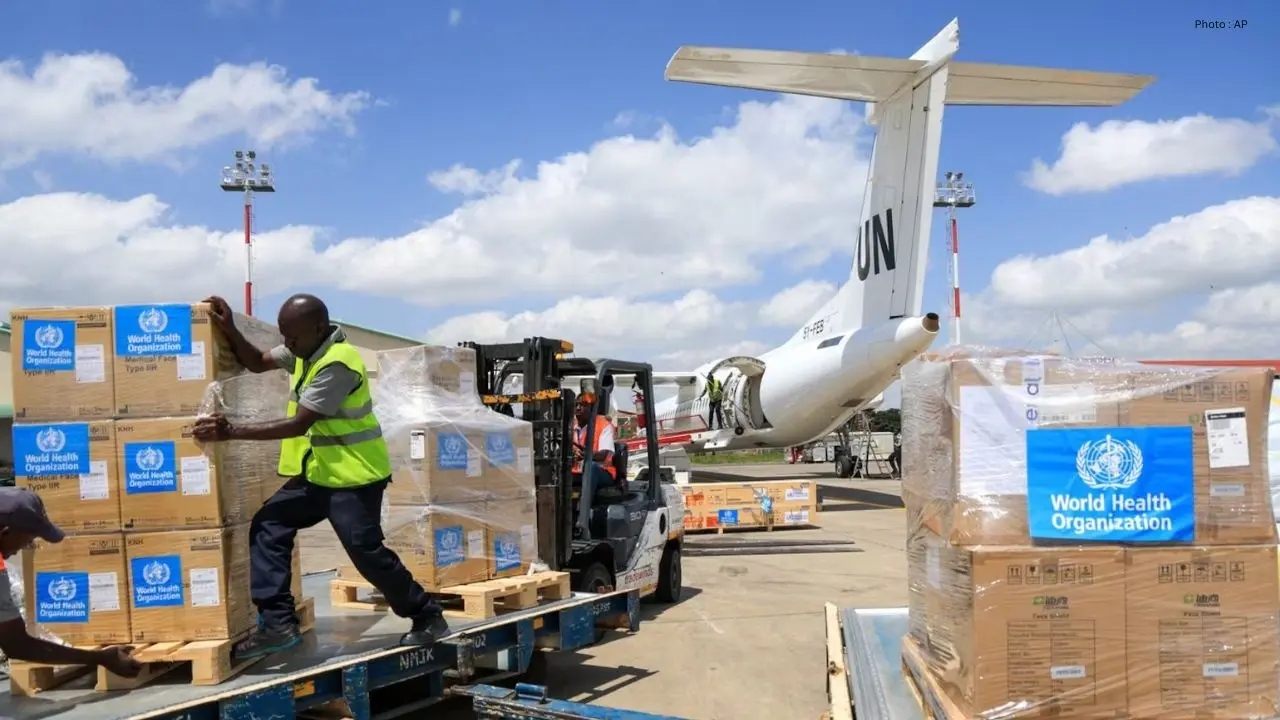
Despite ongoing concerns, the CDC reassured that the risk of widespread Ebola transmission within the U.S. remains low. The travel restrictions will be assessed and adjusted based on the evolving status of the outbreak, and the government is deploying additional medical personnel to assist in containing the virus in the affected areas.