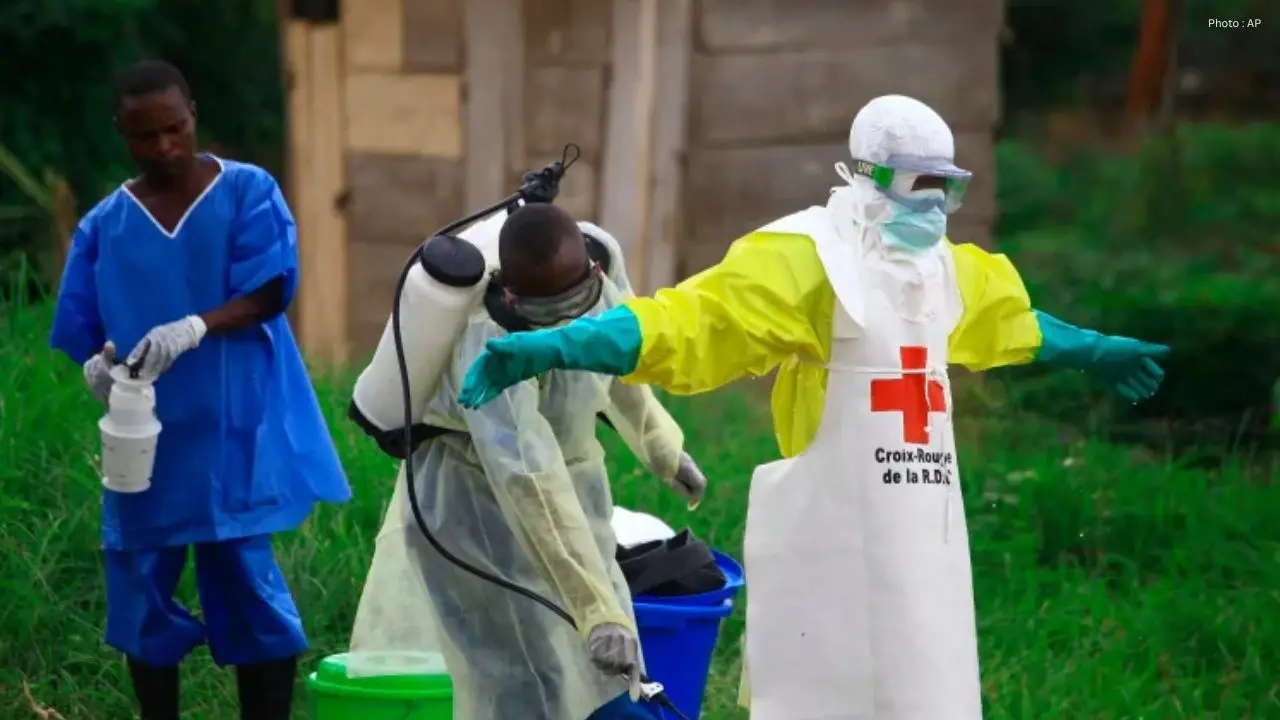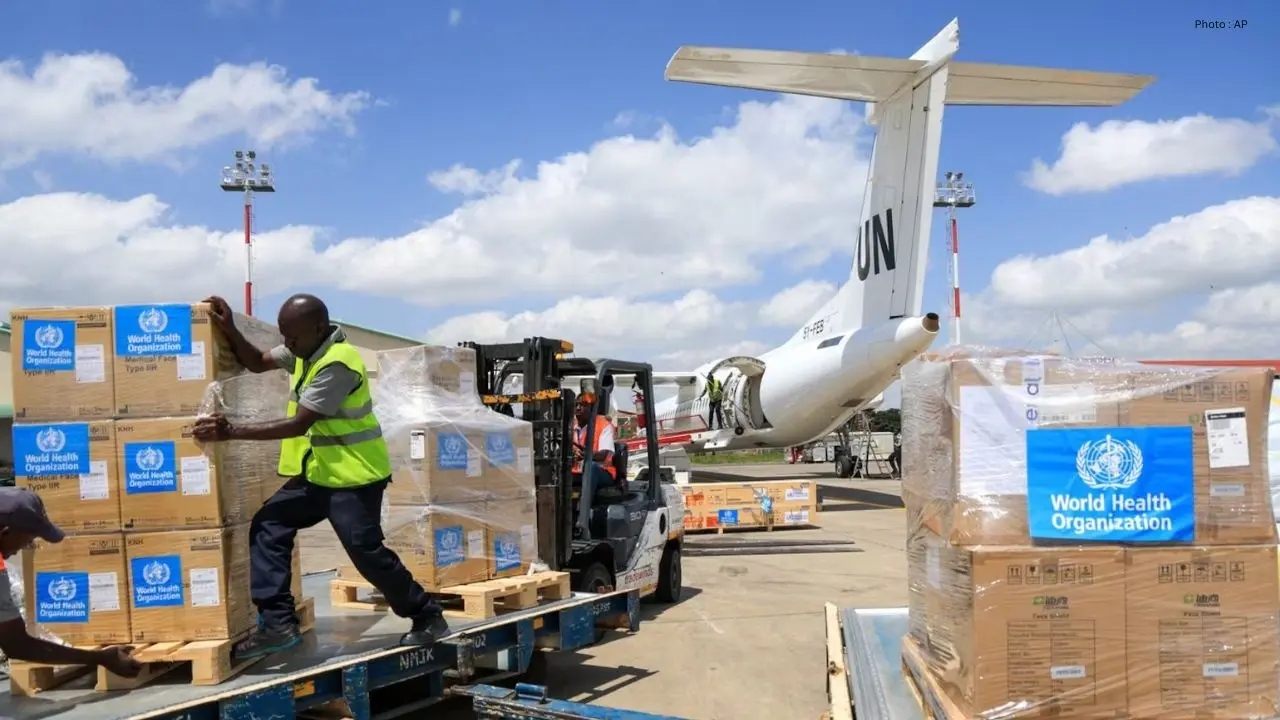
In response to the urgent needs of the Democratic Republic of the Congo, Canadian humanitarian and healthcare professionals are traveling to assist with emergency efforts during the ongoing Ebola outbreak. This deployment is part of a collaborative international initiative aimed at containing the highly infectious virus and enhancing local healthcare systems to thwart the spread of the disease beyond its current geographic boundaries.
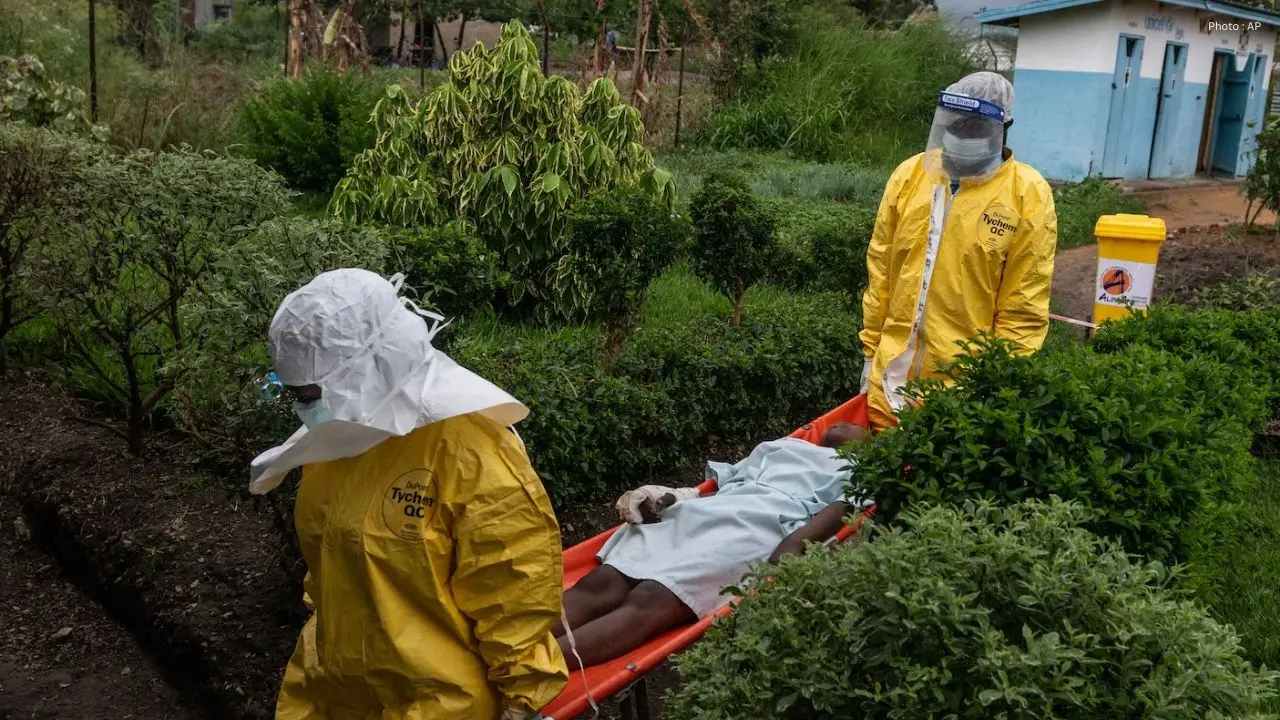
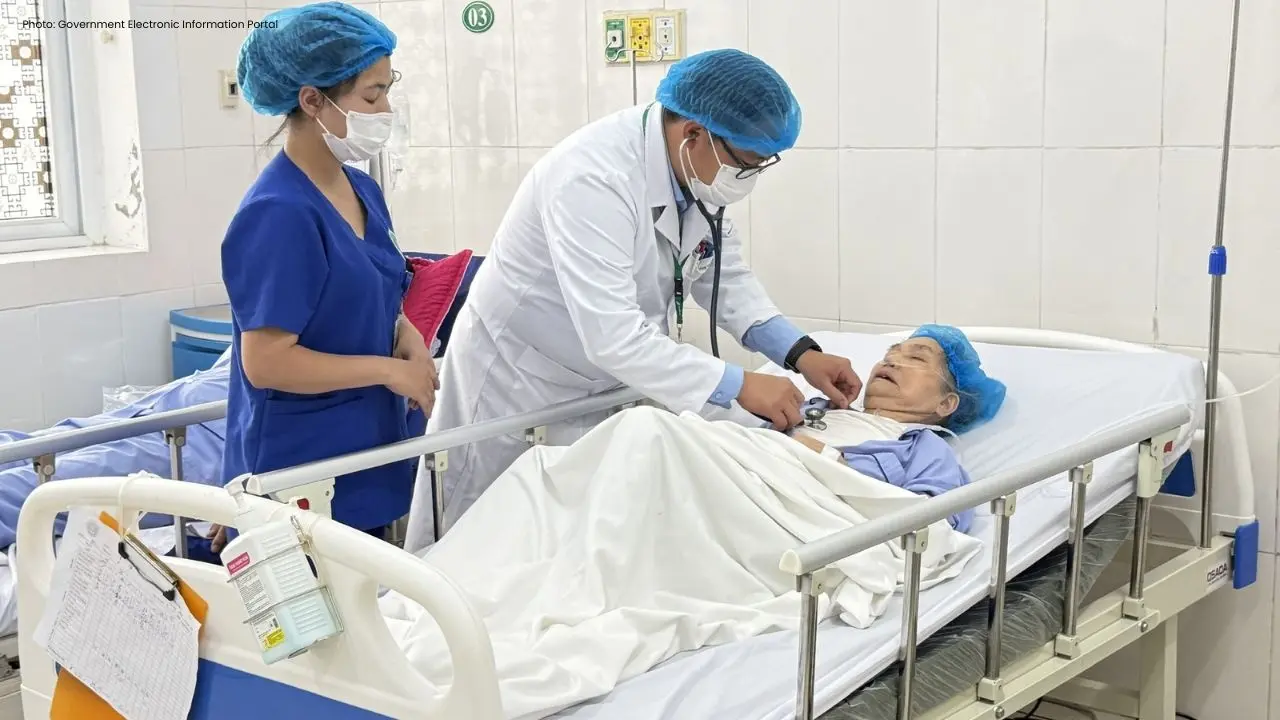
Confirmed by health officials and humanitarian agencies, the Canadian contingent will join forces with local authorities and international organizations already on the ground in affected regions. Their roles will encompass patient care, disease tracking, community education efforts, vaccination assistance, and measures to prevent infection.
Recent weeks have seen a worrying rise in new Ebola infections and fatalities, alerting global health entities to the pressing need for intervention. Due to its nature, Ebola spreads through direct contact with the fluids of an infected person and can result in severe symptoms, including hemorrhaging and organ failure, emphasizing the importance of swift action.
The Canadian teams are expected to collaborate with global organizations like the World Health Organization and local health bodies. Officials stress the crucial role of international teamwork as outbreaks in remote locations can swiftly escalate into greater public health crises if healthcare systems become saturated.
Humanitarian organizations highlight that one of the significant hurdles in Congo is accessing communities in remote areas lacking adequate healthcare facilities. Medical responders frequently encounter challenges, such as transportation issues, equipment shortages, and safety concerns while striving to manage outbreaks in conflict-affected regions.
Health professionals assert that effective containment depends on early detection, isolating patients, contact tracing, and increasing public awareness. Vaccination efforts will also be vital in curbing the virus's transmission. International teams are working on training local health personnel and boosting emergency response mechanisms for more effective management.
Canadian authorities have reaffirmed that this deployment demonstrates the nation’s dedication to global health and disaster relief during international emergencies. Canadian medical teams have previously participated in Ebola response missions in Africa and possess valuable experience with infectious disease management.
Congo has faced numerous deadly Ebola outbreaks over the last few decades, stemming from deficient healthcare infrastructure, regional conflicts, and challenges in reaching isolated communities. Though advancements in treatments and vaccines have been made, Ebola continues to rank among the world’s most perilous infectious diseases.
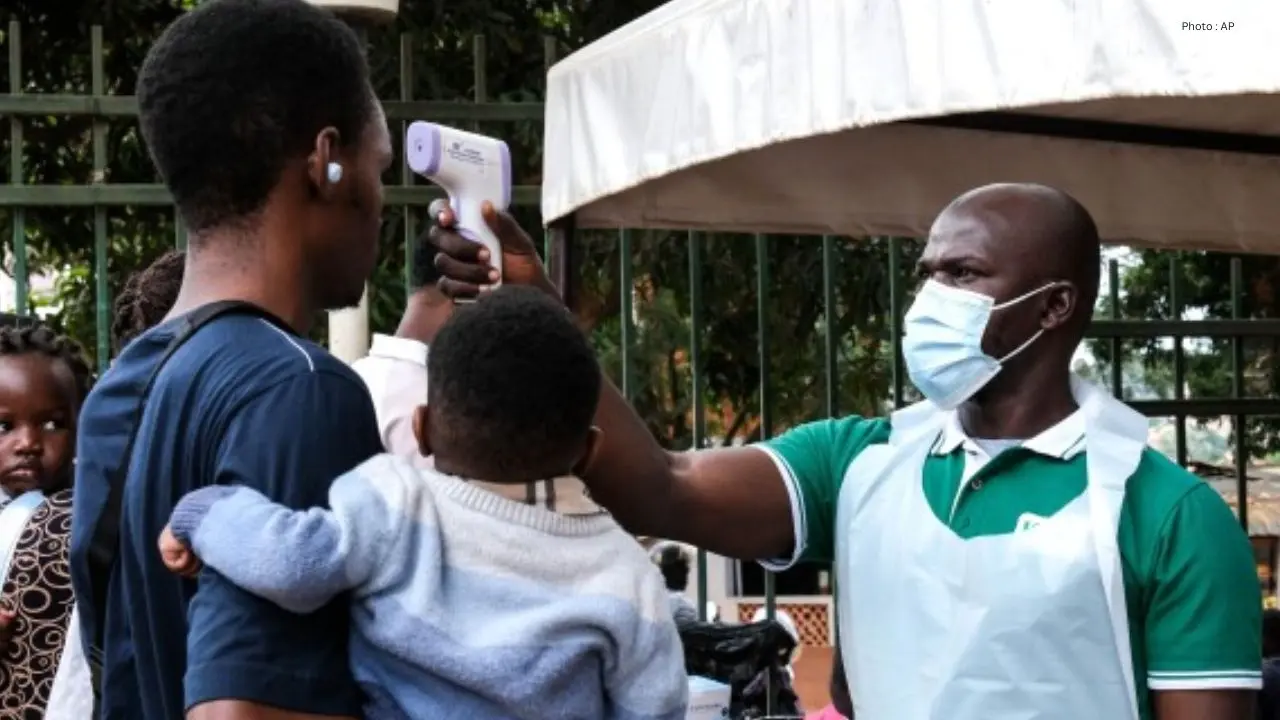
Global health organizations are also vigilant in monitoring bordering nations to prevent outbreaks from spreading across borders. Increased surveillance, airport screenings, and strengthening emergency readiness in adjacent areas are being emphasized as preventive measures.
Experts caution that public anxiety and misinformation can hinder outbreak management. Therefore, humanitarian organizations are prioritizing not just medical care but also community education on symptoms, prevention strategies, and the urgency of seeking medical assistance swiftly.
This latest international intervention underscores the rising global anxiety surrounding infectious disease outbreaks and the need for prompt collective action. Officials remain hopeful that robust medical intervention, vaccination initiatives, and coordinated emergency measures can help contain the Ebola outbreak in Congo before it escalates into a broader regional crisis.