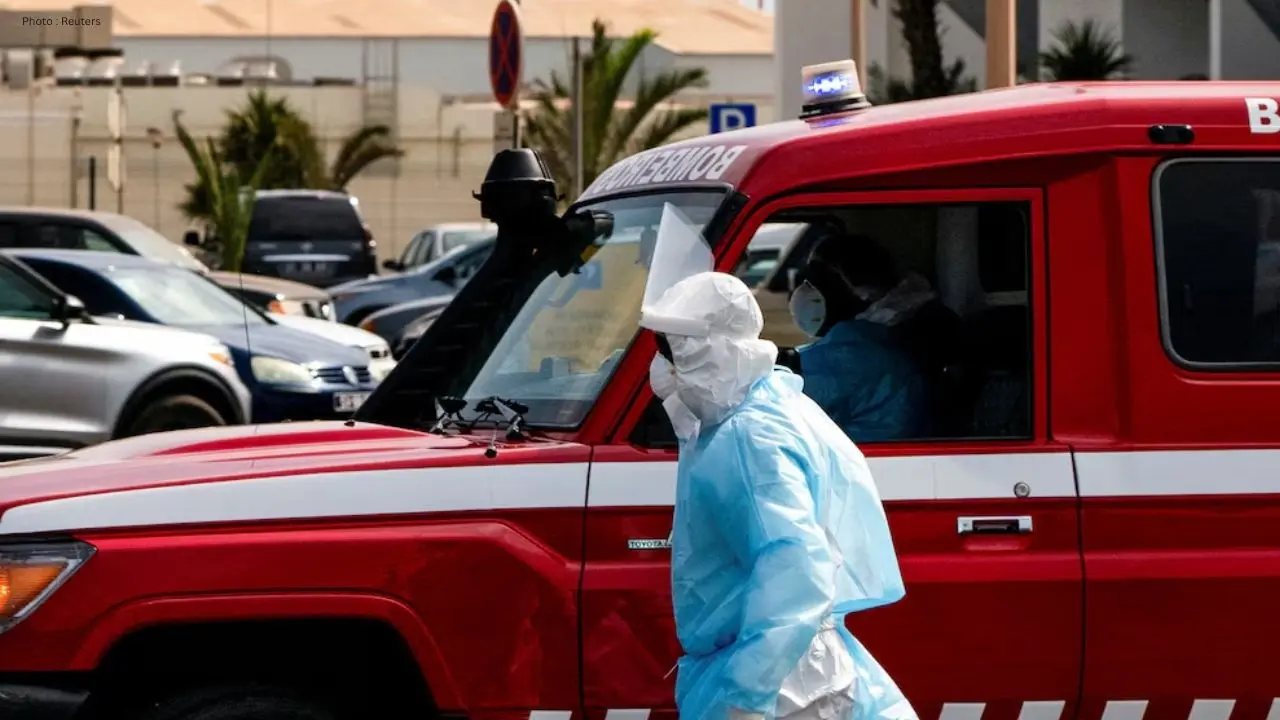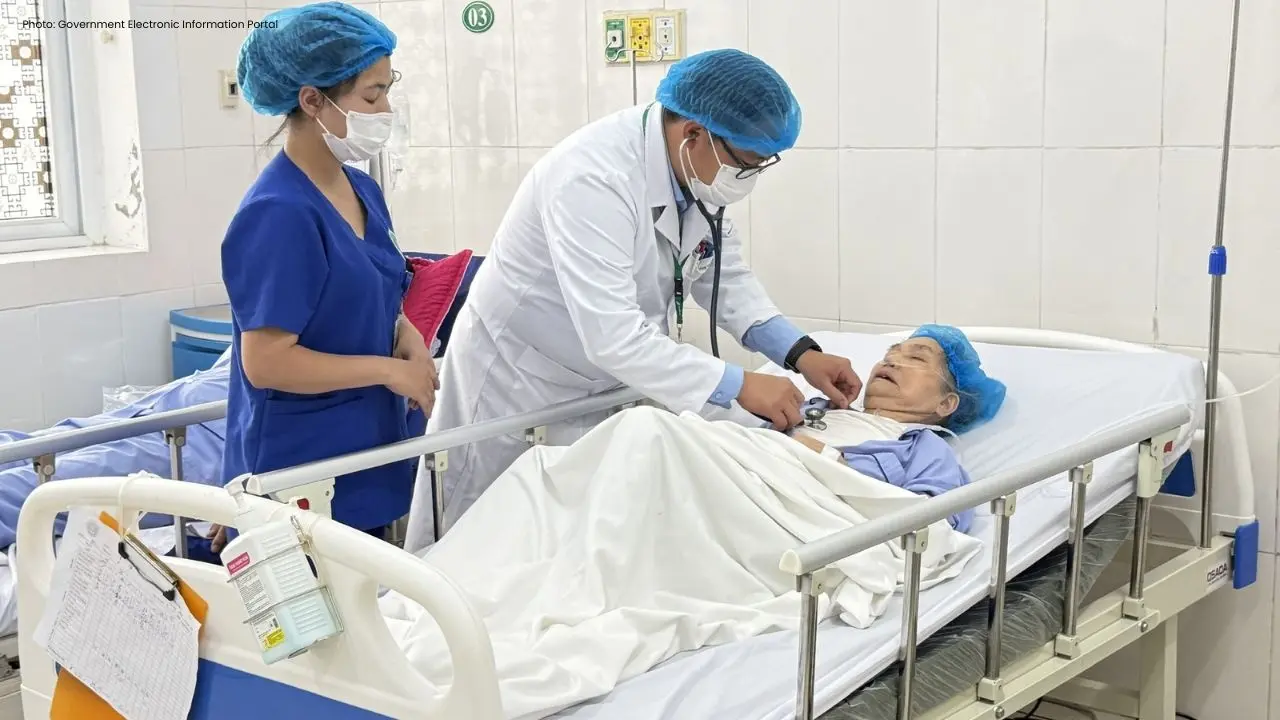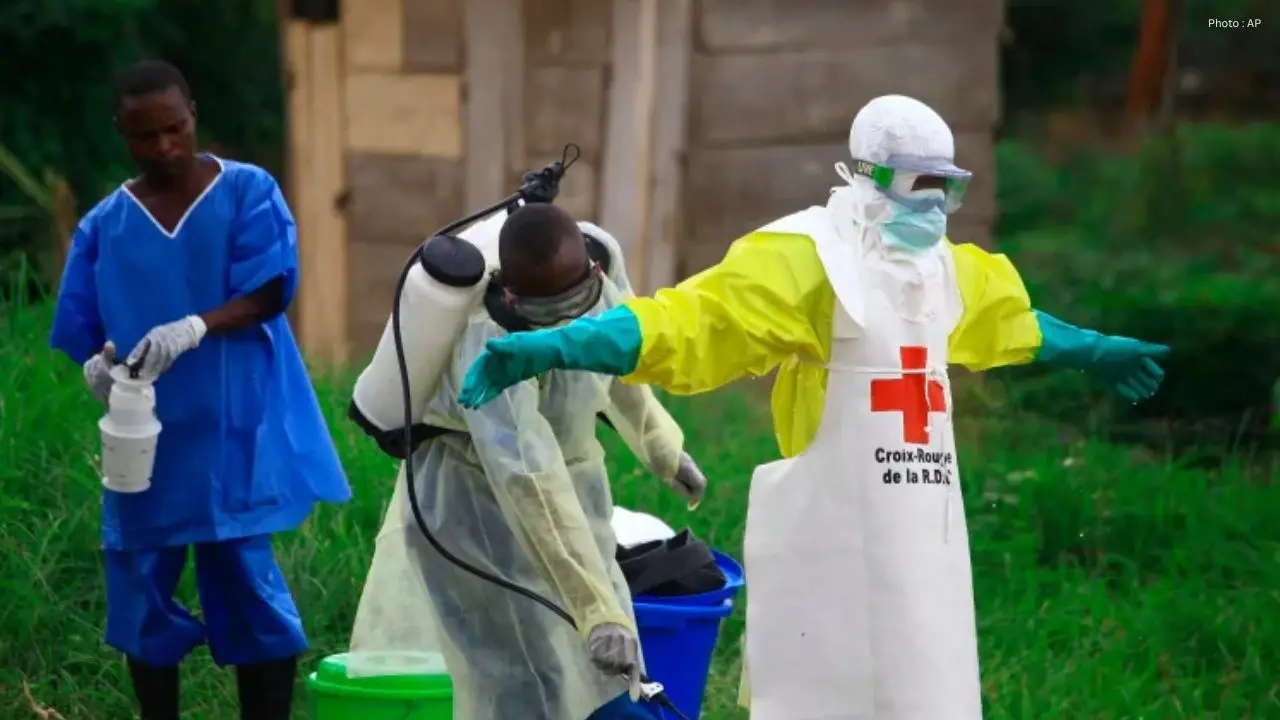
In response to rising Ebola concerns from Africa, Kerala's health officials have heightened surveillance protocols at Cochin International Airport (CIAL) after a critical emergency meeting aimed at boosting public health readiness. The move aims to preemptively protect travelers as international flights increase.
Health department representatives confirmed that special screening systems are now operational to monitor travelers arriving from nations deemed at risk for Ebola infection. Medical personnel, airport officials, and immigration staff have also been directed to closely watch for symptoms such as fever, fatigue, vomiting, or bleeding. Although no confirmed cases have emerged at CIAL, authorities are determined to prevent any potential health crises.
The emergency meeting included senior health officials, airport management, district administrators, and public health specialists, who evaluated existing safety measures and chose to enhance screening protocols for international arrivals. Health teams have also been instructed to ensure readiness for rapid responses should any suspected cases arise during checks at the airport.
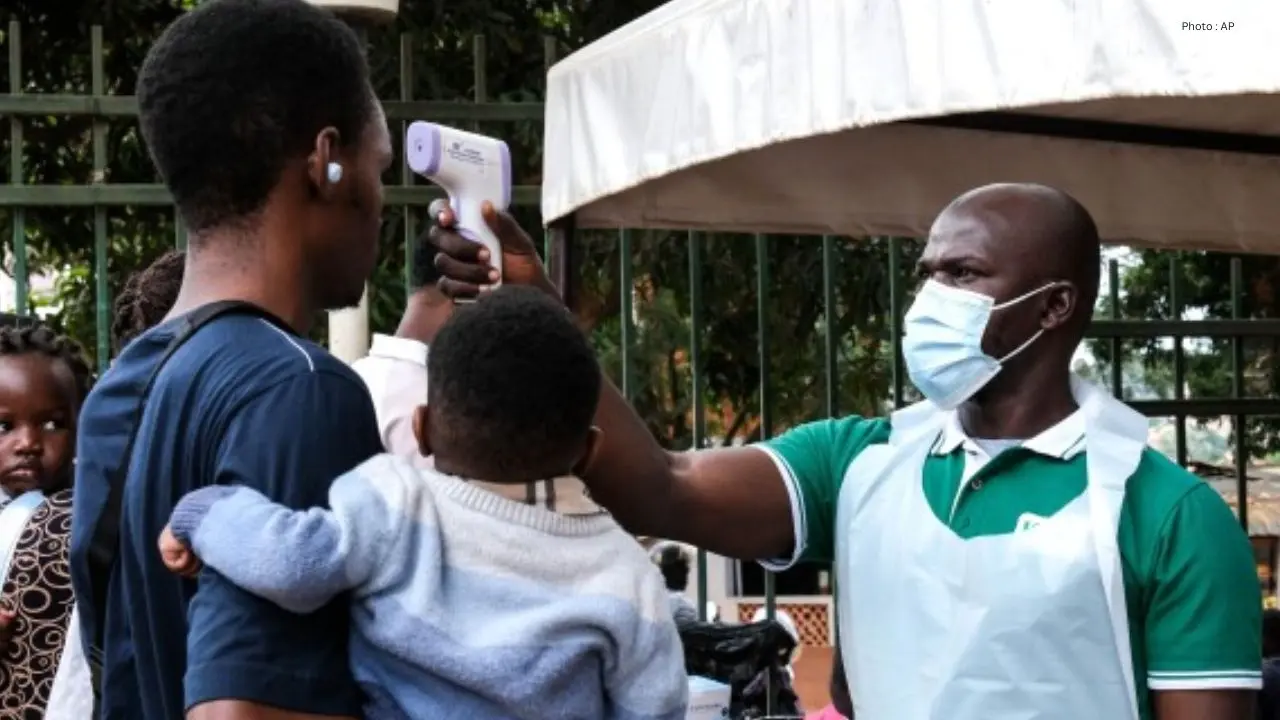
Officials have intensified thermal screenings and verification of travel histories for incoming passengers from affected regions. Coordination for isolation facilities and emergency medical care has also been established, reflecting proactive measures to combat infectious diseases like Ebola.
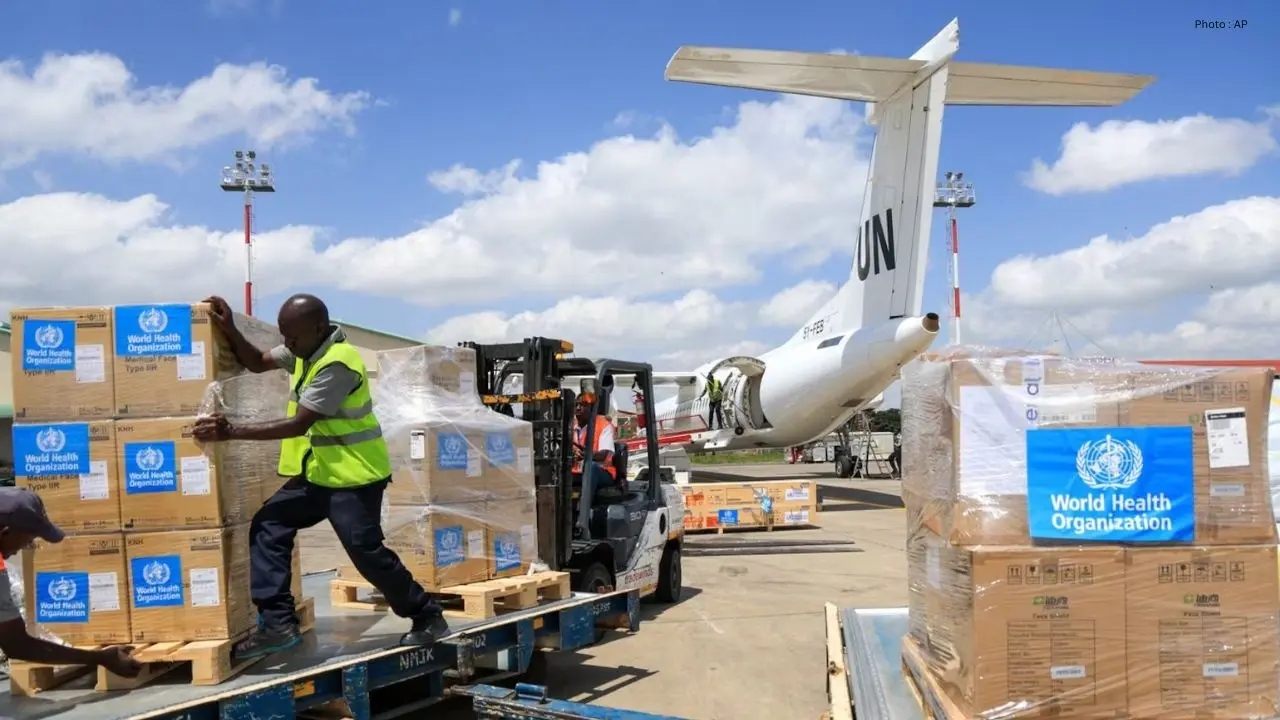
The World Health Organization has been vigilant regarding Ebola outbreaks in various African nations, prompting several countries to reinforce health protocols at airports. Indian health authorities are adhering to global health guidelines and maintaining communication with central agencies to track the situation worldwide closely.
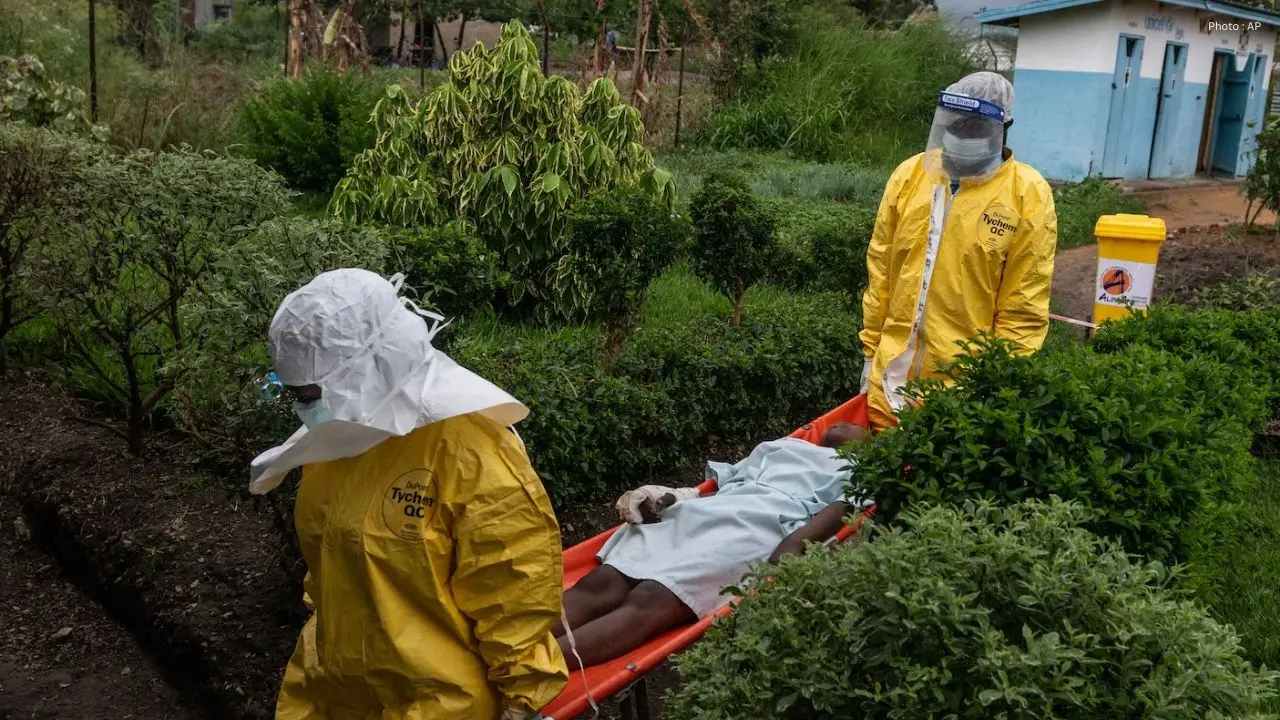
Medical professionals clarified that Ebola is a severe viral illness transmitted through direct contact with infected bodily fluids. Symptoms may include high fever, extreme weakness, severe body pain, vomiting, and internal bleeding in critical cases. They emphasized the importance of early detection, patient isolation, and appropriate protective measures to manage disease spread.
CIAL management has introduced awareness campaigns for airport staff, healthcare professionals, and emergency responders, including specialized training sessions to ensure frontline personnel can swiftly identify symptoms and safely manage suspected cases. Travelers are encouraged to remain calm and fully cooperate with health screening protocols.
With experience managing infectious disease outbreaks like Nipah virus and COVID-19, Kerala’s health department is poised for immediate action should any potential Ebola situation arise in the near future.