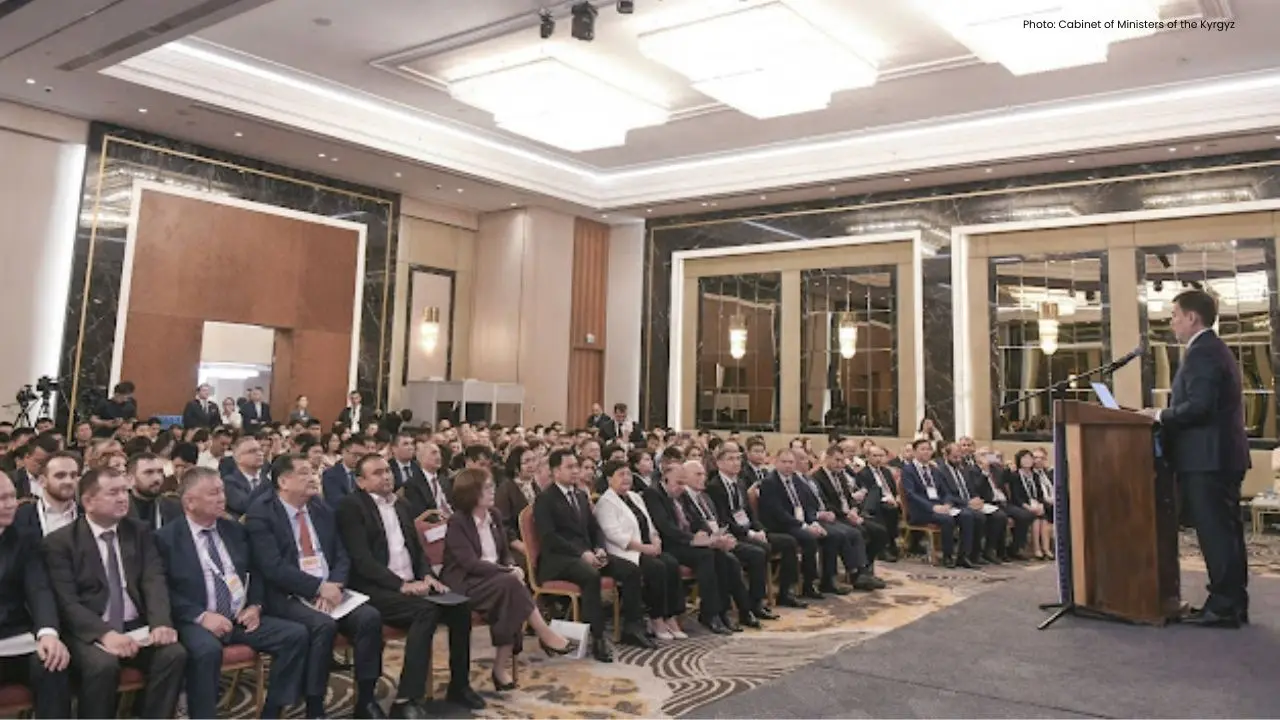
In a pivotal event for the healthcare sector, Kyrgyzstan organized its first-ever international symposium on organ donation and transplantation in Bishkek. This gathering attracted eminent scientists, surgeons, and medical professionals from over ten nations. It signifies a major step in enhancing the country’s healthcare framework and expanding advanced medical practices in transplantology.
Ulan Mamatkanov, Deputy Chairman of the Cabinet of Ministers, addressed the audience, underlining the crucial role of organ transplantation in saving lives through modern methods, innovative technologies, and global scientific partnerships.
The symposium acted as a vital venue for exchanging medical expertise, fostering collaboration among professionals, and integrating global best practices into transplant services. Key discussions were centered around improving transplant systems, upgrading medical facilities, and training specialists to conduct intricate transplant operations.
Recent government statistics shared at the symposium highlighted a significant rise in healthcare investment in Kyrgyzstan, escalating from 21.5 billion soms in 2021 to an anticipated 52 billion soms by 2025. Furthermore, there has been a noted increase in salaries for healthcare personnel as part of extensive reforms aimed at bolstering the national health sector.
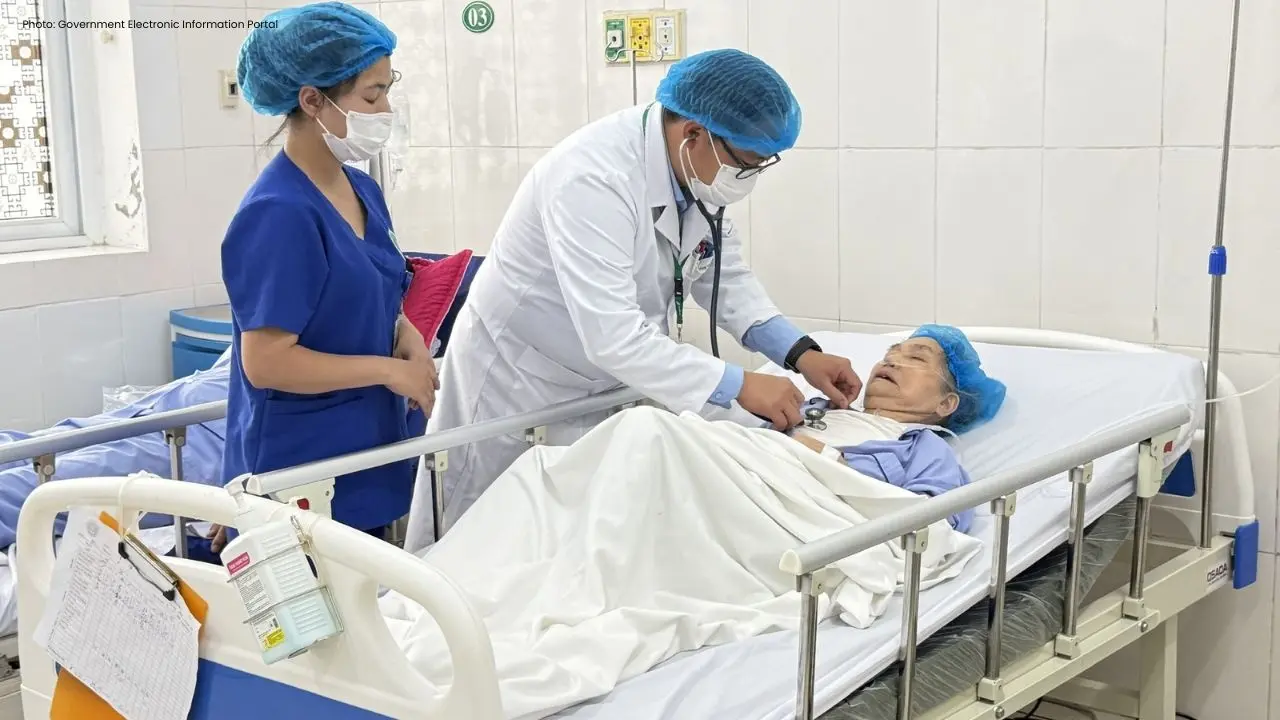
Over the past three years, 55 kidney transplant surgeries were funded by the state, with 42 conducted at the National Center for Motherhood and Child Protection and 13 at the Kyrgyz-Turkish Friendship Hospital named after Turkish President Recep Tayyip Erdogan.
Officials also detailed that Kyrgyzstan managed to perform three liver transplants under government support and achieved its first successful bone marrow transplant in 2024. These milestones mark significant strides for the nation’s transplantation medicine field.
Experts at the symposium engaged in discussions regarding contemporary techniques in kidney, liver, and heart transplantation, including organ donation frameworks, anesthesia management, immunological compatibility, and the ethical and legal challenges that arise during transplantation. Pediatric transplantation and the vital need for advanced training initiatives for emerging medical practitioners also received special focus.
Mamatkanov assured that the government remains committed to enhancing transplant services, fostering international medical collaborations, and allocating investments towards healthcare infrastructure to elevate treatment standards and ultimately save more lives in the future.