Signs Your Gut Health Is Affecting Your Skin and Mood
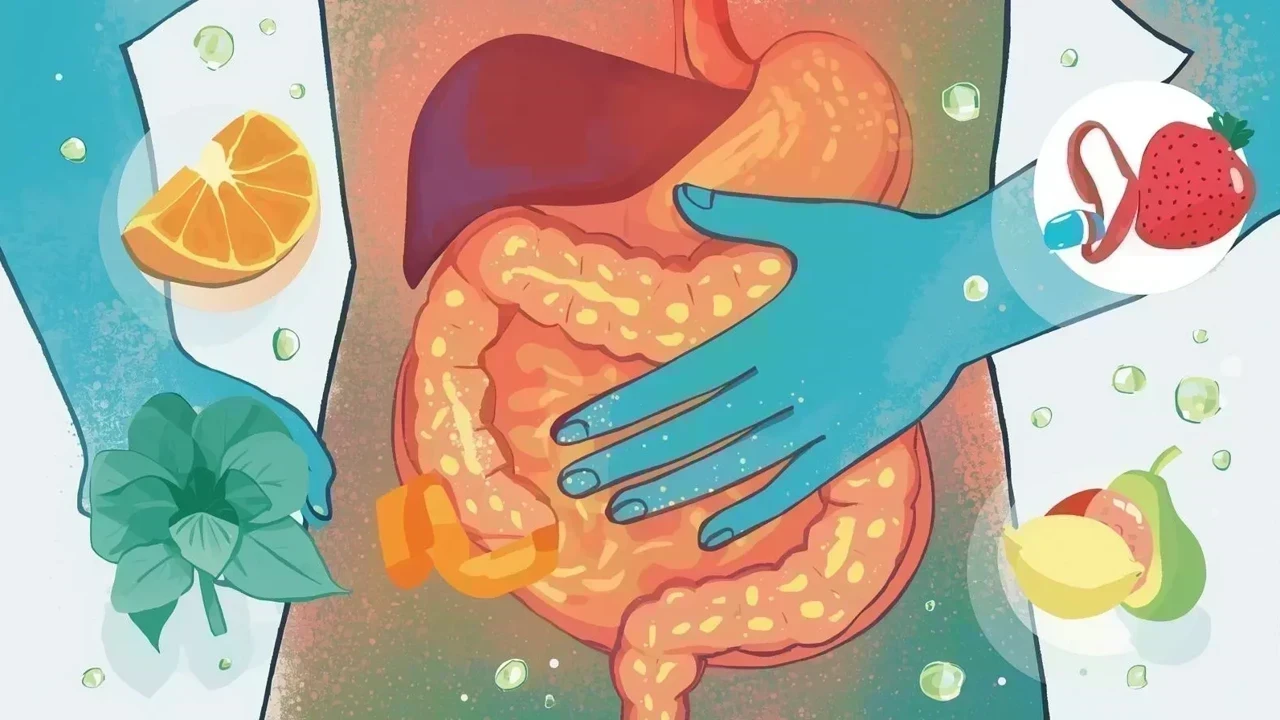
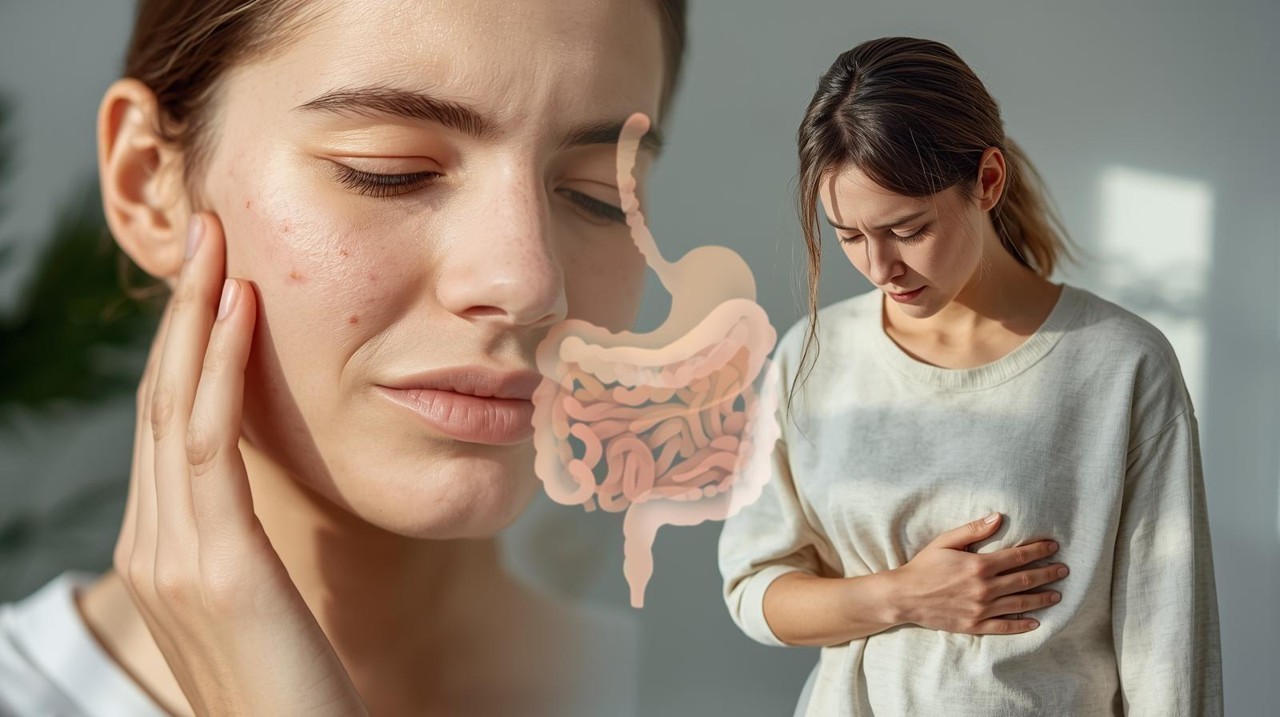
Your gut does much more than digest food. It plays a crucial role in your immune system, hormone balance, mental health, and skin condition. When your gut health is disturbed, it can show up in unexpected ways — especially through your skin and emotional well-being.
If you have been dealing with unexplained acne, irritation, anxiety, or mood swings, your gut might be sending you warning signals.
The Gut-Skin-Mood Connection Explained
The digestive system contains trillions of bacteria known as the gut microbiome. These microorganisms influence:
-
Inflammation levels
-
Nutrient absorption
-
Hormone regulation
-
Serotonin production (the “feel-good” hormone)
An imbalance in gut bacteria, often called dysbiosis, can trigger inflammation that affects both skin and brain function.
Frequent Acne or Breakouts
Persistent acne, rosacea, or skin flare-ups may be linked to poor gut health.
When the gut lining becomes irritated, toxins and inflammatory compounds can enter the bloodstream. This may lead to:
-
Increased oil production
-
Clogged pores
-
Skin redness
-
Slow healing
If topical treatments are not working, the root cause could be internal.
Unexplained Skin Sensitivity
If your skin suddenly becomes more sensitive to products or weather changes, it could signal inflammation originating from the gut.
Signs include:
-
Itching
-
Rashes
-
Eczema flare-ups
-
Dry, flaky patches
Chronic inflammation often starts internally before becoming visible on the skin.
Bloating and Digestive Discomfort
Regular bloating, gas, constipation, or diarrhea are clear indicators of digestive imbalance.
When digestion is compromised:
-
Nutrient absorption decreases
-
Toxin elimination slows down
-
Skin health deteriorates
-
Energy levels drop
Ignoring digestive symptoms can worsen both physical and emotional health.
Mood Swings and Anxiety
Did you know that nearly 90% of serotonin is produced in the gut?
An unhealthy gut can disrupt neurotransmitter production, leading to:
-
Mood swings
-
Irritability
-
Brain fog
-
Anxiety
-
Low motivation
The connection between the gut and brain is known as the gut-brain axis, and it plays a vital role in emotional stability.
Chronic Fatigue
If you feel constantly tired despite getting enough sleep, gut imbalance could be a factor.
Poor digestion can lead to:
-
Vitamin deficiencies
-
Iron deficiency
-
Inflammation
-
Reduced energy production
Fatigue often accompanies both skin and mood issues when the gut is compromised.
Food Intolerances Increasing
Developing new sensitivities to dairy, gluten, or certain foods may indicate a weakened gut lining.
Common signs include:
-
Bloating after meals
-
Headaches
-
Skin breakouts
-
Irritability
Addressing gut health can often reduce these symptoms.
How to Improve Gut Health Naturally
Improving gut health can positively impact both skin and mood.
Eat More Fiber-Rich Foods
Include fruits, vegetables, legumes, and whole grains to support healthy bacteria.
Add Probiotic Foods
Consume yogurt, kefir, fermented vegetables, or other probiotic-rich foods to balance gut bacteria.
Reduce Processed and Sugary Foods
Excess sugar feeds harmful bacteria and increases inflammation.
Stay Hydrated
Water supports digestion and toxin removal.
Manage Stress Levels
Chronic stress negatively affects the gut-brain axis.
Prioritize Sleep
Quality sleep helps regulate hormones and repair the gut lining.
When to Seek Professional Help
If symptoms persist despite lifestyle changes, consult a healthcare professional. Severe digestive issues, chronic skin conditions, or ongoing anxiety may require medical evaluation.
Early intervention prevents long-term complications.
Final Thoughts
Your skin and mood often reflect what is happening inside your body. Ignoring digestive discomfort or emotional changes can allow small imbalances to grow into bigger health issues.
By focusing on gut health, balanced nutrition, stress management, and healthy habits, you can improve not only digestion but also achieve clearer skin and a more stable mood.
Healing often begins from within.
Disclaimer
This article is for informational purposes only and does not replace professional medical advice. Always consult a qualified healthcare provider for diagnosis and personalized treatment.