Despite facing global tensions and soaring oil prices, Indonesia has reported an impressive economic growth rate in the first quarter of 2026. Official data from Jakarta reveals that the economy surged by 5.6 percent year-on-year, surpassing government predictions and the growth seen in the previous quarter.
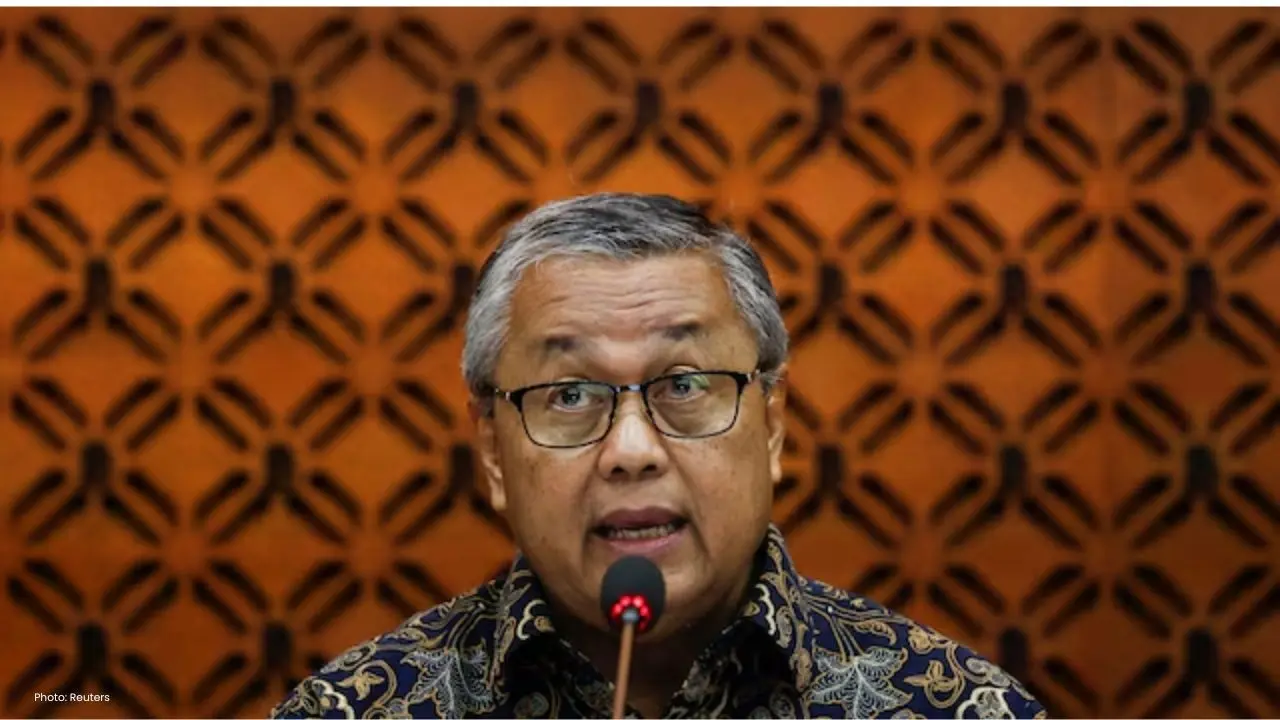
Statistics Indonesia, or BPS, shared the news, with agency head Amalia Adininggar Widyasanti noting that this growth outpaced the 5.4 percent recorded in the last quarter of 2025. Strong household expenditures emerged as the primary driver of this expansion, underpinning domestic demand amid global uncertainties.
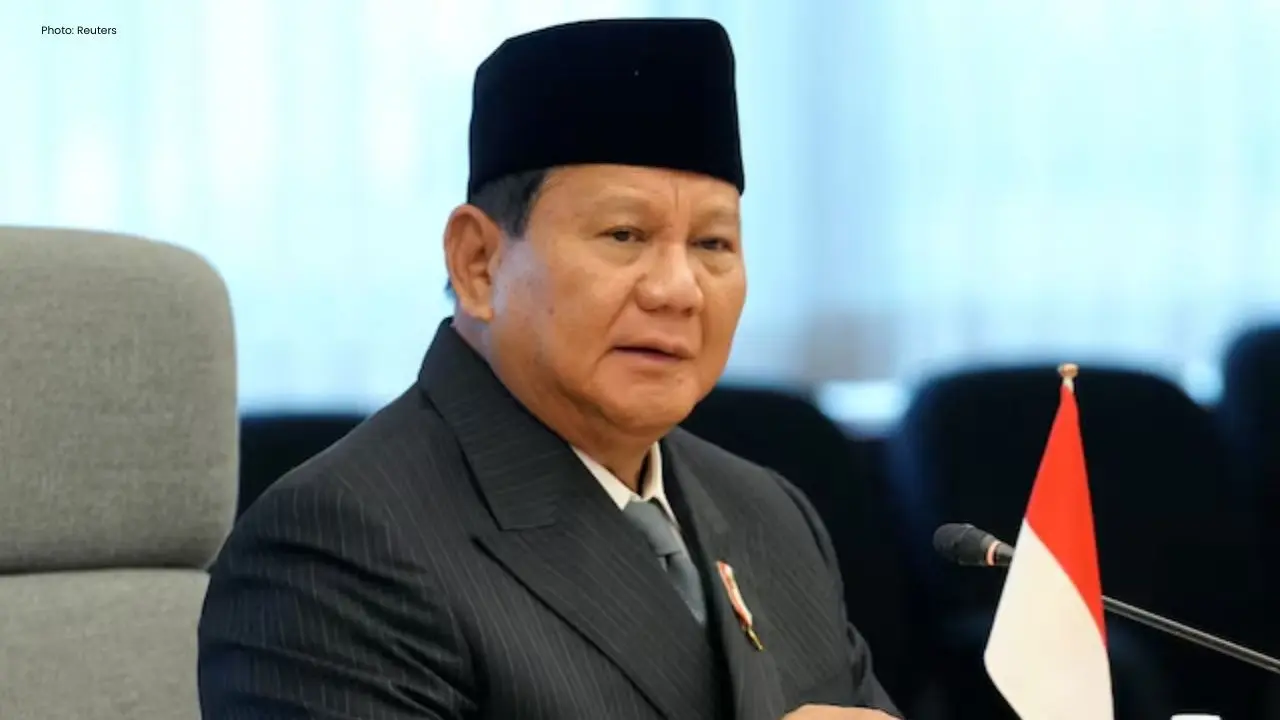
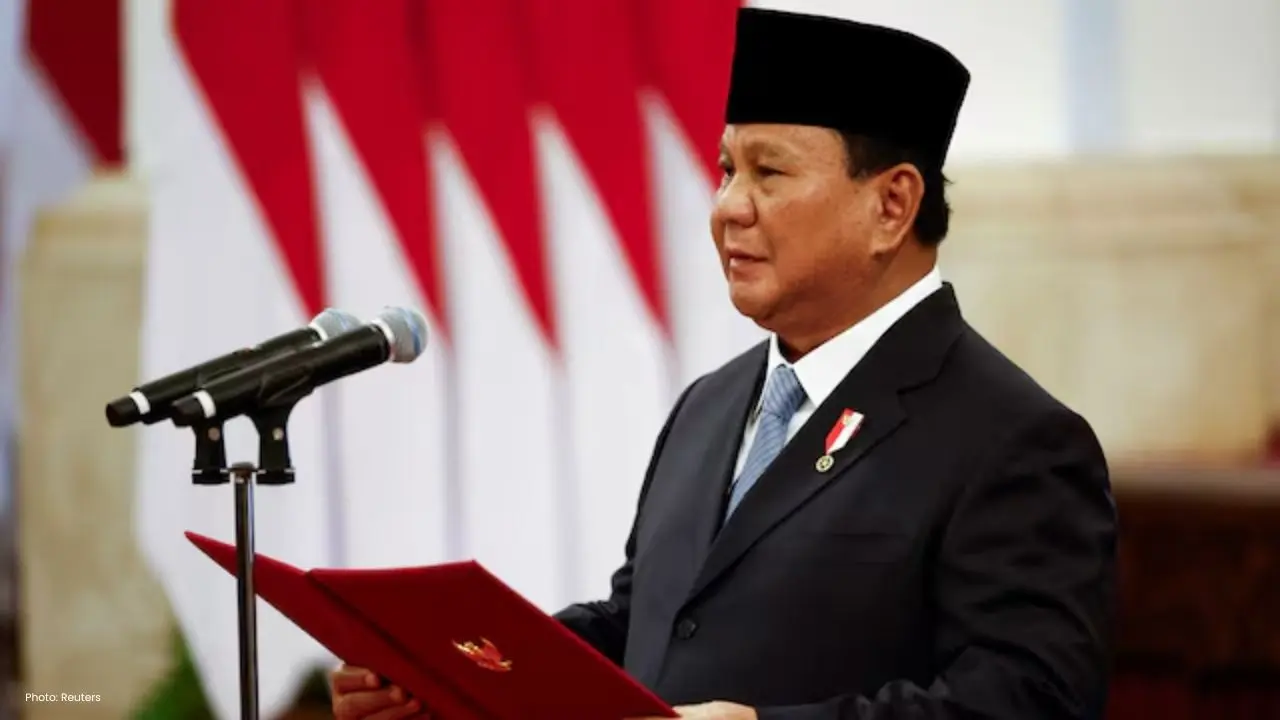
Prabowo Subianto has ambitious plans, aiming for an annual economic growth rate of eight percent by 2029. The government intends to focus on bolstering public spending and boosting infrastructure to reach this milestone. Analysts noted that increased government expenditure significantly supported economic activities during early 2026.
Official statistics indicate that government spending rose by over 21 percent in the first quarter compared to one year ago. Economists observed that public investment initiatives, social expenditure, and infrastructure development played key roles in stimulating growth across various sectors.
However, experts caution that overly interventionist economic strategies might pose long-term challenges if not managed wisely. There are concerns that excessive government involvement could diminish investor confidence, impact fiscal stability, and reduce the competitiveness of the private sector over time.
Moreover, the ongoing rise in global oil prices due to tensions in the Middle East is creating additional strains. Officials highlighted that every one-dollar increase in oil prices adds around Rp 6.8 trillion, equating to about US$400 million, to the national budget. These higher energy costs are likely to pressure inflation and government finances further.
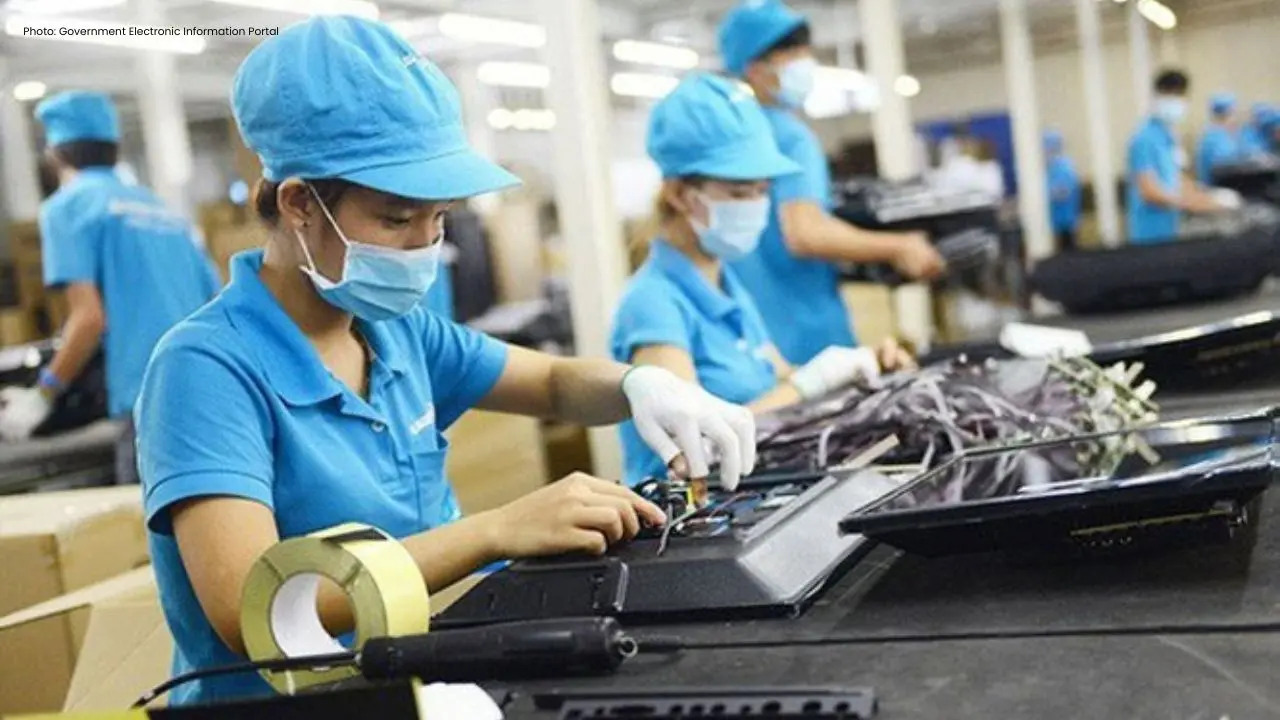
Economic observers point out that Indonesia’s manufacturing, trade, and export sectors are particularly vulnerable to fluctuations in global demand and geopolitical events. The conflict in the Middle East has injected uncertainty into international energy markets, raising risks for emerging economies across Asia.
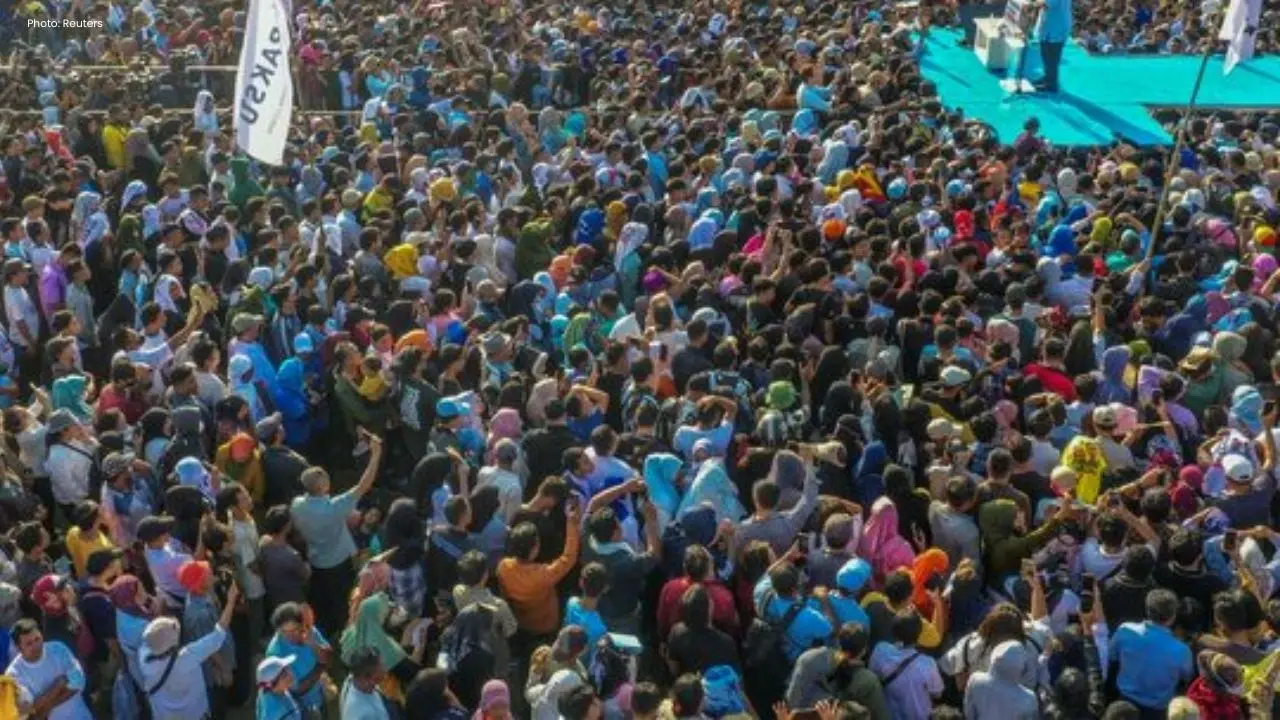
Despite these issues, Indonesia's domestic economy demonstrates resilience, supported by steady household consumption and effective government measures. Consumer spending remains a fundamental contributor to growth as businesses and individuals cope with the shifting global economic landscape.
Indonesian officials continue to express optimism about the medium-term economic outlook. With investment in infrastructure, public services, and local industries ongoing, the government believes these efforts will sustain growth and enhance Indonesia’s standing as one of Southeast Asia's largest and most rapidly growing economies in the years ahead.