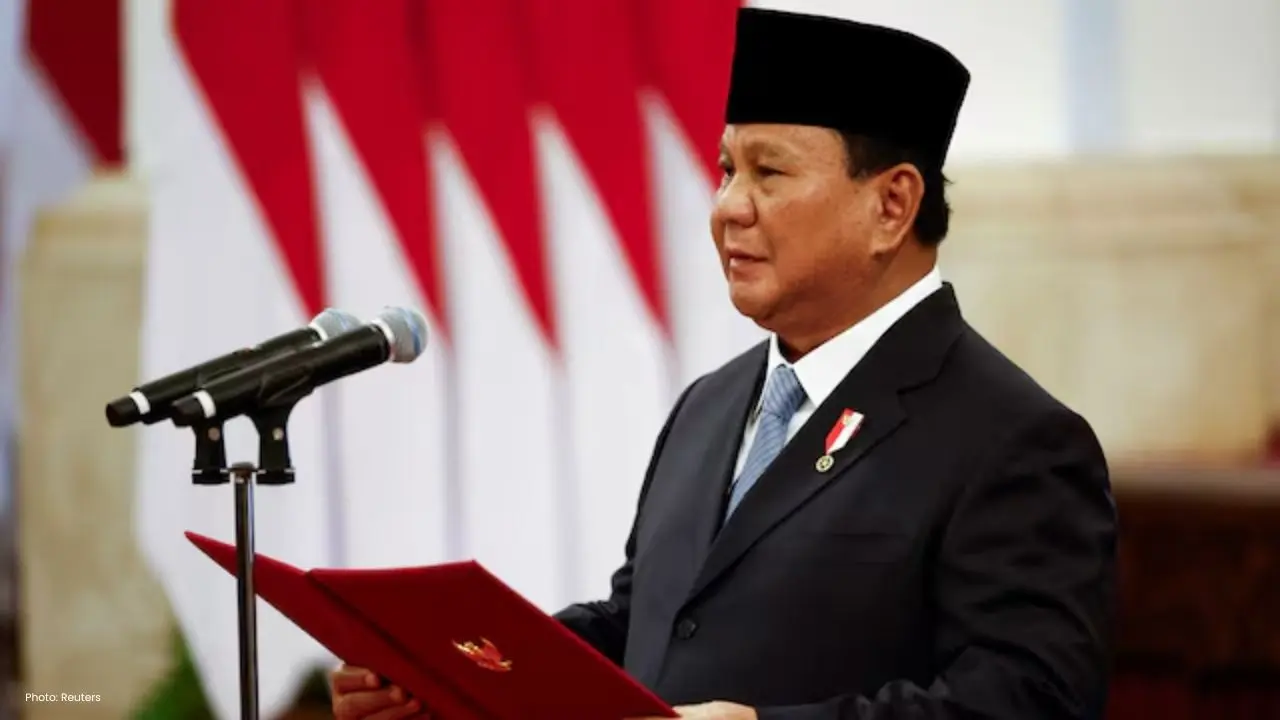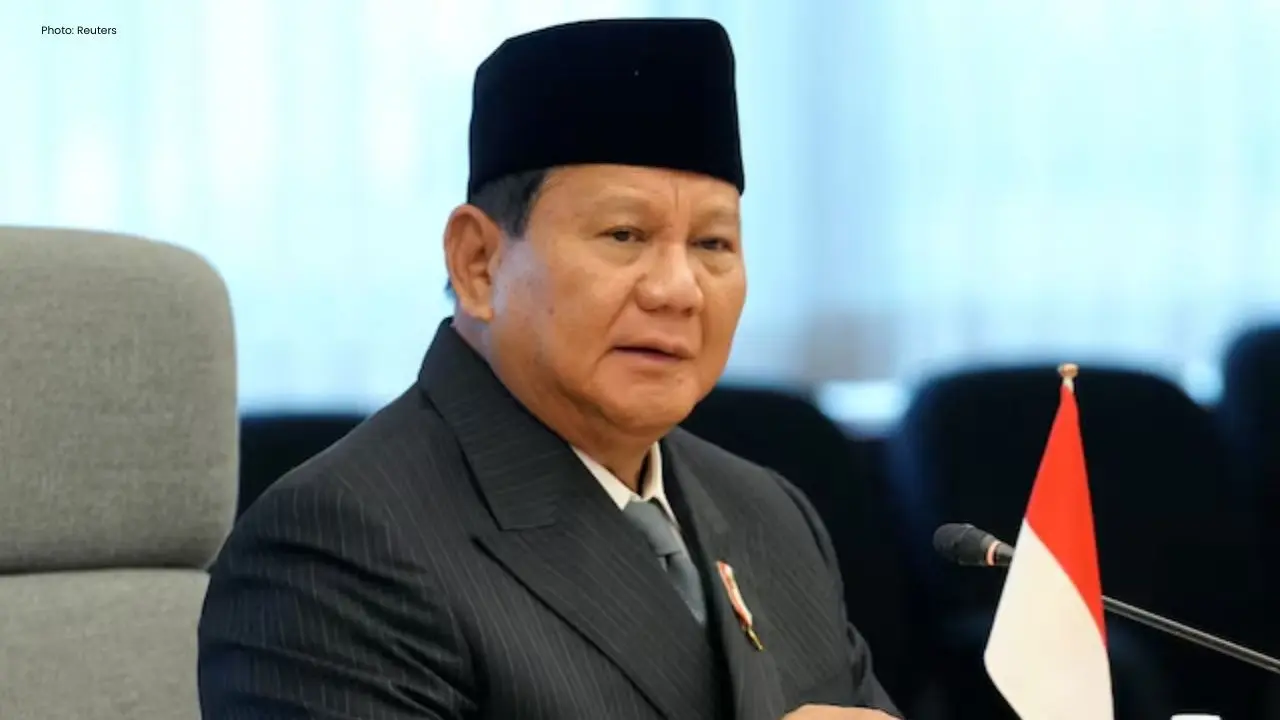
During a significant address at the House of Representatives in Jakarta, President Prabowo Subianto highlighted Indonesia's ambition to achieve economic growth in the range of 5.8% to 6.5% by 2027. This goal aligns with the country’s broader aspiration of reaching an 8% growth rate by 2029, as outlined in the government’s Macroeconomic Framework and Fiscal Policy Points for the next state budget.
Emphasizing the importance of economic stability amidst global geopolitical uncertainties and market pressures, Prabowo assured that Indonesia's fiscal deficit is projected to stay between 1.8% and 2.4% of GDP, well below the legal threshold of 3%. He assured that the government would persist in balancing development expenditure with economic expansion efforts while managing the fiscal deficit.
The President estimated that the Indonesian rupiah's exchange rate will fluctuate between 16,800 and 17,500 against the US dollar next year, amid various pressures from global uncertainties, energy price hikes, and market volatility. Nevertheless, he expressed confidence in Indonesia's economic fundamentals, asserting that they remain robust enough to support ambitious growth targets.
Notably, this address marked a departure from tradition, as it was the first time an Indonesian president delivered the KEM-PPKF speech, a role typically filled by the finance minister. Prabowo chose this direct approach to communicate the pressing realities of the global economy and its potential impact on national stability.
Government officials anticipate that crucial investments, infrastructure development, industrial expansion, and digital advancements will drive progress in the years ahead. There will also be a strong focus on food security, energy resilience, and boosting Indonesia's manufacturing and downstream capacities to reinforce its position within Southeast Asia.
While economists regard the growth aspirations as ambitious, they believe success hinges on steady domestic demand and gradual improvement in global economic conditions. Despite ongoing global challenges, Indonesia continues to attract foreign investments in key sectors such as mining, green energy, electric vehicles, and technology.
However, analysts caution that reaching these objectives while managing a controlled fiscal deficit will necessitate meticulous policy supervision. Key risks such as fluctuating commodity prices, geopolitical tensions, and currency fluctuations could influence Indonesia's economic landscape. Nevertheless, the government maintains confidence that its fiscal policies and long-term strategies will keep the economy on a steady upward trajectory.